The adsorptive removal of a cationic drug from aqueous solution using poly (methacrylic acid) hydrogels
Abstract
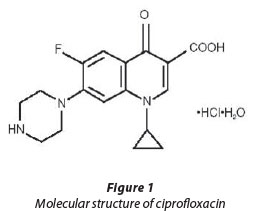
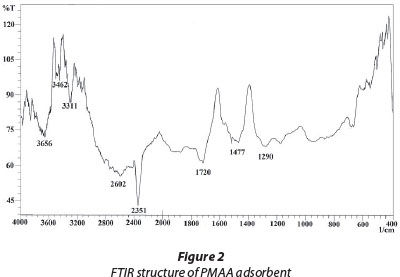
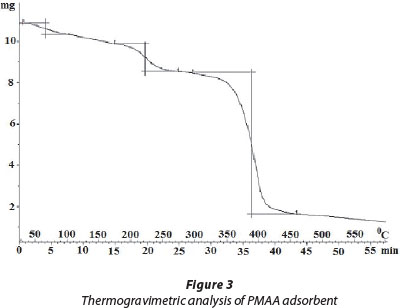
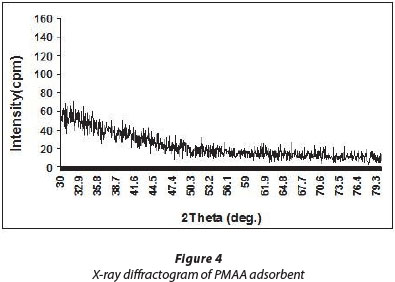
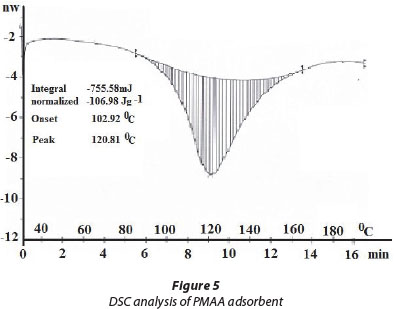
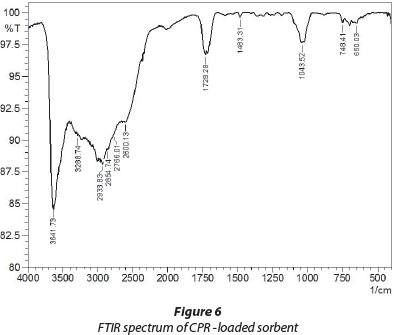
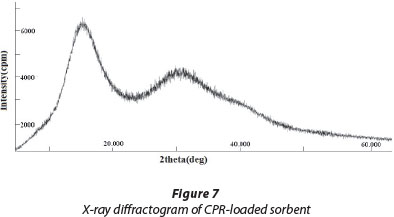
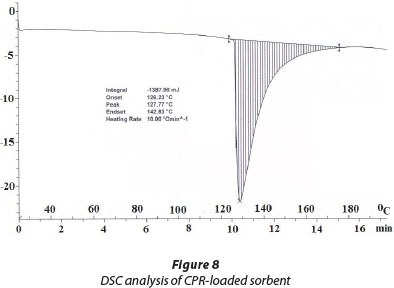
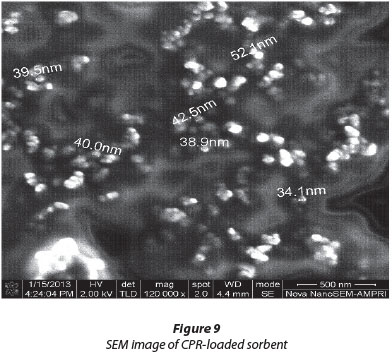
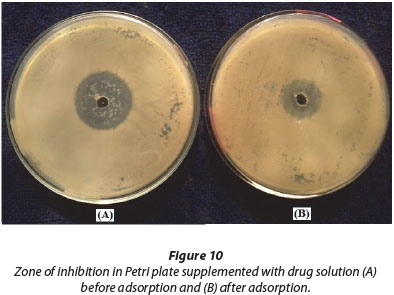
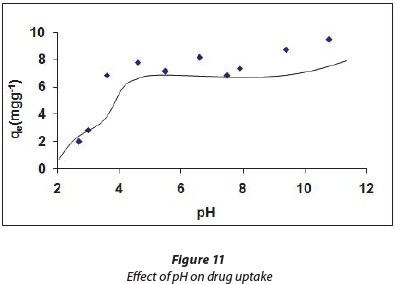
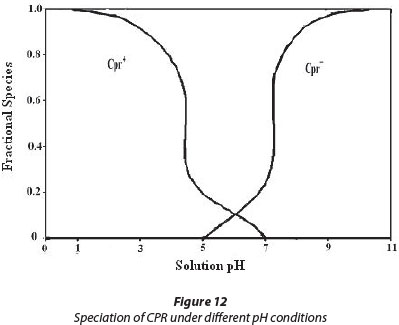
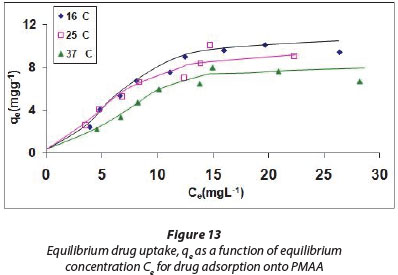
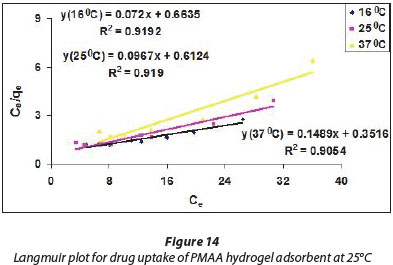
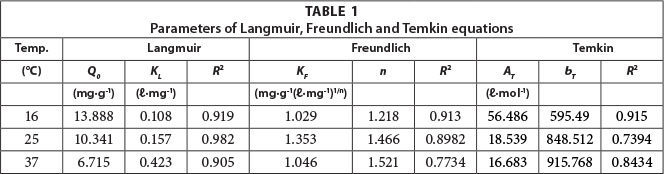
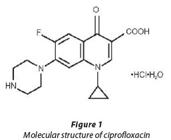
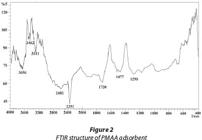
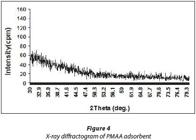
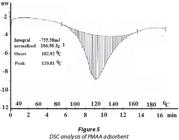
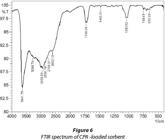
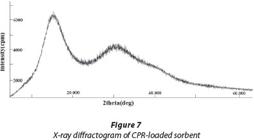
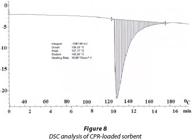
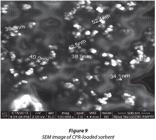
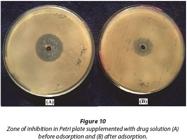
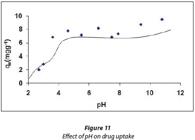
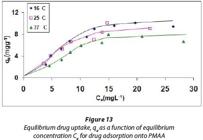
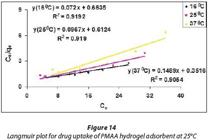
This study describes adsorptive removal of the antibiotic drug ciprofloxacin hydrochloride from simulated water using poly(methacrylic acid) (PMAA) as adsorbent. The adsorbent was characterised by various instrumental techniques such as X-ray diffraction (XRD), differential scanning calorimetry (DSC), and Fourier transform infrared (FTIR) spectroscopy. The adsorption equilibrium data, as studied at 3 temperatures, namely, 15, 25 and 37°C, were best interpreted by the Langmuir adsorption isotherm model. Moreover, an increase in temperature reduces drug uptake. A pH of the adsorption system in the range of 5.0 to 8.0 causes maximum adsorption of the drug. The presence of drug molecules in the adsorbent particles was shown by various techniques: X-ray diffraction (XRD), differential scanning calorimetry (DSC), Fourier transform infrared (FTIR) spectroscopy and scanning electron microscopy (SEM) analysis. Antibacterial studies also reveal the adsorption of the drug from solution.
Adsorption; ciprofloxacin; Langmuir isotherm; X-ray diffraction; Fourier transform infrared (FTIR) spectroscopy
 Thumbnail
 Thumbnail
 Thumbnail
 Thumbnail
 Thumbnail
 Thumbnail
 Thumbnail
 Thumbnail
 Thumbnail
 Thumbnail
 Thumbnail
 Thumbnail
 Thumbnail
 Thumbnail