Nanofiltration membranes for high-efficiency separation of microplastics from wastewater
Abstract
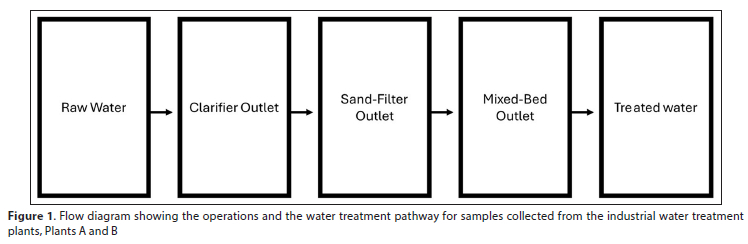
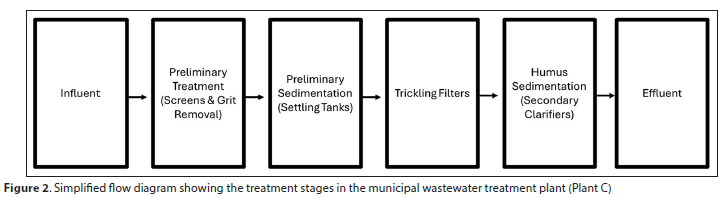
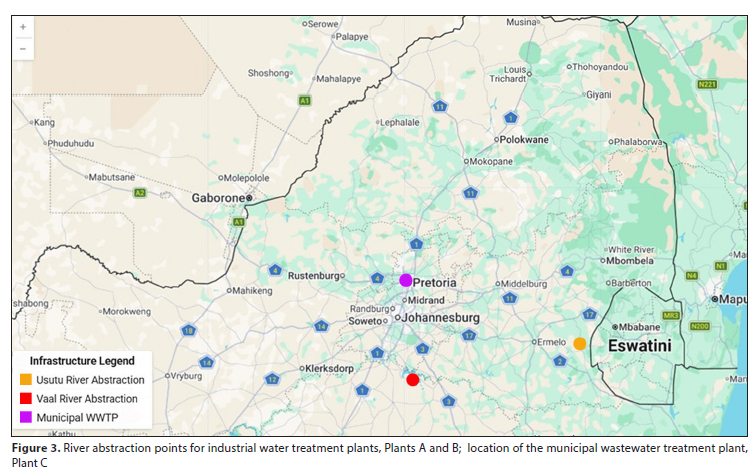
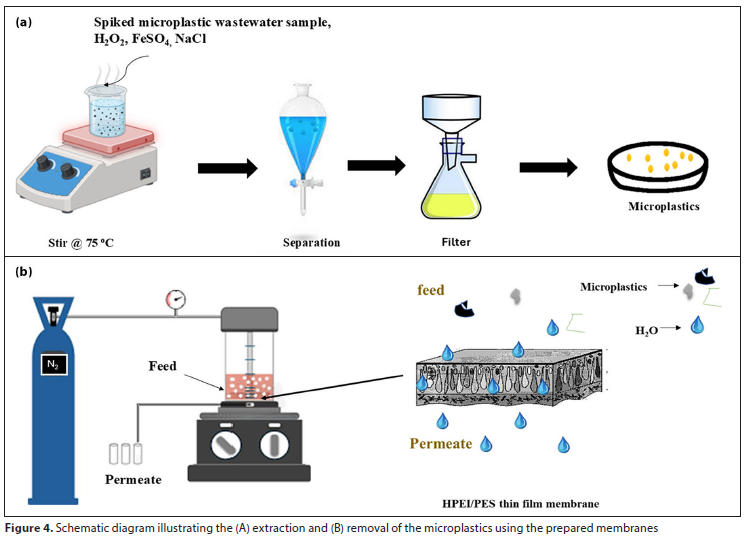
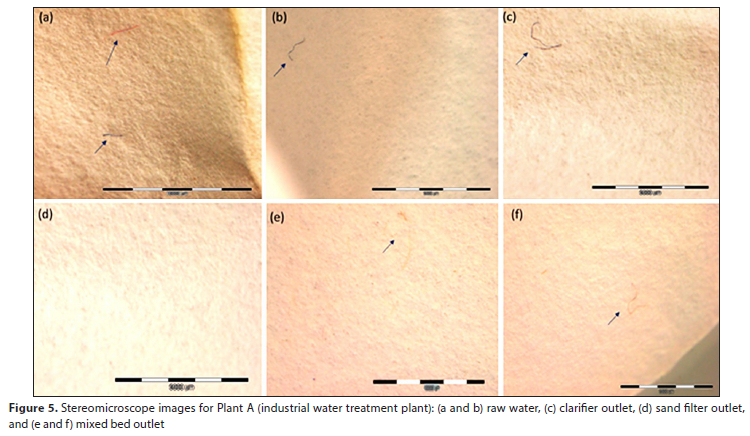
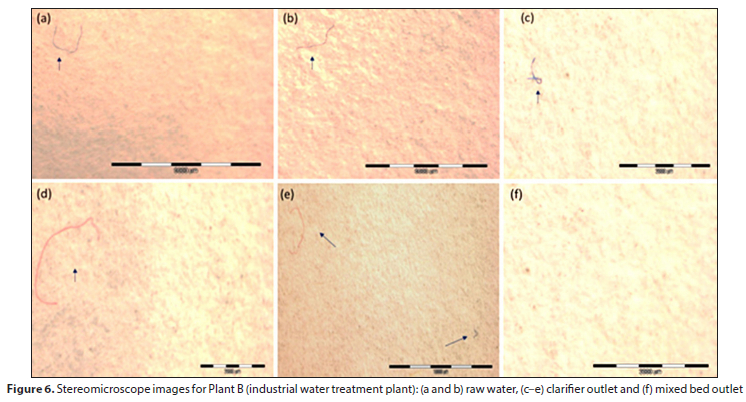
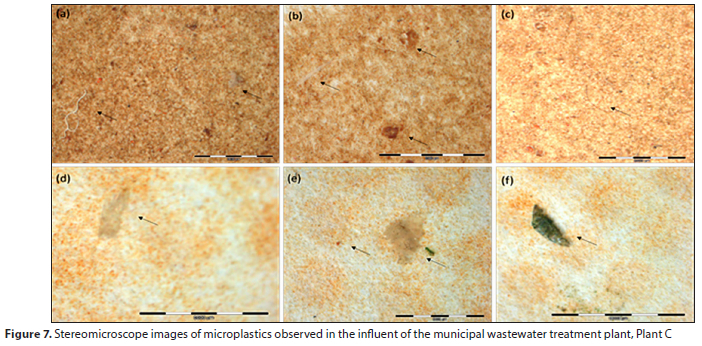
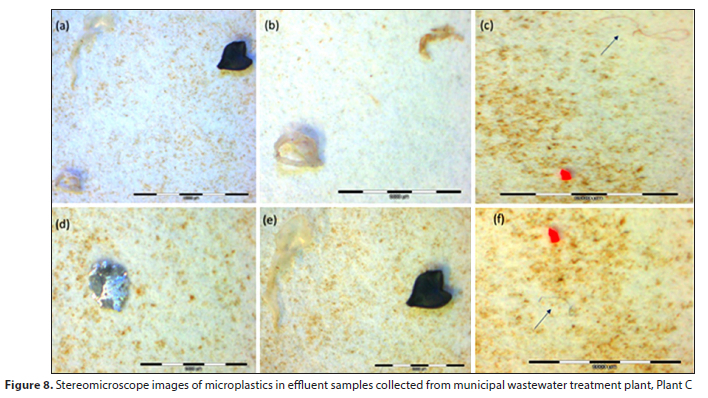
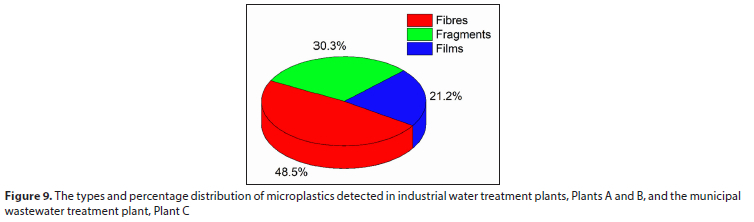
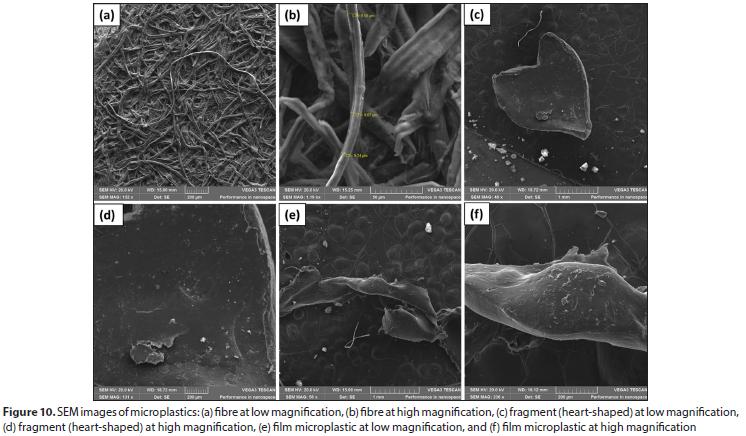
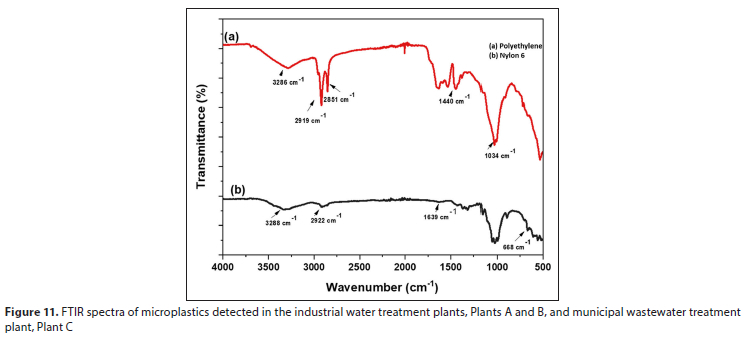
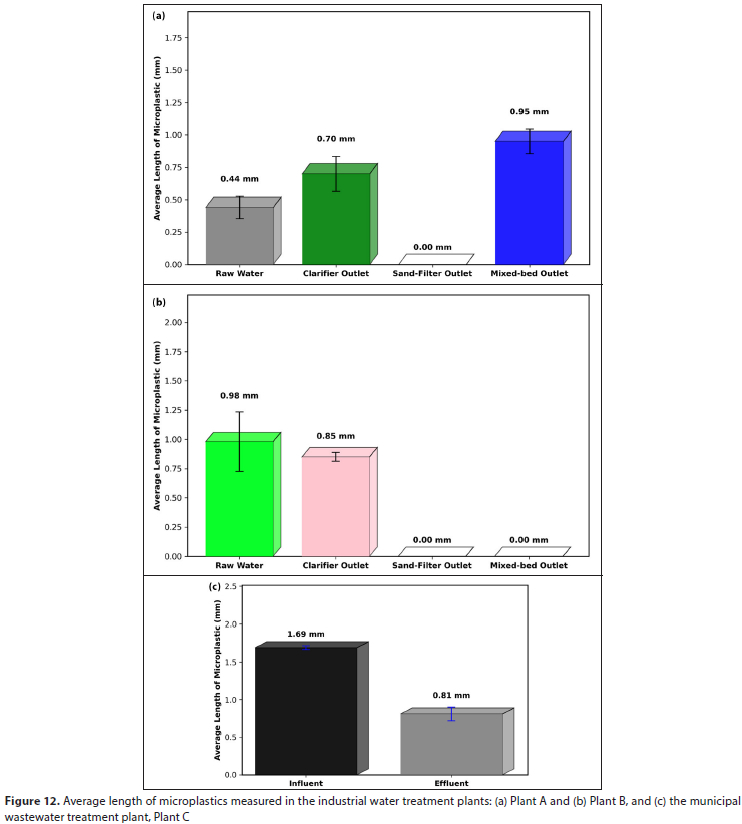
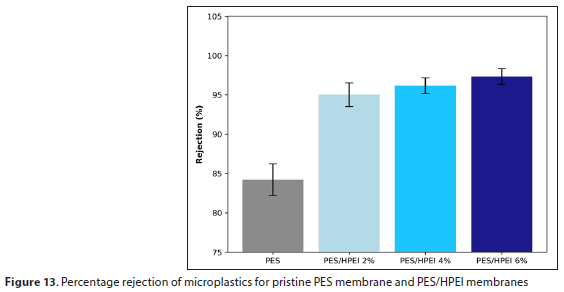
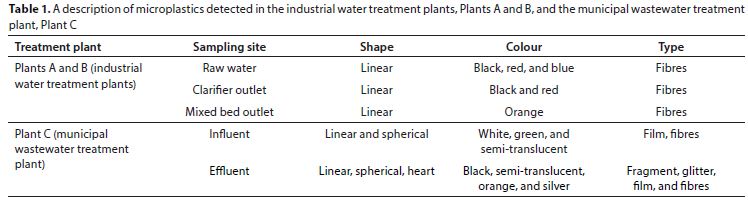
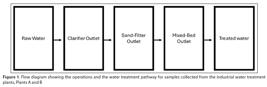
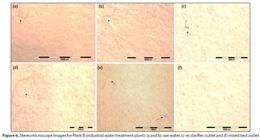
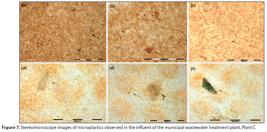
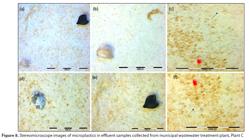
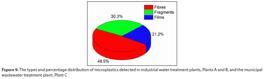
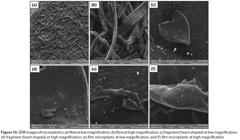
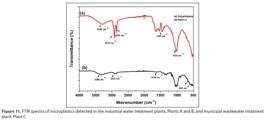
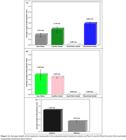
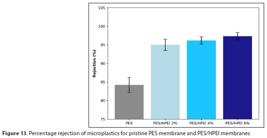
This study investigated the occurrence and removal of microplastics (MP) in samples collected from the influent and effluent of a municipal wastewater treatment plant and from specific stages of an industrial water treatment plant, including the raw water, clarifier, sand filter, and mixed bed outlet. The wet-peroxide oxidation method was used to isolate the microplastics, and these were characterised by techniques such as stereomicroscopy, scanning electron microscopy (SEM), and attenuated total reflectance-Fourier transform infrared spectroscopy (ATR-FTIR) to determine properties such as shape, colour, size and polymer composition. Hyperbranched polyethyleneimine (HPEI) polyethersulfone (PES) thin-film composite membrane prepared via interfacial polymerisation was used to reject the isolated microplastics. Nylon-6 and polyethylene were found to be the most predominant polymers, which were either blue, black or red in colour. The most common shapes in both sampling areas were primarily fibres (48.5%), fragments (30.3%), and films (21.2%) and the presence of such morphologies was influenced by various anthropogenic activities. Whilst the microplastic abundance ranged from 2.22 ± 1.11 MP/L to 24.44 ± 11.50 MP/L. The membranes achieved a rejection efficiency of 97.33% through size exclusion and hydrophilic-hydrophobic interactions. These findings demonstrate the prevalence of microplastics in both influent and effluent and highlight the potential for HPEI/PES nanofiltration membrane technology as a viable and scalable technology for the rejection of microplastics in wastewater.
hyperbranched; polyethyleneimine; microplastics; nanofiltration membrane; polyethersulfone; municipal wastewater treatment plant
 Thumbnail
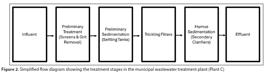 Thumbnail
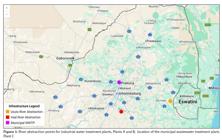 Thumbnail
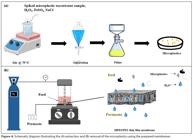 Thumbnail
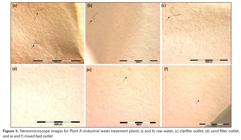 Thumbnail
 Thumbnail
 Thumbnail
 Thumbnail
 Thumbnail
 Thumbnail
 Thumbnail
 Thumbnail
 Thumbnail