Hypertension management in the older adults: A narrative literature review
Abstract
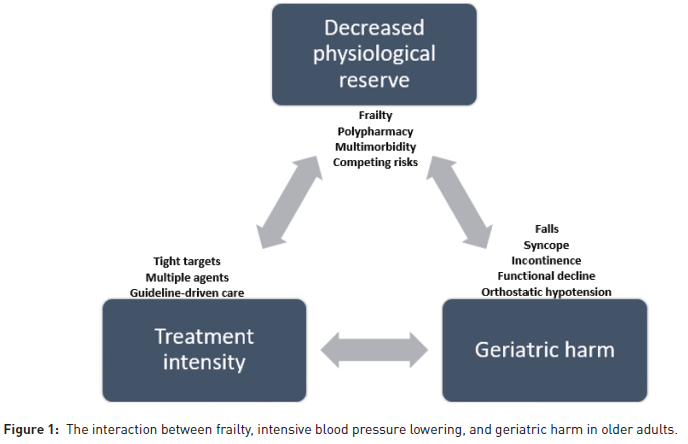
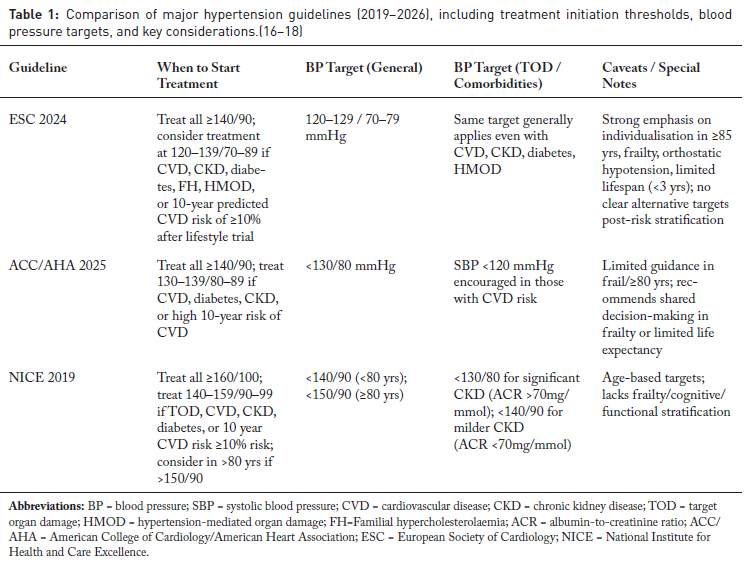
In older adults, hypertension is not only common but also a significant contributor to adverse cardiovascular and cognitive outcomes. However, in the presence of concomitant geriatric syndromes and reduced physiological reserve, managing blood pressure in later life becomes increasingly complex. While landmark clinical trials demonstrate that treatment reduces cardiovascular events and mortality in selected older populations, intensive blood pressure lowering is shown to increase adverse events such as hypotension, syncope, and acute kidney injury. Against the backdrop of reverse epidemiology, where tighter blood pressure control has been associated with higher mortality, particularly in frail older individuals, it is noted that optimal blood pressure target is not a one-size-fits-all strategy. Recent international hypertension guidelines reaffirm the importance of tight blood pressure control for most patients, while placing greater emphasis on more relaxed targets in the context of frailty and advanced age. This narrative review summarises the key evidence and discusses a pragmatic, patient-centred approach to blood pressure management in older adults.
 Thumbnail