Newer Modalities for Hypertension Management: A Review of siRNA Therapies and Aldosterone Synthase Inhibitors
Abstract
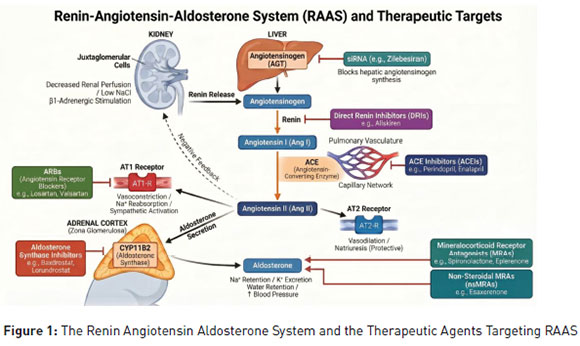
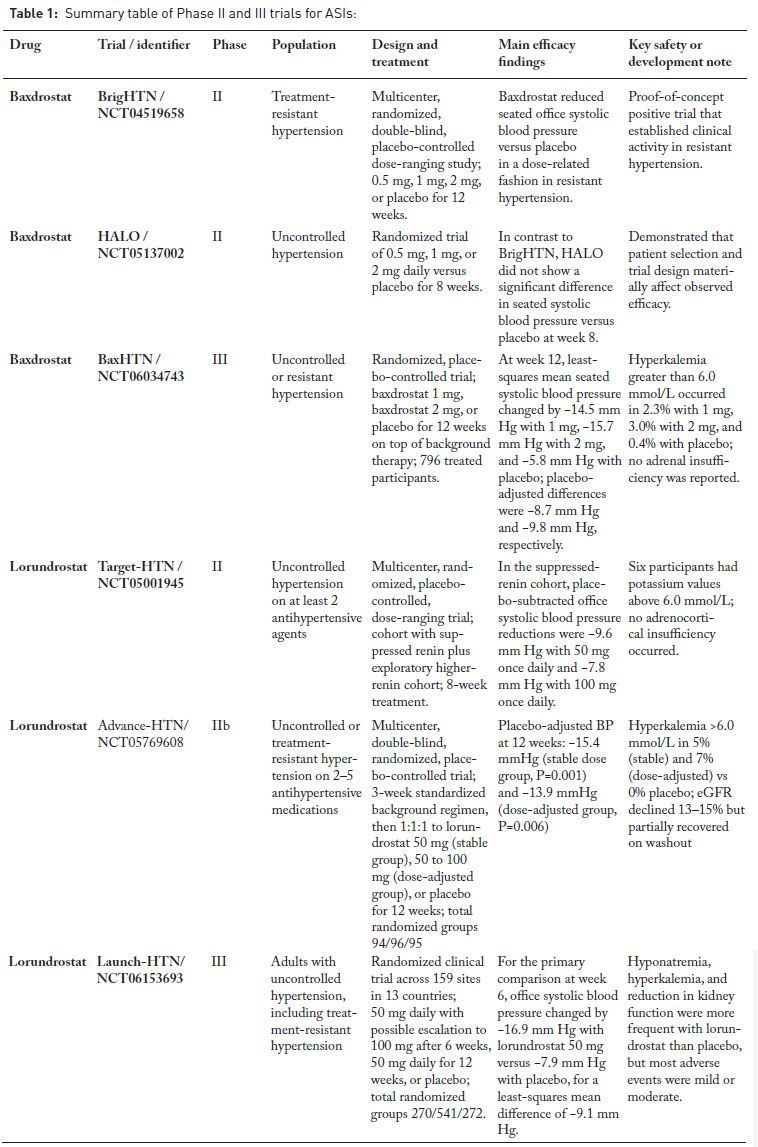
Hypertension is the leading cause of cardiovascular morbidity and mortality worldwide, with a significant number of all treated patients failing to achieve their target blood pressure goals. This therapeutic gap is driven by a number of factors, including, but not limited to, non-compliance with medications and the physiological phenomenon of renin-angiotensin-aldosterone system (RAAS) escape. In addition, the prevalence of resistant hypertension is increasing, posing a particular therapeutic challenge. In recent years, new classes of drugs have emerged that offer novel mechanisms to target the RAAS and address these challenges. This review article provides an in-depth overview of two such novel therapeutic modalities: small-interfering RNA therapies, exemplified by zilebesiran, and aldosterone synthase inhibitors, including lorundrostat and baxdrostat. We examine the mechanism of action of these new molecules, summarise the evidence on their safety and efficacy, and discuss their potential for future hypertension management. These therapies offer the promise of sustained blood pressure reduction with infrequent dosing, potentially overcoming the issues of non-compliance, the RAAS escape phenomenon and assisting in the management of resistant hypertension.
 Thumbnail