Verbal art in the ecological discourse of two Amazigh/Berber documentaries
Abstract
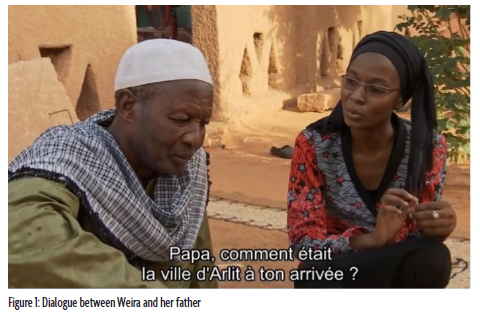
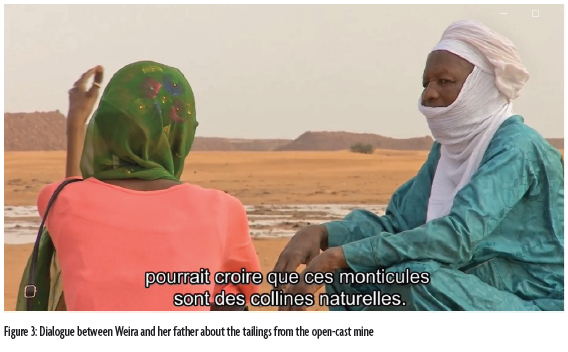
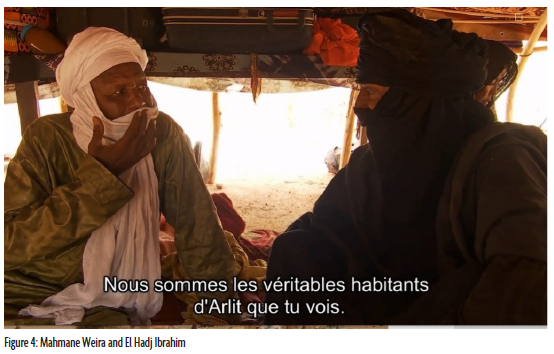
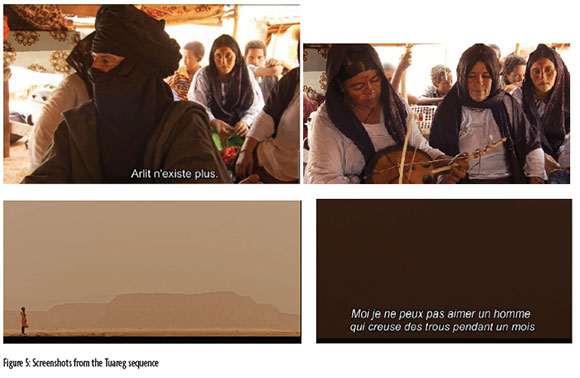
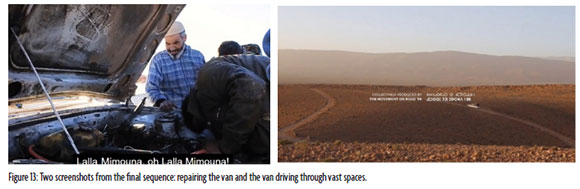
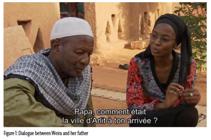
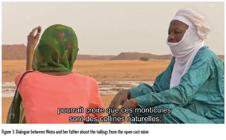
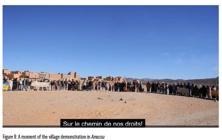
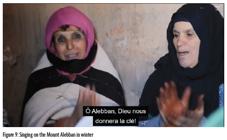
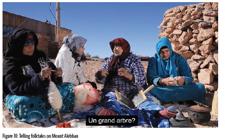
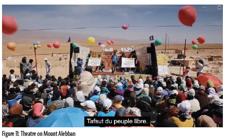
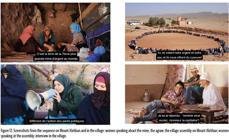
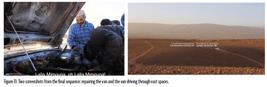
International audiences have taken an interest in the contestatory aspects of the documentaries La colère dans le vent (Amina Weira, 2016) and Amussu xf ubrid n 96 (Movement on the Road 96) (Nadir Bouhmouch, 2019). However, scholars and critics have largely overlooked the exploration of oral genres in their discourse and imagery, focusing instead on their socially and ecologically engaged approaches. In this article, by contrast, I assume a central position with reference to orality. The analysis of the two documentaries shows that orality serves to construct their discourse and that images strengthen the narrative role of orality. In the first documentary I analyse, La colère dans le vent, the reference to orality functions as a kind of frame narrative: Tuareg storytelling and music provide the framework in which multiple interviewees voice their recollections of past, silenced pollution and express their demands for justice and ecological restoration. In the second documentary, Amussu, poetry functions as a "narrator" and structures the alternation and intertwining of agricultural and militant activities. I thus show that climate change and mining pollution have spurred a renewal of sung poetry and other oral genres in these audiovisual media. In this article, I further delve into the theoretical and ethical issues surrounding the 'subjectivity' of the documentary voices and the ethical perils of documenting humanitarian crises.
Amazigh oral literature; documentary; extractivism; insurgent cinema; Niger; Tuareg; Ait Atta; verbal art; Morocco
 Thumbnail
 Thumbnail
 Thumbnail
 Thumbnail
 Thumbnail
 Thumbnail
 Thumbnail
 Thumbnail
 Thumbnail
 Thumbnail
 Thumbnail
 Thumbnail
 Thumbnail