Best practices for Physical Education Teacher Education (PETE) in distance education mode: A systematic literature review
Abstract
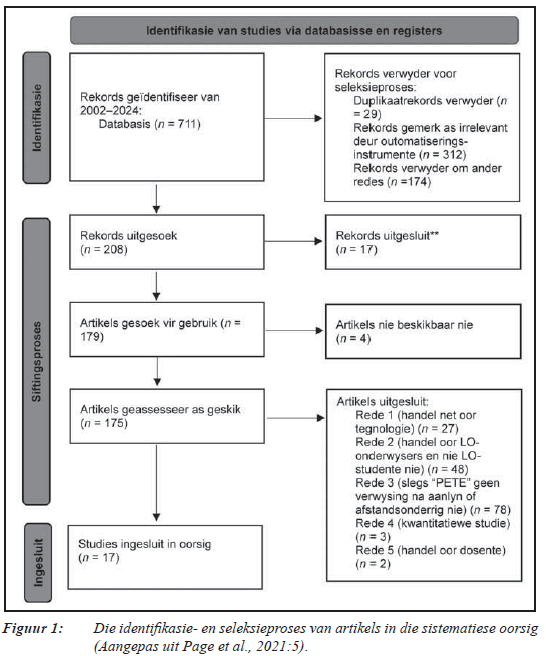
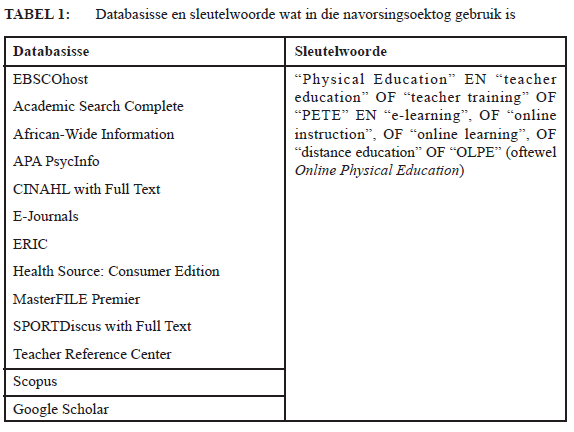
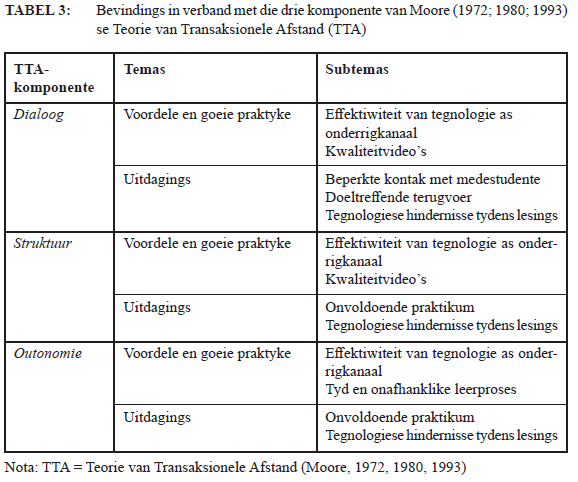
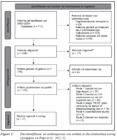
In recent years, technological integration has led to new directions in innovative teaching modes, which have also brought about remarkable changes in the pedagogy of teacher education. A change that has been particularly noted due to technology in Physical Education teacher education, is the increasing use of distance and online teaching. Studies show, however, that shortcomings persist in this mode of training. This study aimed to investigate best practices and challenges in the distance and online training of teachers in Physical Education, by means of a qualitative systematic literature review. Within the framework of the Theory of Transactional Distance and social-constructivism, the review was conducted according to the guidelines of the Preferred Reporting Items for Systematic reviews and Meta-Analyses (PRISMA) declaration, and included searches in 11 selected sub-databases within the EBSCOhost group of databases, as well as Scopus en Google Scholar. The reference lists of included studies were also screened to identify further articles. The keywords and eligibility criteria for inclusion were focused on studies that investigated the experiences of students or lecturers in distance or online Physical Education teacher education courses at tertiary institutions, and were published in English between 2002 and 2024. The Critical Appraisal Skills Programme (CASP) checklist was used to assess methodological quality of individual studies, and the data were thematically synthesised. A total of 17 studies were included, from which two themes (Benefits and good practices, and Challenges) and several sub-themes (Time and independent learning process, Effectiveness of technology as a teaching channel, Quality videos within the first theme; and The practical component of the training, Technological barriers during lectures, Insufficient practical teaching (work-integrated learning) and Limited contact with fellow students within the second theme) emerged. The findings show that the students and lecturers in the different studies had positive experiences of the benefits of distance learning, namely that they could work at their own pace and in their own time, as well as easy access to study material. The effective use of technology, especially with a view to effective communication between lecturers and students as well as between students, and the use of quality videos for the practical training component, were also reported as good practices. In terms of challenges, the participants experienced the practical training (which includes students'performance and practice of movements and the feedback on them), problems in the use of technology, insufficient practicals, little to no contact with fellow students, and ineffective feedback from lecturers and fellow students, negatively. In the context of the Theory of Transactional Distance, it is evident that participants ' positive experiences with the principles of self-paced learning, flexibility, and accessible learning materials align with the theory's component of autonomy, as students' levels of personal responsibility for their own learning have increased. The effective use of technology, along with the composition and utilisation of quality videos, further contributes to the dialogue and structure components of the theory, as technology has facilitated communication between lecturers and students and the videos have enhanced the practical training of students. The challenges of insufficient practical training and issues with technology also correlate with the components of autonomy (students could not sufficiently learn, practice, and apply practical movements and skills on their own) and structure (the course design was such that students could not adequately manage the practical aspects and technology). The challenges of ineffective contact with peers and feedback from lecturers and fellow students connect back to the dialogue component, as communication between students and lecturers was negatively affected. The conclusions drawn from various studies agree that it remains the lecturer's responsibility to provide quality planning, implementation, feedback, and assessment in Physical Education teacher education in distance mode. Recommendations that arise from the findings of this study include comprehensive planning by lecturers regarding the types and content of practical movement skills and lessons to be taught and executed, even in unsuitable home environments of students; thorough training for lecturers and students concerning the specific technology used in the course; innovative and quality video technology planning and usage; and timely, specific, and individualised feedback from lecturers. Future studies should focus on developing modules specifically designed for Physical Education that not only promote content but also provide comprehensive practical experiences for students.
Physical Education; teacher education; distance education; best practices; challenges; Theory of Transactional Distance (TTD)
 Thumbnail
 Thumbnail
 Thumbnail
 Thumbnail
 Thumbnail
 Thumbnail