Analysis of income mobility, overweight, and obesity in South Africa
Abstract
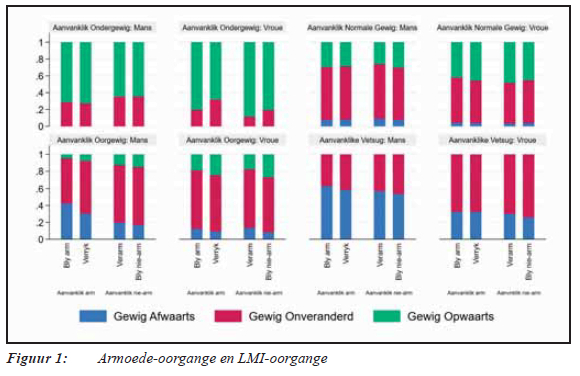
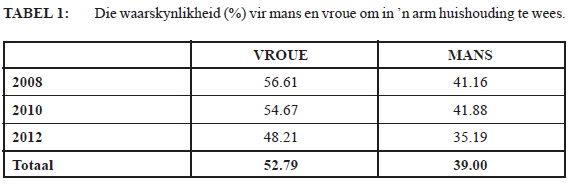
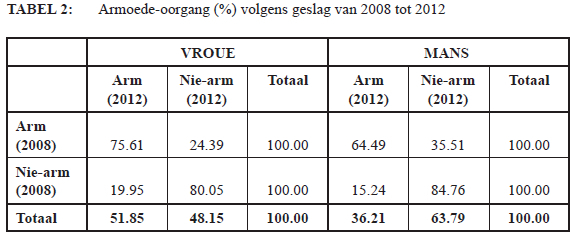
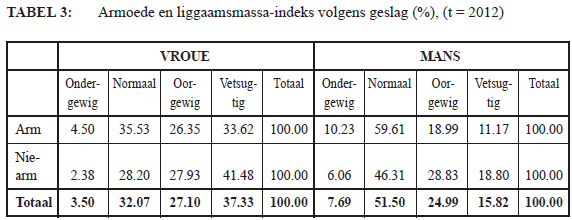
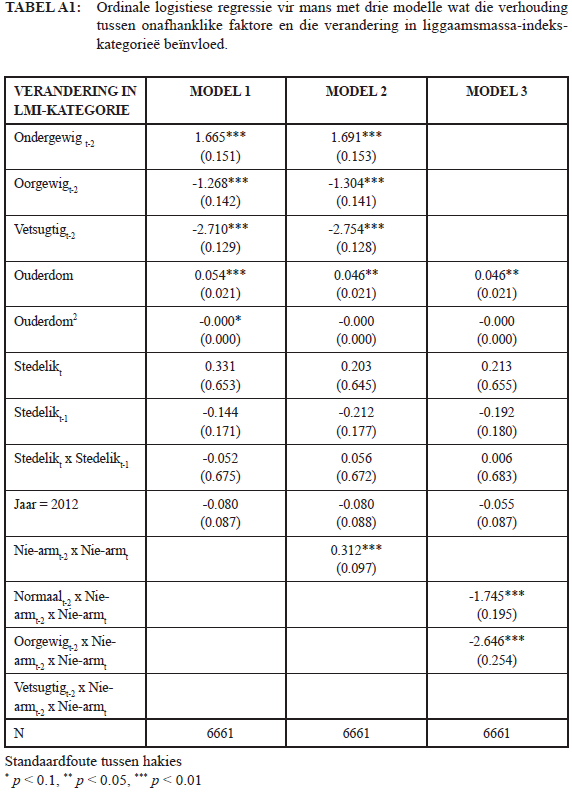
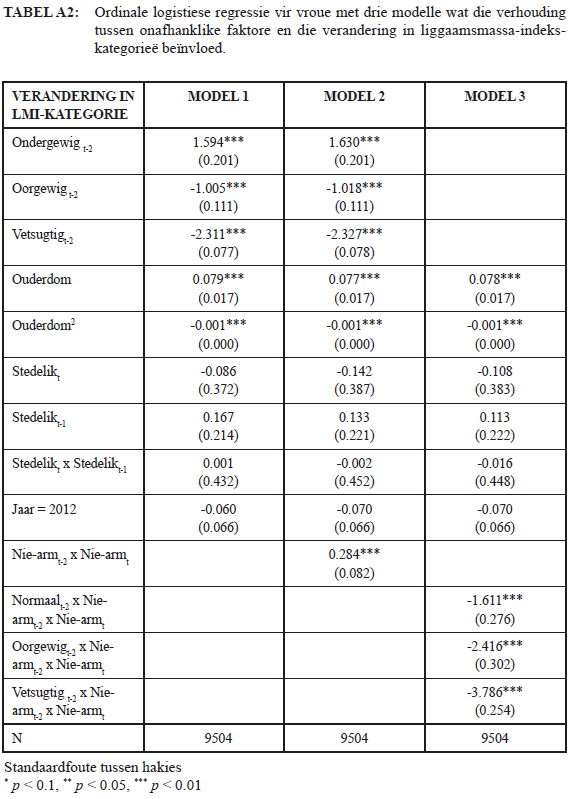
The interplay between income inequality, health outcomes and the nutrition transition is a significant concern in South Africa, a country marked by extreme disparities. This article investigates the relationship between upward social mobility and changes in body mass index (BMI) categories, exploring how economic development influences overweight and obesity trends. Using panel data from the first three waves of the National Income Dynamics Survey (NIDS), the study evaluates transitions in BMI and social class over the period 2008-2012. BMI was categorised into underweight, normal weight, overweight, and obese groups, and social mobility was assessed through transitions across poverty thresholds. The findings confirm the existence of a nutrition transition in South Africa, characterised by a dietary shift from traditional, nutrient-dense foods to processed, energy-dense foods. This transition has increased the prevalence of overweight and obesity, disproportionately affecting women and those transitioning out of poverty. Descriptive statistics reveal that while poverty rates declined during the study period, women were more likely than men to remain in poverty or experience downward social mobility. BMI trends varied by gender and poverty status, with non-poor women exhibiting higher rates of overweight and obesity compared to their poorer counterparts. Ordinal logistic regression models show a strong association between sustained upward mobility and increases in BMI. Specifically, individuals who consistently moved out of poverty or remained non-poor were more likely to transition to higher BMI categories, while those experiencing persistent poverty were more likely to remain underweight or transition downward in BMI. The relationship between socioeconomic mobility and BMI was more pronounced among women, who exhibited higher probabilities of gaining weight as they improved their socioeconomic status. The study highlights the persistent correlation between economic mobility and obesity and underscores the complex health trade-offs associated with alleviating poverty. Rising obesity rates are linked to increased risks of non-communicable diseases such as hypertension and diabetes, posing significant challenges for public and private healthcare systems. This research contributes to the literature by combining longitudinal data and advanced statistical modelling to assess how individual and household-level socioeconomic dynamics influence health outcomes. The findings emphasise the need for integrated policy approaches that address both poverty alleviation and the rising prevalence of obesity, fostering equitable and sustainable health improvements in South Africa.
income mobility; overweight; obesity; nutrition transition; South Africa
 Thumbnail
 Thumbnail
 Thumbnail
 Thumbnail
 Thumbnail