Spatial planning constraints in historically marginalised areas: An integrative review
Abstract
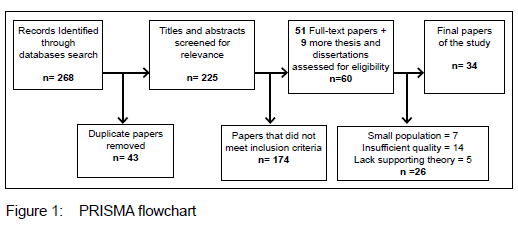
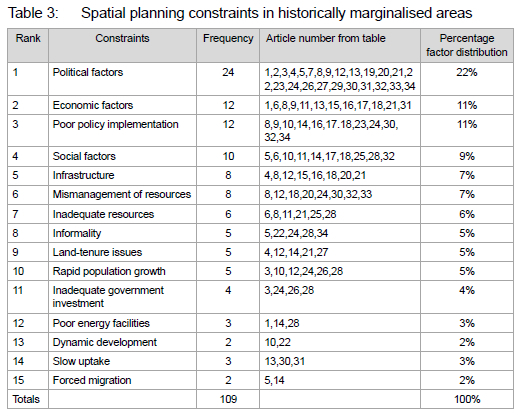
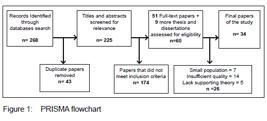
Historically marginalised areas such as South African homelands experienced systemic disadvantages over time due to various factors. Several studies relating to spatial planning constraints in historically marginalised areas have been conducted worldwide. However, to date, no integrative review has been conducted to synthesise the evidence of spatial planning constraints that hinder proper planning in historically marginalised areas to achieve sustainable development. Following a systematic approach to gather and evaluate relevant literature and adhering to the guidelines of the Preferred Reporting Items for Systematic Reviews and Meta-Analyses (PRISMA), to ensure a transparent report on the purpose, methodology, and findings, this study identifies spatial planning constraints that hamper the planning of historically marginalised areas. Data was collected from different databases with only English language articles published between 2010 and 2023 being selected for the study. After sequentially narrowing the search and removing duplicates, 60 relevant papers remained, out of which 34 fulfilled the stated criteria of constituting spatial planning constraints in historically marginalised areas. Thematic analysis of the findings revealed a range of political, economic, social, governance, and public administration factors that constrain spatial planning of historically marginalised areas. These include poor policy implementation, inadequate infrastructure, resource mismanagement and inadequacy, land-tenure complexities, informality, rapid urban growth, inadequate government investment, poor energy facilities, evolving development, slow uptake, and locational factors. The study is relevant particularly to policymakers in devising strategies towards crafting targeted spatial planning implementation frameworks for historically marginalised areas.
Historically marginalised areas; land-use planning; marginalised communities; spatial planning constraints; South African homelands; sustainable development
 Thumbnail