The underbelly of the Berea: Challenges to orthodox planning for the creation of sustainable suburban neighbourhoods in South Africa
Abstract
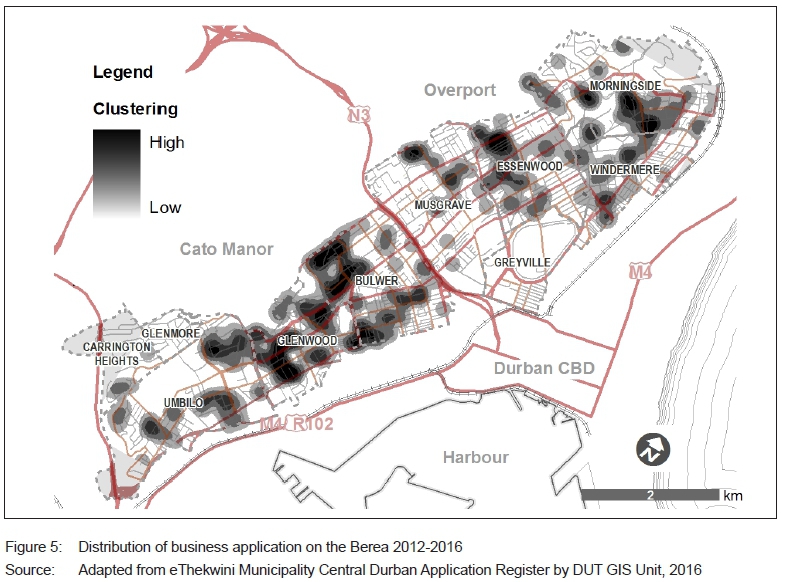
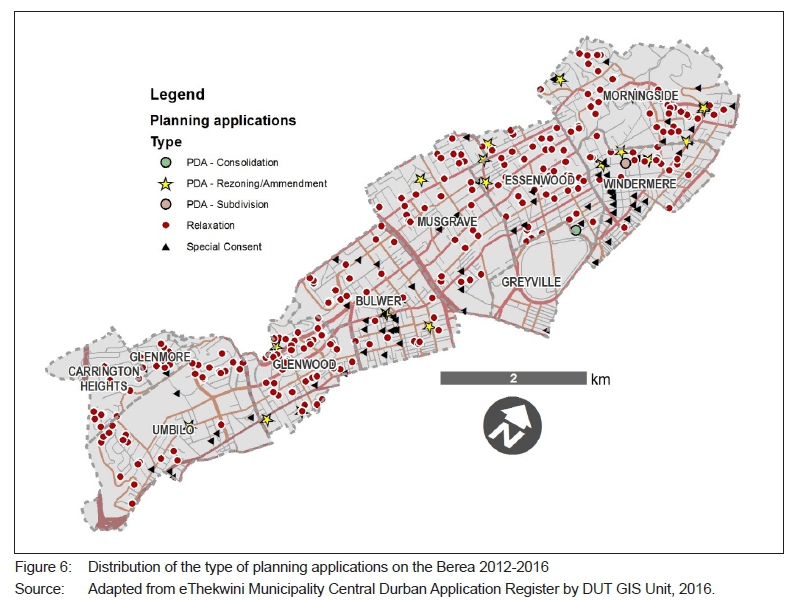
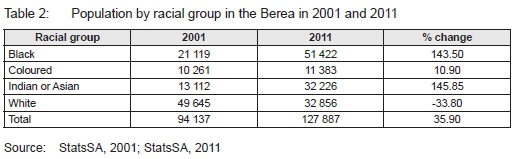
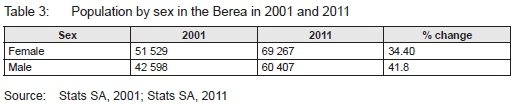
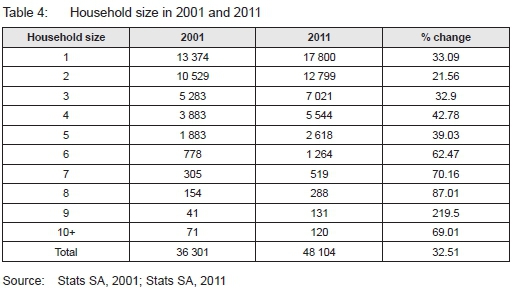
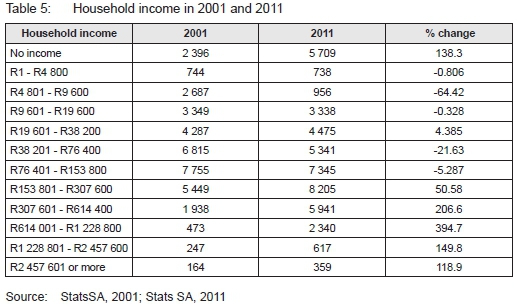
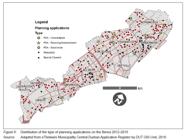
Sustainable neighbourhood development is a global urban planning policy concern for the 21st century. In the global South, these concerns persist alongside increasing population and poverty levels in cities. In South Africa's established former apartheid neighbourhoods, the challenges of creating sustainable neighbourhoods from the current post-colonial neighbourhood are unclear and contradictory. Former largely mono-functional suburban neighbourhoods of the apartheid period are undergoing changes in form, function and demography. Using the case of Berea suburban neighbourhood in the metropolitan city of eThekwini (Durban), the article explores the responsiveness of orthodox land-use planning to sustainable neighbourhood change from 1994. It focuses on a historical review of orthodox planning vis-â-vis recent policy and land-use change dynamics in the Berea. Data used include a content analysis of the Berea General Plans from 1857, Town Planning Schemes and related documents, purposively selected interviews, observations, GIS mapping of planning applications, and analysis based on South African demographic census data from 2001 to 2011. The article concludes that former largely mono-functional orthodox suburban neighbourhood planning is insufficiently responsive to heterogeneity trends on the Berea.
Informality; neighbourhood change; orthodox planning; planning policy; physical form and function; sustainable neighbourhood planning
 Thumbnail
 Thumbnail
 Thumbnail
 Thumbnail
 Thumbnail
 Thumbnail