Place attachment and participation in community-driven development in Gauteng province, South Africa
Abstract
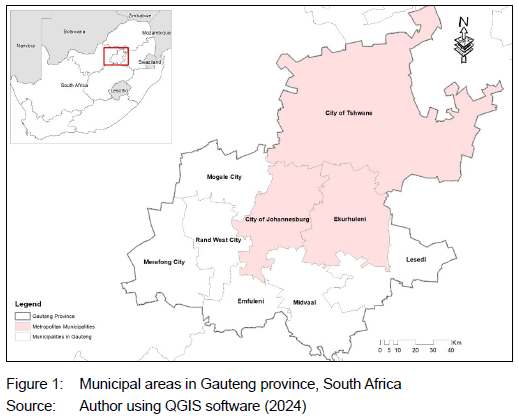
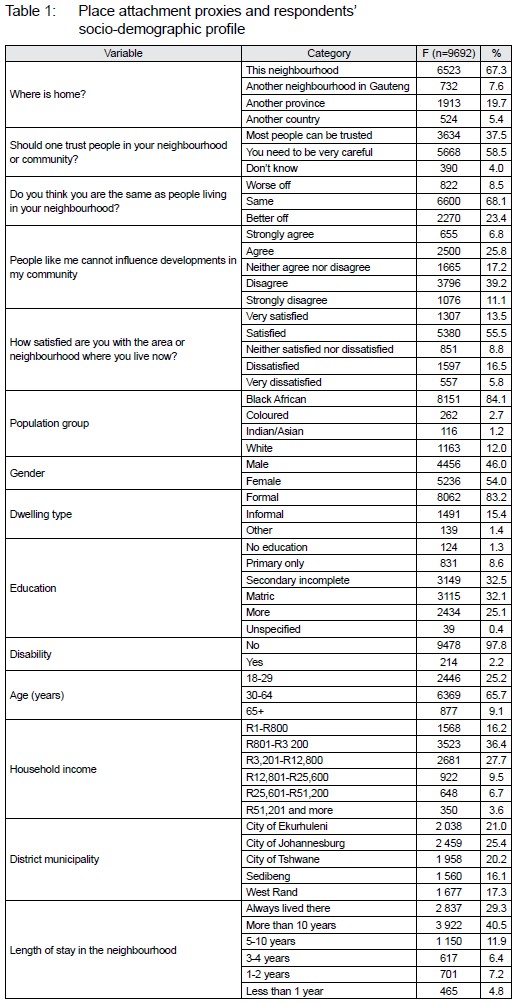
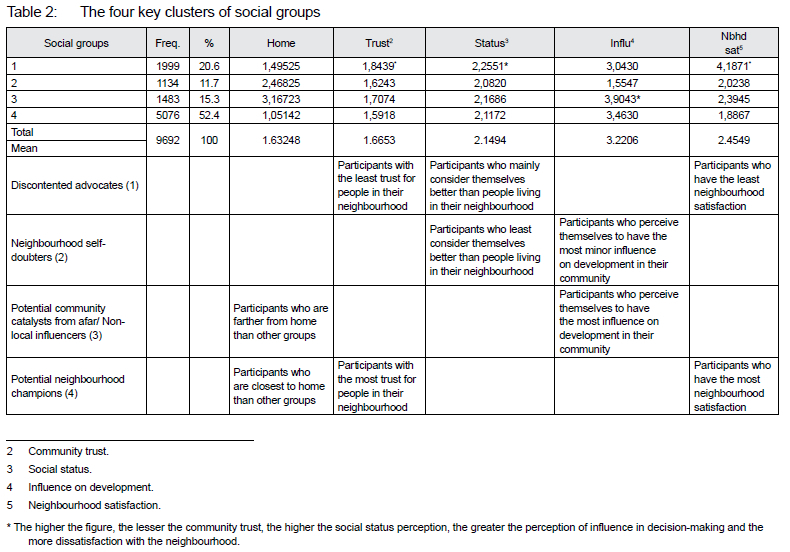
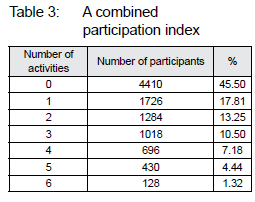
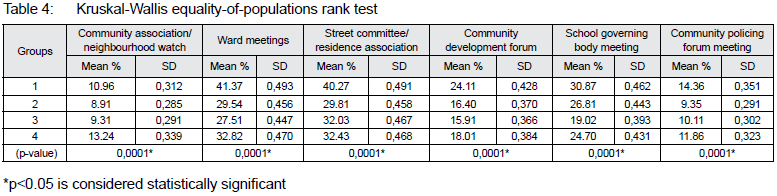
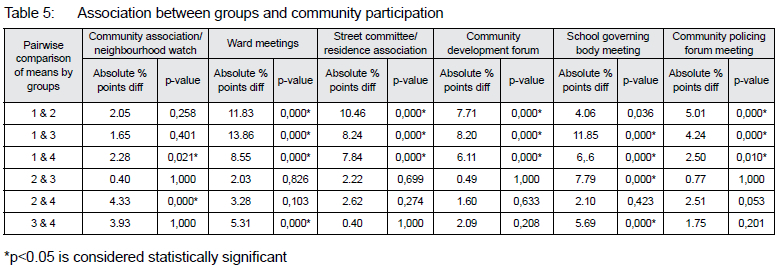
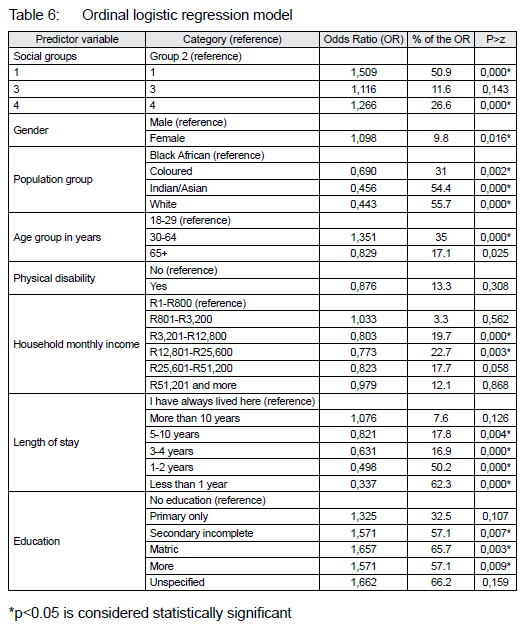
As the world faces unprecedented social, economic, and environmental issues, there is a greater emphasis on participation in community-driven solutions to foster sustainable and inclusive development. More local urban planning studies need to demonstrate the nexus between peoples' emotional bond with a place - place attachment, and participation in community-driven development initiatives. This article aims to add to the body of knowledge in the broad field of environmental design, where the concept of place attachment influences the design of urban spaces. The article explores the nexus between place attachment and community participation in community-driven programmes in Gauteng province, South Africa. This article adopts a quantitative approach and uses the Gauteng City-Region Observatory's Quality of Life (QoL) survey data. The study uses K-means clustering and ordered logistic regression models as the primary data-analysis methods. Four social clusters were identified based on place attachment, participation in community initiatives was evaluated, and a combined participation index was calculated. The identified clusters, namely the discontented advocates, neighbourhood self-doubters, potential community catalysts from afar or non-local influencers and potential neighbourhood champions had different levels of participation in community-driven initiatives. Cluster 'Discontented advocates' is more likely to participate in community development programmes than the cluster 'Neighbourhood self-doubters'. The developed combined participation index shows that nearly half (45.5%) of the residents in Gauteng province have never participated in community-driven development initiatives. The study recommends that various stakeholders should engage in inclusive and robust participatory planning procedures, and experiment with the implementation of universal design features that ensure equitable access to urban amenities, inclusion, and cultural sensitivity. These practical measures foster a sense of identity, place dependence, and social bonding, which are the important dimensions of place attachment that positively influence community-driven development and meet the overall goals of social justice and societal well-being.
Community-driven development; participation; place attachment; Gauteng province
 Thumbnail