Provincial inequalities in Iran: A comprehensive planning model for budget allocation
Abstract
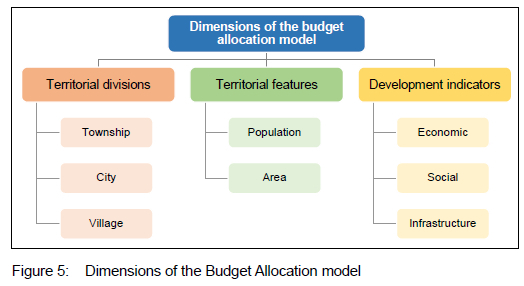
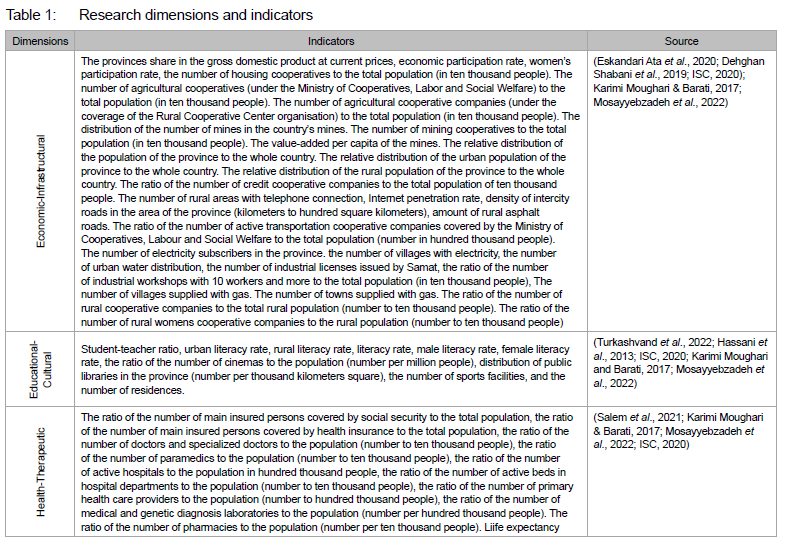
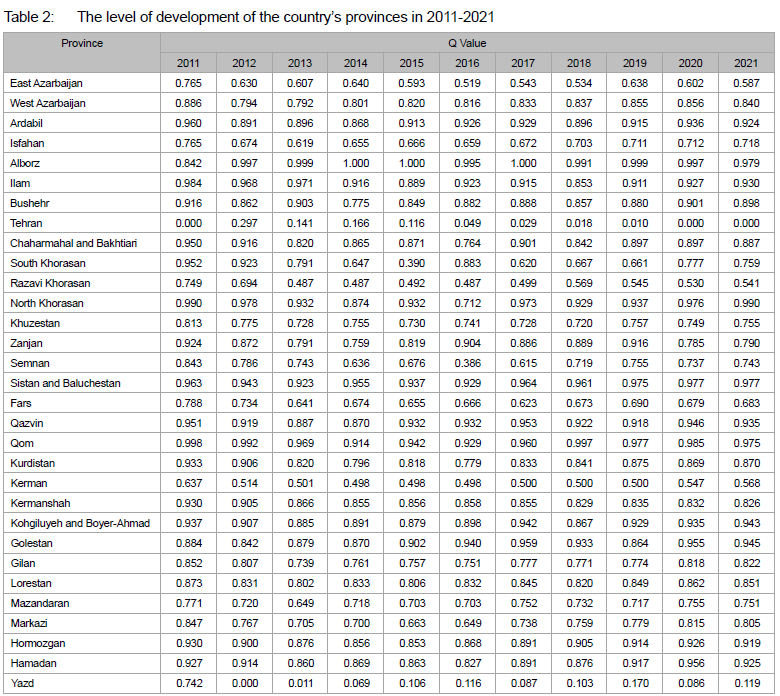
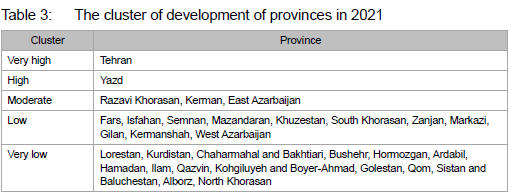
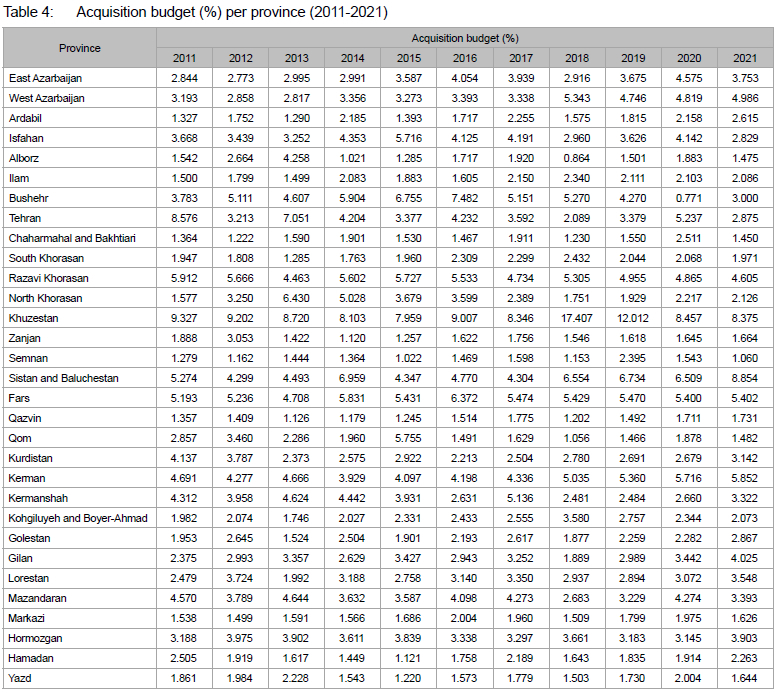
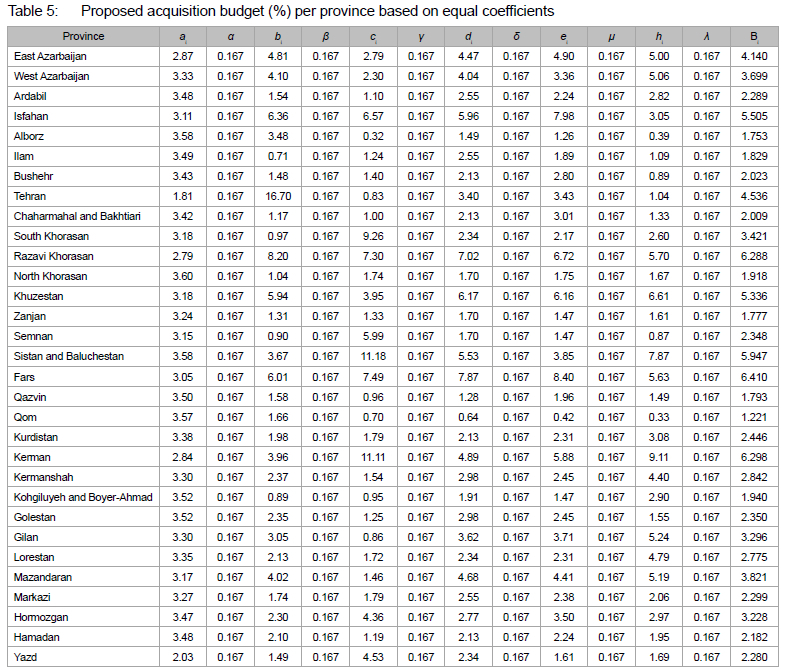
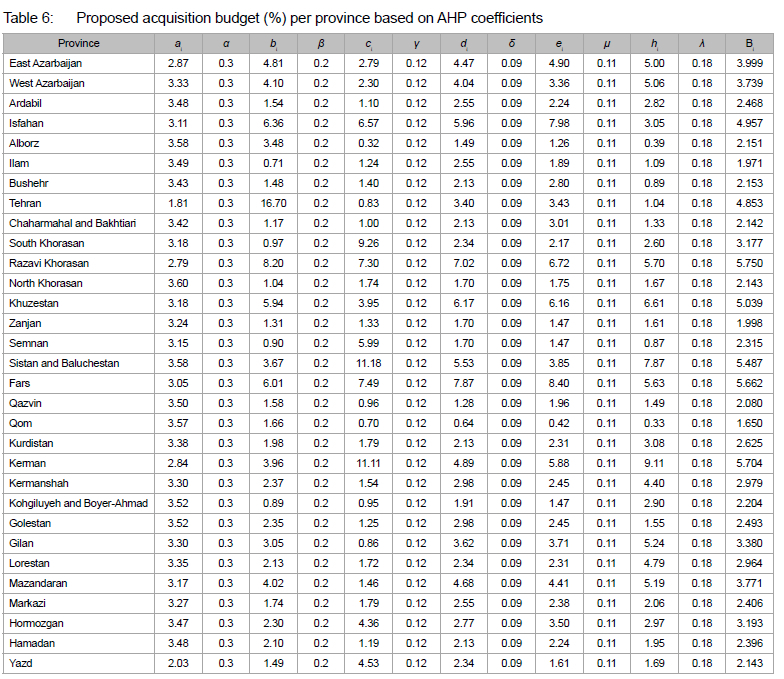
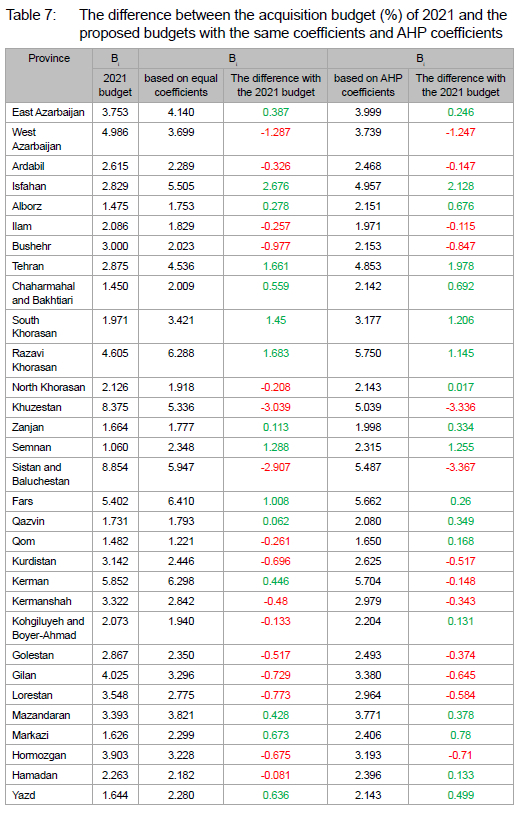
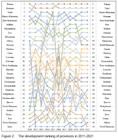
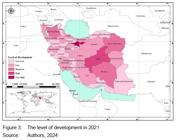
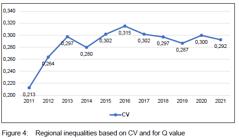
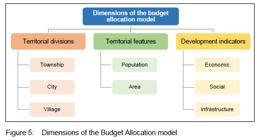
Although regional disparities were declining in Iran between 2001-2013, the provincial allocation of budgetary resources in Iran is not done fairly. The absence of a clear model for optimal budget distribution hinders achieving regional balance between Iran's provinces. Making use of applied research, this study identified 47 development indicators in 3 main development dimensions (economic-infrastructural, educational-cultural, and health-therapeutic) as the indictors to assess the characteristics of each province (level of development) to identify provincial inequalities of development in Iran. Descriptive analysis and the VIKOR model were used for the provincial development ranking in Iran during the years 2011 to 2021. Using comparative analysis, the K-means clustering method, the CV method, and GIS were used for calculating and mapping provincial inequalities. The results revealed severe inequalities among provinces. Tehran and Yazd provinces have had the highest development levels. CV calculations of the provincial indicators based on two scenarios (equal coefficients and AHP coefficients) showed that a budgetary resource distribution model that provides the percentage of budget allocation, by taking into account the territorial divisions, features, and sustainable development indicators of each province, might reduce inter-provincial inequalities, and would help achieve sustainable and equitable development at the provincial level. This model uses a method that optimally allocates financial and budgetary resources based on the degree of development of the regions and environmental characteristics.
Provincial inequalities; regional inequalities; SDG-10; reduced inequalities; budget allocation model; Iran
 Thumbnail
 Thumbnail
 Thumbnail
 Thumbnail
 Thumbnail