Perceived influence of urban green infrastructure on quality of life in Lagos Metropolis, Nigeria
Abstract
Quality of life (QoL) in urban areas is closely linked to the availability and quality of green infrastructure (GI), which provides essential ecosystem services that enhance well-being. As cities worldwide strive for environmental sustainability, urban green infrastructure (UGI) has become a key strategy for mitigating environmental degradation and improving urban liveability. While research has established the benefits of UGI in both developed and developing contexts, hardly anything is known about how residents' perceptions of UGI quality influence their QoL, particularly in developing nations, including Nigeria. This study investigates how Lagos residents perceive the quality of existing UGI and its impact on their QoL. A survey of 1,560 residents, selected through multi-stage sampling, reveals that respondents generally view the current available UGI as insufficient relative to their expectations. Specifically, the inadequacy of well-maintained green spaces, limited leisure areas, and poorly equipped parks contribute to this negative perception. Findings from descriptive statistics and regression analysis highlight that well-equipped green spaces, urban parks, and relaxation areas are key determinants of QoL. This emphasises the need for targeted improvements in UGI to enhance urban living conditions not only in Lagos, but also in other developing cities facing similar challenges.
Ecosystem services; quality of life; residential neighbourhoods; sustainable development goals; urban green infrastructure
Abstract
Lewensgehalte (LWK) in stedelike gebiede hou nou verband met die beskikbaarheid en gehalte van groeninfrastruktuur (GI), wat noodsaaklike ekosisteemdienste verskaf wat welstand bevorder. Namate stede wêreldwyd strewe na omgewings-volhoubaarheid, het stedelike groeninfrastruktuur (SGI) 'n sleutelstrategie geword om omgewingsverval te verminder en stedelike leefbaarheid te verbeter. Alhoewel navorsing reeds die voordele van SGI in beide ontwikkelde en ontwikkelende kon-tekste bevestig het, is daar min bekend oor hoe inwoners se persepsies van SGI-gehalte hul LWK beïnvloed, veral in ontwikkelende lande soos Nigerië. Hierdie studie ondersoek hoe inwoners van Lagos die gehalte van bestaande SGI ervaar en die impak daarvan op hul LWK. 'n Opname onder 1,560 inwoners, gekies deur middel van veelvuldige steekproefmetode, toon dat respondente oor die algemeen die huidige beskikbare SGI as onvoldoende beskou relatief tot hul verwagtinge. Spesifiek dra die onvoldoende instandhouding van groen ruimtes, beperkte ontspanningsareas, en swak toegeruste parke by tot hierdie negatiewe persepsie. Bevindings uit beskrywende statistieke en regressie-analise beklemtoon dat goed toegeruste groen ruimtes, stadsparke en ontspanningsareas sleutelfaktore van LWK is. Dit beklemtoon die behoefte aan geteikende verbeterings in SGI om stedelike leefomstandighede te verbeter, nie net in Lagos nie, maar ook in ander ontwikkelende stede wat soortgelyke uitdagings ervaar.
Abstract
Boleng ba bophelo (QoL) libakeng tsa litoropo bo amahanngoa haholo le boteng le boleng ba meralo e metala (GI), e fanang ka litsebeletso tsa tikoloho tse hlokahalang tse ntlafatsang boiketlo. Ha litoropo lefatseng ka bophara li loanela botsitso ba tikoloho, meralo e metala ea litoropo (UGI) e fetohile leano le ka sehloohong la ho fokotsa senyehelo sa tikoloho le ho ntlafatsa bophelo litoro-pong. Le hoja lipatlisiso li se li bontšitse melemo ea UGI libakeng tse tsoetseng pele le tse ntseng li hola, ho ntse ho se na tsebo e lekaneng ka hore na maikutlo a baahi mabapi le boleng ba UGI a ama joang QoL ea bona, haholoholo linaheng tse ntseng li hola, ho akarelletsa le Nigeria. Thuto ena e hlahloba kamoo baahi ba Lagos ba bonang boleng ba UGI bo teng le kamoo bo amang QoL ea bona. Phuputso e entsoeng ho baahi ba 1,560, ba khethiloeng ka mokhoa oa mekhahlelo e mengata, e senola hore ka kakaretso, ba arabelitsoeng ba nka hore UGI e teng hajoale ha e fihlele litebello tsa bona. Haholo-holo, bofokoli ba libaka tse tala tse hlokomeloang hantle, khaello ea libaka tsa boikhathollo, le lirapeng tse sa nang lisebelisoa tse lekaneng li kenya letsoho maikutlo ana a mabe. Liphetho tse tsoang lipalo-palong tse hlalosang le tlhahlobo ea kgokahano li bontša hore libaka tse tala tse nang le lisebelisoa tse nepahetseng, lirapa tsa litoropo le libaka tsa phomolo ke lintlha tsa bohlokoa tse amang QoL. Sena se totobatsa tlhokahalo ea ntlafatso e lebisitsoeng ho UGI ho ntlafatsa maemo a bophelo litoropong - eseng feela Lagos empa le metse e meng e ntseng e hola e tobaneng le mathata a tšoanang.
1. INTRODUCTION
The rapid advancement of urbanisation has led to a significant reduction in natural landscapes and the emergence of persistent environmental challenges. Among these, the ongoing decline of forested areas in cities stands out as a critical issue. Urbanisation has contributed to widespread ecosystem destruction, diminishing both the quality and quantity of Urban Green Infrastructure (UGI) and accelerating biodiversity loss in urban settings (UN-Habitat, 2014; Oyeleye, 2021: 163; Banda, Musvoto & Gumbo, 2024: 118; Herath & Bai, 2024: 1040). As a result, the deterioration of the urban ecological landscape has become more pronounced, exacerbating the vulnerability of urban residents to declining environmental quality. A key consequence of this transformation is the depletion of green spaces, which negatively affects the quality of life (QoL) of city dwellers (Nasution & Zahrah, 2014: 587; Lapointe, Gurney & Cumming, 2020; Dipeolu & Ibem, 2020: 52).
The continuous depletion of green spaces has significantly disrupted neighbourhood ecosystems, threatened biodiversity, and diminished the natural environment's role in promoting public health, well-being, and overall urban QoL (Miller, 2016: 286; Zuniga-Tera et al., 2020: 712). This degradation further undermines the liveability of urban areas (Forouhar & Forouhar, 2020), highlighting the urgent need for more green spaces within city centres. In response, researchers (Nazir, Othman & Nawawi, 2014: 386; Dipeolu et al., 2021; Zlender, 2024: 169) have advocated for the strategic design of UGI as a crucial intervention. UGI not only mitigates environmental depletion, but also fosters human-nature connections, enhances QoL, and contributes to the creation of more resilient and sustainable urban neighbourhoods.
QoL is broadly understood as an individual's overall contentment with life, encompassing access to amenities and basic human needs essential for comfortable urban living (Schumaker, Anderson & Czajcowski, 1990; Eiser, 2004). Given the continuous population increase and escalating resource exploitation in cities, assessing QoL has become crucial in addressing urban challenges (Nazir et al., 2014:386; Forouhar & Forouhar, 2020). Urban planners and policymakers often rely on insights from research on UGI to develop strategies aimed at enhancing QoL (Nazir et al., 2014: 386; Szczepańska & Wasilewicz-Pszczółkowska, 2018: 472). Beyond immediate urban management benefits, such studies contribute to a deeper understanding of sustainability cultures, enabling the design of adaptable urban environments that promote well-being.
The sustained global interest in QoL research stems from its wide-ranging implications for various stakeholders, including residents, researchers, policymakers, non-governmental organisations (NGOs), and urban planners. Literature suggests two primary reasons for this focus. First, QoL profoundly influences environmental attitudes and values (Yapici et al., 2017), public health (Van Den Berg et al., 2015), resident well-being (Dipeolu et al., 2021), and satisfaction with the residential environment (Ibem & Amole, 2013). Secondly, QoL plays a vital role in shaping individuals' mental capacity, sense of community, social relationships, work performance, financial stability, and overall developmental growth (Nazir et al., 2014; Ganugi & Prandini, 2023). Ultimately, the increasing attention to QoL research emphasises its relevance to how people interact, develop, and contribute to economic stability, social cohesion, and sustainable urban development.
The review of literature on Green Infrastructure (GI) shows that it encompasses a planned network of natural, semi-natural and artificial landscapes, features and green spaces such as parks, gardens, woodlands, street and square trees, lawns, and other kinds of vegetation in rural and urban areas (Dipeolu & Ibem, 2020: 278; Venter, Krog & Barton, 2020: 3; Breed et al., 2023; Herath & Bai, 2024: 1040). These green elements contribute ecological, health-related, and socio-economic benefits, significantly improving resilience within urban environments (Suppakittpaisarn et al., 2018; Dipeolu & Ibem, 2020: 278; Venter etal., 2020: 3; Zuniga-Tera et al., 2020: 712). Specifically, UGI helps mitigate urban heat island effects (Venter et al., 2020: 3; Herath & Bai, 2024: 1040), manage stormwater (Zuniga-Tera et al., 2020: 712), reduce pollution (Conedera et al., 2015: 144; Kozamernik, Rakuša & Nikšič, 2020: 90), and improve air quality (Zlender, 2024: 169). As cities continue to expand, integrating GI effectively into urban planning becomes imperative for ensuring environmental sustainability and improved living conditions.
Recently, Lagos State intensified efforts to enhance environmental quality through green initiatives, with particular emphasis on the Lagos State Parks and Gardens Agency (LASPARK). Established in 2011, LASPARK aims to expand and maintain UGI to transform the city's landscape. While some residents commend government initiatives for increasing recreational spaces, others criticise the restriction of commercial activities in the UGI sites. In addition, concerns persist regarding the unequal distribution of UGI across neighbourhoods (Dipeolu, 2017: 78). Previous studies (Conedera et al., 2015: 141; Shekhara, Schmidt & Wehling, 2019: 67; Koko & Bello, 2023: 177) indicate that these contrasting perceptions can significantly influence individuals' QoL, thereby highlighting the need for a nuanced understanding of UGI's impact on urban life in Lagos.
To address this identified deficiency, the present study explores the relationship between UGI and QoL in Lagos. It investigates residents' perceptions of UGI quality and assesses how these perceptions influence QoL. By identifying specific UGI attributes that contribute most significantly to residents' well-being, this study provides valuable policy recommendations for urban planners and city managers. The findings aim to guide the development of inclusive and sustainable green spaces that enhance both environmental satisfaction and overall QoL in urban areas.
2.1 Quality of life in the built environment
The concept of quality of life (QoL) has gained significant attention in urban and environmental studies, particularly within the context of the built environment. It represents the general well-being of individuals and communities, encompassing physical health, psychological well-being, social connectedness, and access to resources (Nazir et al., 2014: 385). The built environment, comprising infrastructure, buildings, public spaces, and transportation systems, among others, plays a pivotal role in shaping these facets of QoL (Bonaiuto, Fornara & Bonnes 2020: 236). QoL is extensively employed in various contexts to characterise the overall well-being of societies or individuals. It is defined as an individual's holistic contentment with life (Schumaker et al., 1990). According to the WHO-QOL Group (Marsella, Levi & Ekblad, 1997), QoL is an individual's subjective perception of his/her standing in life, taking into consideration the cultural and value systems of his/her milieu, as well as his/her personal aspirations, expectations, and apprehensions. Miller (2016: 286) defines QoL as the overall living conditions that influence one's sense of fulfilment and satisfaction in a particular place and time, particularly in relation to the surrounding environment. It encompasses expectations regarding the surrounding space, including the opportunities for engaging with the natural environment near one's place of residence.
Research in urban studies has increasingly emphasised the importance of green spaces, walkability, and air quality in promoting healthy lifestyles, noting that well-designed built environment directly influences physical and mental health outcomes. According to Zuniga-Teran et al. (2020: 712), urban greenery and parks contribute to reduced stress levels, lower cardiovascular risks, and improved mental well-being. Moreover, neighbourhoods designed with pedestrian-friendly infrastructure encourage physical activity, which is essential for combating obesity and related diseases (Giles-Corti, Lowe & Arundel, 2022: 15). Conversely, poorly designed environments such as areas with high levels of noise pollution, limited green spaces, and inadequate housing conditions, can exacerbate health issues. For instance, Fang and Chen (2023: 148) found that individuals living in densely populated urban areas with minimal green spaces reported higher levels of anxiety and depression compared to those in more balanced environments.
Studies (Schumaker et al., 1990; Macku et al., 2020: 321) have validated two fundamental evaluation methodologies in QoL research, namely subjective and objective approach. The subjective approach centres on perceptions, emotions, mental states, and opinions of individuals or groups under scrutiny, whereas the objective approach evaluates QoL through a myriad of quantifiable or observable parameters in the individual and environmental dimensions. The subjective approach is underpinned by specific criteria aimed at gauging individual contentment vis-à-vis their sentiments about life concerning their anticipated life standards. Typically, subjective criteria are elicited through surveys employing a scale that delineates the extent of concurrence with each query (Kahneman & Krueger, 2006; Macku et al., 2020: 321). Conversely, objective indicators delineate the state of the environment and society, elucidating the potential for individuals to lead fulfilling lives. This methodology hinges on indicators grounded in objective, numerical data gathered during statistical surveys or extrapolated from other socio-economic or spatial data sets. The primary strength of this category of indicators lies in the fact that the indicators are more precisely defined and easier to define, communicate, and discern, and therefore capture (for research). The present study was carried out following the objective approach of measuring the QoL of urban residents.
2.2 Quality of life and the Sustainable Development Goal agenda
QoL and the Sustainable Development Goals (SDGs) are deeply interconnected, with the SDG agenda, providing a comprehensive framework aimed at enhancing global QoL. The SDGs, which were endorsed by the United Nations in 2015, encompass 17 goals that target various dimensions of sustainable development, encompassing issues such as poverty, education, hunger, gender equality, health, clean water and sanitation, and more (Agyemang, 2024: 21; UN, 2018). The SDGs serve as a comprehensive framework for enhancing QoL, by addressing key aspects of human well-being, social equity, and environmental sustainability. Several SDGs directly influence QoL, by supporting access to essential services, improving living conditions, and promoting inclusive development. For instance, SDG 3 (Good Health and Well-being) aims to ensure healthy lives and promote well-being for all at all ages. Access to quality healthcare services, essential medicines, and vaccines plays a crucial role in improving health outcomes, ultimately enhancing QoL. Research indicates that advancements in healthcare systems contribute significantly to increased life expectancy and reduced mortality rates (Sachs, Layard & Helliwell, 2019).
Similarly, SDG 4 (Quality Education) supports personal development, economic growth, and social cohesion, by equipping individuals with knowledge and skills that improve their living standards. Studies highlight a strong correlation between higher education levels and improved health outcomes, economic stability, and social mobility (Cutler & Lleras-Muney, 2010; OECD, 2021: 15), all of which are integral to an enhanced QoL.
SDG 11 (Sustainable Cities and Communities) emphasises the impact of urbanisation on QoL, addressing challenges such as inadequate housing, pollution, and limited access to essential services. This goal advocates for the development of inclusive, safe, resilient, and sustainable cities. One effective approach is the implementation of UGI, which has been shown to improve air quality, mitigate urban heat islands, and provide recreational spaces, thereby contributing to better urban living conditions (Gupta & Degbelo, 2023). UGI, including gardens and communal forests, offers spaces for physical activity, leisure, and relaxation, all of which are vital for mental and physical well-being. Empirical studies (Van den Berg et al., 2015; Dipeolu et al., 2021) confirm that access to UGI significantly reduces stress levels, enhances mental health, and lowers the prevalence of various diseases. Thus, the integration of sustainable development initiatives, particularly in healthcare, education, and urban planning, plays a critical role in shaping QoL. The interconnectedness of these SDGs highlights the importance of a holistic approach in achieving long-term well-being and environmental sustainability.
In addition, SDG 11 aligns closely with the objectives of this study. The goal aims to enhance the comfort, sustainability, and habitability of cities and neighbourhoods for both present and future generations, ensuring a high QoL for residents. A crucial factor influencing QoL is residents' perception of green spaces and other urban amenities that contribute to their well-being (Nazir et al., 2014; Szczepańska & Wasilewicz-Pszczółkowska, 2018). Achieving this goal would significantly improve urban living conditions, by supporting healthier, more liveable environments. Therefore, this study, conducted in Lagos State, will contribute to assessing the state's progress toward global SDG targets, offering insights into sustainable urban development and its impact on residents' QoL.
2.3 Urban Green Infrastructure Strategies and Quality of Life in the built environment
UGI consists of a planned and managed interconnected network of green spaces, water bodies, horticulture, reserved areas, and other natural or semi-natural facilities capable of reconnecting fragmented areas to create a conducive and habitable environment. These typically encompass gardens, parks, trees, flowers, shrubs, conservation lands, open spaces, city farms, community forests, and other areas that uphold and sustain natural ecological processes, thus enhancing the health and QoL of individuals (Dipeolu & Ibem, 2022: 85; Zuniga-Teran et al., 2020: 712; Breed, Engemann & Pasgaard, 2024: 897).
Primarily, GI functions can be traced back to two core principles: the integration of green spaces in the built environment for human welfare, and the connection and preservation of natural areas to promote biodiversity and combat habitat fragmentation. To achieve this purpose effectively, UGI uses approaches such as landscape connectivity, ecological networks, and biodiversity conservation, among others (Kozamernik et al., 2020: 90; Lapointe et al., 2020). The presence of UGI in the built environment has been reported in literature to come with diverse benefits include, among others, encouragement of social activities and community engagements (Dipeolu et al., 2020:61; Cooper, Fone & Chiaradia, 2014; Dipeolu, Taiwo & Adebara, 2024: 141), supporting participation in physical activities in the community parks, gardens and within available street trees and community forests (Larson et al., 2015), reducing urban-heat island effect, by regulating the microclimate of environments through shades of various deciduous trees and cooling the area (Suppakittpaisarn et al., 2018). These UGI facilities, when appropriately installed in urban settings, have the potential to promote good social connectivity, biodiversity restoration, and thriving environment for human-nature connectivity (Szczepańska & Wasilewicz-Pszczółkowska, 2018: 461; Zuniga-Teran et al., 2020: 712; Dipeolu et al., 2021: 6193).
Cities worldwide are increasingly integrating UGI into planning strategies to enhance the QoL for urban residents. Recognising the environmental, social, and economic benefits of UGI, many municipalities are developing evidence-based green infrastructure systems to address urban challenges and improve liveability. Singapore, for instance, is a leading example of biophilic urbanism, transitioning from a 'garden city' to a 'city in a garden' with landmark projects such as Gardens by the bay, which incorporate innovative nature-based solutions (Russo & Cirella, 2018). Recent studies by Tambin and Jeong-Hann (2024) further highlight Singapore's extensive integration of green spaces through initiatives such as park connectors, green roofs, and vertical gardens. Notably, the Bishan-Ang Mo Kio Park transformed a concrete canal into a naturalised river, improving biodiversity, air quality, and urban cooling, while providing recreational spaces that enhance overall well-being.
Similarly, Copenhagen has adopted UGI as a key strategy for stormwater management and public space enhancement. Research by Nordh and Olafsson (2021) notes that the city employs green roofs, permeable pavements, and multifunctional parks that double as water-retention basins during heavy rainfall. These features mitigate flooding, while offering much-needed green spaces that contribute to residents' physical and mental well-being. Portland, USA, has also been at the forefront of UGI implementation, particularly in stormwater management. Hansen et al. (2017) highlight the city's widespread use of green roofs, rain gardens, and bioswales to capture and filter stormwater, alleviating pressure on traditional drainage systems. These measures have not only improved water quality and reduced flooding, but also created vibrant green spaces that enhance community liveability.
While the adoption of UGI in cities across the developed world continues to advance, it is equally crucial to assess how cities in developing nations perceive and implement UGI to harness its benefits. Whether in high- or low-income urban settings, the advocacy for green infrastructure is based on its critical role in improving urban QoL. However, understanding the extent to which UGI enhances QoL and identifying the specific aspects of UGI that have the most substantia impact on urban residents remain key research areas of limited investigation. The present study aims to address this knowledge deficit, by examining UGI implementation in one of Africa's most densely populated states, providing insights into its role in shaping sustainable and liveable urban environments.
3. STUDY AREA
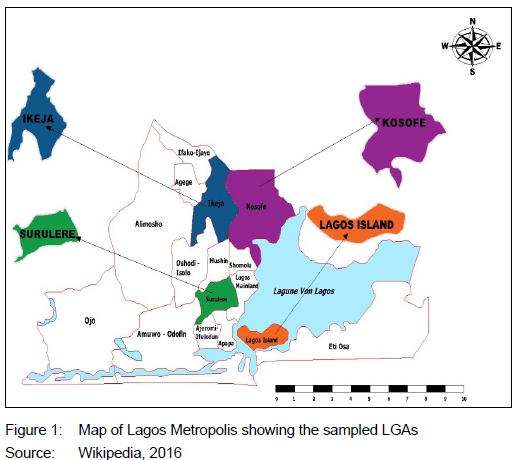
Lagos State, the focal point of this study, is situated approximately between longitude 20 421 E and 30 421 E and latitude 60 221 N and 60 521, with data for this study collected from four of the Local Government Areas (LGAs) in the metropolitan segment of the State (refer to Figure 1). According to the National Population Commission (NPC) (2009), the population of Lagos State was 9,113,605 in 2006. By 2013, the urban population had surpassed 13 million, with a population density of approximately 6,871 individuals per square kilometre (LSBS, 2015). Currently, Lagos ranks among the most urbanised cities in Africa (Osho & Ojumu, 2024: 174). In 2018, the city recorded a population density of 7,530 individuals per square kilometre and an urban population of 14.6 million, occupying an area of 1,943 square kilometres (Auwalu et al., 2021: 635). Administratively, Lagos comprises 20 Local Government Areas (LGAs), of which 16 are situated within the Lagos Metropolis, while the remaining four (Badagry, Epe, Ibeju/Lekki, and Ikorodu) are located in the suburban regions. The state's current estimated population is 21 million residents (NBS, 2023).
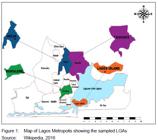
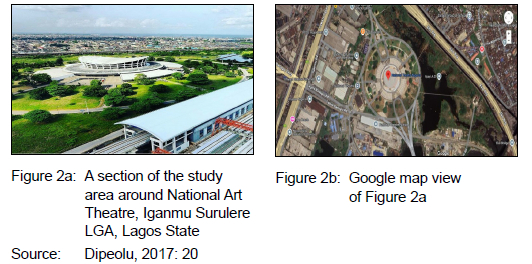
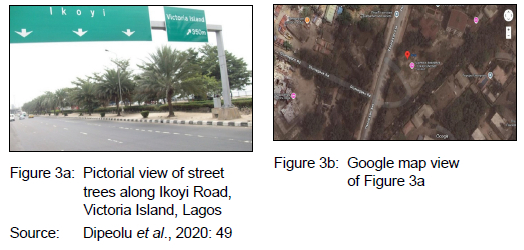
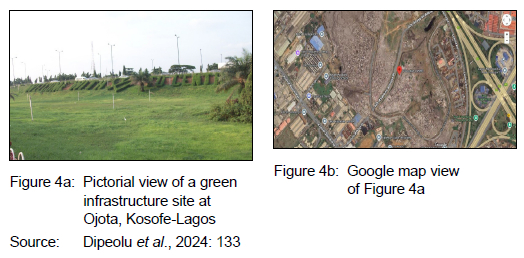
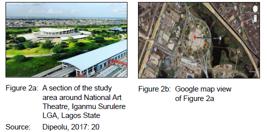
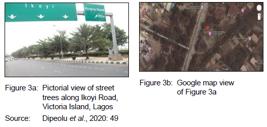
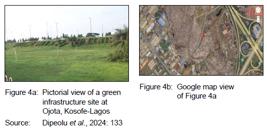
Lagos has recently experienced rapid urbanisation and a complex web of interconnected challenges. As the population grows, the initial forest covers have suffered rapid depletion as more lands are being cleared for various forms of urban developments. Realising the danger of continuous green spaces depletion, the Lagos State Government established the Lagos State Parks and Gardens Agency (LASPARK) in 2011 (Dipeolu, 2017: 78). The agency was created to expand access to UGI and provide nature-based solutions to environmental challenges. Since its creation, LASPARK has continued to provide various categories of UGI in the state and spread through the major focal points of the city (see Figures 2-4).
4. RESEARCH METHODS
4.1 Research design
This study used a quantitative research design to investigate the relationship between UGI and QoL in Lagos metropolis, Nigeria. A structured questionnaire survey allowed the study to generalise its findings from a sample population (Creswell & Creswell, 2018). It also allows for descriptive and inferential statistical data analysis (Cooper et al., 2014:4-5; Dipeolu et al., 2021) This study used descriptive analysis to measure the perceptions of respondents on the UGI attributes as well as the role of UGI in improving QoL. Inferential analysis was used to check for any significant relationships between the mean scores of UGI features and the mean score of QoL to understand the influence of UGI attributes on QoL in neighbourhoods in Lagos metropolis, Nigeria
4.2 Population, sample, and response rate
Ikeja, Lagos Island, Surulere, and Kosofe were the four LGAs from the Lagos metropolis, randomly selected for this study. An initial visit to the National Population Commission (NPC) office in Lagos produced Enumeration Areas (EAs) records and maps which indicated the existence of 17 EAs (Ikeja = 3 EAs, Lagos Island = 4 EAs, Surulere = 5 EAs, and Kosofe = 5 EAs) in the four selected LGAs.
The communities (EA) selected for the survey were randomly determined to enhance the diversity and representation of participants across all designated LGAs.
Consequently, participants were systematically chosen from these identified EAs, using a systematic sampling methodology. This process entailed the selection of the initial household at a specified point within an EA, followed by subsequent household selections according to a predetermined sampling interval (t) until the necessary sample size allocated to the EAs was achieved.
The distribution of questionnaires was performed manually, with each household head (adult representative of 18 years and above) receiving a questionnaire to be filled out in English. The study upheld the principle of voluntary participation, ensuring that there was an absence of any form of compulsion or coercion.
For the sample size (n), the formula suggested by Turner (2003) was applied:
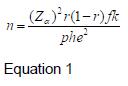
In this context, n represents the sample size, Zα denotes the critical value of the normal distribution at a 95% confidence level, quantified at 1.96, r signifies the estimated percentage of respondents (set at 50%), f equals 4 (design effect), k represents the percentage of non-responses (set at 20%), p is calculated as 0.03 x 18 = 0.54, and r also serves as the reference parameter. According to Turner (2003), the value of 0.03 corresponds to each year of age represented within the targeted population, while h signifies the average household size, which is generally accepted to be 6 in numerous developing nations, and e reflects the level of precision set at 5% of r. Therefore,
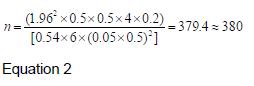
The computed value of 380 derived fom the sample size calculation indicated that, given the involvement of four LGAs in the survey, a minimum of 1,520 participants was necessary for the research across all four LGAs. Ultimately, a total of 1,640 questionnaires were distributed, with 1,560 (approximately 95.1%) being completed accurately by the respondents.
4.3 Data collection and analysis
The survey was conducted between March and August 2021 and specifically aimed at residents (and not visitors) residing within the selected neighbourhoods. This objective was realised by targeting weekends, which facilitated the engagement of many Lagos residents in their residential locales rather than in their workplaces. Eight trained research assistants traversed the selected neighbourhoods and administered a questionnaire to each consenting household head or adult representative encountered within the surveyed EA housing units. The semi-structured questionnaire was categorised into three sections. Section A was designed to collect socio-demographic information pertaining to the survey participants.
Section B comprised ten Likertscale items addressing the UGI features present within the four Lagos communities. These items were measured using Perceived Quality of Neighbourhood Green Infrastructure (PQNGI). This was derived through ten items, assessing individual perception of the quantity and quality of the neighbourhood green infrastructure, drawn from a set of perceived residential quality indicators (PRQI) developed by Bonaiuto, Fornara and Bonnes (2006). Section C included ten Likert-scale statements concerning the contribution of UGI in enhancing the QoL within the residential neighbourhoods. In this scale, QoL was quantified, using metrics adapted from previous research (Oktay & Rustemli, 2010; European Union, 2013; Shekhara et al., 2019).
Participants were asked to assess their level of agreement regarding the items and statements on a 5-point Likert-type scale, ranging from 1 = Strongly Disagree to 5 = Strongly Agree. Ethical approval for the study and the questionnaire was obtained from the ethics committee of the Lagos State Ministry of Environment. To ensure the validity of the research, a pilot study was conducted in an unselected LGA, and the insights garnered from this pilot were used to refine the questionnaire appropriately.
4.4 Data analysis
Descriptive statistical analysis and Categorical Regression (CATREG), derived from the Statistical Package for the Social Sciences (SPSS) Version 25, were employed to scrutinise the data set. Frequency distributions and percentage calculations were used to delineate the demographic profile of the respondents. The mean scores and standard deviations were computed and reported, in order to elucidate the findings pertaining to UGI attributes, as well as the contribution of UGI towards enhancing QoL. For interpretative clarity, the analytical framework proposed by Akpa and Bamgboye (2015) was employed to delineate the level of agreement among respondents, where MS < 3.0 signifies Disagreement, MS = 3.0 denotes Neutrality, and MS > 3.0 indicates Agreement. In conducting the regression analysis, the ordinal nature of the data set positioned CATREG an appropriate method to assess the variance elucidated by R2, and to ascertain and compare the relative impact of UGI on QoL within the sampled residents' neighbourhoods (Shrestha, 2009: 207). Within the context of the CATREG analysis, the mean score for QoL was designated as the dependent variable, while the mean scores for each of the ten items employed in evaluating UGI attributes within the neighbourhoods were classified as independent variables. For the present study, UGI attributes exhibiting p < .005 were found to exert a significant influence on QoL within the neighbourhoods. The reliability assessment from the Cronbach's alpha coefficient yielded values of 0.79 and 0.81, respectively, for the ten items used in evaluating UGI attributes and QoL. These values exceed the threshold of 0.6 established by prior research (George & Mallery, 2016: 121).
5. RESULTS
5.1 Participants' profile
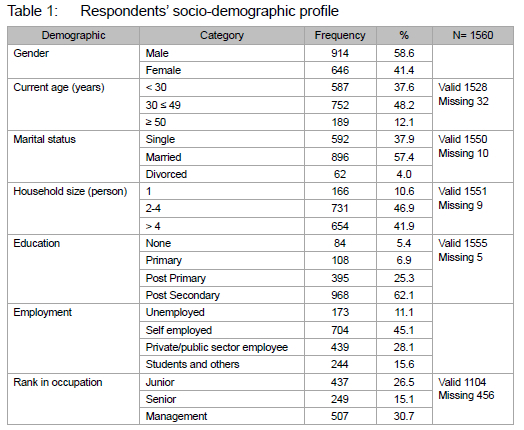
Table 1 presents the characteristics pertaining to the respondents' socio-demographic profile. Roughly half of the participants are male (58.6%), married (57.4%), and aged 30 years or older (48.2%). The findings also reveal that nearly 89% of the respondents belong to households comprising more than two individuals, and 94% possess a minimum of primary education.
A vast majority (73.1%) are employed either owning their own businesses (45.1%) or working in the private/public sector (28.1%), of which 30.7% are engaged in management positions within their respective organisations.
Although the findings cannot be generalised over the entire Lagos State, due to the survey's geographical focus of only four LGAs in Lagos metropolis, the findings still substantiate the assertion that the respondents engaged in this survey are, in fact, literate adult residents of the neighbourhoods being examined and possess the requisite qualifications to provide relevant information for the study.
5.2 Urban green infrastructure attributes
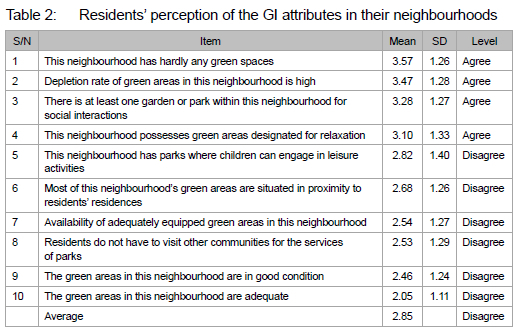
Table 2 summarises the descriptive analysis of the ten items used to assess urban UGI attributes within the study area. The overall mean score of 2.85 indicates that residents generally disagree with the adequacy and quality of UGI in their neighbourhoods. Despite acknowledging the existence of at least one garden or park for social activities, respondents expressed concerns about the limited availability, poor quality, and rapid depletion of green spaces in their communities. Specifically, residents disagreed with the following UGI attributes: the presence of parks where children may engage in leisure pursuits; the proximity of most of the green spaces to the residents' dwellings; the accessibility of adequately equipped green spaces within the neighbourhood; the necessity for them to travel to other neighbourhoods within the city to access park facilities, and that the green areas in their neighbourhoods are in good condition and adequate. It is essential to acknowledge that access to UGI goes beyond simple proximity and presence of green spaces. These issues point to a broader definition of access, which encompasses not only physical proximity, but also the functional, aesthetic, and maintenance aspects of UGI that impact residents' ability to fully engage with, and benefit from these spaces. These findings highlight significant deficiencies in the provision and management of UGI, emphasising the need for improved planning and maintenance to enhance residents' access to, and satisfaction with urban green spaces. Therefore, effective access to UGI should be viewed as a multifaceted concept that integrates both spatial proximity and the overall quality and functionality of green spaces in urban environments.
5.3 Role of urban green infrastructure in influencing quality of life among residents
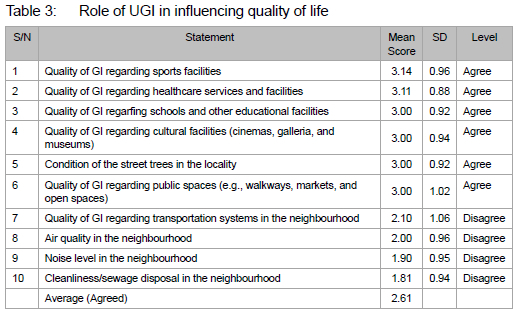
The study also evaluates the role of UGI in influencing residents' QoL within the neighbourhoods. In Table 3, the computed mean score of 2.61 indicates that six out of the ten QoL variables assessed received scores significantly above the average, suggesting that respondents generally recognise UGI as having a positive impact on their well-being. Among the identified benefits, the two most highly rated roles of UGI in enhancing QoL were quality of GI regarding sports facilities (MS = 3.14) and quality of GI regarding healthcare facilities and services (MS = 3.11). This result further shows that respondents identified that the presence of UGI regarding sports facilities, healthcare services, educational institutions, cultural amenities, as well as the street trees, open spaces, and pedestrian walkways positively impacted the QoL in their neighbourhoods. Conversely, they highlighted that such positive improvement has not been felt in the public transportation systems, air quality, noise levels, and cleanliness/sewage disposal in their neighbourhoods.
5.4 Influence of urban green infrastructure on quality of life in Lagos metropolis
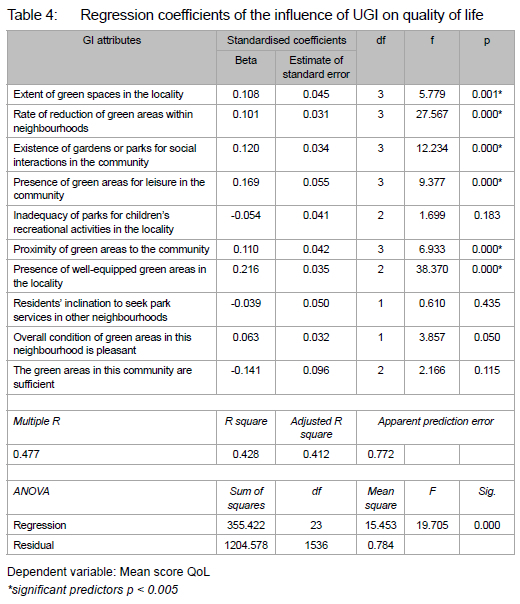
Table 4 presents the coefficients derived from the regression analysis examining the impact of UGI on QoL among residents in the selected neighbourhoods. The regression model yielded F (355.422, 1204.578) = 19.705, p < 0.000, with an value of 0.428. This indicates that the model employed in this study accounted for approximately 43% of the variance regarding the effect of UGI on QoL within the examined area. According to the p-values detailed in Table 4, it becomes apparent that out of the ten attributes of UGI assessed in this study, four UGI attributes, namely inadequacy of parks for children's recreational activities in the locality (p = 0.183), residents' inclination to seek park services in other neighbourhoods (p = 0.435), overall condition of green areas in the neighbourhood (p = 0.050), and sufficiency of green areas in the neighbourhoods (p = 0.115), did not emerge as statistically significant predictors of QoL in the study. This suggests that the remaining six features of green infrastructure exert a noticeable influence on QoL in the investigated area. Similarly, the β coefficients in the analysis show that three key UGI attributes have the strongest influence on residents' QoL in the study area. These are the presence of well-equipped green areas, (β = 0.216), the presence of green areas for leisure (β = 0.169), and access to park amenities (β = 0.120). In practical terms, this means that, for each standard unit increase in these attributes, the positive influence on residents' quality of life increases by 0.216, 0.169, and 0.120, respectively. These results highlight that, beyond simply having green spaces, their quality, functionality, and the availability of amenities play a crucial role in enhancing how people experience and benefit from their urban environment.
6. DISCUSSION
This research examined the impact of UGI on the self-perceived QoL among residents in Lagos metropolis, Nigeria. The analysis of the research inquiries led to the identification of three primary findings that warrant further exploration. Initially, concerning the residents' perceptions of the quality of UGI within the research area, the outcomes indicated that, while the residents acknowledged the presence of UGI elements such as parks and green spaces in their vicinity, they expressed dissatisfaction with the prevailing level of UGI, due to perceived inadequacies in both quantity and quality. The survey participants emphatically conveyed that the available UGI are insufficient, continuously diminishing, inadequately equipped, and in poor condition. These assertions imply that the ongoing initiatives by the Lagos State Government through the Lagos State Parks and Gardens Agency (LASPARK) for environmental greening of the city remain insufficient. Drawing from the literature evidence (Nazir et al., 2014: 391; Dipeolu & Ibem, 2020: 279; Venter et al., 2020: 7; Szczepańska & Wasilewicz-Pszczółkowska, 2018: 484) emphasising the pivotal roles played by UGI in enhancing QoL, the perceived lack in quality of UGI in the sampled residential neighbourhoods may impede residents from engaging in essential activities such as recreation, relaxation, and social interactions. Such a scenario could have adverse repercussions on their health, well-being, social connections, and other factors conducive to enhancing QoL within residential areas.
The outcomes of this investigation also highlight that, despite the overall poor quality of the existing UGI assets in their neighbourhoods, residents acknowledge the positive influence of these elements in supporting various aspects of QoL evaluated. Notably, the data presented in Table 3 demonstrate that six out of the ten indicators used to evaluate QoL attained a minimum mean score of 3.00, indicating residents' affirmation of the constructive role played by UGI in enhancing over half of the crucial components of QoL analysed in the study area. Particularly, the respondents commonly concurred that these components, including sports facilities (e.g., open fields and multipurpose sport halls), educational institutions, the condition of street trees, and public spaces (such as walkways and open spaces) contribute to enhancing QoL in the study area. These elements constitute vital aspects of UGI that facilitate positive social interactions, support a sense of community, and provide opportunities for communal engagements and mutual support, as evidenced in prior studies (Breed et al., 2023; Cooper et al., 2014; Breed et al., 2024: 904).
Moreover, the outcomes indicate that the inhabitants perceived healthcare services, environments, and cultural amenities (theatres, museums) as crucial communal resources that have positively impacted their QoL. In most of the neighbourhoods under examination, UGI such as grass areas, sports flelds, recreational spaces, and gardens were identified as complementary elements to these amenities, promoting a sense of tranquillity in their surroundings. The existence of UGI facilities also enhanced the functionality of the aforementioned items, demonstrating a strong correlation between UGI and public amenities that enhance urban living standards, as highlighted in previous studies (Nasution & Zahrah, 2014; Nazir et al., 2014: 392; Dipeolu et al., 2024: 140; Herath & Bai, 2024: 1059).
Regarding the significant components of UGI that influence the residents' QoL, findings from this study indicate that six out of the ten attributes of UGI analysed collectively impact the residents' QoL. Notably, the three characteristics with the greatest influence are the presence of well-equipped green spaces, green areas designated for leisure, and access to park services, respectively, while the depletion rate of green spaces in the neighbourhoods has the least impact. These results align with previous research (Nazir et al., 2014: 392; Szczepańska & Wasilewicz-Pszczółkowska, 2018: 484; Breed et al., 2023), emphasising the positive relationship between UGI and QoL in communities. Particularly, the prominence of well-equipped green spaces as the most influential feature on QoL among residents was not outrightly unexpected. The study by Suppakittpaisarn et al. (2018) stressed the importance of facilities and equipment in neighbourhood green spaces as a motivating factor for residents' preference for UGI. Particularly in the context of a developing world city, the importance of amenities and equipment in parks cannot be overemphasised, especially considering that many residents (both children and adults) may not have access to private green space (e.g., gardens, yards, or larger plots). For many, public parks may represent their only contact with nature, making these spaces critical not only for recreation, but also for supporting environmental awareness and promoting sustainable living. The availability of recreational equipment has a high likelihood of encouraging residents in such cities to use UGI sites, thereby contributing to their well-being and QoL.
Likewise, the availability of green areas for relaxation, as the next aspect that highly influences QoL in this study, is consistent with prior studies (Haase, Larondelle & Anderson, 2014: 430; Dipeolu & Ibem, 2022: 89), indicating that green infrastructure in urban areas consists of various components such as garden, street trees, green roofs, community forests, and water bodies that enhance opportunities for interaction and recreation in natural settings. Zuniga-Teran et al. (2020: 728) noted that these facilities encourage residents to engage in recreational activities, promoting well-being and satisfaction. Through participation in these activities, residents experience increased satisfaction with their QoL in their neighbourhoods, particularly due to the availability of facilities that help alleviate stress and prevent boredom.
Similarly, the emergence of access to park services within neighbourhoods, as the third most impactful aspect of UGI on the QoL of urban dwellers, as evidenced by this survey data, was indeed anticipated. As Haase et al. (2014: 430) suggest, access to park amenities and services can create a favourable setting for the connection between human beings and nature, a connection that is consistently sought after instead of the substantial reduction and disappearance of urban greenery. Access to park services, which could also signify sufficient accessibility to different categories of UGI sites, has been empirically linked to a positive impact on enhanced physical well-being and social cohesion (Nasution & Zahrah, 2014: 591; Haase et al., 2014: 430). The presence of these areas indicates that residents have suitable access to locations, where they can unwind at their convenience and interact freely with others in the vicinity. These aspects have all been highlighted in prior research as indicators of the QoL within neighbourhoods (Nazir et al., 2014: 392; Szczepańska & Wasilewicz-Pszczółkowska, 2018: 484). Arguably, the presence of, and access to these green spaces may eliminate the necessity for residents to venture beyond their immediate surroundings in search of places for recreational pursuits that contribute to physical health, well-being, and overall QoL, as they can engage in such activities right within their neighbourhoods. Generally, the findings from this study may appear fairly evident, particularly as they largely align with conclusions drawn from previous studies. However, it is important to recognise that what seems obvious or well-established to some may be entirely unfamiliar to others. There remain individuals encountering a study of this nature for the first time, and for them, these seemingly obvious findings may offer substantial insights and practical value.
7. CONCLUSION AND RECOMMENDATIONS
This research examined the impact of UGI on the perceived QoL among urban residents in Lagos metropolis, Nigeria. The conclusions drawn from this study, along with their implications, are delineated. Initially, it is deduced that the participants in the survey judged the current UGI provision in their neighbourhoods to be inadequate. In addition, despite the perceived inadequacy of the existing UGI, residents believed that UGI within their vicinity positively affects the vast majority of the key aspects of QoL evaluated in this research. Lastly, the primary three aspects of UGI that significantly influenced the QoL among residents in the study area were identified as the presence of well-equipped green spaces, the availability of green areas for relaxation, and the accessibility to park services. These outcomes suggest that inhabitants of the neighbourhoods under investigation encounter obstacles linked to low quality as well as insufficient UGI availability. Consequently, they appear to be deprived of the full advantages of UGI that were anticipated.
To address these issues, there is an urgent need for policy intervention to enhance both the quantity and quality of green infrastructure across the Lagos metropolis, particularly in underserved areas. To this end, several policy recommendations are proposed.
• Increase the quantity and quality of UGI across the state. To enhance the quantity and quality of UGI in Lagos State, the government should prioritise increasing the provision and equitable distribution of UGI facilities, particularly in underserved areas. Expanding the number of green spaces across the state will not only ensure a more balanced allocation of green infrastructure, but also improve environmental quality and residents' overall well-being. This initiative will support environmental sustainability and contribute to a higher QoL for all inhabitants of Lagos.
• Supply UGI sites with appropriate facilities. To strengthen UGI sites, the provision and maintenance of high-quality, well-equipped facilities should be prioritised, ensuring that they meet the needs of all demographics, including children, the elderly, and individuals with disabilities. Policies should mandate inclusive design standards for both existing and newly developed UGI sites such as parks and gardens to ensure equitable access for all individuals, supporting greater inclusivity and accessibility in public green spaces.
• Landscape of public buildings and spaces. Policy measures should mandate the integration of green landscaping in public buildings (e.g., theatres, museums, libraries, hospitals, and schools) and public streetscapes (e.g., pedestrian walkways, boulevards, and driveways). By incorporating well-maintained soft and hard landscape features, these spaces will offer greater access to UGI facilities, thereby enhancing the QoL for residents and visitors and promoting both environmental and social well-being.
• Promote green transport infrastructure. Policies should prioritise the development of green transport infrastructure, including dedicated bike lanes, pedestrian-friendly walkways, and tree-lined streets, to support sustainable urban mobility. Public transit systems should also incorporate environmentally friendly features such as solar-powered bus stops and eco-friendly transport hubs, particularly in major areas of Lagos State. This approach will encourage sustainable transport options and enhance the environmental quality of urban spaces.
In pursuing these policy recommendations, the state government through the ministry of environment should forge additional partnerships with other governmental bodies and NGOs, particularly those involved in environmental services, as well as engage with various stakeholders, including relevant public entities within the study region. Such endeavours will significantly contribute to enhancing the QoL in Lagos state and comparable environs.
The chosen research design in this study implies that there are limitations to the current research. Initially, due to the primary data-collection method being questionnaires, the results are constrained by the biases and moods of the participants during the survey and the way in which the survey questions were framed makes it slightly difficult for participants to separate perceptions of GI from the facilities with which they are associated. The survey's geographical scope is also confined to specific neighbourhoods within the four LGAs in Lagos metropolis. Consequently, the findings are not representative of the entire Lagos State. Hence, there is a necessity for future research to improve on the study methodology and encompass a broader range of neighbourhoods and additional LGAs.
To conclude, the regression model used in this study elucidated approximately 43% of the impact of UGI on QoL. This indicates that the remaining 57% of the influence is unaccounted for in this study. Furthermore, further research is imperative to identify the factors responsible for the remaining 57% of predictors of QoL in urban areas. Such investigations should encompass a more comprehensive range of variables to ensure more reliable outcomes. Overall, this study emphasises the need for targeted improvements in UGI and inclusive design standards for both existing and newly developed UGI sites, to enhance urban living conditions, not only in Lagos, but also in other developing cities facing similar challenges.
REFERENCES
2. LITERATURE REVIEW
-
AGYEMANG, F. 2024. The extent to which South Africa's legal and policy frameworks empower traditional leadership to contribute to achieving SDG 11. Town and Regional Planning, 85, pp. 19-36. https://doi.org/10.38140/trp.v85i.8528
» https://doi.org/10.38140/trp.v85i.8528 -
AKPA, O.M. & BAMGBOYE, E.A. 2015. Correlates of the quality of life of adolescents in families affected by HIV/AIDS in Benue State, Nigeria. Vulnerable Child Youth Studies, 10(3), pp. 225-242. https://doi.10.1080/17450128.2015.1066914
» https://doi.10.1080/17450128.2015.1066914 -
AUWALU, F.K., YUE, W., ABUBAKAR, G.A., HAMED, R. & NOMAN-ALABSI, A.A. 2021. Analyzing urban growth and land cover change scenario in Lagos, Nigeria using multi-temporal remote sensing data and GIS to mitigate flooding. Geomatics, Natural Hazards and Risk, 12(1), pp. 631-652. https://doi.org/10.1080/19475705.2021.1887940
» https://doi.org/10.1080/19475705.2021.1887940 -
BANDA, P., MUSVOTO, G. & GUMBO, T. 2024. Resilience of peri-urban wetland ecosystems: A case study of Nandoni, Limpopo province, South Africa. Town and Regional Planning, 85, pp. 117-134. https://doi.org/10.38140/trp.v85i.7964
» https://doi.org/10.38140/trp.v85i.7964 -
BONAIUTO, M., FORNARA, F. & BONNES, M. 2006. Perceived residential environment quality in middle- and low-extension Italian cities. Revue Européenne de Psychologie Appliquée, 56, pp. 23-34. https://doi.org/10.1016/j.erap.2005.02.011
» https://doi.org/10.1016/j.erap.2005.02.011 -
BONAIUTO, M., FORNARA, F. & BONNES, M. 2020. Perceived quality of the urban environment and health. Psychological Approaches to Sustainability, 23(3), pp. 234-256. https://doi.org/10.1016/j.jenvp.2020.1012
» https://doi.org/10.1016/j.jenvp.2020.1012 -
BREED, C.A., ENGEMANN, K. & PASGAARD, M. 2024. A transdisciplinary multi-scaled approach to engage with green infrastructure planning, restoration and use in subSaharan Africa. Urban Ecosystems, 27, pp. 895-907. https://doi.org/10.1007/s11252-023-01477-y
» https://doi.org/10.1007/s11252-023-01477-y -
BREED, C.A., DU PLESSIS, T., ENGEMANN, K., PAULEIT, S. & PASGAARD, M. 2023. Moving green infrastructure planning from theory to practice in sub-Saharan African cities requires collaborative operationalization. Urban Forestry & Urban Greening, 89, article 128085. https://doi.org/10.1016/j.ufug.2023.128085
» https://doi.org/10.1016/j.ufug.2023.128085 -
CONEDERA, M., DEL BIAGGIO, A., SEELAND, K., MORETTIA, M. & HOME, R. 2015. Residents' preferences and use of urban and peri-urban green spaces in a Swiss mountainous region of the Southern Alps. Urban Forestry & Urban Greening, 14, pp. 139-147. https://doi.org/10.1016/j.ufug.2015.01.003
» https://doi.org/10.1016/j.ufug.2015.01.003 -
COOPER, C.H.V., FONE, D.L. & CHIARADIA, A.J.F. 2014. Measuring the impact of spatial network layout on community social cohesion: A cross-sectional study. International Journal of Health Geographies, 13(11), pp. 1-14. http://www.ij-healthgeographics.com/content/13/1/11
» http://www.ij-healthgeographics.com/content/13/1/11 - CRESWELL, J.W. & CRESWELL, J.D. 2018. Research design: Qualitative, quantitative and mixed method approaches. 5th edition. London, UK: Sage.
-
CUTLER, D.M. & LLERAS-MUNEY, A. 2010. Understanding differences in health behaviours by education. Journal of Health Economics, 29(1), pp. 1-28. https://doi.org/10.1016/j.jhealeco.2009.10.003
» https://doi.org/10.1016/j.jhealeco.2009.10.003 - DIPEOLU, A.A. 2017. Impact of green infrastructure on environmental sustainability in selected neighbourhoods of Lagos metropolis, Nigeria. Unpublished PhD dissertation, Department of Architecture, Federal University of Technology, Akure, Nigeria.
-
DIPEOLU, A.A. & IBEM, E.O. 2020. Green infrastructure quality and environmental sustainability in residential neighbourhoods in Lagos, Nigeria, International Journal of Urban Sustainable Development, 12(3), pp. 267-282. https://doi.org/10.1016/B978-0-08-101132-4.00015-1
» https://doi.org/10.1016/B978-0-08-101132-4.00015-1 -
DIPEOLU, A.A. & IBEM, E.O. 2022. Influence of green infrastructure on residents' connectedness with nature in Lagos metropolis, Nigeria. Urbani Izziv, 33(1), pp. 82-92. https://doi.org/10.5379/urbani-izziv-en-2022-33-01-03
» https://doi.org/10.5379/urbani-izziv-en-2022-33-01-03 -
DIPEOLU, A.A., AKPA, O.M. & FADAMIRO, J.A. 2020. Mitigating environmental sustainability challenges and enhancing health in urban communities: The multifunctionality of green infrastructure. Journal of Contemporary Urban Affairs, 4(1), pp. 33-46. https://doi.org/10.25034/ijcua.2020.v4n1-4
» https://doi.org/10.25034/ijcua.2020.v4n1-4 -
DIPEOLU, A.A., TAIWO, A. & ADEBARA, T. 2024. Urban green infrastructure and social cohesion in Lagos metropolis, Nigeria. Acta Structilia, 31(2), pp. 123-149. https://doi.org/10.38140/as.v31i2.8516
» https://doi.org/10.38140/as.v31i2.8516 -
DIPEOLU, A.A., ALUKO, O.R., OMONIYI, S.S. & OYINLOYE, M.A. 2020. Assessment of residents' socio-demographic factors associated with visit to green infrastructure facilities in Lagos metropolis, Nigeria. International Journal of Built Environment and Sustainability, 7(2), pp. 45-55. https://doi.org/10.11113/ijbes.v7.n2.489.
» https://doi.org/10.11113/ijbes.v7.n2.489 -
DIPEOLU A.A., IBEM E.O., FADAMIRO, J.A. & FADAIRO, G. 2021. Factors influencing residents' attitudes toward urban green infrastructure in Lagos metropolis, Nigeria. Environment, Development and Sustainability, 23(4), pp. 6192-6214. https://doi.org/10.1007/s10668-020-00868-x
» https://doi.org/10.1007/s10668-020-00868-x -
EISER, C. 2004. Children with cancer: The quality of life. London, UK: Routledge. https://doi.org/10.4324/9781410609922
» https://doi.org/10.4324/9781410609922 - EU (EUROPEAN UNION). 2013. Quality of life in cities: Perception survey in 79 European cities. Luxembourg: Publications Office of the European Union.
-
FANG, M. & CHEN, Z. 2023. Urban density and mental health: Insights from a comparative study. Journal of Urban Health, 100(2), pp. 145-159. https://doi.org/10.1080/146780823.2023.12043
» https://doi.org/10.1080/146780823.2023.12043 -
FOROUHAR, N. & FOROUHAR, A. 2020. Quality of life in neighbourhoods undergoing renewal: Evidence from Mashhad, Iran. Urbani izziv, 31(2), pp. 101-113. https://doi.org/10.5379/urbani-izziv-en-2020-31-02-004
» https://doi.org/10.5379/urbani-izziv-en-2020-31-02-004 -
GANUGI, G. & PRANDINI, R. 2023. Fostering social cohesion at the neighbourhood scale: The role of two social streets in Ferrara and Verona. SN Social Sciences, 3(105), pp. 1-25. https://doi.org/10.1007/s43545-023-00688-6
» https://doi.org/10.1007/s43545-023-00688-6 - GEORGE, D. & MALLERY, P. 2016. IBM SPSS Statistics 23 step by step: A simple guide and reference. 14th edition. London, UK: Routledge.
-
GILES-CORTI, B., LOWE, M. & ARUNDEL, J. 2022. Creating healthy and sustainable cities: The role of urban design. Cities & Health, 6(1), pp. 13-23. https://doi.org/10.1080/24799162022.120567
» https://doi.org/10.1080/24799162022.120567 -
GUPTA, S. & DEGBELO, A. 2023. An empirical analysis of AI contributions to sustainable cities (SDG11). In: Mazzi, F. & Floridi, L. (Eds). The ethics of artificial intelligence for the Sustainable Development Goals (Philosophical Studies Series, 152). Switzerland: Springer, pp. 461-484. https://doi.org/10.1007/978-3-031-21147-8_25
» https://doi.org/10.1007/978-3-031-21147-8_25 -
HAASE, D., LARONDELLE, N. & ANDERSON, E. 2014. A quantitative review of urban ecosystem service: Assessment, concepts, models, and implementations. Ambio, 43, pp. 413-433. https://doi.org/10.1007/s13280-014-0504-0
» https://doi.org/10.1007/s13280-014-0504-0 -
HANSEN, R., RALL, E., CHAPMAN, E., ROLF, W. & PAULEIT, S. (Eds). 2017. Urban green infrastructure planning: A guide for practitioners. GREEN SURGE. [Online]. Available at: <http://greensurge.eu/working-packages/wp5/> [Accessed: 4 April 2024].
» http://greensurge.eu/working-packages/wp5/ -
HERATH, P. & BAI, X. 2024. Benefits and co-benefits of urban green infrastructure for sustainable cities: Six current and emerging themes. Sustainability Science, 19, pp. 1039-1063. https://doi.org/10.1007/s11625-024-01475-9
» https://doi.org/10.1007/s11625-024-01475-9 -
IBEM, E.O. & AMOLE, D. 2013. Residential satisfaction in public core housing in Abeokuta, Ogun State, Nigeria. Social Research Indicator, 113(1), pp. 563-581. https://doi.org/10.1007/s11205-012-0111-z
» https://doi.org/10.1007/s11205-012-0111-z -
KAHNEMAN, D. & KRUEGER, A.B. 2006. Developments in the measurement of subjective well-being. Journal of Economic Perspectives, 20, pp. 3-24. https://doi.org/10.1257/089533006776526030
» https://doi.org/10.1257/089533006776526030 -
KOKO, A.F. & BELLO, M. 2023. Exploring the contemporary challenges of urbanization and the role of sustainable urban development: A study of Lagos City, Nigeria. Journal of Contemporary Urban Affairs, 7(1), pp. 175-188. https://doi.org/10.25034/ijcua.2023.v7n1-12
» https://doi.org/10.25034/ijcua.2023.v7n1-12 -
KOZAMERNIK, J., RAKUSA, M. & NIKSIC, M. 2020. How green facades affect the perception of urban ambiences: Comparing Slovenia and The Netherlands. Urbani izziv, 31(2), pp. 88-100. https://doi.org/10.5379/urbani-izziv-en-2020-31-02-003
» https://doi.org/10.5379/urbani-izziv-en-2020-31-02-003 -
LAPOINTE, M., GURNEY, G.G. & CUMMING, G.S. 2020. Urbanization alters ecosystem service preferences in a small island developing state. Ecosystem Services, 43, article 101109. https://doi.org/10.1016/j.ecoser.2020.101109
» https://doi.org/10.1016/j.ecoser.2020.101109 -
LARSON, L.R., STEDMAN, R.C., COOPER, C.B. & DECKER, D.J. 2015. Understanding the multidimensional structure of pro-environmental behaviour. Journal of Environmental Psychology, 43, pp. 112-124. https://doi.org/10.1016/j.jenvp.2015.06.004
» https://doi.org/10.1016/j.jenvp.2015.06.004 -
LSBS (LAGOS STATE BUREAU OF STATISTICS). 2015. [Online]. Available at: <https://nairametrics.com/wp-content/uploads/2014/11/LAGOS-STATE-DEVELOPMENT-PLAN.pdf> [Accessed: 15 February 2024].
» https://nairametrics.com/wp-content/uploads/2014/11/LAGOS-STATE-DEVELOPMENT-PLAN.pdf -
MACKU, K., CAHA, J., PÁSZTO, V. & TU'CEK, P. 2020. Subjective or objective? How objective measure relates to subjective life satisfaction in Europe. International Journal of Geo-Information, 9, pp. 320-343. https://doi.org/10.3390/ijgi9050320
» https://doi.org/10.3390/ijgi9050320 -
MARSELLA, A.J., LEVI, L. & EKBLAD, S. 1997. The importance of including quality-of-life indices in international social and economic development activities. Applied and Preventive Psychology, 6(2), pp. 55-67. https://doi.org/10.1016/S0962-1849(05)80011-3
» https://doi.org/10.1016/S0962-1849(05)80011-3 -
MILLER, J.T. 2016. Is urban greening for everyone? Social inclusion and exclusion along the Gowanus Canal. Urban Forestry & Urban Greening, 19, pp. 285-294. https://doi.org/10.1016/j.ufug.2016.03.004
» https://doi.org/10.1016/j.ufug.2016.03.004 -
NASUTION, A.D. & ZAHRAH, W. 2014. Community perception on public open space and quality of life in Medan, Indonesia. Procedia - Social and Behavioral Sciences, 153, pp. 585-594. https://doi.org/10.1016/j.sbspro.2014.10.091
» https://doi.org/10.1016/j.sbspro.2014.10.091 -
NAZIR, N., OTHMAN, N. & NAWAWI, A. 2014. Green infrastructure and its roles in enhancing quality of life. Procedia - Social and Behavioral Sciences, 153, pp. 384-394. https://doi.org/10.1016/j.sbspro.2014.10.071
» https://doi.org/10.1016/j.sbspro.2014.10.071 -
NBS (NATIONAL BUREAU OF STATISTICS). 2023. Nigeria population and housing census 2023. Abuja, Nigeria: NBS. [Online]. Available at:https://nigerianstat.gov.ng/download/474 [Accessed: 4 October 2024].
» https://nigerianstat.gov.ng/download/474 -
NORDH, H. & OLAFSSON, A.S. 2021. Plans for urban green infrastructure in Scandinavia. Journal of Environmental Planning and Management, 64(5), pp. 1-22. https://doi.org/10.1080/09640568.2020.1787960
» https://doi.org/10.1080/09640568.2020.1787960 - NPC (NATIONAL POPULATION COMMISSION). 2009. 2006 population and housing census of the Federal Republic of Nigeria: priority tables. Auja, Nigeria: NPC.
-
OECD (ORGANISATION FOR ECONOMIC CO-OPERATION AND DEVELOPMENT). 2021. OECD indicators: Education at a glance report. Paris: OECD Publishing. https://doi.org/10.1787/b35a14e5-en
» https://doi.org/10.1787/b35a14e5-en - OKTAY, B.H. & RUSTEMLI, D.Y. 2010. Measuring the quality of urban life and neighbourhood satisfaction: Findings from Gazimagusa. International Journal of Social Sciences and Humanity Studies, 2(2), pp. 27-37.
-
OSHO, G.S. & OJUMU, O. 2024. A critical investigation of Lagos State socio-economic and economic challenges: Does urban growth policy matter in Nigeria? Journal of Applied Business and Economics, 26(2), pp. 173-183. https://doi.org/10.33423/jabe.v26i6
» https://doi.org/10.33423/jabe.v26i6 -
OYELEYE, O.A. 2021. Urbanization and its environmental challenges in Nigeria: A case study of Lagos metropolis. African Journal of Environmental Science and Technology, 15(5), pp. 160-168. https://doi.org/10.5897/AJEST2021.3057
» https://doi.org/10.5897/AJEST2021.3057 -
RUSSO, A. & CIRELLA, G.T. 2018. Modernities: How much greenery do we need? International Journal of Environmental Research and Public Health, 15(10), pp. 2180-2195. https://doi.org/10.3390/ijerph15102180
» https://doi.org/10.3390/ijerph15102180 -
SACHS, J., LAYARD, R., & HELLIWELL, J. 2019. World Happiness Report 2019. Sustainable Development Solutions Network. [Online]. Available at: <https://worldhappiness.report/ed/2019/> [Accessed: 4 May 2024].
» https://worldhappiness.report/ed/2019/ - SCHUMAKER, S.A., ANDERSON, R.T. & CZAJCOWSKI, B. 1990. Psychological test and scales. In: Spiller, B. (Ed.). Quality of life assessment in clinical trials. New York, NY: Roven Press, pp. 315-412.
-
SHEKHARA, H., SCHMIDT, A.J. & WEHLING, H. 2019. Exploring wellbeing in human settlements: A spatial planning perspective. Habitat International, 87, pp. 66-74. https://doi.org/10.1016/j.habitatint.2019.04.007
» https://doi.org/10.1016/j.habitatint.2019.04.007 -
SHRESTHA, S.L. 2009. Categorical regression models with optimal scaling for predicting indoor air pollution concentrations inside kitchens in Nepalese households. Nepal Journal of Science and Technology, 10, pp. 205-211. https://doi.org/10.3126/njst.v10i0.2962
» https://doi.org/10.3126/njst.v10i0.2962 -
SUPPAKITTPAISARN, P., JIANG, B., SLAVENAS, M. & SULLIVAND, W.C. 2018. Does density of green infrastructure predict preference? Urban Forestry and Urban Greening, 40, pp. 236-244. https://doi.org/10.1016/j.ufug.2018.02.007
» https://doi.org/10.1016/j.ufug.2018.02.007 -
SZCZEPAŃSKA, A. & WASILEWICZ-PSZCZÓLKOWSKA, M. 2018. Green infrastructure as a determinant of the quality of urban life and a barrier to the development of a city: A case study. Geographia Polonica, 91(4), pp. 469-487. https://doi.org/10.7163/GPol.0131
» https://doi.org/10.7163/GPol.0131 -
TAMBIN, C. & JEONG-HANN, P. 2024. Interpreting the evolving idea of the 'garden' in Singapore's urban environmental policy. Journal of the Korean Institute of Landscape Architecture, 52(4), pp. 86-103. https://doi.org/10.9715/KILA.2024.52.4.086
» https://doi.org/10.9715/KILA.2024.52.4.086 - TURNER, A.G. 2003. Sampling strategies - Expert group meeting to review the draft handbook on designing of household sample surveys. Secretariat, Statistics Division. ESA/STAT/AC.93/2.
- UN-HABITAT. 2014. The state of African cities 2014: Re-imagining sustainable urban transitions. Nairobi: UN-Habitat.
-
UN (UNITED NATIONS). 2018. The 2030 Agenda and the Sustainable Development Goals: An opportunity for Latin America and the Caribbean (LC/G.2681-P/Rev.3), Santiago. [Online]. Available at: <https://repositorio.cepal.org/server/api/core/bitstreams/6321b2b2-71c3-4c88-b411-32dc215dac3b/content> [Accessed: 14 July 2024]
» https://repositorio.cepal.org/server/api/core/bitstreams/6321b2b2-71c3-4c88-b411-32dc215dac3b/content -
VAN DEN BERG, M., WENDEL-VOS, W., VAN POPPEL, M., KEMPER, H., VAN MECHELEN, W. & MAAS, J. 2015. Health benefits of green spaces in the living environment: A systematic review of epidemiological studies. Urban Forestry and Urban Greening, 14, pp. 806-816. https://doi.org/10.1016/j.ufug.2015.07.008
» https://doi.org/10.1016/j.ufug.2015.07.008 -
VENTER, Z.S., KROG, N.H. & BARTON, D.N. 2020. Linking green infrastructure to urban heat and human health risk mitigation in Oslo, Norway. Science of Total Environment, 709, pp. 1-10. https://doi.org/10.1016/j.scitotenv.2019.136193
» https://doi.org/10.1016/j.scitotenv.2019.136193 -
WIKIPEDIA. 2016. Map of the local government areas of Lagos. [Online]. Available at: <https://en.m.wikipedia.org/wiki/File:Map_of_the_Local_Government_Areas_of_Lagos.png#metadata> [Accessed: 26 February 2025].
» https://en.m.wikipedia.org/wiki/File:Map_of_the_Local_Government_Areas_of_Lagos.png#metadata -
YAPICI, G., ÖGENLER, O., KURT, O.A., KOÇAS, F. & SASMAZ, T. 2017. Assessment of environmental attitudes and risk perceptions among university students in Mersin, Turkey. Environmental and Public Health, article 650926, https://doi.org/10.1155/2017/5650926
» https://doi.org/10.1155/2017/5650926 -
ZLENDER, V. 2024. Assessing cultural ecosystem service potential for green infrastructure planning in a peri-urban landscape: An expert-based matrix approach. Urbani Izziv, 35(1), pp. 168-183. https://doi.org/10.5379/urbani-izziv-en-2024-35-01-06
» https://doi.org/10.5379/urbani-izziv-en-2024-35-01-06 -
ZUNIGA-TERAN, A.A., STADDON, C., DE VITO, L., GERLAK, A.K., WARD, S., SCHOEMAN, Y., HART, A. & BOOTH, G. 2020. Challenges of mainstreaming green infrastructure in built environment professions. Journal of Environmental Planning and Management, 63(4), pp. 710-732. https://doi.org/10.1080/09640568.2019.1605890
» https://doi.org/10.1080/09640568.2019.1605890
Peer reviewed and revised: April 2025
Published: June 2025