The reflections of role players on rights-based social work services for child-headed households in South Africa
Abstract
Child-headed households in South Africa face significant vulnerabilities, yet little is known from a social work perspective about the services available to them. This study examined social work services currently provided to child-headed households and identified services that should be delivered, drawing on role players' reflections at the micro, meso and macro levels of social work practice. Twenty-three participants, including social workers, social work supervisors, and provincial Department of Social Development representatives from Limpopo, Mpumalanga and the Eastern Cape, were purposively sampled and interviewed using a semi-structured interview guide informed by themes from the literature. At the micro level, services include home visits, needs assessments, individual counselling and foster care placements, while family counselling remains largely absent. At the meso level, there are educational groups and informal neighbour monitoring, but formal community support and parental figure involvement are inadequate. At the macro level, food parcels and awareness campaigns are provided, yet educational assistance, income support and adequate shelter remain unmet needs. Findings indicate that children in child-headed households, despite being recognised as rights-holders under South African law and the UNCRC, experience human rights violations resulting from inadequate service delivery. The study recommends prioritising resources across all three levels to strengthen social work service delivery and protect the relevant rights.
child-headed households; child protection; reflections; role players; social work services
INTRODUCTION
Child-headed households represent a significant social concern across the developing world, particularly in Sub-Saharan Africa, where the HIV/AIDS pandemic has profoundly altered family structures and left many children without parents or primary caregivers (Chademana & Van Wyk, 2021; Gomba, 2018; Ngconjana et al., 2017; Seepamore, 2016). In South Africa, the Children's Act 38 of 2005 defines a child-headed household as one in which a child over the age of 16 assumes responsibility for the household, including in instances where adults are present but are too ill or elderly to fulfil a caregiving role effectively (Republic of South Africa [RSA], 2005). Similar household arrangements have been documented across Sub-Saharan Africa, including Uganda, Zimbabwe, Zambia, Malawi and Kenya, where orphaned or partially orphaned children frequently live without adequate parental supervision or support (Agere & Agere, 2020; Gomba, 2018).
In the South African context, the prevalence of child-headed households has historically been attributed to two primary drivers, namely parental migration to urban centres in pursuit of economic opportunities and the HIV/AIDS pandemic, which has claimed the lives of many parents and primary caregivers (Diago, 2020; Hall, 2018). However, more recent evidence challenges some of these assumptions. According to the latest General Household Survey, approximately 30,000 children were living in child-headed households as of 2024, representing less than 0.2% of all children in the country (Hall, 2025). Contrary to earlier projections that the HIV/AIDS epidemic would produce a sustained and substantial increase in such households, Hall (2025) reports no significant rise in prevalence between 2002 and 2022, including during the COVID-19 pandemic. Notably, some provinces have recorded declines, particularly Limpopo and the Eastern Cape, which historically had reported the highest concentrations of child-headed households (Hall, 2025). Although the available data indicate a decline in certain provinces, they do not establish the factors responsible for this trend. Possible explanations include reduced adult mortality associated with improved HIV treatment and changing patterns of parental migration. However, these factors require further empirical investigation, particularly given the limitations of the available data. Equally significant is the finding that orphanhood alone does not adequately explain the formation of child-headed households. Hall (2025) reports that approximately 85% of children in such households have a living mother, and approximately 90% have at least one living parent, suggesting that parental absence is frequently partial rather than absolute. These figures instead point to the central role of socio-economic factors, including poverty, labour migration and household survival strategies, in shaping these living arrangements (Hall, 2025). In many cases, parents migrate for employment while children remain behind to manage the household, a pattern that reflects structural inequality rather than biological orphanhood alone (Hall, 2025; Hall & Sambu, 2018).
Despite this overall decline in national prevalence, child-headed households remain disproportionately concentrated in specific provinces characterised by persistent poverty and limited access to social services. Provincial data from 2024 indicate that Limpopo recorded the highest number of child-headed households nationally, followed by KwaZulu-Natal and Gauteng, with the Eastern Cape, Mpumalanga and the Free State also reporting substantial figures (South African Social Security Agency, 2025). These provinces share common features of high unemployment, rural poverty and historically inadequate service delivery, conditions that compound the vulnerability of children who simultaneously occupy the roles of dependants and caregivers (Makiwane et al., 2017). As Hall and Sambu (2018) caution, the relative rarity of child-headed households at the national level should not diminish attention to policy or practice. On the contrary, the extreme vulnerability of children living in these households demands sustained intervention from social workers, policymakers and the state, particularly through the effective implementation and enforcement of the legal protections provided by the Children's Act. This position is reinforced by the National Child Care and Protection Policy (Department of Social Development, 2019), which recognises that children's care and protection are critical for sustainable development and hence it calls for coordinated and integrated programmes and services to advance the rights, protection and development of children. Children living in child-headed households are exposed to heightened risks of violence, abuse, exploitation and inadequate access to essential services, all of which fundamentally undermine their development, wellbeing and the realisation of their rights (Diago, 2020; Hall, 2018). It is within this context that the present article examines rights-based social work practice with child-headed households in South Africa, drawing on practitioner reflections and recommendations to explore how services can be strengthened to better respond to the complex and intersecting needs of this vulnerable population.
Despite the scale of this problem, research has focused predominantly on household challenges in general terms. Studies have examined child-headed households' participation in early childhood intervention (Pillay, 2016), the legal and ethical implications of child caregiving (Gomba, 2018; Ngconjana et al., 2017; Seepamore, 2016) and the legal recognition of child-headed households (Kruger, 2014), Critically, no studies were found that specifically examine social work services delivered to child-headed households or the types of services that should be available to uphold their rights to care and protection, as outlined in policy and legislative directives. Section 28(1) (b, c) of the South African Constitution guarantees every child the right to family or parental care, or to appropriate alternative care, as well as to social services (RSA, 1996). Section 150(3) of the Children's Act explicitly tasks social workers with providing counselling, mediation, prevention and early intervention, family reconstruction and referral services to children in child-headed households, if the children are found not to be in need of care and protection according to Section 150(1) (RSA, 2005).
South Africa's ratification of the United Nations Convention on the Rights of the Child in 1995 further reinforces these obligations, affirming the state's responsibility to ensure that vulnerable children receive adequate care and protection. Yet qualitative research from the Greater Sekhukhune District in Limpopo found that social workers were not rendering services to child-headed households, leaving children without support after losing both parents, a direct violation of both the Children's Act and the Constitution (Diago, 2020). Where child-headed households are not reported to the provincial Department of Social Development as prescribed in section 137 of the Children's Amendment Act, the head of the Department cannot recognise these households and ensure that social workers provide the necessary support, further entrenching the cycle of neglect.
This study addressed this gap by exploring the reflections of social workers, social work supervisors and designated provincial Department of Social Development representatives, all key role players in social work service delivery from Limpopo, Mpumalanga and the Eastern Cape. Their perspectives provided a deeper understanding of the social work services currently rendered to child-headed households and those that should be delivered to uphold their rights to care and protection. The following research questions guided the study:
• What social work services are currently rendered to child-headed households?
• What social work services should be rendered to uphold the rights of child-headed households to care and protection?
• How are the rights of child-headed households to care and protection upheld?
THEORETICAL FRAMEWORKTwo complementary theoretical frameworks informed this study: a human rights-based perspective and the ecological perspective. The human rights-based perspective provided the foundation for the study. This approach is grounded in the principles of the Universal Declaration of Human Rights, and its value lies in its transformative capacity to identify and address injustice, inequality, and vulnerability (Ndonga, 2016; RSA, 1996). The human rights-based perspective aligns with some of the themes of the developmental approach to service delivery, namely a rights-based approach, social and economic development, and participation (Patel, 2005). It is particularly relevant to marginalised groups, as it moves beyond a needs-based understanding of social problems toward one rooted in rights, accountability and advocacy. In the South African context, this perspective is especially applicable to child-headed households, which, by their very nature, constitute a violation of children's rights to protection, survival, development and participation (Esau, 2025; Seepamore, 2016). Children in these households are not only deprived of a caring and nurturing environment, but are frequently excluded from the social work services to which they are legally entitled (Gomba, 2018; Goronga & Mampane, 2021). The human rights-based perspective, therefore, provided the lens through which the absence and inadequacy of service delivery in this study was examined and critiqued.
The ecological perspective, originally conceived by Bronfenbrenner (1979), complemented this foundation by providing a structural framework for identifying the social work services needed by child-headed households across different levels of the environment. Although initially developed to explain how social environments influence children's development within the education system, the perspective has since been widely adopted in social work practice (Teater, 2014). It examines the individual in relation to their environment through multiple interconnected levels. The micro level addresses intrapersonal factors such as self-esteem and emotional coping and focuses on promoting change in individual behaviour and relationships (Hepworth et al., 2017; Liang et al., 2017). The meso level describes the interaction between different components of a child's micro-level environment, examining how these relationships work together to support the child's wellbeing (Miley et al., 2016). The macro level encompasses large-scale societal structures, policies and advocacy efforts, including the role of government and social service providers in creating enabling environments for vulnerable children, such as those in child-headed households. Together, these levels provided the organisational framework for this study's thematic analysis, allowing social work services to be examined and recommended at the micro, meso and macro levels.
Combined, the human rights-based perspective and the ecological perspective offered a robust dual framework, with the former establishing the rights-based imperative for social work service delivery, and the latter providing the structural map for understanding where and how those services should be delivered to child-headed households in South Africa.
RESEARCH APPROACH AND DESIGNA qualitative research approach was employed because the study sought to understand the social work services provided to child-headed households through the accounts and lived experiences of those responsible for delivering them (Fouché, 2021). Both an exploratory and descriptive research design were adopted. The exploratory design enabled insight into a relatively under-examined phenomenon, while the descriptive design allowed for a detailed account of social work service delivery to child-headed households in the South African context (Schurink et al., 2021). The use of both designs was justified given that social workers' roles in service delivery to child-headed households, and the rights of these households to care and protection, represent a new area of social work inquiry.
Population and sampling
The researcher purposively selected participants most directly linked to the research area. When this was done, a sample that contained the most characteristics or typical attributes of the population that best served the purpose of the study was selected (Fouché, 2021). In this study, the population consisted of a total of seventeen social workers, five social work supervisors from designated child protection non-profit organisations (NPOs) in Limpopo, Mpumalanga, and the Eastern Cape, and one designated person from the provincial Department of Social Development from one of the provinces, although the heads of the three Departments of Social Development were invited to participate in the study.
The study was divided into three phases.
First phase
In the first phase of the study, social workers from child welfare NPOs in the Eastern Cape (Buffalo City Metropolitan), Limpopo (Capricorn) and Mpumalanga (Ehlanzeni) districts were included. Although recent national statistics indicated that the highest numbers of child-headed households were recorded in Limpopo, Gauteng and KwaZulu-Natal (Hall, 2025) at the time of the study, the decision to include the Eastern Cape and Mpumalanga was informed by evidence from the 2017 General Household Survey. The survey found that approximately three-quarters of child-headed households were concentrated in former homeland areas, particularly in Limpopo, Mpumalanga and the Eastern Cape (Hall & Mokomane, 2018). The study therefore prioritised provinces characterised by historically disadvantaged rural communities and high concentrations of vulnerable child-headed households, as these contexts were considered particularly suitable for exploring issues relating to care, protection and access to social services.
Letters were written to the child welfare NPOs asking for permission to conduct the study. The child welfare NPOs in each province were selected through purposive sampling, as they were specifically identified as organisations rendering direct social work services to child-headed households within the designated research sites. Selection was guided by the Children's Service Directory, which confirmed that these NPOs were registered child welfare organisations operating within the Capricorn, Ehlanzeni and Buffalo City Metropolitan areas. Only organisations that had more than four social workers rendering services to child-headed households and that granted permission for the study were included. In the first phase, 17 social worker participants who were rendering services to these households were included in the study, as they bear the primary responsibility for delivering social work services. Their child and welfare NPOs are designated to provide child protection services in accordance with the Children's Act through service-level agreements with the Department of Social Development.
Second phase
In the second phase of the study, social work supervisors from the same NPOs and areas mentioned above were invited to participate in the study and a similar procedure was followed. Because of their managerial positions in the NPOs, social work supervisors had a holistic view of the number of child-headed households registered at their organisations, policy implementation as well as the challenges that organisations were experiencing in service delivery to these households. A total of six social work supervisors were invited to participate in the study, two in each province; however, only five social work supervisors came forward and participated in the interviews: one from Limpopo, two from Mpumalanga, and two from the Eastern Cape province.
Third phase
In the third phase of the study, the head/deputy head or designated person from each of the provincial Departments of Social Development was included because they were responsible for children and families, specifically child-headed households. They had knowledge about the implementation of policy and legislation regarding child-headed households, such as the appointment of adult caregivers and obstacles experienced in this regard. The three provincial Departments of Social Development had letters written to them asking for ethical clearance and to include the head/deputy head or a designated person in the study. However, only one Department was willing to partake in the study, and the official involved in the study was not the head of the department or deputy head but a designated person who oversees child-headed household service delivery.
Inclusion criteria were applied to each participant group, namely social workers, social work supervisors and departmental representatives. Social workers were required to be registered and employed at a registered non-profit organisation in one of the three provinces, to have provided child and family welfare services to child-headed households for at least one year and to be fluent in English. Social work supervisors were required to meet the same organisational criteria, to have supervised social workers for at least one year, to have rendered child and family welfare services for at least two years, and to be fluent in English. Departmental representatives were required to have been employed at the provincial Department of Social Development for at least one year and to be fluent in English.
Data collection
A semi-structured interview schedule was used as the primary data-collection instrument. Interviews were conducted via Microsoft Teams rather than in person, given the geographic spread of participants across three provinces and the associated time and cost implications of travel (Oltmann, 2016). Where participants lacked internet access or were affected by load-shedding, telephone interviews were used as an alternative. Both methods enabled an in-depth exploration of participants' reflections on social service delivery to child-headed households. Each interview lasted between 45 and 60 minutes and was recorded with participants' written consent, obtained through a consent form before the interview. Appropriate climate-setting techniques, including rapport-building and establishing a comfortable conversational tone, were employed to encourage open and candid responses (Schurink et al., 2021).
Ethical considerations
Ethical clearance was obtained from the Department of Social Work Ethical Screening Committee (DESC) and the Research Ethics Committee (REC) of Stellenbosch University (Project 24331) before the commencement of the study. Permission to conduct the research was further obtained from the directors or deputy directors of the participating non-profit organisations and from one of the three provincial Departments of Social Development approached. Despite several attempts to secure their participation, the other two provincial Departments of Social Development did not respond to the invitation. As a qualified and registered social worker, the researcher adhered to the Ethical Code of the South African Council for Social Service Professions throughout the study. The principles of respect for human dignity, voluntary participation, informed consent, confidentiality, privacy and protection from harm were taken into account and upheld throughout the research process. Participation was voluntary and potential participants were informed about the study by the managers of their organisations and were required to contact the researcher directly if they were interested in participating. In this way, the utilisation of power to enforce participation was prevented. Participants were also informed of their right to withdraw from the study at any time without consequence. The principle of non-maleficence was upheld by offering participants short breaks during interviews to allow them to gather their thoughts and manage any discomfort that arose. Informed consent was obtained from all participants before their interviews through a consent form that was discussed individually with each participant (Fouché, 2021; Schurink et al., 2021).
Confidentiality was maintained throughout the study as participant identities were known only to the researcher and were not disclosed in any part of the reporting. The names of the participating non-profit organisations were similarly omitted from the final report to protect institutional confidentiality (Fouché, 2021). All data were stored securely and used solely for the purposes of this study, according to the requirements of the Research Ethics Committee of Stellenbosch University.
Data analysis
The data obtained were grouped into themes, subthemes and categories following a seven-step process developed by Lincoln and Guba (1985). The findings were then integrated and compared with the relevant literature. For purposes of confidentiality and anonymity, participants were assigned coded pseudonyms reflecting their phase of participation: PH1 denotes social workers, PH2 denotes supervisors, and PH3 denotes departmental representatives, with a number appended to each code to distinguish individual participants within each group.
Trustworthiness
The quality of the study was assessed on the basis of its trustworthiness, credibility, transferability, dependability and confirmability. The researchers ensured credibility through prolonged engagement with participants and member checking. Transferability was enhanced through the provision of rich, thick descriptions of the research context and participants' reflections. Dependability was strengthened by ensuring that the research process and findings were systematically documented. Furthermore, both international and national research articles were utilised to support the study. Confirmability was enhanced by participants' narratives with minimal changes, ensuring that the findings remained grounded in the participants' reflections (Bless et al., 2013). These measures also assisted in minimising potential researcher bias by ensuring that the findings remained grounded in the participants' narratives and experiences.
The study acknowledges that the qualitative research design and purposive sampling may limit the generalisability of the findings to all child-headed households in South Africa. The study was also conducted in selected provinces and involved a relatively small number of participants, which may limit the range of perspectives represented. However, the use of participants with direct experience of child-headed households and social work service delivery provided relevant and in-depth insights into the phenomenon under investigation.
RESULTS OF THE RESEARCH
The results of the research study are discussed below.
Biographical profiles of participantsThe demographic backgrounds of the twenty-three participants who took part in this study are presented in three subsections, corresponding to the three participant groups: social workers, social work supervisors and the designated representative from the provincial Department of Social Development in the province that granted permission to participate. Although three provincial Departments of Social Development were approached, only one granted permission and nominated a representative to participate; the other two did not respond to the invitation despite several follow-up attempts. To protect participants' anonymity and privacy, each participant was assigned a number rather than being identified by name.
Social workers
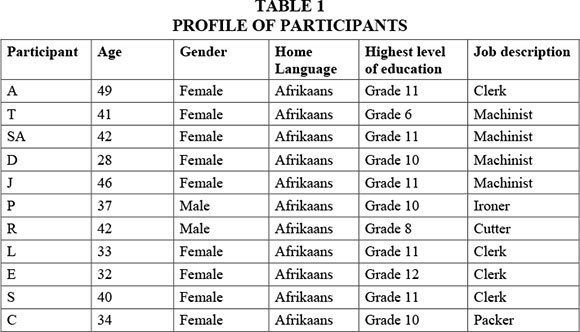
As depicted in Table 1 seventeen social workers participated in the first phase of the study. All held a Bachelor's degree in Social Work, except for one participant who held a Bachelor of Social Science degree, which was considered equivalent for the purposes of meeting the inclusion criteria. In terms of graduation year, three participants (18%) graduated between 2000 and 2008, two (12%) between 2009 and 2015, and twelve (70%) between 2016 and 2021, reflecting a recently qualified cohort. Experience levels ranged from one to twenty-three years, with the majority having more than five years of practice, indicating sufficient professional background to provide informed reflections on the study topic.
Caseloads varied considerably across participants, ranging from 28 to 800 families. Eight of the seventeen participants carried caseloads of 50 or fewer families, while six managed between 80 and 150 cases. The remaining three participants reported substantially higher caseloads, with two carrying 600 and 800 families respectively, pointing to significant disparities in workload distribution within the sector. These figures are particularly notable, given that participants were responsible not only for direct casework but also for preventative community projects, responsibilities that considerably expand the effective workload beyond raw caseload numbers alone. The workload of participants may therefore have implications for the nature and quality of social work services rendered to child-headed households. Calitz et al. (2014) indicate that South African social workers often do not have sufficient time to complete their day-to-day tasks as a result of their heavy workloads, limited resources, long working hours, unclear job expectations and high levels of work-related stress. In the context of child-headed households, such workload pressures may limit social workers' capacity to conduct comprehensive assessments, undertake regular monitoring, engage meaningfully with children and families, and provide sustained psychosocial and preventative interventions. Consequently, high workloads may contribute to a more reactive approach to service delivery, with social workers prioritising immediate crises over the longer-term and preventative support required by children living in child-headed households.
Social work supervisors
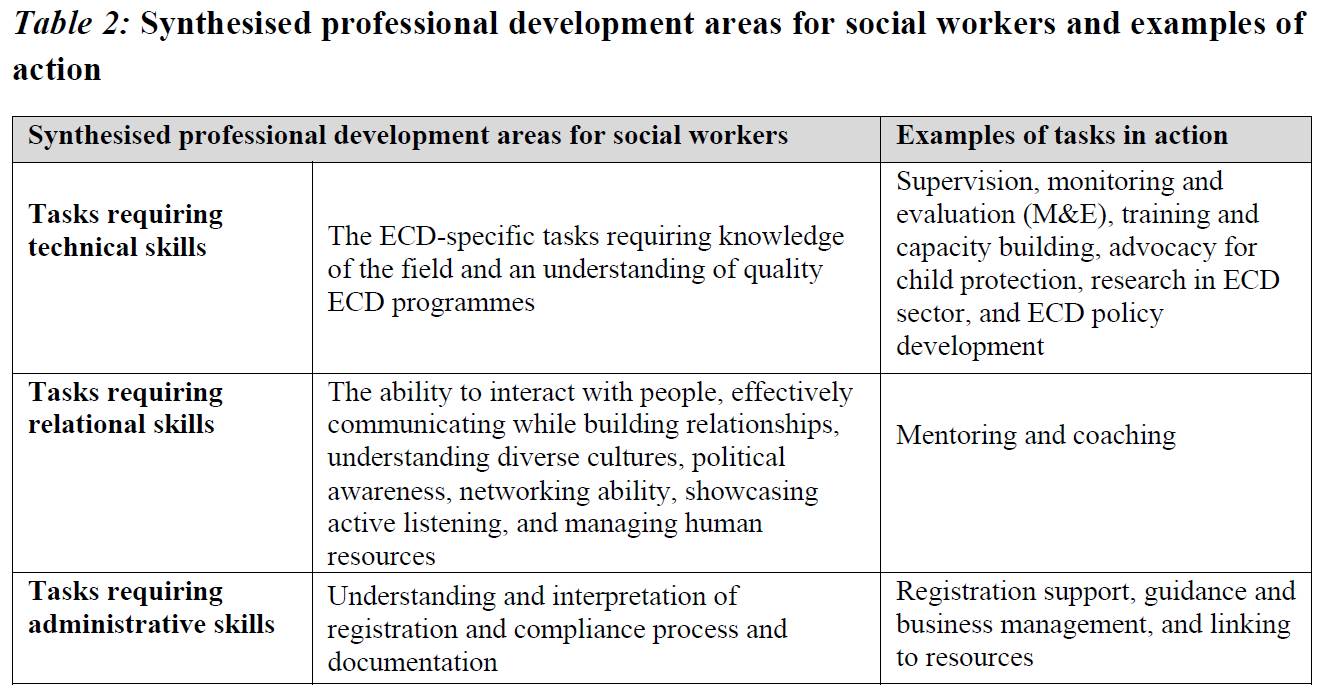
Five social work supervisors participated in the second phase of the study (Table 2). Their experience profiles reflected both direct practice and supervisory roles, ranging from one to thirty-one years as social workers and one to three years as supervisors. Qualifications included doctoral, master's and bachelor's degrees, with one participant holding a Master of Social Work and one a PhD in Social Work, providing a range of theoretical and practice-based perspectives on the supervision of service delivery to child-headed households.
Designated representative of the provincial Department of Social Development
One designated representative from a provincial Department of Social Development participated in the third phase of the study (Table 3). The participant held a Bachelor of Social Work degree, with five years' experience as a social worker and seven years' managerial experience. The participant provided a managerial and policy-level perspective on the implementation of section 137 of the Children's Amendment Act, particularly the Department of Social Development's responsibility to appoint an adult to assist child-headed households. This perspective complemented the practice insights of the social workers and supervisors.
THEMES AND SUBTHEMES DERIVED FROM DATA
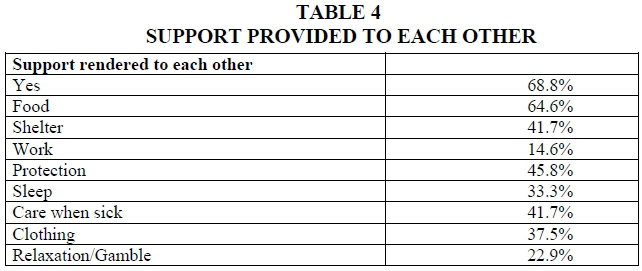
The findings on role players' reflections on the social services currently provided to child-headed households, as well as the services that should be implemented to ensure their rights to care and protection, are organised into four themes, seven subthemes, and seventeen categories emerging inductively from thematic analysis of the interview data. The themes, subthemes and categories are presented in Table 4 below, followed by a discussion of each theme supported by participant narratives. The findings are organised in relation to the study's research questions, which focused on: (1) what social work services are currently rendered to child-headed households; (2) what social work services should be rendered to uphold their rights to care and protection; and (3) how the rights of child-headed households to care and protection are upheld. The findings are further addressed from an ecological perspective across the micro, meso and macro levels to highlight how services and the realisation of children's rights are shaped by factors operating across these interconnected levels.
Theme 1: Social work services to child-headed households at the micro level
The micro level of social work practice focuses on direct services rendered to individuals and families. Participants across all three phases were asked to reflect on the services they currently deliver to child-headed households and those they believed should be delivered, which formed two subthemes.
Subtheme 1.1: Social work services currently offered to child-headed households
When participants were asked about social work services currently offered to child-headed households, four categories emerged from this subtheme: home visits, assessment of circumstances to determine need for care and protection, individual counselling services, and placement into alternative care (kinship and non-kinship foster care).
1.1.1 Home visits
Participants consistently identified home visits as the first response when a child-headed household was reported to their organisation. Home visits were conducted to investigate children's living conditions, determine who they lived with, assess whether they were safe, and identify their immediate needs.
"I will have to do a home visit to investigate the family, the circumstances, and whether these children need care and protection, whether they are safe or not, whether there is risk in the future or not." (PH1-P7)
"We do home visits to establish who these children live with, whether they have other families that can care for them because every child belongs in a family, and it is important for them to be cared for." (PH2-P2)
This finding that home visits were conducted aligns with Mulaudzi and Rankakane (2018), who confirm that home visits are essential for investigating the circumstances and needs of child-headed households so that appropriate services can be delivered. Home visits further enable social workers to improve family involvement, enhance communication and reach children from diverse backgrounds (Masha & Botha, 2021). Conducting home visits is also consistent with section 150(1) to (3) of the Children's Act and section 28(1)(c) of the Constitution, both of which make provision for social work service delivery to vulnerable children. Social workers are also mandated to investigate and assess the circumstances of a child in terms of section 155(2) of the Children's Act.
1.1.2 Assessment of circumstances to determine need for care and protection
Following home visits, both participant groups described conducting comprehensive assessments to determine whether children required care and protection, and to identify appropriate interventions.
"I must go there and assess, speak to them, look at the house that they are living in, the conditions that they are exposed to, also assess the close family that they are having and then you take that information and determine if they need care and protection." (PH1-P8)
"We assess their circumstances to see who their extended relatives are to formulate a proper intervention and ensure that the needs of these children are satisfied." (PH2-P3)
The assessment of the circumstances of child-headed households is consistent with section 150(2) of the Children's Act 38 of 2005, which obliges social workers to investigate child-headed households to determine whether children need care and protection and to provide appropriate support accordingly (RSA, 2005). South African literature sources similarly confirm that assessing the circumstances and needs of child-headed households is a prerequisite for effective service delivery (Hope & Van Wyk, 2018; Thwala et al., 2021).
1.1.3 Individual counselling services
Participants identified individual counselling as a core social work service rendered to children in child-headed households, particularly to address emotional difficulties arising from trauma, loss and abuse. Participants from the social worker participant group indicated:
"We render counselling services because we recognise the difficult challenges these children are exposed to, such as losing their parents, living alone, and having to assume adult responsibilities." (PH1-P6)
"Counselling is provided because we recognise that they have challenges with bullying, so we give them a safe space to discuss those challenges and attempt to resolve them." (PH1-P7)
The provision of counselling services is explicitly required by section 150(3) of the Children's Act (RSA, 2005). This finding is further supported by Pistor (2019), who notes that counselling enhances children's self-esteem, reduces negative emotions associated with loss, and enables them to process traumatic experiences. Individual counselling is particularly significant for child-headed households, given their exposure to grief, abuse and the burden of assuming adult responsibilities at a young age.
1.1.4 Placement into alternative care (kinship and non-kinship foster care)
Participants confirmed that they had placed children from child-headed households into kinship and non-kinship foster care after finding that the children were without adult caregivers and needed care and protection. The participants clarified that they consider kinship and non-kinship foster care as alternative care options because of the difficulty in identifying a suitable adult caregiver who could assist these households. In these cases, kinship and non-kinship foster care were the best options for the children because, under that kind of care, their needs would be addressed. The participants mentioned that non-kinship foster care was utilised in some cases. Social worker participants mentioned:
"The first step in our intervention is to identify the extended family who are available to take care of the kids or foster care, we consider those things, we place these children in foster care with one of the family members if they agree. We ask if there is anyone who can take full parental responsibilities for the children and if they agree and meet the requirements, we place the children with them." (PH1-P5)
"Some of them are taken care of by extended family members who foster them after we have established that they need care and protection." (PH1-P10)
The finding that children in child-headed households were placed into kinship and non-kinship foster care indicates an alignment with section 7 of the Children's Act and section 28 of the Constitution, both of which provide for alternative family care where children are without parental care and found to be in need of care and protection, in the best interests of the child (RSA, 1996, 2005). Kinship placements were the most common outcome, consistent with the African Charter on the Rights and Welfare of the Child (1990), and the Children's Act (Section 180 (3) (a-b), which emphasises keeping children within the family structure where possible, while non-kinship foster care was utilised where suitable family members could not be identified. Masha and Botha (2021) confirm that alternative care is a significant intervention for children whose quality of life and social functioning have been compromised. Placement into foster care must therefore be recognised as a viable option when considering the circumstances and needs of child-headed households, particularly given that most of these children are not removed from their households nor provided with adult caregivers.
Notably, of all the services prescribed by section 150(3) of the Children's Act - including mediation, prevention and early intervention, family reconstruction, rehabilitation, behaviour modification, and problem-solving - participants identified only counselling as a service currently rendered at the micro level. This significant gap between legislative prescription and actual practice can be linked to the ambiguity in the Act itself: because child-headed households are not automatically classified as children in need of care and protection under section 150(1), the full spectrum of support services is seldom triggered. It is therefore imperative that where children remain in their households and are found, following an investigation in terms of Section 150(2), not to need care and protection, the requirement in Section 137(2) for the provision of a supervising adult be implemented without exception.
Subtheme 1.2: Social work services that should be delivered to child-headed households
Both participant groups (social workers/supervisors) were asked to reflect on the social services that should be delivered to these households. One category emerged from this subtheme, namely: family counselling services.
1.2.1 Family counselling services
Participants from both these participant groups identified family counselling as a critical service that should be delivered to child-headed households but was absent in practice. They described its importance in addressing grief, preventing family breakdown, and building children's capacity to manage household responsibilities.
"We should provide family counselling services and social workers should be present in high numbers to assist because these services are important in addressing issues within families from becoming a crisis whereby you have children wandering the streets without care and support." (PH1-P2)
"They have questions such as 'why my parents died' and family counselling services will play a huge role in assisting in their grieving process and also attempting to respond to their difficult questions for them to find closure." (PH1-P13)
Participants were consistent in attributing the absence of family counselling to resource constraints, particularly high caseloads, staff shortages and a lack of vehicles to reach child-headed households;
"They need family counselling services to be provided on a long-term basis, not just one or two sessions, and for that to happen resources are required because [otherwise] you are unable to provide long-term services and constant monitoring with lack of resources and multiple cases." (PH2-P1)
"Even if you look at family counselling or family support services, we would like to deliver most of those services, but we are unable [to] because to a certain extent we are short-staffed, we have a lot of cases, and we cannot get to everyone as effectively as we would like to." (PH1-P14)
The finding that family counselling services are not available to child-headed households is consistent with Pistor (2019), who notes that family counselling is rarely delivered in the child welfare sector in South Africa, because social workers are overburdened with crisis interventions as a result of excessive caseloads. Family counselling is an intervention specifically designed to improve and restore relationships between family members by enabling them to understand one another's experiences and respond constructively to one another's needs (Chandrasekara, 2019; Pistor, 2019). Its absence from service delivery to child-headed households therefore represents not only a practice gap, but a potential rights violation, given that section 150(3) of the Children's Act explicitly lists family reconstruction and rehabilitation among the services owed to these children (RSA, 2005).
More troubling is the finding that participants made no mention of any of the other services listed under section 150(3) that should be rendered to child-headed households where they are found not to be in need of care and protection. Section 150(3) provides a clear legislative mandate for a range of interventions including counselling, mediation, prevention and early intervention services, family reconstruction and rehabilitation, behaviour modification and problem solving, yet none of these were reflected in participants' accounts of their practice (RSA, 2005). This silence is analytically significant. It may indicate that social workers lack adequate knowledge of the full spectrum of services the Act requires them to deliver to child-headed households, a concern with serious implications for both professional training and supervisory oversight (Mkhavele et al., 2024). Alternatively, it may reflect the reality that even where such knowledge exists, the conditions necessary to implement these services, such as adequate staffing, funding, and organisational support, are simply absent.
Furthermore, 47% (8) of the social worker participants reported caseloads ranging between 28 and 50 cases, falling below the prescribed maximum of 60 cases per social worker outlined in the Norms and Standards for Social Welfare Services (Department of Social Development, 2013), suggesting that almost half of the practitioners in this study were operating within a manageable workload range. In contrast, broader provincial data indicate significantly higher caseloads of approximately 1:100 (Parliamentary Monitoring Group, 2024), reflecting uneven workload distribution and potential strain on service delivery capacity across the sector. Despite the relatively manageable caseloads reported by a significant portion of participants, there was limited or no evidence of direct service delivery to child-headed households within those caseloads, a finding that is particularly concerning given that child-headed households are recognised as among the most vulnerable groups within the child protection system. The lack of visible intervention may therefore point to gaps in service prioritisation or systemic barriers within the implementation of statutory child protection obligations, rather than to workload alone.
Theme 2: Social work services to child-headed households at the meso level
The study participants illustrated the social work services to child-headed households at the meso level. Situated between the micro and macro levels, the meso level describes the interactions and relationships between the various components of a child's immediate environment (Hepworth et al., 2017; Miley et al., 2016). Participants were asked to reflect on the social work services they provided at this level, and their responses were analysed in two subthemes: Support and developmental interventions and social work services that should be rendered to child-headed households. Each subtheme and its associated categories are discussed below.
Subtheme 2.1: Support and developmental interventions
Support and developmental interventions offered to child-headed households emerged as a subtheme, from which two categories emerged: educational group programmes and informal support networks.
2.1.1 Educational group programmes
Educational group programmes emerged as currently offered to child-headed households. Participants from both groups confirmed that educational group programmes were implemented for child-headed households, addressing topics such as substance abuse, teenage pregnancy, anger management, decision-making and problem-solving. One participant stated:
"Within group work we provide group programmes such as empowerment of teenagers, life skills groups focusing on substance abuse, teenage pregnancy, anger management, decision-making and problem-solving." (PH1-P3)
Another participant indicated that group work also encompassed hygiene education and developmental guidance on puberty. The participant mentioned:
"In groups we do hygiene teaching for these children to educate them about hygiene, how to take care of yourself. We also do groups on the development of life stages like puberty both with boys and girls for them to know about puberty, what does it mean, we educate them and provide life skills programmes." (PH1-P5)
However, a supervisor participant noted that in certain regions such programmes were not available, attributing this directly to insufficient human resources. This suggests that gaps in service provision may be linked to staffing constraints, which limit the capacity of social work services to implement and sustain specialised interventions, particularly in resource-constrained areas. The participant mentioned:
"We do not have human resources to be conducting group projects. We need social auxiliary workers to help with that because our available social workers already have a huge workload." (PH2-P3)
The finding that educational groups were inconsistently available across regions is a matter of critical concern. While the literature on child-headed households confirms the value of group work in enhancing social functioning and enabling individuals to cope with shared challenges (Ibebuike et al., 2014), evidence from this study suggests these benefits were not equitably distributed because of a lack of human resources. Maila and Mabasa (2023) similarly found that resource shortfalls, including a lack of transport, disrupted service delivery to child-headed households. More fundamentally, the educational groups that were offered addressed awareness-level concerns, but fell short of the therapeutic and psychosocial support these children require. South African literature (Makuyana et al., 2020) argues that therapeutic and peer support groups are essential in improving the family functioning of child-headed households, fostering resilience, and enabling children to process the burden of assuming adult roles prematurely.
2.1.2 Informal support networks
The second category that emerged was informal support networks. Participants indicated that, in the absence of designated adult caregivers, some neighbours took it upon themselves to check on these children and report concerns to social workers. One participant noted that a neighbouring relative of the maternal family resided nearby, though not in the same household, providing a degree of informal support. However, this support was characterised as inconsistent and conditional.
"Interested neighbours would monitor these children and show care even though they do not stay with them. They do that because they are concerned but they are not interested in caring for the children permanently because they consider that to be challenging since they also have their own children." (PH1-P13)
Participant responses further highlight challenges in securing family or extended family involvement in the care of child-headed households, because the behaviour of some of the children in child-headed households who cannot be controlled, as illustrated by this comment:
"Usually family or extended family does not want to get involved because they complain that the behaviours of these children cannot be controlled." (PH2-P2)
While this informal support reflects community concern, it is insufficient as a substitute for the formal adult supervision required by law. Section 137(2)(a) to (b) of the Children's Amendment Act (RSA, 2007) stipulates that child-headed households must function under the general supervision of an adult designated by a children's court, an organ of state, or a non-governmental organisation. The findings of this study suggest that this legislative requirement was not being met in practice, a conclusion corroborated by Maila and Mabasa (2023), who found that the prescribed procedures for the care and protection of child-headed households were consistently not adhered to. The reliance on informal, voluntary and intermittent neighbour oversight effectively leaves children without the consistent adult supervision to which they are entitled, and in violation of the protections afforded under section 150(3) of the Children's Act. This constitutes not merely a service delivery failure but a rights violation that demands systemic redress.
Subtheme 2.2: Social work services that should be rendered to child-headed households
Alternative care and parental support are two categories that emerged under the second subtheme that addresses social work services that should be rendered to child-headed households.
2.3.1 Caregiver support and adult supervision
Participants from both groups were clear that child-headed households required an adult who can assume parental responsibilities, provide guidance and ensure children's needs were consistently met. One participant captured the sentiment shared by many:
"They need someone who can be a parent to them in their own house, guide and take good care of them because at the end of the day they are just children who need care." (PH1-P2)
Despite this recognised need, participants acknowledged that securing willing adult caregivers was extremely difficult. Safe houses were reported to be at capacity, extended families were often reluctant or geographically distant, and resource constraints, particularly the lack of vehicles, impeded the identification and engagement of potential caregivers.
"We need to keep the family together, but it is challenging to find someone who can help these children. It takes time yes, even for the children to remember their relatives but this process is important, and we prioritise it, but this service requires resources because sometimes it will need you to drive to different areas, call a lot of people and without resources we are doomed. We cannot even get to the middle of that process. I can tell you it is difficult, one can say it's us who are not working, but we are under resourced." (PH1-P13)
The comments indicate that child-headed households require an adult caregiver who can assume parental responsibilities. Ngconjana et al. (2017) concur with this finding and outline the critical functions of adult caregivers, including material support, decision-making and ensuring the overall wellbeing of the children. The absence of such adult caregivers as a result of structural and resource-related barriers not only undermines effective child welfare services to these households, but renders the Children's Amendment Act (RSA, 2007) requirement that a designated adult must supervise child-headed households merely aspirational in the absence of adequate state support for its implementation.
2.3.2 Informal community support and development services
The second category that emerged was informal community support and development services for child-headed households. Participants emphasised that community members should actively engage in supporting these children, drawing on the ethos of ubuntu as a framework for collective responsibility.
"Community members as a whole should ensure that these children are not vulnerable while they stay in the same community; they must support these children; we cannot leave them alone - everyone must be involved in the spirit of ubuntu". (PH1-P5)
"Different families within the community should support these children when they realise that they are in need, especially with items like food instead of just ignoring them. Community support goes a long way, because these children stay in the community." (PH2-P2)
The findings of this study reveal that community members should support child-headed households. Skobi and Makofane (2017) confirm that community structures, including churches and community leaders, can serve as stable resources in providing sustainable support to child-headed households on the meso level. However, this potential was unrealised, with community members either unwilling or unable to offer consistent support. The invocation of ubuntu by participants is notable, as it points to a cultural and moral framework that, if operationalised, could meaningfully complement formal service delivery. This aligns with broader calls in the literature for community-based approaches to child protection that move beyond formal statutory systems (Makuyana et al., 2020). Realising this vision requires deliberate community mobilisation efforts and the development of structured, supported community-based care models that do not place an undue burden on individual neighbours or informal networks.
The evidence from this study reveals that meso-level social work service provision for child-headed households was limited to educational group work and temporary informal community oversight. Therapeutic and peer groups, which the literature identifies as essential for the development and optimal functioning of these households (Boshoff & Strydom, 2017), were absent. Furthermore, the legislative requirement for designated adult supervision remained unimplemented. These findings collectively underscore the need for a more comprehensive, adequately resourced and rights-centred approach to meso-level social work service delivery for child-headed households.
Theme 3: Social work services to child-headed households at the macro level
Theme 3 examined the social services actually rendered to, and those that should be rendered to, child-headed households on the macro level of the ecological perspective. The macro level encompasses the broader societal, institutional and policy environment that shapes the conditions in which child-headed households exist (Hepworth et al., 2017). Two subthemes emerged from the data: crisis intervention and material support, and the social work services that should be rendered at the macro level. These are discussed in turn below.
Subtheme 3.1: Material support
Material support emerged as a subtheme, comprised of two categories: distribution of food parcels to relieve poverty, and community awareness campaigns.
3.1.1 Distribution of food parcels to relieve poverty
Both groups of participants confirmed that material support services such as food parcels were distributed to children in child-headed households as part of poverty-relief efforts. Participants described poverty as a pervasive and defining feature of these households and identified food parcel provision as one of the primary responses to this crisis. One participant described the scope of this intervention:
"We have established poverty relief programmes whereby we provide them with food parcels including maize meal and other basic food items because these children are often living in poor conditions and lack food." (PH1-P1)
Participants from the supervisor participant group confirmed that food parcels were provided to child-headed households to help them cope with food insecurity.
"We also provide them with food vouchers because we have realised that they live in poverty and do not have enough food." (PH2-P1)
"Food parcels are provided to them to minimise their exposure to poverty." (PH2-P2)
While food parcel provision was acknowledged across both participant groups, a social worker participant raised a critical concern regarding the sustainability of this service, noting that government funding for food parcel programmes had been significantly reduced. The participant mentioned:
"During COVID we used to provide them with food parcels as part of support services. Those are the services that we provided the most. Now we have reduced distribution of food parcels because the state has reduced the funding for these programmes and we find it difficult to provide food parcels to these children, we rely on donations which are not adequate." (PH1-P10)
The finding that food parcel distribution was inconsistent across regions, with some children receiving support and others not, points to a systemic failure to guarantee this basic entitlement to all children in child-headed households. Geldenhuys (2016) and Thwala et al. (2021) have highlighted the pervasiveness of food insecurity among these households and have called on the government to ensure consistent food provision. The constitutional imperative is clear: sections 27(1)(b) and 28(1)(c) of the South African Constitution enshrine the rights to access food and basic nutrition, respectively. The reduction in government funding for food programmes, at a time when need remains acute, represents a retreat from these constitutional obligations and places the most vulnerable children at heightened risk of hunger and malnutrition.
3.1.2 Community awareness campaigns
The second category that emerged was community awareness campaigns. Participants indicated that such campaigns were conducted to educate community members about issues affecting children in child-headed households, including substance abuse and teenage pregnancy, with schools serving as a key platform for outreach.
"Engage in community awareness projects especially through the schools with the idea to address issues that these children are exposed to such as substance abuse, teenage pregnancy and informing them about how we can help them in our organisations." (PH1-P3)
"Community work projects are also conducted with community members to raise awareness about issues that are prevalent within the community such as teenage pregnancy because it affects children living in child-headed households." (PH2-P1)
The finding that community awareness campaigns were conducted to educate community members about issues affecting children in child-headed households aligns with UNICEF's recognition of the protective value of such initiatives, particularly their role in reducing children's exposure to violence, maltreatment and exploitation (United Nations Children's Fund, 2019). However, awareness campaigns as a macro-level intervention warrant critical appraisal. While they contribute meaningfully to shifting community knowledge and attitudes, they do not address the underlying structural conditions, such as persistent poverty, inadequate housing, unemployment and lack of income that generate and sustain the vulnerability of child-headed households in the first place. An awareness campaign cannot house a child, feed a family or secure an income; it can only change what a community knows, not what it has.
Ngconjana et al. (2017) and Diago (2020) emphasise that realising the rights of children in child-headed households to care and protection requires access to social security, adequate shelter and a broad range of coordinated, multi-level services. Measured against this standard, the macro-level services currently being delivered, food parcels and community campaigns, are necessary but insufficient. They represent the minimum rather than the mandate. The gap between what is being provided and what the rights framework requires remains substantial, and closing it demands a deliberate shift from awareness-raising to structural intervention, from informing communities about children's rights to actively resourcing the conditions under which those rights can be realised
Subtheme 3.2: Social work services that should be rendered on the macro level
The third subtheme addressed the social work services that should be rendered to child-headed households on the macro level. Participants widely acknowledged that the current provision fell short, and that more comprehensive, rights-based social work services were required. Three categories emerged: school support programmes, assistance with access to social grants, and housing advocacy.
3.2.1 School support programmes
Participants in both groups identified school support programmes as a critical unmet need for children in child-headed households. Participants noted that these children frequently lacked basic school necessities such as clothing, learning materials, fees and funds for school activities, and that this contributed to high rates of school dropout. One participant articulated both the nature of the need and the responsibility of the state:
"All their school needs, for example, school clothes, school material such as books, school fees and educational trips must be covered on their behalf and that will ensure that they stay in school." (PH1-P2)
"The younger siblings are attending school, but are also exposed to challenges such as lack of school clothing, shoes" (PH2-P2)
The finding that school support programmes are an unmet need for child-headed households is consistent with the literature, as Maila and Mabasa (2023), Gomba (2018), and Goronga and Mampane (2021) all document the educational disadvantage experienced by child-headed households, noting that the lack of support compounds an already precarious situation. Section 28(1) of the South African Constitution guarantees the right to basic education, yet the evidence from this study suggests that this right was not being realised for many children in child-headed households as a result of material deprivation. Participants were clear that the financial capacity to address this gap lay with the state rather than with child welfare NPOs, which lacked the resources to provide comprehensive educational support. This points to a need for targeted government intervention, potentially through expanded school fee exemptions, scholar transport and school uniform programmes specifically directed at child-headed households.
3.2.2 Assistance with access to social grants
Participants from both groups identified assistance with access to social grants as an urgent and unmet need for child-headed households. A recurring barrier was the absence of vital civil registration documentation, particularly birth certificates, which was compounded by the lack of adult caregivers to facilitate grant applications on behalf of the children.
"They should be provided with adequate income in terms of grants because the first thing you hear from them during assessments is that they need income, and they cannot apply for social grants since they don't have documents and do not have an adult caregiver." (PH1-P10)
"These children do not have birth certificates and as a result cannot even acquire social grants. Therefore, social grants should be provided to these children because they need money." (PH2-P1)
The findings indicate that the immediate need of child-headed households is assistance with access to social grants. Hall (2018) corroborates this finding, establishing that children in child-headed households face significant barriers in accessing state-funded social grants. The exclusion of children from grant systems as a result of documentation deficits and the absence of adult caregivers is particularly troubling, because it is precisely the most vulnerable children, those without adult support, who are most in need of financial assistance, yet least able to navigate bureaucratic processes independently (Tshivhase et al., 2025). This systemic exclusion demands a policy response that proactively identifies and supports child-headed households in accessing their social security entitlements, including the expedited issuance of documentation and the development of child-sensitive application processes.
3.2.3 Improved housing conditions
Participants from both groups agreed that the living conditions of children in child-headed households were inadequate and, in many instances, hazardous. Children were reported to be residing in shacks, mud houses and single-room dwellings that posed serious risks to their physical safety and overall wellbeing. Participants from both groups were unequivocal:
"They live in abandoned houses putting their safety at risk. Adequate housing must be provided to them because most of them live in houses which are not in good condition, either shacks or mud houses." (PH1-P15)
"Adequate housing is a necessity; the state must ensure that houses are provided to these children. You cannot expect children to stay in the conditions we find them in." (PH2-P1)
The findings reveal that the living conditions of children in child-headed households were inadequate and put them at risk. Gomba (2018) and Agere and Agere (2020) confirm that poor housing conditions are a defining feature of child-headed households and constitute a violation of their constitutional right (Section 28 (1) c) to adequate shelter. The Children's Act provides a legal mechanism for intervention: section 150(1)(f) enables the removal of a child to alternative care where their living conditions may seriously harm their physical, mental or social wellbeing. Social workers must therefore actively utilise referral pathways to the Department of Human Settlements for housing assistance, and where this is not forthcoming, the provisions of the Children's Act must be invoked to protect these children from ongoing harm.
Taken together, the findings pertaining to macro-level social services reveal a significant and troubling disjuncture between the constitutional and legislative rights of child-headed households and the services available to them. Food parcel provision was inconsistent and declining, community awareness campaigns were limited in their structural impact, and critical services such as educational support, income security and adequate housing remained an aspiration. These findings underscore the need for a comprehensive, government-led, rights-based framework for macro-level service delivery to child-headed households, one that moves beyond donor-dependent provision toward sustainable, equitable and enforceable entitlements for child-headed households.
Theme 4: Rights of child-headed households to care and protection
When asked about the rights of child-headed households to care and protection. One subtheme emerged from this theme: the rights of children in child-headed households are infringed upon. This subtheme is discussed below.
Subtheme 4.1: Child-headed households' rights are infringed upon
The first subtheme centred on the infringement of the rights of child-headed households. Participants consistently indicated that the rights of these households to social security and parental care are not being upheld. Three categories were identified under this subtheme, namely the right to social security, the right to parental care and the right to adequate shelter.
4.1.1 Right to social security
Both groups of participants indicated that some of the rights of these children, including the right to have access to social security as entrenched in section 27 of the South African Constitution, were infringed upon in child-headed households where the children were not provided with birth certificates and social grants. Participants mentioned:
"We have a problem with children who cannot acquire social grants, because they do not have birth certificates and their parents are not around, meaning that their rights to social security are infringed upon." (PH1-P1)
"Their rights are not protected, I mean for example, the child I was just telling you about who is unable to acquire a social grant." (PH1-P6)
"We normally hear about these children who are reported by their neighbours because of the challenges they have such as lack of finance." (PH2-P3)
The findings reveal that children's right to social security is not realised. Although the Social Assistance Act and the Children's Amendment Act provide for access to social grants and prohibit the exclusion of child-headed households from state assistance, participants consistently indicated that many children remain unable to access these benefits in practice (RSA, 2004, 2007). The findings further suggest weaknesses in the implementation of statutory support mechanisms intended to assist child-headed households. Kruger (2014) noted more than 10 years ago that adult assistance should include helping children access social grants and obtain the necessary legal documentation required for such assistance. In addition, the Children's Amendment Act and section 150(2) of the Children's Act place the responsibility on social workers to investigate the care and protection needs of children in child-headed households, and to ensure appropriate adult support where necessary. However, the participants' accounts suggest that these support measures are not consistently realised in practice, leaving many child-headed households financially vulnerable and without adequate access to state social security provisions. This is in line with Diago's (2020) argument that, despite legislative protections, children in child-headed households continue to experience significant gaps in care and support services.
4.1.2 Right to parental care
Both groups of participants further indicated that the rights of these children to family or parental care as enshrined in section 28(1)(b) of the South African Constitution were infringed upon, because they did not have adult caregivers who provided care to them. The participants said the following:
"Their parents do not care for them, they live alone, and their rights are violated because the older siblings under eighteen years of age must care for them." (PH1-P2)
"These children are struggling because without parents, their extended families are also not supporting them, and they are all alone without assistance. This pushes them to fend for themselves while they are young." (PH2-P4)
A participant from a provincial Department of Social Development confirmed that when parents passed away, these children were left on their own and their right to parental care was infringed upon because the eldest child was expected to care for their siblings. This participant did not indicate the role of the head of the provincial Department of Social Development in determining the households' function under the care and protection of an adult caregiver according to section 137 of the Amendment Act. The participant mentioned:
"Some of them have lost both parents and you find that the eldest child has to look after their siblings." (PH3-P1)
The findings indicate a clear infringement of children's right to parental care within child-headed households, as outlined in section 19(1) of the African Charter on the Rights and Welfare of the Child (1990), which guarantees every child the right to parental care, protection and, where possible, to reside with their parents. Although the Charter recognises that separation from parents should occur only in exceptional circumstances and in the best interests of the child, the findings reveal that many children in child-headed households continue to live without parental care as a result of the death or absence of parents and adult caregivers. This situation is further compounded by the absence of alternative adult supervision and support structures envisaged in section 16(2) of the Charter. Participants consistently confirmed that older siblings, often minors themselves, assume caregiving responsibilities in the absence of adults, effectively resulting in children "parenting themselves." These accounts are reinforced by social workers and the departmental representative, who acknowledged that the right to parental care is often not realised in practice in child-headed households. The findings are in line with Ngconjana et al. (2017), who argue that children in child-headed households are often not placed in alternative care, but instead assume adult social roles and responsibilities without adequate support. Similarly, Goronga and Mampane (2021) note that where parental or family care is absent, the state bears responsibility for providing alternative care.
4.1.3 Right to adequate shelter
Both groups of participants indicated that the right of these children to adequate shelter was infringed upon because they did not have proper housing and had to live in shacks.
"I mean if you look at their living conditions. You will see that it is not good for them because their housing is not stable. These children live in shacks and do not have proper housing and during winter they experience extreme cold and in summer extreme heat. Their rights are totally violated. Their housing for example, it's just a house because there is a roof over their head, but you would not want to find yourself in that situation." (PH1-P10)
"Their rights to adequate shelter are not upheld because normally they live in shacks due to limited adequate shelter. In fact, shacks are quite normal in the township. Most of the houses are shacks." (PH2-P3)
The findings reveal that children in child-headed households continue to experience significant violations of their right to adequate shelter, as many were reported to be living in unstable and inadequate shack dwellings. Participants described housing conditions that exposed children to extreme weather conditions, overcrowding, and unsafe living environments that were not conducive to their wellbeing, safety or development. The absence of adult caregivers and limited financial resources further intensified these vulnerabilities, leaving children without adequate protection and support to secure suitable housing. The narratives also suggest that the normalisation of informal housing within disadvantaged communities contributes to the continued marginalisation of child-headed households and the limited prioritisation of their housing needs (Diago, 2020). These findings are also reflected in Agere and Agere (2020) and Esau (2025), who found that children in child-headed households frequently reside in poor housing conditions characterised by inadequate infrastructure and limited protection from environmental conditions. The findings therefore demonstrate that the constitutional right to adequate shelter, as protected under section 28(1)(c) of the South African Constitution, remains insufficiently realised for many children living in child-headed households.
DISCUSSION
The findings demonstrate a persistent gap between the legislative protection afforded to children in child-headed households and the realities of service delivery. Although South African legislation provides for the care and protection of these children, its implementation is constrained by conditions operating across the ecological levels of the child's environment. From a rights-based perspective, this gap is significant because the existence of legal rights alone does not ensure their realisation. The findings suggest that children's rights to care, protection, social security and appropriate services remain dependent on the capacity of families, communities, social workers and the state to translate legislative provisions into accessible support.
At the micro level, children in child-headed households were required to assume responsibilities normally associated with adulthood, while continuing to require care and protection. The difficulty in securing adult caregivers illustrates this tension. Extended family members were unwilling to provide sustained support over the long term. Consequently, the requirement in section 137 of the Children's Amendment Act (RSA, 2007) for adult supervision was difficult to implement in practice. This finding is consistent with that of Mkhavele et al. (2024), who identify challenges in the implementation of legislation guiding service delivery to child-headed households. Tshivhase et al. (2025) similarly highlight the vulnerability experienced by children living in child-headed households in rural South Africa.
At the meso level, the findings indicate that family, community and social service networks were unable to provide the sustained support required by child-headed households. While social workers provided counselling, broader interventions such as prevention, early intervention and family reconstruction were constrained by high caseloads, limited resources and inadequate alternative care placements. Family counselling was also largely unavailable. This suggests that social work intervention remained predominantly crisis-oriented, limiting the capacity of social workers to address the wider family and community circumstances affecting children (Calitz et al., 2014; Strydom, 2010). The findings therefore demonstrate that limitations in social work practice cannot be separated from the organisational and community environments within which social workers operate.
At the macro level, chronic underfunding and inadequate institutional capacity significantly affected the implementation of legislation and the delivery of services. The withdrawal of food parcel programmes, inconsistent funding of NPOs and insufficient alternative care resources illustrate how broader policy and resource decisions shape children's everyday experiences. These constraints also affected the ability of social workers to fulfil the responsibilities assigned to them under section 150 of the Children's Act. The findings therefore point to a structural implementation problem rather than a failure of individual practitioners to comply with legislation.
The rights-based perspective further highlights the seriousness of these findings. The Constitution, the Children's Act, the Children's Amendment Act and the Social Assistance Act establish protections relating to children's care, protection and access to social assistance (RSA, 1996, 2004, 2005, 2007). Nevertheless, participants reported continued difficulties in accessing social grants because of barriers such as missing birth certificates, identity documents and the absence of an adult guardian to assist with administrative processes. Thus, although the right to social security is formally recognised, administrative and institutional barriers prevent some children from exercising that right in practice. The findings consequently illustrate the distinction between rights being legally recognised and rights being effectively realised.
Taken together, the ecological and rights-based perspectives demonstrate that the challenges experienced by children in child-headed households are interconnected across individual, family, community, organisational and policy levels. Difficulties at one level reinforce vulnerabilities at another. Thus, the absence of an adult caregiver is compounded by weak family and community support, while inadequate funding and service capacity limit social workers' ability to render effective services. Addressing these challenges therefore requires more than individual-level intervention. Effective protection of children in child-headed households requires legislation that is implementable, adequately resourced services, strengthened social work capacity, and social protection systems that enable children to access the rights already guaranteed to them.
RECOMMENDATIONSBased on the findings, are number of recommendations are made.
Legislative reform: Section 137 of the Children's Amendment Act should be formally reviewed to determine whether its requirement for adult supervision is workable within the realities of child-headed households. Alternative models of adult supervision should be explored, including state-supported community-based supervision and appropriately trained caregivers. Section 150(3) should also be reviewed to ensure that children are not left without adequate protection where appropriate services are unavailable.
Funding: Government should increase and stabilise funding for child protection services, including funding to NPOs providing services to vulnerable children and families. Adequate resources should also be made available for food assistance, education, housing and other essential needs of children living in child-headed households.
Social work workforce: The social work workforce should be strengthened through the appointment and deployment of additional social workers, particularly in rural and underserved communities. Caseloads should be reduced to enable social workers to provide comprehensive services, including counselling, prevention, early intervention, family reconstruction and community-based interventions.
Access to social protection: Administrative barriers preventing children in child-headed households from accessing social grants should be addressed. Greater coordination between social development and civil registration services is needed to assist children who lack birth certificates, identity documents or adult assistance in accessing social protection.
Alternative care and community support: Appropriate alternative care options should be expanded for children who cannot safely remain without adult supervision. Family and community support should also be strengthened to ensure that children receive sustained care and protection within their broader ecological environment.
Training and capacity building: Social workers and other relevant service providers should receive regular training on legislation governing child-headed households and on rights-based and ecological approaches to service delivery. Supervising adults should similarly receive appropriate training and ongoing support regarding their responsibilities.
CONCLUSION
This study examined the implementation of legislation and the provision of social work services to children living in child-headed households. The findings demonstrate persistent gaps between legislative provisions and their implementation in practice. While South African legislation promotes the protection and care of children in child-headed households, social workers experienced significant challenges in translating these provisions into effective services. These challenges were evident across the micro, meso and macro levels, including difficulties in securing adult caregivers, limited family and community support, inadequate alternative care options, high social work caseloads, insufficient resources and barriers to accessing social grants. From a rights-based perspective, these challenges limit the realisation of children's constitutional rights to care, protection, social security and appropriate support. The findings therefore indicate that strengthening the protection of children in child-headed households requires greater alignment between legislation, available resources and social work practice.
REFERENCES
-
African Charter on the Rights and Welfare of the Child (ACRWC). (1990). OAU Doc. https://www.un.org/en/africa/osaa/pdf/au/afr_charter_rights_welfare_child_africa_1990.pdf
» https://www.un.org/en/africa/osaa/pdf/au/afr_charter_rights_welfare_child_africa_1990.pdf - Agere, L. M., & Agere, M. (2020). Intergenerational transmission of poverty: The role of agency in mitigating the impact for child-headed households - A case of Zola, Soweto (South Africa). African Journal of Social Work, 10(2), 116-125.
- Bless, C., Smith, H., & Sithole, L. S. (2013). Fundamentals of social research methods: An African perspective. Juta.
-
Boshoff, P., & Strydom, H. (2017). A psycho-social therapeutic group work programme preventing the onset of post-traumatic stress disorder among police officials attached to the specialised units in the South African Police Service. Social Work/Maatskaplike Werk, 53(4), 445-469. https://doi.org/10.15270/53-4-592
» https://doi.org/10.15270/53-4-592 - Bronfenbrenner, U. (1979). The ecology of human development: Experiments by nature and design. Harvard University Press.
-
Calitz, T., Roux, A., & Strydom, H. (2014). Factors that affect social workers' job satisfaction, stress and burnout. Social Work/Maatskaplike Werk, 50(2). https://doi.org/10.15270/50-2-393
» https://doi.org/10.15270/50-2-393 -
Chademana, K. E., & Van Wyk, B. (2021). Life in a child-headed household: Exploring the quality of life of orphans living in child-headed households in Zimbabwe. African Journal of AIDS Research, 20(2), 172-180. https://doi.org/10.2989/16085906.2021.1925311
» https://doi.org/10.2989/16085906.2021.1925311 - Chandrasekara, W. S. (2019). Relationship among Big Five personality traits, job performance and job satisfaction: A case of schoolteachers in Sri Lanka. International Journal of Information, Business and Management, 11(2), 219-232.
- Department of Social Development. (2013). Norms and standards for developmental social welfare services in South Africa. Government Printer.
- Department of Social Development. (2019). National child care and protection policy. Republic of South Africa. Government Printer.
- Diago, N. (2020). The experiences of headers of child-headed households in the greater Sekhukhune District of the Limpopo Province. (Master's thesis) Stellenbosch University, South Africa.
-
Esau, M. C. (2025). A community-based approach to improving the quality of life of child-headed households. Southern African Journal of Social Work and Social Development, 37(2), 15-29. https://doi.org/10.25159/2708-9355/16850
» https://doi.org/10.25159/2708-9355/16850 - Fouché, C. B. (2021). Introduction to the research process. In C. B. Fouché, H. Strydom, & W. J. H. Roestenburg (Eds.), Research at grassroots: For the social sciences and human service professions (5th ed.). Van Schaik Publishers.
- Geldenhuys, T. (2016). Child-headed households: An African reality. Servamus Community-based Safety and Security Magazine, 109(8), 25-28.
- Gomba, E. (2018). Child-headed households in rural Zimbabwe: Perceptions of Shona orphaned children. (Doctoral Thesis) University of the Incarnate Word, United States.
-
Goronga, P., & Mampane, M. R. (2021). Resilience processes employed in child-headed households in Chinhoyi, Zimbabwe. Journal of African Education, 2(3), 133-161. https://doi.org/10.31920/2633-2930/2021/v2n3a6
» https://doi.org/10.31920/2633-2930/2021/v2n3a6 - Hall, K. (2018). Understanding families in the South African context. Presented at the Department of Social Development Round Table on the Family White Paper. Wits School of Public Health.
-
Hall, K. (2025). Child-headed households. Children's Institute, University of Cape Town. https://childrencount.uct.ac.za/indicator.php?domain=1&indicator=17
» https://childrencount.uct.ac.za/indicator.php?domain=1&indicator=17 - Hall, K., & Mokomane, Z. (2018). The shape of children's families and households: A demographic overview. South African Child Gauge 2018. University of Cape Town, Children's Institute.
- Hall, K., & Sambu, W. (2018). Demography of South Africa's children. South African Child Gauge 2018. University of Cape Town, Children's Institute.
- Hepworth, D. H., Rooney, R. H., Rooney, D. R., Strom-Gottfried, K., & Larsen, J. A. (2017). Direct social work practice: Theory and skills (10th ed.). Cengage Learning/Brooks Cole.
-
Hope, J., & van Wyk, C. (2018). Intervention strategies used by social workers in emergency child protection. Social Work/Maatskaplike Werk, 54(4). https://doi.org/10.15270/54-4-670
» https://doi.org/10.15270/54-4-670 -
Ibebuike, J. E., Van Belkum, C., & Maja, T. M. (2014). An empowerment programme to support children in child-headed households in resource-poor communities in Soshanguve, South Africa: Phase 2 of an intervention study. BMC Infectious Diseases, 14(Suppl. 3), O29. https://doi.org/10.1186/1471-2334-14-S3-O29
» https://doi.org/10.1186/1471-2334-14-S3-O29 - Kruger, H. (2014). The legal recognition of child-headed households: Is our focus where it should be? Stellenbosch Law Review, 25(1), 126-142.
-
Liang, J., Tsui, M., Yan, M. C., & Lam, C. M. (2017). Youth unemployment: Implications for social work practice. Journal of Social Work, 17(5), 560-578. https://doi.org/10.1177/1468017316649357
» https://doi.org/10.1177/1468017316649357 - Lincoln, Y. S., & Guba, E. G. (1985). Naturalistic inquiry. Sage.
-
Maila, K. S., & Mabasa, L. T. (2023). Exploring the school-based support for youths who head households in Limpopo Province, South Africa. Youth & Society, 55(3), 399-419. https://doi.org/10.1177/0044118X211056670
» https://doi.org/10.1177/0044118X211056670 -
Makiwane, M., Gumede, N. A., Makoae, M., & Vawda, M. Y. (2017). Family in a changing South Africa: Structures, functions and the welfare of members. South African Review of Sociology, 48(2), 49-69. https://doi.org/10.1080/21528586.2017.1288166
» https://doi.org/10.1080/21528586.2017.1288166 -
Makuyana, A., Mbulayi, S. P., & Kangethe, S. M. (2020). Psychosocial deficits underpinning child headed households (CHHs) in Mabvuku and Tafara suburbs of Harare, Zimbabwe. Children and Youth Services Review, 115, 105093. https://doi.org/10.1016/j.childyouth.2020.105093
» https://doi.org/10.1016/j.childyouth.2020.105093 -
Masha, R. R., & Botha, P. (2021). Is foster care the safe place we believe it to be? If not, why not? Social Work/Maatskaplike Werk, 57(4), 499. https://doi.org/10.15270/57-4-973
» https://doi.org/10.15270/57-4-973 - Miley, K. K., O'Melia, M. W., & DuBois, B. L. (2016). Generalist social work practice: An empowering approach. Pearson.
-
Mkhavele, M., De Jager, E. S., & Mokwele, R. (2024). Social workers' views on the implementation of legislation that guides service delivery to child-headed households. Social Work/Maatskaplike Werk, 60(3).,452-474. https://doi.org/10.15270/60-3-1343
» https://doi.org/10.15270/60-3-1343 - Mulaudzi, T. P., & Rankakane, N. P. (2018). An investigation on factors that contribute to female learners dropping out of school at Moretele Village in Bojanala District, Northwest Province. Gender & Behaviour, 16(2), 11555-11570.
- Ndonga, M. M. (2016). The perceptions of social workers regarding the right of children to care and protection. (Master's thesis) Stellenbosch University, South Africa.
- Ngconjana, U., Kwizera, A. S., & Umejesi, I. (2017). Livelihoods in child-headed households and state intervention: A case study of the orphans and vulnerable children (OVC) in East London, South Africa. Gender & Behaviour, 15(1), 8160-8180.
- Oltmann, S. (2016). Qualitative interviews: A methodological discussion of the interviewer and respondent contexts. Forum Qualitative Sozialforschung Forum: Qualitative Social Research, 17(2), 1-16.
-
Parliamentary Monitoring Group. (2024). Question No. 582 to the Minister of Social Development. https://pmg.org.za/committee-question/26887/
» https://pmg.org.za/committee-question/26887/ - Patel, L. (2005). Social welfare and social development in South Africa. Oxford University Press Southern Africa.
- Pillay, J. (2016). Problematising child-headed households: The need for children's participation in early childhood interventions. South African Journal of Childhood Education, 6(1), 1-8.
- Pistor, M. (2019). The utilisation of family counselling by social workers in child and family welfare organisations. (Master's thesis) Stellenbosch University, South Africa.
- Republic of South Africa (RSA). (1996). Constitution of the Republic of South Africa. Government Gazette, Vol. 378, No. 17678 (8 May 1996) Pretoria: Government Printer.
- Republic of South Africa (RSA). (2004). Social Assistance Act, 13 of 2004. Government Gazette, Vol. 468, No. 26446 (10 June 2004). Pretoria: Government Printer.
- Republic of South Africa (RSA). (2005). Children's Act, 38 of 2005. Government Gazette, Vol. 492, No. 28944. (19 June 2006). Pretoria: Government Printer.
- Republic of South Africa (RSA). (2007). Children's Amendment Act, 41 of 2007. Government Gazette, Vol. 513, No. 30884. (18 March 2008). Pretoria: Government Printers.
- Schurink, W. J., Schurink, E. M., & Fouché, C. B. (2021). Thematic inquiry in qualitative research. In C. B. Fouché, H. Strydom, & W. J. H. Roestenburg (Eds.), Research at grassroots: For the social sciences and human services professions (5th ed., pp. 289-310). Van Schaik.
-
Seepamore, B. K. (2016). Distance parenting: Implications for social work practice. Social Work/Maatskaplike Werk, 52(4), 571-584. https://doi.org/10.15270/52-4-531
» https://doi.org/10.15270/52-4-531 -
Skobi, F., & Makofane, M. (2017). Reflections of social workers on the experiences of pregnant teenagers during group work sessions. Social Work/Maatskaplike Werk, 53(2), 224-249. https://doi.org/10.15270/53-2-566
» https://doi.org/10.15270/53-2-566 -
South African Social Security Agency. (2025). Annual report 2023/24. https://sassa.gov.za/documents/uploads/SASSA_Annual_Report_2023-24.pdf
» https://sassa.gov.za/documents/uploads/SASSA_Annual_Report_2023-24.pdf - Strydom, M. (2010). The implementation of family preservation services: perspectives of social workers at NGOs. Social Work/Maatskaplike Werk, 46(2), 192-208.
- Teater, B. (2014). An introduction to applying social work theories and methods. McGraw-Hill.
- Thwala, S., Ugwuanyi, C., Okeke, C., & Ncamsile, N. (2021). Socio-economic supports available for the education of adolescent girls in child-headed families in the Kingdom of Eswatini: Policy implication for educational evaluators. International Journal of Psychosocial Rehabilitation, 25(2)
-
Tshivhase, S., Ntsieni, M., & Diphofa, K. (2025). 'My cry as an orphaned child living in a child-headed household': A case of a rural community in a Bosheka Village, South Africa. The Open Public Health Journal. https://doi.org/10.2174/0118749445359384241231081814
» https://doi.org/10.2174/0118749445359384241231081814 -
United Nations Children's Fund. (2019). Get kids out of poverty. http://www.unicef.org/southafrica/support3444.html
» http://www.unicef.org/southafrica/support3444.html
Article accepted: 04/09/2026
Article published: 30/09/2026