Transition from blended learning to fully online learning in work-integrated learning in social auxiliary work education: Scoping review
Abstract
This scoping review explores the transition from blended learning to fully online work-integrated learning (WIL) in social auxiliary work education. This article describes a five-stage process: identifying the research question, searching eight academic databases, applying inclusion criteria (English-language studies from 2010-2023 on online/blended WIL in social work), charting data using thematic synthesis, and summarising results. To ensure trustworthiness, three authors independently screened and extracted data. Discrepancies were resolved through discussion to ensure inter-rater reliability. The PRISMA-ScR framework and Kolb's experiential learning theory guided the analysis and interpretation of the 45 sources included. Analysis highlighted themes such as flexibility, digital literacy challenges, institutional support gaps and the preservation of social work values in online contexts. Online learning brings flexibility and increased accessibility, but also presents challenges for social work education. The article highlights the need for structured digital pedagogies, improved support systems and collaboration between institutions and placement organisations. It emphasises the importance integrating technology into the curriculum, while preserving social work values. Enhanced support systems are essential to navigate the complexities of online learning and tele-practice. Additionally, updated regulatory frameworks are needed to support the integration of technology into social work, especially in tele-health and online service delivery.
blended learning; fully online learning; social auxiliary work; social work practice; work-integrated learning
BACKGROUND
The incorporation of technology into work-integrated learning (WIL) has been a largely debated issue within the realm of social work, largely due to the traditional reliance on face-to-face learning (Hay, 2020). Despite the increase of pedagogies incorporating technology-enhanced learning in social work education, few studies have explored the effectiveness of using specific pedagogical designs based on authentic learning principles in social work education (Pillay et al., 2015). The rising need for flexibility, personalisation and accessibility in education has led many institutions to consider adopting fully online options. The increasing diversity of the student population calls for more personalised educational experiences, which online platforms can offer through adaptive learning technologies. However, the challenge of ensuring fair access to technology and reliable internet connectivity persists (Cabiati, 2017).
The transition from blended to fully online learning is a complex process that involves integrating advanced technology, adapting teaching methodologies and responding to external factors such as public health emergencies. This shift also raises concerns about equitable access to resources, the effectiveness of online supervision and the preparedness of both educators and students for a fully virtual WIL environment. As educational environments evolve, flexibility, accessibility and engagement will shape the future of fully online learning. With more social work programmes adopting online delivery, it is important to assess both the benefits, such as increased access and flexibility, and the concerns, including quality, lecturer-student relationships, ethical issues and academic honesty in the context of social work education (Reamer, 2013).
The effectiveness of online teaching-learning processes in South African social work education is shaped by systemic inequities, cultural dynamics and infrastructural constraints. South Africa's digital transformation intersects with historical disparities in access to education, linguistic diversity and communal learning traditions (Department of Higher Education and Training (DHET), 2020). South African social work education emphasises culturally grounded and contextualised approaches that recognise the importance of community, relationships and locally relevant forms of learning. However, fully online environments may make it more difficult to reproduce the spontaneous dialogue and collective engagement associated with participatory learning (Turton & Schmid, 2020). While most online materials are in English, many South African students are multilingual, with English as a second or third language. This creates cognitive overload and reduces engagement in text-heavy virtual environments (Mphahlele & Seeletse, 2021).
Only 22% of rural South African households have consistent internet access, compared to 52% in urban areas (Statistics South Africa [StatsSA], 2022). Rural students often rely on mobile data, which is expensive and unreliable for streaming lectures or virtual WIL supervision. The lack of in-person engagement in online learning exacerbates feelings of isolation, particularly for students navigating traumatic case studies inherent in South African social work (e.g. gender-based violence and poverty). Students in provinces such as Limpopo or the Eastern Cape, where universities are confronted with challenges in accessing accredited programmes without relocating (DHET, 2023). South African institutions have pioneered low-data tools, such as WhatsApp-based peer discussions and radio lectures, to bypass connectivity barriers (Singh et al., 2022). Many South African social work students are mature learners balancing employment and caregiving. Asynchronous platforms allow them to study after hours (South African Council for Social Service Professions [SACSSP], 2021). Over 60% of South African households cannot afford a basic internet bundle (StatsSA, 2022). This excludes marginalised students from fully participating in online WIL, reinforcing cycles of inequality (Mphahlele & Seeletse, 2021). Online supervision continues to present challenges in addressing the complexity of South Africa's social issues. Supervisors may experience difficulties in communicating with students, providing feedback, and monitoring practice-based learning remotely, particularly where students face limited digital access and connectivity (Taole et al., 2024). Confidentiality breaches are heightened in townships or informal settlements, where students may lack private spaces for online client consultations. In South Africa, the shift to online WIL is not merely a pedagogical change but a sociopolitical endeavour. While technology offers tools to democratise social work education, its success hinges on addressing historical inequities, cultural relevance and infrastructural gaps. It is against this background that this article seeks to explore the transition from blended learning to fully online WIL for social auxiliary work students.
SOCIAL AUXILIARY WORK EDUCATIONTo understand social auxiliary work, it is crucial to explore its connection with social work. Both fields are interlinked and share common elements, making it important to examine the core concepts of social work to fully grasp the nature and scope of social auxiliary work. Social work is a profession driven by a deep commitment to promoting social justice, empowering individuals and communities, and addressing societal challenges (International Federation of Social Workers [IFSW], 2021). Utilising theories of human behaviour and social systems, social work intervenes at the points where people interact with their environments. Principles of human rights and social justice are fundamental to social work. The practice encompasses a wide range of activities aimed at enhancing the wellbeing and quality of life for individuals, families, groups and communities. Learning about these activities aims to provide social work students with a comprehensive understanding of social work as a profession, its core values, key concepts, and the diverse roles and settings in which social workers operate (IFSW, 2021).
This is endorsed in the revised global definition of social work as a practice-based profession and academic discipline that promotes social change and development, social cohesion and the empowerment and liberation of people, on the basis of the principles of social justice, human rights, collective responsibility and respect for diversity that are fundamental to social work (International Federation of Social Workers & International Association of Schools of Social Work, 2014). Based on this definition, social workers are expected to foster social change, development, cohesion, empowerment and justice for vulnerable groups.
In South Africa, social auxiliary workers support social workers by providing essential assistance, which helps social workers operate efficiently and effectively to address client needs. The necessity for social auxiliary work was recognised as early as the 1970s, as social workers struggled to keep up with the rising demand for their services from individuals, families, groups and communities (SACSSP, 2021). This resulted in the need for supportive staff who could work alongside social workers. Following extensive study and collaboration, the Social and Associated Workers Act, 1978 (Act 110 of 1978) was amended to the Social Work Act, 1978 (Act 110 of 1978), and the term associated work was replaced by the term social auxiliary work in May 1989 (Republic of South Africa, 1978). Social auxiliary workers assist or support the social worker in working with individuals, families, groups or communities. Therefore, student social auxiliary workers are required to develop and consolidate a professional identity to understand the self as an important instrument of intervention (Council on Higher Education [CHE], 2014). Moreover, students are required to have not only relevant academic knowledge and skills, but also the appropriate personal attributes (Graf et al., 2014). The social auxiliary work programme was initially registered at NQF level 4 as the Further Education and Training Certificate (FETC) and is now offered at NQF level 5 as a certificate programme (Schultz, 2015).
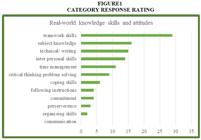
THEORETICAL FRAMEWORKKolb's experiential learning theory provides a foundational framework for understanding how students learn through experience, making it a suitable underpinning for WIL. The theory posits four cyclical stages, namely concrete experience (CE), abstract conceptualisation (AC), as well as two opposite dimensions of the learning experience's capacity to transform: reflective observation (RO) and active experimentation (AE) (Morris, 2020; Kolb & Kolb, 2018; Matsuo, 2015; McCarthy, 2016; Schenck & Cruickshank, 2015). Experiential learning theory asserts that learning occurs through the transformation of experiences into knowledge (Kolb, 1984). It aims to combine experience, perception, cognition and action into a holistic, adaptive learning process. The learner must complete the whole cycle for learning to take place, as shown in the four-stage learning model in Figure 1 (Matsuo, 2015; McCarthy, 2016; Morris, 2020; Schenck & Cruickshank, 2015).
Kolb's experiential learning theory aligns well with WIL as it emphasises the iterative process of engaging with real-world problems, reflecting on experiences, conceptualising insights and applying learning through practice (Jose et al., 2017). Experiential lessons deepen students' understanding of WIL topics by offering first-hand exploration of concepts, while also engaging students emotionally and intellectually through problem-solving and reflection (Kolb & Kolb, 2018). This process enriches the course material and enhances students' connections with the course material. As students solve problems and reflect on their experiences, they strengthen their comprehension of the subject matter (Jose et al., 2017; Kolb & Kolb, 2018). Experiential learning demands significant time and effort, while breadth (variety of experiences) and depth (time invested) both provide unique benefits. Depth fosters higher-order thinking, while breadth helps develop soft skills (Morris, 2020). In online WIL, lecturers and students need to manage time effectively and they must possess soft skills, which improve the efficiency and effectiveness of teaching and learning. Students engage directly with digital platforms, gaining hands-on experience through discussions, videos and assignments. Current online technology enhances this process with rich multimedia, allowing interaction with real-world scenarios via simulations, virtual labs and collaborative projects, making learning accessible and engaging from any location.
The connection between online delivery and Kolb's experiential cycle is evident in the stages: concrete experience, reflective observation, abstract conceptualisation and active experimentation. In traditional WIL, concrete experiences occur through face-to-face interactions (Harper, 2018; Morris, 2020; Seaman et al., 2017). In online WIL, concrete experiences are formed through virtual simulations, case-based learning, role-playing or telephonic interactions. These online activities aim to replicate real-world practice, though they differ from in-person engagements. Virtual role-playing and telephonic interactions allow students to engage with theoretical scenarios, but they miss the emotional and physical presence of face-to-face client interactions, which are vital in social work. The online learning environment affects how students process these interactions, requiring the development of digital communication skills (Harper, 2018; Morris, 2020; Seaman et al., 2017). Online learning platforms offer rich multimedia content, enabling students to interact with real-world scenarios via videos, simulations and activities, enhancing the learning experience regardless of physical distance. Reflective observation involves students contemplating their experiences and relating them to theoretical learning (Bergsteiner & Avery, 2014). In online settings, students reflect through asynchronous discussion forums, digital portfolios, video journals and one-on-one online supervision. While these tools support reflection, the lack of immediate face-to-face interaction may limit spontaneous reflection or reduce the depth of learning from peers and instructors. Online platforms enable reflection, but may lack the immediacy and depth of in-person interactions, where non-verbal cues contribute to richer discussions (Zeng & Luo, 2024). After engaging with an online course, students reflect on their experiences, evaluating the effectiveness of the materials, instructions and user experience. Online learning platforms facilitate this reflection with tools such as discussion forums, blogs and journaling features to encourage critical thinking and peer interaction. The flexibility of online delivery allows students to reflect at their own pace, enhancing their understanding.
Abstract conceptualisation involves synthesising experiences into new concepts or theories (Kolb & Kolb, 2018). In online WIL, students link their digital experiences, such as virtual client interactions or simulations, with theoretical frameworks and social work principles. This phase is supported by interactive multimedia, online readings, virtual discussions and digital feedback from instructors. However, the shift from face-to-face to online learning may reduce opportunities for spontaneous conceptual discussions or informal conversations (Zeng & Luo, 2024). Online platforms offer structured avenues for conceptualisation, but may limit the organic knowledge-sharing that typically occurs in physical settings. At this stage, learners create theories based on their reflections, identifying best practices, understanding engagement and recognising learning styles. Resources such as articles, expert lectures and interactive quizzes aid in developing theoretical frameworks, enhancing overall understanding.
Active experimentation involves applying learned concepts in new situations. Traditionally, this phase occurs through real-world practice, where students test their skills directly with clients or in fieldwork settings. In online WIL, active experimentation happens in virtual settings, such as telephonic services, online field placements and remote case management (Kolb & Kolb, 2018; Morris, 2020). These online alternatives provide students with the chance to apply learned theories in practice, although the limitations of virtual communication tools and mediated client interactions can hinder professional skills development. While students may learn to use digital tools and virtual consultations, the human element of social work, such as empathy, may not be fully captured online. In the final stage, students apply their acquired knowledge in subsequent online experiences, experimenting with new study techniques, engaging in discussions and using platform resources. This process initiates a cycle of new experiences, reflection and conceptualisation, with online delivery allowing students to work on projects or simulations, receive feedback and refine their skills through practice.
RESEARCH METHODOLOGYReview design
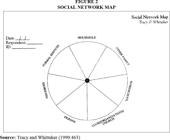
A scoping review following Arksey and O'Malley's (2005) and Levac et al., (2010) frameworks was adopted, aiming to highlight the transition from blended learning to fully online WIL. The stages of the framework adopted for conducting this scoping study are Stage 1: identifying the research question; Stage 2: identifying relevant studies; Stage 3: study selection; Stage 4: charting the data; and Stage 5: collating, summarising and reporting the results (Arksey & O'Malley, 2005). The review focused on identifying key themes, gaps in existing knowledge and laying the groundwork for future research and empirical studies on the challenges and opportunities of this transition (Rumrill et al., 2010). Meta-analysis extension for scoping reviews (PRISMA-ScR) was followed to report the findings of the scoping review. A protocol was developed using the scoping review methodological framework proposed by Arksey and O'Malley (2005), with enhancements from Levac et al. (2010) and the Joanna Briggs Institute (JBI) methodology. The following PRISMA-ScR flowchart by Tricco et al. (2021) presents the stages used for screening and reporting the articles in this review, as seen in Figure 2, detailing the number of records identified, screened, excluded and included at each stage of the review.
The stages followed are outlined in more detail below.
Stage 1. Identifying the research question
This review was driven by the question: "What are the challenges and opportunities when migrating from blended learning to fully online WIL in social work practice?"
Stage 2. Identifying relevant studies
Finding primary studies - both published and unpublished reviews are appropriate for addressing the main research issue - is the goal of the field scoping process (Arksey & O'Malley, 2005). To do this, the three authors used a method that includes looking for research evidence from a variety of sources, such as reference lists, electronic databases, major journals, current networks, pertinent organisations and conferences (Arksey & O'Malley, 2005). The search strategy for electronic databases was developed with reference to the research question and key concepts (Arksey & O'Malley, 2005). The three authors searched publicly available online literature, databases, research articles and reports. The authors searched eight electronic academic databases, namely Social Work Abstracts, Social Service Abstracts, SocINDEX, Academic Search Premier, Academic OneFile, EBSCOhost, PsycInfo and Scopus. The studies found through the search were screened twice to determine and confirm their suitability. The search strategy employed focused on items that contained keywords such as blended learning, fully online, online learning, social work practice, social auxiliary work and WIL. Inclusion criteria were set to focus on peer-reviewed articles, grey literature and studies published in English from 2010 onwards, ensuring a comprehensive perspective on recent developments. Studies that offered a broad and relevant description of the identified keywords were considered acceptable for inclusion in the review, in line with the criteria outlined by Pham et al. (2014). Exclusion criteria applied to studies not focused on WIL in social auxiliary work or purely theoretical discussions without empirical data. Studies that did not adequately reflect these focus areas or failed to meet the defined criteria, such as lacking relevance to social work education or not addressing online or blended learning contexts or not written in English were systematically excluded from the review during the screening process.
Stage 3. Study selection
The study selection was restricted to journal titles and abstracts using keywords related to social work and various types of learning and education. The search period was set to capture literature reflecting significant technological advancements and policy shifts impacting on online education. The concept of blended learning began to gain popularity in the early 2000s with the advent of learning management systems (LMS) and the increasing accessibility of the internet. Institutions started integrating online components into traditional courses to enhance flexibility and accessibility for students (Shorkey & Uebel, 2014). A comprehensive literature search was conducted by reviewing bibliographies of key papers, resulting in the selection of 150 papers. The selection process was developed collaboratively by the authors to ensure methodological rigour. Titles and abstracts were screened for relevance before full-text reviews were conducted. Two authors conducted the screening, with discrepancies resolved through discussion or consultation with a third author.
To manage and organise the studies, the authors used Mendeley as a reference manager to store references, remove duplications and do citation tracking. To ensure reliability, authors discussed their independent searches, screened citations for inclusion and performed data abstraction with verification.
Stage 4. Charting the data
The data-charting stage effectively mapped essential details from the original research reports under examination (Arksey & O'Malley, 2005). The authors systematically organised data from all included studies using a predefined template derived from a JBI data-extraction tool. This method guaranteed uniformity in the types and quantities of data collected (Tricco et al., 2021). Data from the identified studies were charted using a standardised template that included details such as author(s), year of publication, study design, sample size, context, key findings and any specific methodologies used.
Stage 5. Collating, summarising and reporting the results
A thematic analysis was conducted to systematically organise and examine the data through the lens of the central research question (Dalglish et al., 2020). Utilising both descriptive and thematic analysis, the authors identified vital themes and trends that emerged from the data. A thematic analysis was performed to identify recurring themes and gaps within the literature, while descriptive statistics were utilised to characterise the studies, such as the number of articles detected and their descriptive characteristics.
RESULTS OF LITERATURE SEARCH AND STUDY SELECTION
As an integral component of the scoping review process, a comprehensive and systematic search strategy was employed, resulting in the identification of 150 potentially relevant papers. These studies were drawn from multiple academic databases and other reputable sources to ensure a broad and inclusive evidence base. Each study underwent an initial screening based on predetermined inclusion and exclusion criteria. Following this process, 88 studies were deemed suitable for inclusion and were retained for full-text review, while 48 studies were excluded. The selected articles were then subjected to a thorough and detailed analysis to extract pertinent information relevant to the research question. The findings revealed that 40 in total of the reviewed studies explicitly identified notable gaps in the current body of knowledge, indicating areas that warrant further scholarly exploration. From the 40 studies, 20 offered concrete and constructive recommendations for future research, while 20 focused on identifying the strengths and limitations of existing approaches and interventions. The findings are presented below, highlighting the three key themes (WIL in social work, navigating challenges, and unlocking opportunities for the transition to fully online learning) that illuminated our research journey.
WIL in Social Work
WIL is a vital and mandatory component in social work education globally (Dean & Campbell, 2020; Hay, 2020; Winchester-Seeto et al., 2016). It enables students to integrate theory with practice in the workplace (Gerhardt & Annon, 2023). The term WIL encompasses various experience-based education models, including service learning, work-based learning, community participation, cooperative education, apprenticeships, field placements, internships, professional practice (practicum and clinical work), simulations and work experience (Chilvers et al., 2021; Mesuwini et al., 2023; Winchester-Seeto et al., 2016). These experiential learning opportunities, such as internships and practicums, are integral to the curriculum and provide unique learning experiences not available in other settings (Kennedy et al., 2015).
Accrediting bodies in different countries mandate field education as a core component of social work programmes to ensure students gain hands-on experience. In the USA, the Council on Social Work Education (CSWE) requires a minimum number of field placement hours. Similarly, Social Work England in the UK, Australia's Association of Social Work, Canada's Association for Social Work Education and South Africa's South African Council for Social Service Professions require substantial field education as part of their curricula. In South Africa, social auxiliary workers are required to undergo 57 days of supervision by a qualified social worker (Health and Welfare Sector Education Training Authority, 2021). WIL is recognised as a pedagogy that offers students experiential learning in educational programmes, focusing on integrating theory into practice outside higher learning institutions (Fleming & Hay, 2021; Hay, 2020; Mesuwini et al., 2023). It provides valuable benefits, such as applying theoretical knowledge in real-world settings, understanding workplace culture, developing soft skills and enhancing overall education. WIL prepares students for professional practice by equipping them with the tools, knowledge and experience necessary for their careers (Bowen, 2020; Jackson & Collings, 2018). However, while the benefits of WIL are well established, the use of technology to enhance WIL has been a contentious issue in social work globally (Hay, 2020). There are ongoing concerns about the effectiveness of teaching social work online (Levin et al., 2018), and practitioners and researchers remain cautious about embracing digital innovation (Berzin et al., 2015). The adoption of technology in WIL has been slow (Zorn et al., 2011), and research on online social work education is limited, with concerns regarding its efficacy (East et al., 2014; Levin et al., 2018;). This gap is compounded by resource limitations, ethical and legal challenges, and a lack of training for social work educators (Berzin et al., 2015).
Transition from blended to fully online learning
Blended learning combines traditional face-to-face instruction with online learning, providing students with both in-person and digital environments, and combines theoretical approaches and teaching modes (Bryan & Volchenkova, 2016). The aim is to provide students with a variety of learning experiences and options using traditional classroom learning and teaching activities in combination with information and communication technologies (ICT). Some advantages that have been identified are that students have more time to engage with learning material through online options and that they can also develop digital skills (Lalima & Dangwal, 2017). Blended learning has between 30 and 80 per cent of the course content delivered online, with some face-to-face interaction. Blended and online courses redefine traditional educational roles and provide different prospects for learning (Palloff & Pratt, 2013).
Blended learning approaches have demonstrated promising results for teaching social work practice, particularly through the lens of Kolb's experiential learning theory. This method enables students to learn theoretical frameworks online and subsequently apply this knowledge in the classroom, facilitating active engagement with the material. Social auxiliary work students must navigate Kolb's stages of learning as they learn about practice principles, values and ethics while participating in practical experiences within a classroom setting. For instance, students may engage in real-life scenarios (concrete experience), reflect on their observations (reflective observation), integrate this feedback with theoretical knowledge (abstract conceptualisation), and then test their understanding by applying what they learned in future situations (active experimentation). To prepare for a career as a professional social auxiliary worker, it is essential for students to move through Kolb's stages, applying theoretical knowledge to real-life circumstances (Dhemba, 2012).
Technology advancements
The rise of high-speed internet, advanced LMS, video conferencing tools and interactive content has facilitated the growth of online learning. The digital era has impacted significantly on the social work profession (Ryan & Garrett, 2018). The current socioeconomic status of South Africa requires people with knowledge and expertise to contribute to the national development plan. To reach this milestone, social welfare organisations must acquire highly competent graduates who are eager to contribute significantly to the sector. As a result, well-qualified graduates who are aligned with the current trends and demands in technological spaces are key assets for industrial development (Mesuwini et al., 2020). Universities are well positioned to meet such demands, since they provide appropriate technical and high-quality education for long-term growth and development (King, 2011). Studies are emerging that attempt to offer empirical insights into the dynamics of the digital era and the potential implications of this for social work practice, however, the transition from blended learning to fully online WIL in social work practice is limited.
Changes in educational needs
Social work education involves learning and teaching activities based on trusted, scientific and reliable professional knowledge and skills to develop practitioners (Cabiati, 2017). The quality of social work education is determined by minimum standards that apply in the classroom and field placements. In South Africa, the regulatory body for social service professionals (the SACSSP) is responsible for the development and monitoring of the minimum standards (Lombard, 2015). To carry their commitment into action, social workers must understand people and their environment, as well as their interdependence. Student social auxiliary workers' experiences in field practice as a learning context could be viewed as exposure to the approximation of the day-to-day realities of the people. Technological innovations provide new prospects for social workers, social auxiliary workers and clients. Consequently, client interaction is increasingly taking place on digital platforms (Nordesjö et al., 2022; Peláez & Marcuello-Servós, 2018). In using technology, social auxiliary workers are expected to reach the institutional goals of activation-oriented counselling more efficiently using digital services and follow-up through written interaction. This shift away from traditional face-to-face interventions poses a challenge to practitioners' established knowledge and skills in the digital world (Strømhaug & Halvorsen, 2023).
COVID-19 pandemic
Globally, the outbreak of COVID-19 was a major catalyst for the implementation of several changes in both the workplace and higher education sectors (Dean & Campbell, 2020). As a result, the traditional modes of functioning have undergone significant alterations, paving the way for a paradigm shift in the approach towards these domains. The pandemic accelerated the implementation of these changes, which were previously under consideration, to ensure the smooth functioning of these sectors in the midst of the pandemic; these changes have been sustained and reviewed over time (Banks et al., 2020). The global pandemic forced many educational institutions to pivot rapidly to remote learning, showcasing the potential of fully online education. Institutions that previously relied on blended learning models had to adapt quickly, leading to improvements in online teaching practices and the development of robust online curricula. For instance, the significance of alternative kinds of WIL in settings other than physical workplaces has been recognised with the rapid shift to online and remote learning models (Dean & Campbell, 2020). However, following the lifting of lockdown requirements such as social distancing and lockdowns, most institutions reverted to face-to-face contact.
The pandemic forced many social welfare organisations to deliver psychosocial interventions through digital platforms, prompting the social work profession to reconsider its traditional methods in order to address the impact of the pandemic effectively (Safodien, 2021). Research revealed that social workers became unable to conduct face-to-face therapeutic interventions, home visits, group sessions or community work programmes (Leburu-Masigo & Kgadima, 2020). A study conducted during the pandemic found that social workers faced several ethical challenges when using digital platforms (Banks et al., 2020). Social workers faced challenges with video calls, struggling to assess home conditions, detect abuse or fully understand clients' environments without in-person visits. The move to online services and evolving practice theories added to these difficulties. As such, it is crucial for Codes of Ethics to evolve to reflect the changing landscape. The SACSSP (2021) acknowledged the value of e-social work but emphasised the importance of using technology in an ethical manner.
Navigating challenges and unlocking opportunities
This section delves into the transition from blended learning to fully online work-integrated learning, which is described along with its challenges and opportunities in social auxiliary work practice.
Challenges for online learning
The challenges associated with the transition to a blended online learning strategy can be categorised into five key areas (Danjou, 2020; Fogg & Maki, 2021; Tang et al., 2021). These are: engaging students, the effectiveness of the teaching and learning activities, ethical dilemmas, peer connections and collaborations, and accessibility of the internet for all. Below is a brief discussion of these challenges.
Engaging students
Firstly, engaging students with lecture content in an online environment presents distinct challenges when compared to traditional in-person classes, as the changed learning setting can significantly affect student interaction and focus. Secondly, the substitution of hands-on learning activities with virtual laboratories may impact on the effectiveness of specific learning activities. Thirdly, establishing a sense of community within the virtual classroom can be challenging as a result of the reduced in-person interaction, necessitating additional efforts to facilitate peer connections within course modules. Fourthly, while students in physical classrooms naturally develop cohesion through group projects, a blended online approach may require supplementary support to encourage collaboration. Lastly, ensuring accessibility for all students is a significant challenge, considering the diverse obstacles they may encounter, such as limited internet access, caregiving responsibilities and time constraints within their home environments (Danjou, 2020; Fogg & Maki, 2021; Tang et al., 2021).
Online learning and teaching involve web-based methodologies where ICT facilitates the learning process, and students and educators do not need to be present at the same time (Valente & Marchetti, 2019). Education has continually evolved to meet the needs of new generations of students (Hamilton et al., 2017). Given that today's students live in a technology-driven world, it is unsurprising that education has been significantly impacted by this shift. Distance education has emerged as the fastest-growing form of instructional delivery globally, moving away from traditional face-to-face classrooms (Tracey & Richey, 2005).
However, the lack of direct interpersonal engagement in online learning can lead to feelings of isolation among students, potentially decreasing their motivation. Additionally, the virtual learning environment often presents more distractions, which can hinder sustained focus. A study by Pillay and Gerrard (2014) on implementing blended learning in a social work course revealed that students' lack of prior experience with e-learning strategies impacted negatively on their self-efficacy in navigating online education. The study highlighted that the adoption of blended learning requires technical competence and an understanding of pedagogical opportunities. To remain competitive in the evolving higher education landscape shaped by the Fourth Industrial Revolution (4IR), a fully online delivery mode, supported by strong ICT infrastructure and an agile administrative system, was introduced (UNISA 2030 Strategy Plan). A fully online course requires a well-structured lesson plan, diverse teaching materials such as audio and video content, and technical support teams to manage video conferencing, podcasts and presentation software. However, this transition has created its own challenges, including limited information on utilising these tools and unequal access to technology and data, affecting both students and university staff (Kourgiantakis & Lee, 2020).
A major concern is digital disparity, as not all students have reliable access to devices and the internet. Additionally, both students and educators may struggle with navigating online platforms, impacting on engagement and learning effectiveness. Educators must adapt by developing new skills and modifying their teaching styles through training in digital tools, a transition that can be demanding (Jacobson & Mustafa, 2019). Unlike traditional in-person classes, engaging students in an online setting presents distinct challenges, influencing the nature of the interactions and focus. Kolb's experiential learning stages highlight these issues. In an online environment, students may lack direct, hands-on experiences, particularly students without access to technology, thus limiting their ability to engage fully with learning material. During the reflective observation stage, difficulties in using online platforms can hinder students' ability to assess their learning experiences critically. Reduced interaction may result in missed opportunities for discussion and reflection, further impacting on the effectiveness of the learning process.
Effectiveness of teaching and learning activities
The adapted forms of teaching and learning also present challenges from a didactic point of view. The research found that when undergraduate social work students have an experience of "being known" by lecturers and classmates, their motivation to learn, ask questions and engage with course material increases (Rodriguez-Keyes & Schneider, 2013). This has had an impact on learning and requires training institutions to provide training on how to be fully online, to create a comfortable and constructive learning environment. Dhemba (2012) cautions that the disadvantage is the possibility that the online WIL experience becomes more fragmented, and students are unable to do justice to either theory or practice because of the overlapping expectations of the workplace and school. However, migrating from traditional or blended learning to a fully virtual and online delivery strategy will not happen overnight and has thus also been associated with many challenges (Crawford et al., 2020). Taking into account the impact on the effectiveness of specific outcomes is a crucial factor that warrants thorough attention and evaluation during online teaching and learning.
Access to technological devices and data remains a significant challenge, as students' socioeconomic backgrounds can impact on their ability to engage with digital learning tools (Kaminer & Shabalala, 2019; Webb & Cotton, 2018). However, research indicates that technology-supported learning enhances students' experiences, and that effective communication skills among lecturers contribute to a smoother transition from traditional to blended learning approaches (Obada et al., 2023). However, ensuring academic integrity in online assessments remains a challenge, potentially compromising the validity of evaluation criteria. Educators may need to modify their assessment methods to ensure fairness and to measure student learning accurately, thus making assessment design more complex in digital environments (Obada et al., 2023).
Ethical dilemmas, peer connections and collaborations
The ethical dilemmas inherent in counselling during WIL underpins the following social work values and principles, namely confidentiality, privacy, informed consent, professional boundaries, social media, safety, anonymity and the digital divide (Pascoe, 2023). Pascoe (2023) claims that the use of technology in social work is mentioned briefly and it may pose threats to a range of ethical obligations, but she fails to indicate relevant ethical obligations, what risks might present or how to minimise them. As professionals navigate through ever-evolving professional, individual and societal changes, ethical dilemmas have become more complex. Several ethical and risk management options have been made possible by the use of digital and electronic practices (IFSW, 2021; Pascoe, 2023). These cover topics such as client confidentiality, privacy and the possibility of interruptions, among other things (Reamer, 2013).
Maintaining confidentiality during an interview may be challenging and the social worker should be prepared for potential interruptions from peer connections; for instance, a family member might unexpectedly join the interview. This may necessitate establishing an agreement in advance with the client, such as whether to end the interview, change topics or continue (Newman et al., 2021). Creating a strong sense of community in the virtual classroom can be difficult because of the limited opportunities for in-person interaction. This situation requires additional deliberate efforts to promote meaningful and collaborative peer connections within the different course modules.
Disparities in access to technology
The transition from blended to fully online WIL in South Africa's health and social care and welfare sector presents significant challenges, particularly in access to technology, internet connectivity and digital literacy (López-Aguado et al., 2022). Unequal access to essential resources disproportionately affects students from low-income or marginalised communities, limiting their participation in online WIL activities and exacerbating educational inequalities. Furthermore, the Human Sciences Research Council (HSRC) found that many South African students, especially in rural areas, faced major barriers to online learning during the COVID-19 pandemic (2020).
Beyond access issues, disparities in digital literacy further hinder student engagement. Those unfamiliar with online platforms struggle to complete assignments and participate in virtual collaboration, reinforcing broader socioeconomic inequalities (López-Aguado et al., 2022; Van Dijk, 2020). Limited access to study spaces as well as additional familial responsibilities add to these challenges. To address these issues, investments in digital infrastructure are crucial to ensure reliable internet access for all students. Public-private partnerships, such as initiatives by the Universal Service and Access Agency of South Africa (USAASA) can help extend connectivity to underserved areas (USAASA, 2021). Comprehensive digital literacy programmes should be implemented to equip students with essential online skills, while educational institutions should adopt inclusive policies, such as subsidised devices and internet access, to bridge the digital divide.
As institutions navigate challenges in teaching and learning, many have turned to virtual platforms to help students build practical competencies. Digital tools such as video conferencing, online discussion boards and virtual simulations are increasingly used in distance education, reducing the need for face-to-face interaction (Shorkey & Uebel, 2014). Technology-supported services, including Skype, WhatsApp, Zoom and SMS, facilitate remote communication. However, effectively integrating these tools requires balancing service delivery with minimising potential harm to both clients and social workers.
Privacy concerns and feelings of isolation raise significant issues in online social work practice. The lack of in-person support services can impact negatively on students' mental health, leading to difficulties such as emotional distress, academic dropouts and reduced employability. Without adequate mental health support, students may struggle with long-term professional development challenges. Kolb's experiential learning theory highlights the importance of reflection and active engagement in adapting to technological tools. Social work students can enhance their practice by observing interaction outcomes and reflecting on their experiences. However, the reliance on digital communication may further exacerbate privacy concerns and isolation, complicating the learning and professional development process.
Opportunities to transition to fully online learning
The shift from blended learning to fully online learning presents notable prospects for innovation and accessibility, yet it also introduces challenges that demand attention to guarantee a seamless and effective learning experience (Beltran et al., 2020; Danjou, 2020). This shift presents a transformative opportunity for social auxiliary work education and aligns with the global trend of ensuring quality digital education in South Africa. Consequently, the adoption of fully online WIL can help with positioning social auxiliary work students for success in a digital-first world. Educational institutions and instructors should proactively deliver assistance, training and resources to facilitate a successful transition (Crawford et al., 2020).
Social auxiliary work students come from a range of demographic backgrounds including rural, urban and semi-urban areas. In most instances, students from rural areas often have limited access to finances, quality education and fieldwork opportunities. Therefore, the transition to fully online learning can serve to bridge this gap by offering students access to virtual training, digital simulations and remote supervision. According to Fogg and Maki (2021), fully online education affords students the opportunity to engage in meaningful connections and collaboration with peers and educators from diverse geographical locations. This experience serves to broaden their perspectives and enhance their cultural awareness.
Fully online learning offers students the opportunity to access educational materials, interact with instructors and engage with fellow students entirely via the internet (Shorkey & Uebel, 2014). This approach provides the flexibility for students to set their own schedules, allowing them to study at a pace that works best for them. Additionally, it supports various learning styles and accommodates individual commitments by eliminating the need for physical attendance at a specific location. Students are granted access to a plethora of online materials, courses and resources not typically available in traditional educational settings (Kourgiantakis & Lee, 2020). In the modern educational landscape, students are provided with the opportunity to access a diverse array of online materials, courses and resources that often exceed the offerings available in traditional educational settings. This includes access to virtual libraries, interactive learning platforms, specialised instructional materials and a wealth of digital resources that cater for diverse learning styles and interests. Such accessibility facilitates a more personalised, adaptable and enriched educational experience for students across various disciplines and academic levels.
Online learning has the potential to enhance education through the utilisation of cutting-edge teaching techniques (Jacobson & Mustafa, 2019). These methodologies include gamification, which introduces game elements to learning to make it more engaging and interactive. Additionally, multimedia resources add variety and depth to the learning materials, while interactive activities encourage active participation and practical application of knowledge. Together, these approaches contribute to a more immersive and enriching learning experience for students in online educational settings.
South Africa is currently battling with issues such as unemployment (Leburu & Skhosana, 2024; Zizzamia, 2020), poverty and inequality (Department of Social Development, 2018; Keeton, 2014; Leburu, 2023; United Nations, 2015). In this regard, a fully online WIL model can reduce travel costs and physical infrastructure requirements for education in institutions of higher learning. It can help to eliminate commuting expenses to reach educational facilities. Consequently, it can provide opportunities to integrate education with part-time work or family responsibilities. Kishimoto (2018) shares similar sentiments by stating that online education has the potential to decrease expenses significantly for both institutions and students. This can be achieved by eliminating costs related to commuting, physical learning materials and maintaining physical facilities. Shorkey and Uebel (2014) concur that fully online learning offers students the opportunity to access educational materials, interact with instructors and engage with fellow students entirely via the internet.
Digital platforms provide insights into student performance, allowing educators to offer personalised support and improve academic outcomes (Peláez & Marcuello-Servós, 2018). The growth of online learning can enhance the transition to fully online education. WIL may become a sustainable model for social work education in South Africa with proper support and resources.
DISCUSSION
The transition from blended learning to fully online WIL for the social auxiliary qualification represents a significant and multifaceted shift requiring stakeholders' thorough evaluation and innovative solutions. In South Africa, this transition intersects with systemic challenges such as infrastructural inequalities and the need for context-sensitive digital pedagogies (DHET, 2020). This transformation is not merely a change in delivery method, but an evolution of the entire educational approach within social work, necessitating a re-evaluation of how students engage with learning and future practice (SACSSP, 2021).
The literature highlights student engagement as a critical challenge in online learning. In the South African context, research involving social work students indicates that the shift to emergency remote online learning created challenges for maintaining interactive, engaging and critical forms of teaching and learning, particularly for students experiencing unequal access to technological resources (Makhanya & Mfishi, 2023).Research indicates that online platforms diminish opportunities for informal peer discussions, which are essential for developing social work students' interpersonal and reflective skills (Danjou, 2020; Fogg & Maki, 2021). These informal exchanges more naturally facilitate face-to-face engagements, foster empathy, communication and self-awareness - all core competencies in social work (Mishna et al., 2015). The profession's reliance on human relationships means that fully online WIL environments may create challenges for students in developing rapport and trust with clients and navigating the ethical complexities of virtual practice (Negi & Abdul Azeez, 2022). To mitigate this, South African institutions have adopted tools like break-away rooms on Teams to simulate interaction (Seaman et al., 2017). However, challenges persist in replicating the cultural nuances of South African interpersonal communication in digital spaces (Ndlovu & Maseko, 2022).
The digital divide exacerbates educational inequalities, particularly in South Africa, where only 64% of households have internet access, and rural students face severe infrastructural deficits (StatsSA, 2022). Students from disadvantaged backgrounds often lack reliable internet, devices or digital literacy skills, creating barriers to equitable participation in online WIL programmes (Jacobson & Mustafa, 2019; Mphahlele & Seeletse, 2021). For example, a study at the University of Pretoria found that 40% of social work students struggled to afford data for online learning during the COVID-19 pandemic. This disparity underscores the urgency of addressing access gaps through public-private partnerships, such as South Africa's National Digital and Future Skills Strategy (DHET, 2023).
Despite challenges, online learning offers opportunities such as increased accessibility for students in remote areas and flexible schedules for working students (Singh et al., 2022). South African institutions have piloted hybrid models combining asynchronous content with periodic in-person workshops to balance flexibility and human connection (SACSSP, 2021). To uphold social work's core values, institutions must implement structured digital pedagogies aligned with South Africa's National Plan for Higher Education (DHET, 2020).
The digital divide remains a critical barrier exacerbating educational inequalities. Many students, particularly those from disadvantaged or underprivileged backgrounds, encounter significant difficulties in accessing reliable internet connections, digital tools and other technological resources necessary for online learning. The lack of access to adequate technological infrastructure and the varying levels of digital literacy among students and educators pose substantial obstacles to implementing fully online WIL programmes successfully (Jacobson & Mustafa, 2019). The transition from blended learning to fully online WIL in social work education is undoubtedly a complex yet essential evolution in response to the changing educational landscape and the advancement of digital technologies. The transition itself is part of the active experimentation stage, where institutions are experimenting with new methods (online learning) in response to changes. The challenges associated with this transition, including issues of student engagement, digital inequalities and the effectiveness of online supervision, are significant, but the opportunities that online learning presents should not be overlooked. These opportunities include greater accessibility to education, the potential for developing technological skills and flexible learning schedules.
To ensure that social work education continues to uphold its core values of human connection, ethical practice and experiential learning, it is essential to implement well-structured digital pedagogies, enhance supervision strategies and provide robust institutional support. In doing so, social work education can successfully adapt to the digital age while preserving its foundational principles. The challenges faced are addressed by Kolb's experiential learning cycle. For example, when institutions implement online WIL (active experimentation), they encounter issues such as engagement and supervision (concrete experience), reflect on them (reflective observation) and then develop concepts (abstract conceptualisation) to improve. The transition from blended learning to fully online learning within the framework of WIL for social work education presents challenges as well as significant opportunities for enhancement. After reflecting on the challenges, institutions recognise that online learning can offer greater accessibility if the digital divide is addressed, and that technical skills are an added benefit. This leads to forming new strategies or pedagogies. Educators and course designers can develop more engaging and effective learning environments by examining and utilising the relationship between online delivery and Kolb's experiential learning cycle. This comprehension facilitates the improved application of experiential learning in digital contexts, thereby benefiting both educators and students. Ultimately, online delivery has the potential to enhance each stage of Kolb's cycle by providing a variety of experiences, encouraging reflective practice, fostering conceptual understanding and supporting practical application.
LIMITATIONS AND IMPLICATIONSScoping reviews are valuable for mapping the relevant literature and identifying research gaps, but they come with inherent limitations and potential biases that can affect findings and their interpretation. One key limitation is publication bias, where studies with positive outcomes are more likely to be published, potentially leading to an overly favourable view of fully online learning in WIL contexts. A careful analysis that included a diverse range of studies was conducted to reduce publication bias (Tricco et al., 2021).
Another limitation is language bias, as the review primarily relied on English-language sources, potentially excluding relevant studies in other languages, particularly those concerning social auxiliary work education. Incorporating multilingual sources could have provided a more globally representative perspective. Selection bias is also a concern, as inclusion and exclusion criteria may have overlooked valuable grey literature or unpublished research. To mitigate this, a comprehensive search strategy was employed, incorporating multiple databases and reviewing grey literature where accessible (Pham et al., 2014). Despite these challenges, the authors took deliberate steps to maintain the integrity of the review, addressing biases to strengthen its contribution to the discourse on online learning in social work education and identifying areas for future research.
This article provides significant insights into WIL in social auxiliary work. The transition from blended learning to fully online WIL presents both challenges and opportunities. While online learning is a promising alternative, social work education has traditionally emphasised human relationships, making the shift complex. Challenges such as communication, engagement, workload and organisational changes hinder this transition. To support this shift, decisions on online education should be evidence-based, requiring further research and institutional investment in resources.
There is an ongoing debate about the ethics of teaching a human-centred profession without face-to-face interaction. But more research is needed to evaluate the effectiveness of WIL across different student groups and placement organisations. Educators require support to adapt courses for online learning, and institutions must refine WIL strategies. Enhancing students' digital literacy and self-management skills is crucial for their professional readiness. While platforms such as Microsoft Teams and Moodle offer flexibility, engagement remains a challenge, necessitating more interactive content. Universities should assess student needs, provide essential resources such as laptops and data, and introduce a compulsory computer literacy programme to support students' success.
The social auxiliary work programme covers foundational knowledge and skills, but requires further adaptation for online WIL. Social auxiliary work students must develop strong personal skills to become competent professionals. Virtual classrooms can enhance learning on racial and ethnic aspects of social work, while fostering collaboration. However, safeguarding clients receiving technology-supported services remains a priority. The effectiveness of remote student work requires further investigation, particularly regarding ethical implications in social work practice.
Social auxiliary work programmes should incorporate technology-focused training into their curriculum to prepare students for modern practice environments. Institutions should develop structured digital teaching methods that integrate online learning, while maintaining engagement and quality. Lecturers and practitioners must receive ongoing training in technology and online teaching methods to enhance their effectiveness in digital learning formats.
To navigate ethical complexities in online practice, specific training modules on digital practice ethics should be incorporated into social auxiliary work education. Collaboration between educators, social workers and technology experts is necessary to ensure relevance and up-to-date content. Additionally, training should emphasise cultural competence and ethical adaptation to better serve digitally marginalised populations.
Stronger partnerships between academic institutions and social work agencies should be established to enhance field placements in digital practice environments. Comprehensive support systems must be developed for both students and practitioners to address challenges associated with online learning and tele-practice. Clear guidelines and ethical frameworks should be provided to practitioners to manage issues such as confidentiality and consent in digital social work settings.
A hybrid WIL model should be implemented, balancing online supervision and mentorship with periodic in-person practical sessions. Online supervision should utilise virtual platforms and tools to provide continuous support, feedback and guidance. In-person workshops should be presented at regular intervals to facilitate hands-on practice and direct engagement with clients and professionals. A centralised learning management system (LMS) should be used to streamline online supervision, communication and scheduling of practical sessions. Lastly, policymakers must allocate sufficient resources to support technology integration into social work education.
REFERENCES
-
Arksey, H., & O'Malley, L. (2005). Scoping studies: Towards a methodological framework. International Journal of Social Research Methodology, 8(1), 19-32. https://doi.org/10.1080/1364557032000119616
» https://doi.org/10.1080/1364557032000119616 - Banks, S., Cai, T., De Jonge, E., Shears, J., Shum, M., Sobočan, A. M., Strom, K., Truell, R., Úriz, M. J., & Weinberg, M. (2020). Practising ethically during COVID-19: Social work challenges and responses. International Social Work, 63(5), 569-583.
- Beltran, R. S., Marnocha, E., Race, A., Croll, D. A., Dayton, G. H., & Zavaleta, E. S. (2020). Field courses narrow demographic achievement gaps in ecology and evolutionary biology. Ecology and Evolution, 10(12), 5184-5196.
-
Bergsteiner, H., & Avery, G. C. (2014). The twin-cycle experiential learning model: reconceptualising Kolb's theory. Studies in Continuing Education, 36(3), 257-274. https://doi.org/10.1080/0158037X.2014.904782
» https://doi.org/10.1080/0158037X.2014.904782 - Berzin, S. C., Singer, J., & Chan, C. (2015). Practice innovation through technology in the digital age: A grand challenge for social work. American Academy of Social Work & Social Welfare, 12, 3-21.
- Bowen, T. (2020). Work-integrated learning placements and remote working: Experiential learning online. International Journal of Work-Integrated Learning, 21(4), 377-386.
- Bryan, A., & Volchenkova, K. N. (2016). Blended learning: Definition, models, implications for higher education. Vestnik Yuzhno-Uralʹskogo gosudarstvennogo universiteta. Seriia: obrazovanie. Pedagogicheskie Nauki, 8(2), 24-30.
- Cabiati, E. (2017). Social work education: The relational way. Relational Social Work, 1(1), 61-79.
- Chilvers, D., Hay, K., Maidment, J., & Tudor, R. (2021). The contribution of social work field education to work-integrated learning. International Journal of Work-Integrated Learning, 22(4), 433-444.
- Council on Higher Education. (2014). Framework for institutional quality enhancement in the second period of quality assurance. Council on Higher Education.
-
Crawford, J., Butler-Henderson, K. A., Rudolph, J., Malkawi, B. H., Glowatz, M., Burton, R., Magni, P. A., & Lam, S. (2020). COVID-19: 20 countries' higher education intra-period digital pedagogy responses. Journal of Applied Learning and Teaching, 3(1), 1-20. https://doi.org/10.37074/jalt.2020.3.1.7
» https://doi.org/10.37074/jalt.2020.3.1.7 - Dalglish, S. L., Khalid, H., & McMahon, S. A. (2020). Document analysis in health policy research: The READ approach. Health policy and planning, 35(10), 1424-1431.
- Danjou, P. E. (2020). Distance teaching of organic chemistry tutorials during the COVID-19 pandemic: Focus on the use of videos and social media. Journal of Chemical Education, 97(9), 3168-3171.
- Dean, B. A., & Campbell, M. (2020). Reshaping work-integrated learning in a post-COVID-19 world of work. International Journal of Work-Integrated Learning, 21(4), 355-364.
- Department of Higher Education and Training (DHET). (2020). National Plan for Post-School Education and Training. Pretoria: Government Printers.
- Department of Higher Education and Training (DHET). (2023). National Digital and Future Skills Strategy. Pretoria: Government Printers.
- Department of Social Development. (2018). South African Integrated Programme of Action: Addressing violence against women and children (2013-2018). Department of Social Development.
- Dhemba, J. (2012). Fieldwork in social work education and training: Issues and challenges in the case of Eastern and Southern Africa. Social Work & Society, 10(1).
-
East, J. F., LaMendola, W., & Alter, C. (2014). Distance education and organizational environment. Journal of Social Work Education, 50(1), 19-33. https://www.learntechlib.org/p/155896/
» https://www.learntechlib.org/p/155896/ - Fleming, J., & Hay, K. (2021). Understanding the risks in work-integrated learning. International Journal of Work-Integrated Learning, 22(2), 167-181.
- Fogg, K. C., & Maki, S. J. (2021). A remote flipped classroom approach to teaching introductory biomedical engineering during COVID-19. Biomedical Engineering Education, 1, 3-9.
- Gerhardt, T., & Annon, P. (2023). Towards conceptual clarity: Pedagogical liminality. International Journal of Work-Integrated Learning, 24(2), 209-225.
- Graf, E. M., Sator, M., & Spranz-Fogasy, T. (2014). Discourses of helping professions: Concepts and contextualization. John Benjamins Publishing Company.
- Hamilton, L., Brown, C., & Rogers, R. (2017). Distance education in social work: A review of the literature. Professional Development: The International Journal of Continuing Social Work Education, 20(2), 45-56.
- Harper, N. J. (2018). Locating self in place during a study abroad experience: Emerging adults, global awareness, and the Andes. Journal of Experiential Education, 41(3), 295-311.
- Hay, K. (2020). What is quality work-integrated learning? Social work tertiary educator perspectives. International Journal of Work-Integrated Learning, 21(1), 51-61.
- Health and Welfare Sector Education Training Authority. (2021). Work experience module occupational certificate: Social auxiliary worker. Johannesburg: Health and Welfare Sector Education Training Authority.
- Human Sciences Research Council. (2020). The impact of COVID-19 on education in South Africa: A rapid assessment. Pretoria: Human Sciences Research Council.
- International Federation of Social Workers & International Association of Schools of Social Work. (2014). Global agenda for social work and social development first report: Promoting social and economic equalities. Sage.
- International Federation of Social Workers (IFSW). (2021). Definition of social work (in 16 languages). Switzerland.
- Jackson, D., & Collings, D. (2018). The influence of work-integrated learning and paid work during studies on graduate employment and underemployment. Higher Education, 76(3), 403-425.
- Jacobson, D., & Mustafa, N. (2019). Social identity map: A reflexivity tool for practising explicit positionality in critical qualitative research. International Journal of Qualitative Methods, 18.
- Jose, S., Patrick, P. G., & Moseley, C. (2017). Experiential learning theory: The importance of outdoor classrooms in environmental education. International Journal of Science Education, Part B, 7(3), 269-284.
- Kaminer, D., & Shabalala, N. (2019). Developing a student mental health policy for a South African university: Consultation, contestation and compromise. South African Journal of Higher Education, 33(5), 196‒212.
- Keeton, G. (2014). Inequality in South Africa. Journal of the Helen Suzman Foundation, 74(1), 26-31.
- Kennedy, M., Billett, S., Gherardi, S., & Grealish, L. (2015). Practice-based learning in higher education: Jostling cultures. In M. Kennedy, S. Billet, S. Gherardi & L. Grealish (eds). Practice-based learning in higher education: Jostling cultures (pp. 1-13). Springer Netherlands.
- King, K. (2011). Skills development and lifelong learning: Challenges for poverty reduction. International Symposium on Lifelong Learning 2011. University of Edinburgh.
- Kishimoto, K. (2018). Anti-racist pedagogy: From faculty's self-reflection to organizing within and beyond the classroom. Race & Ethnicity, 21(4), 540-554.
- Kolb, A., & Kolb, D. (2018). Eight important things to know about the experiential learning cycle. Australian Educational Leader, 40(3), 814.
- Kolb, D. A. (1984). Experiential learning: Experience as the source of learning and development. Prentice-hall.
- Kourgiantakis, T., & Lee, E. (2020). COVID-19: Social work practice education and training during the pandemic: Disruptions and discoveries. International Social Work, 63(6), 761-765.
-
Lalima, & Dangwal, K. L. (2017). Blended learning: An innovative approach. Journal Of Educational Research, 5(1), 129-136. https://doi.org/10.13189/ujer.2017.050116
» https://doi.org/10.13189/ujer.2017.050116 -
Leburu, G. (2023). From 'victim' to 'survivor': Deconstructing the pervasive notion of victimhood in discourses around programmes dealing with gender-based violence. Social Work/Maatskaplike Werk, 59(3), 224-244. https://doi.org/10.15270/59-3-1140
» https://doi.org/10.15270/59-3-1140 - Leburu, G., & Skhosana, R. (2024). Wrestling with the present to re-imagine the future of social entrepreneurship in social work: A South African context. African Journal of Inter/Multidisciplinary Studies, 6(1), 1-13.
- Leburu-Masigo, G. E., & Kgadima, N. P. (2020). Gender-based violence during the COVID-19 pandemic in South Africa: Guidelines for social work practice. Gender & Behaviour, 18(4), 16618-16628.
- Levac, D., Colquhoun, H., & O'Brien, K. K. (2010). Scoping studies: Advancing the methodology. Implementation Science, 5, 1-9.
- Levin, S., Fulginiti, A., & Moore, B. (2018). 'The perceived effectiveness of online social work education: Insights from a national survey of social work educators." Social Work Education, 37(6), 775-89.
- Lombard, A. (2015). Internationalising social work education: The South African experience. The Indian Journal of Social Work, 76(1), 1-16.
- López-Aguado, M., Gutiérrez-Provecho, L., Quintanal Díaz, J., & García Llamas, J. L. (2022). Social exclusion and the digital divide. Journal of E-Learning and Knowledge Society, 18(3), 74-82.
-
Makhanya, T. B., & Mfishi, Z. (2023). Exploring the experiences of social work students on the use of blended learning and emergency remote online learning prior to and during COVID-19 pandemic. Social Work/Maatskaplike Werk, 59(3). https://doi.org/10.15270/59-3-1139
» https://doi.org/10.15270/59-3-1139 - Matsuo, M. (2015). A framework for facilitating experiential learning. Human Resource Development Review, 14(4), 442-461.
- McCarthy, M. (2016). Experiential learning theory: From theory to practice. Journal of Business & Economics Research, 14(3).
- Mesuwini, J., Kgomotlokoa, L. T. N., Mzindle, D., & Mokoena, S. (2023). Work-integrated learning experiences of South African technical and vocational education and training lecturers. International Journal of Work-Integrated Learning, 24(1), 83-97.
- Mesuwini, J., Singh-Pillay, A., & Bomani, M. (2020). Perceptions of engineering lecturers and graduates on employability skills: A case of a TVET college in KwaZulu-Natal, South Africa. International Journal of Social Sciences and Humanity Studies, 12(2), 416-432.
- Mishna, F., Bogo, M., & Sawyer, J.-L. (2015). Cyber counselling: Illuminating benefits and challenges. Clinical Social Work Journal, 43(2), 169-178.
- Morris, T. H. (2020). Experiential learning-a systematic review and revision of Kolb's model. Interactive learning environments, 28(8), 1064-1077.
- Mphahlele, L., & Seeletse, S. (2021). The influence of COVID-19 on students' learning: Access and participation in higher education in Southern Africa. Journal of Learning for Development, 8(3), 501-515
-
Negi, D. P., & Abdul Azeez, E. P. (2022). "Neither it had social work components nor experiential": Students' perspectives of online fieldwork practice during COVID-19 in India. Asian Social Work and Policy Review, 16(3), 237-245. https://doi.org/10.1111/aswp.12262
» https://doi.org/10.1111/aswp.12262 - Newman, P. A., Guta, A., & Black, T. (2021). Ethical considerations for qualitative research methods during the COVID-19 pandemic and other emergency situations: Navigating the virtual field. International Journal of Qualitative Methods, 20, 1-12.
- Nordesjö, K., Scaramuzzino, G., & Ulmestig, R. (2022). The social worker-client relationship in the digital era: A configurative literature review. European Journal of Social Work, 25(2), 303-315.
-
Obada, D. O., Bako, R. B., Ahmed, A. S., Anafi, F. O., Eberemu, A. O., Dohoo-Arhin, D., Oyedeji, A. N., Salami, K. A., Samuel, B. O., Samuel, E. T., & Obada, I. B. (2023). Teaching bioengineering using a blended online teaching and learning strategy: A new pedagogy for adapting classrooms in developing countries. Education and Information Technologies, 28(4), 4649-4672. https://doi.org/10.1007/s10639-022-11330-y
» https://doi.org/10.1007/s10639-022-11330-y - Palloff, R. M., & Pratt, K. (2013). Lessons from the virtual classroom: The realities of online teaching. John Wiley & Sons.
- Pascoe, K. M. (2023). Considerations for integrating technology into social work practice: A content analysis of nine professional social work associations' Codes of Ethics. International Social Work, 66(2), 298-312.
- Peláez, A. L., & Marcuello-Servós, C. (2018). Editorial: E-social work and digital society: Re-conceptualizing approaches, practices, and technologies. European Journal of Social Work, 21(6), 801-803.
- Pham, M. T., Rajić, A., Greig, J. D., Sargeant, J. M., Papadopoulos, A., & McEwen, S. A. (2014). A scoping review of scoping reviews: Advancing the approach and enhancing the consistency. Research Synthesis Methods, 5(4), 371-385.
-
Pillay, R., Bozalek, V., & Wood, D. (2015). The use of technology-enhanced learning (tel) to facilitate authentic learning: Experiences of South African social work educators. Social Work/Maatskaplike Werk, 51(4), 515-532. https://socialwork.journals.ac.za/pub/article/view/464
» https://socialwork.journals.ac.za/pub/article/view/464 -
Pillay, R., & Gerrard, P. (2014). Implementing a "blended learning approach" in a social work course: The perceptions of first-year students at a South African university. Social Work/Maatskaplike Werk, 47(4), 497-510. https://doi.org/10.15270/47-4-118
» https://doi.org/10.15270/47-4-118 -
Reamer, F. G. (2013). Social work in a digital age: Ethical and risk management challenges. Social Work, 58(2), 163-172. https://doi.org/10.1093/sw/swt003
» https://doi.org/10.1093/sw/swt003 - Republic of South Africa. (1978). Department of Social Development. Social Services Professions Act, 110 of 1978. Government Gazette, 6631 of 24 August 1979. Pretoria: Government Printers.
- Rodriguez-Keyes, E., & Schneider, D. A. (2013). Cultivating curiosity: Integrating hybrid teaching in courses in human behaviour in the social environment. Journal of Teaching in Social Work, 33(3), 227-238.
- Rumrill, P. D., Fitzgerald, S. M., & Merchant, W. R. (2010). Using scoping literature reviews as a means of understanding and interpreting existing literature. Work, 35(3), 399-404.
-
Ryan, D., & Garrett, P. M. (2018). Social work 'logged on': Contemporary dilemmas in an evolving 'techno-habitat'. European Journal of Social Work, 21(1), 32-44. https://doi.org/10.1080/13691457.2016.1278520
» https://doi.org/10.1080/13691457.2016.1278520 -
Safodien, M. (2021). Social work 4.0? The fourth industrial revolution and social work education: A South African perspective. Social Work/Maatskaplike Werk, 57(3), 257-271. https://socialwork.journals.ac.za/pub/article/view/946
» https://socialwork.journals.ac.za/pub/article/view/946 - Schenck, J., & Cruickshank, J. (2015). Evolving Kolb: Experiential education in the age of neuroscience. Journal of experiential education, 38(1), 73-95.
- Schultz, P. (2015). Social auxiliary work. In R. Schenck (Ed.), Introduction to social work in the South African context (pp. xx-xx). Oxford University Press.
-
Seaman, J., Brown, M., & Quay, J. (2017). The evolution of experiential learning theory: Tracing lines of research in the JEE. Journal of Experiential Education, 40(4), NP1-NP21. https://doi.org/10.1177/1053825916689268
» https://doi.org/10.1177/1053825916689268 - Shorkey, C. T., & Uebel, M. (2014). History and development of instructional technology and media in social work education. Journal of Social Work Education, 50(2), 247-261.
-
Singh, S., Moodley, R., & Moodley, I. (2022). Students' knowledge, attitudes and practices related to infection control in undergraduate dental clinical training during COVID-19: A report from one South African university. South African Dental Journal, 77(6), 336-343. https://doi.org/10.17159/2519-0105/2022/v77no6a3
» https://doi.org/10.17159/2519-0105/2022/v77no6a3 - South African Council for Social Service Professions (SACSSP). (2021). Guidelines for online WIL in social work. SACSSP.
-
Statistics South Africa (StatsSA). (2022). General Household Survey 2021: ICT access and use. Statistics South Africa. https://www.statssa.gov.za/?p=15482
» https://www.statssa.gov.za/?p=15482 - Strømhaug, L. B. S., & Halvorsen, K. (2023). Ambivalence in digital social work: Advising about welfare-to-work programmes to unemployed clients. Nordic Social Work Research, 14(2), 222-235.
-
Taole, M., Naidu, K., Gcabashe, N., & Maphumulo, T. (2024). Supervisors' challenges with online supervision using Microsoft Teams in supervising Open Distance and E-Learning (ODeL) pre-service teachers. Teacher Education through Flexible Learning in Africa, 5. https://doi.org/10.35293/tetfle.v5i1.4530
» https://doi.org/10.35293/tetfle.v5i1.4530 - Tang, Y. M., Chen, P. C., Law, K. M., Wu, C. H., Lau, Y. Y., Guan, J., He, D., & Ho, G. T. (2021). Comparative analysis of students live online learning readiness during the coronavirus (COVID-19) pandemic in the higher education sector. Computers & Education, 168, 1-17.
- Tracey, M. W., & Richey, R. C. (2005). The evolution of distance education. Distance Learning, 2(6), 17-21.
-
Tricco, A. C., Lillie, E., Zarin, W., O'Brien, K. K., Colquhoun, H., Levac, D., Moher, D., Peters, M. D. J., Horsley, T., Weeks, L., Hempel, S., Akl, E. A., Chang, C., McGowan, J., Stwart, L., Hartling, L., Aldcroft, A., Wilson, M. G., Garritty, C., Lewin, S., … & Straus, S. E. (2021). PRISMA extension for scoping reviews (PRISMAScR): Checklist and Explanation, Annals of Internal Medicine, 169(7), 467-473. https://doi.org/10.7326/m18-0850
» https://doi.org/10.7326/m18-0850 -
Tsabedze, W. F., Fourie, E., Mhlanga, S., & Shabangu, S. (2024). The quality of care in correctional facilities in low- and middle-income countries during the COVID-19 pandemic: A scoping review of literature. Journal of Psychology in Africa, 34(5), 533-547. https://doi.org/10.1080/14330237.2024.2425255
» https://doi.org/10.1080/14330237.2024.2425255 -
Turton, Y., & Schmid, J. (2020). Transforming social work: Contextualised social work education in South Africa. Social Work/Maatskaplike Werk, 56(4), 367-382. https://doi.org/10.15270/56-4-880
» https://doi.org/10.15270/56-4-880 - United Nations. (2015). World's women trends and statistics. United Nations.
-
USAASA. (2021). Annual report 2020/2021. Universal Service and Access Agency of South Africa. https://www.usaasa.org.za/
» https://www.usaasa.org.za/ - Valente, A., & Marchetti, E. (2019, November). The road towards friendly, classroom-centered interactive digital content authoring. In 27th International Conference on Computers in Education. Asia-Pacific Society for Computers in Education, 38-46.
- Van Dijk, J. (2020). The digital divide. Polity Press.
- Webb, O. J., & Cotton, D. R. E. (2018). Early withdrawal from higher education: A focus on academic experiences. Teaching in Higher Education, 23(7), 835-852.
- Winchester-Seeto, T., Rowe, A., & Mackaway, J. (2016). Sharing the load: Understanding the roles of academics and host supervisors in work-integrated learning. Asia-Pacific Journal of Cooperative Education, 17(2), 101-118.
- Zeng, H., & Luo, J. (2024). Effectiveness of synchronous and asynchronous online learning: A meta-analysis. Interactive Learning Environments, 32(8), 4297-4313.
-
Zizzamia, R. (2020). Is employment a panacea for poverty? A mixed-methods investigation of employment decisions in South Africa. World Development, 130, 1-15. https://doi.org/10.1016/j.worlddev.2020.104938
» https://doi.org/10.1016/j.worlddev.2020.104938 - Zorn, T. E., Flanagin, A. J., & Shoham, M. D. (2011). Institutional and noninstitutional influences on information and communication technology adoption and use among nonprofit organizations. Human Communication Research, 37(1), 1-33.
Article accepted: 16/07/2025
Article published: 30/09/2026