Vicarious traumatisation: Experiences of social workers working with intimate partner violence victims in victim empowerment programmes
Abstract
This study sought to investigate the experiences of a cohort of social workers who primarily work with women who have been victimised by their intimate partners within victim empowerment programmes (VEPs). It explores the nature of vicarious trauma, its impact on social workers, and strategies for recognising, managing, and mitigating its effects. Six social workers participated in individual semi-structured interviews as part of a broader study on the experiences of victims of intimate partner violence (IPV) and the experiences of social workers regarding the victim empowerment programmes. The data were subjected to thematic analysis, identifying themes to guide the analysis. Participants reported experiencing symptoms of vicarious trauma, which included compassion fatigue. The study further revealed that professionals who deal with victims of any form of violence are at risk of being affected by their experiences. The study, therefore, concludes that because of the amount of vicarious trauma that professionals (social workers) of VE programmes experience, it is imperative that psychological support in the form of debriefing be incorporated into workplace support. Moreover, self-care strategies and the utilisation of organisational support services should be developed and encouraged.
intimate partner violence; social workers; vicarious trauma; victim empowerment; women
INTRODUCTION
Intimate partner violence (IPV) constitutes a significant component of the violence experienced in the country, with numerous cases being documented in the Gauteng Province (Leburu-Masego, 2020). Although gender violence has been identified as a significant issue in the country, the prevalence of intimate partner violence continues to rise. To address the increasing problem of IPV, several interventions have been developed at different levels. One of these interventions is the implementation of victim empowerment programmes, which aim to empower women who have been victimised (Makongoza, 2016).
The Victim Empowerment Programme was initiated within the broader NCPS (National Crime Prevention Strategy) in South Africa in acknowledgement of the negative impact of crime on individuals, families, and communities, and to prevent secondary victimisation (Phillips & Abdulla, 2021). The programme deals with all kinds of victimisation, especially in terms of violence against women; however, in dealing with victims of IPV, implementers of services (social workers) are left with long-lasting scars because of the impact of vicarious trauma (Sibanda-Moyo et al., 2017).
Social workers play a key role in helping survivors of IPV recover from the trauma of violence, which in turn puts them at risk of experiencing indirect trauma such as vicarious trauma, secondary traumatic stress, and compassion fatigue (Tarshis & Baird, 2019). According to Lotfi et al. (2013), exposure to vicarious trauma (VT) has been described as 'the normal and natural by-product of working with traumatised people.' In this sense, it is safe to say that VT is unavoidable for social workers as they actively look to develop a keen sense of empathy with their service users. This can both help and hinder the practitioner, as the experience of human connection can assist the healing process. It can also can open the door for the social worker to take on some of the physiological, psychological, and emotional consequences of the abuse; vicarious traumatisation is therefore described as a range of cumulative and harmful effects on an individual who has been exposed to and has empathetically engaged with other people's trauma (Baird & Kracen, 2006; Massey, 2023).
The objective of the study was to explore the experiences of social workers who assist victims of intimate partner violence (IPV) and to document their experiences related to the services of the Victim Empowerment Programme (VEP).
VICARIOUS TRAUMATISATION THEORYVicarious traumatisation refers to the cumulative, transformative effects of helping professionals who are exposed to others' traumatic experiences (McCann & Pearlman, 1990). This theory posits that repeated exposure to trauma-related narratives or distressing accounts can alter the inner experiences of social workers, including their beliefs, values, and worldviews. McCann and Pearlman's construct of vicarious traumatisation is built on the foundational concepts of trauma theory, which suggests that direct and indirect exposure to traumatic events can lead to psychological distress, including symptoms similar to post-traumatic stress disorder (PTSD), such as anxiety response, sadness, and heightened alertness.
In this study, vicarious traumatisation theory is used to understand how working closely with IPV survivors, who often recount detailed and disturbing experiences, may affect social workers' cognitive schemas related to safety, trust, intimacy, and self-esteem (Branson, 2019). The framework recognises that social workers may develop intrusive thoughts, emotional numbing, or hyper-arousal symptoms akin to those experienced by the direct victims of trauma. It suggests that the impact on social workers is not just a result of isolated incidents, but an accumulation of experiences that can lead to significant psychological changes over time.
Applying this theoretical framework in the study enables an exploration of how vicarious exposure to trauma may affect not only the well-being of social workers but also their professional functioning, including their capacity to provide effective support to IPV survivors (Michalopoulos & Aparicio, 2012). Moreover, it emphasises the need for trauma-informed practices and interventions aimed at mitigating the risks of VT and compassion fatigue among social workers. The framework also highlights the critical role of organisational structures in providing training, supervision, and resources that can help social workers cope with the emotional demands of their work.
RESEARCH METHODOLOGYA qualitative study was undertaken to collect, interpret, and analyse the stories and experiences of social workers providing services to victims of intimate partner violence. The study used a phenomenological research design. Phenomenology enabled the researcher to elicit the common meaning of participants' experiences with victim empowerment services. The study population in this research project was the social workers who are rendering services of empowerment to victims of intimate partner violence, specifically in the Gauteng, Ekurhuleni district. The researcher purposefully selected the sample for the study, which included individual social workers who work with victims of intimate partner violence. Purposive sampling in this research meant that the sample depended exclusively on the investigator's judgment, as noted by Creswell and Poth (2018). To select participants purposefully, the researcher used the following inclusion and exclusion criteria.
Inclusion criteria
• A social worker with active registration with the South African Council for Social Service Professions (SACSSP);
• A social worker providing services to the victims of intimate partner violence at the victim empowerment centre in Gauteng, Ekurhuleni district, with a minimum of one year of practice experience;
• Willing to sign the consent form and have a good command of English.
Exclusion criteria
• Social workers who are not rendering services to victims of intimate partner violence;
• Social workers with less than one year of practice experience;
• Social workers who are not working in Gauteng province, the Ekurhuleni district.
Semi-structured interviews were used to collect data. The method was used to gain a detailed picture of a participant's beliefs, perceptions, or accounts of the topic, and interviews were conducted face-to-face, as advised by Bhandari (2022). Thematic analysis was used to analyse and generate meaning from the data collected. Themes were identified in participants' transcripts, followed by procedures to confirm, verify, and expand these themes in an iterative process to identify new themes. The initial coding framework and themes were created to align with the study's theoretical framework, as advised by Majumdar (2018).
Participation in the study was voluntary, and participants could withdraw at any time if they felt uncomfortable. Participants were made aware that declining to participate or failing to answer specific questions has no consequences for them. Ethical clearance was sought from the College of Human Science Research Ethics Committee (CREC) at the University of South Africa (UNISA) with Ref. No. 32380798-CREC-CHS-2022. Participants in the study were not misled or given any false information to prompt them to participate. Honest and accurate information, including potential risks, was provided to research participants. Code names (such as P1 and P2) that could not be linked to individual participants were used to ensure participants' anonymity. Furthermore, participants' names were not mentioned during the data recording (Hwang, 2023). Participants' rights to privacy and confidentiality were protected in this study. Interviews were conducted in a safe environment that posed no danger to participants and ensured their privacy; all data were stored on a password-protected computer. A consent form that outlined the study's purpose, the main study design, and the possible risks and benefits of participating in the research was provided to participants to ensure voluntary participation. Research participants were treated as autonomous agents, and their autonomy was always respected (Majumdar, 2019).
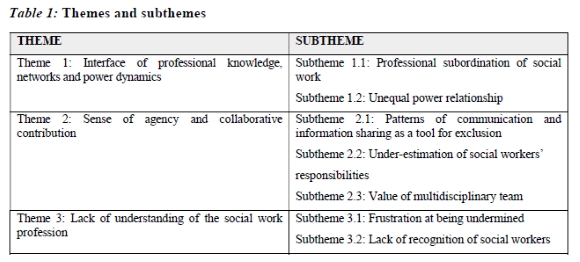
RESEARCH FINDINGSTable 1 presents the participants' demographic data and the themes and sub-themes derived from the question posed to them.
All six participants were qualified social workers. Participants highlighted the types of training courses they attended as social workers, particularly on the Domestic Violence Act, Trauma Counselling, and dealing with GBV. In the study, none of the participants had less than 3 years of work experience, and 3 participants reported having 4-6 years of work experience. The remaining two participants had 7 and 15 years of work experience.
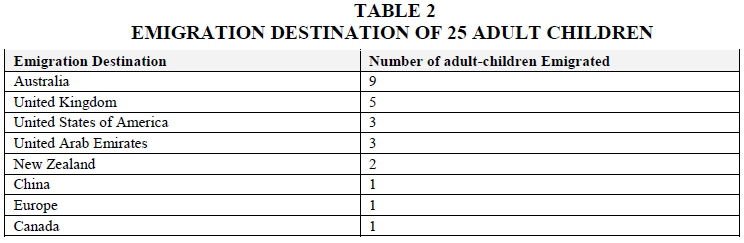
Six themes were identified from participants' responses. These themes are presented in Table 2. Participants indicated that working with victims of IPV has an emotional impact on them and has altered their feelings. Professionals who deal with victims of any form of violence are at risk of being affected by the experiences of others who have experienced trauma.
Theme 1: Emotional experiences of social workers working with victims of IPV
According to the participants, working with IPV victims changed their own feelings and had an emotional impact on them personally. Professionals who work with victims of violence of any kind run the risk of being impacted by the experiences of other traumatised people.
Subtheme 1.1: Emotional and psychological impact
Participants indicated that working with victims of IPV has an emotional impact on them personally and alters their own feelings. Professionals who deal with victims of any form of violence are at risk of being affected by the experiences of others who have experienced trauma (Nunbogu & Elliott, 2025; Willcott-Benoit & Cummings, 2024). Below are comments from professionals who participated in the study.
For some time that I have worked, I've learned not to internalise other people's issues, but it's traumatic, I must say! (P4)
You know, when you encounter a client who has been seriously abused, and when you think about it, you find yourself so emotional. (P1)
Sometimes it is very difficult to detach from the client's pain and experiences. (P5)
The participants highlighted their intense emotional experiences, such as feeling overwhelmed or emotionally involved in clients' situations. For instance, participant P1 mentioned feeling emotional when thinking about a severely abused client, while P5 noted the challenge of detaching from work-related emotions even at home. This aligns with the description of compassion fatigue by Xie et al. (2021), who note that, under these circumstances, professionals may struggle to separate their work and personal lives.
The emotional toll on social workers who work with victims of IPV is a well-documented issue in the literature. The article's findings that participants feel emotionally overwhelmed, struggle with detachment, and find the work emotionally taxing are consistent with existing research. For example, Xie et al. (2021) describe compassion fatigue as a common outcome among professionals exposed to trauma, where the boundary between the personal and the professional life becomes blurred, leading to symptoms similar to post-traumatic stress. Similarly, Agius et al. (2023) found that repeated exposure to trauma-related stories can result in secondary traumatic stress, manifesting as emotional exhaustion, irritability, and difficulty maintaining emotional boundaries.
The literature provides further evidence supporting the article's findings on the struggle to maintain emotional distance, with social workers frequently reporting feelings of sadness, helplessness, or emotional investment in clients' experiences (Molnar et al., 2017). A study by Singh and Hassard (2021) found that social workers who frequently encounter traumatic cases, such as those involving IPV, are more likely to experience higher levels of stress and emotional dysregulation, reinforcing the comments of participants in the article.
Subtheme 1.2: Feelings of vicarious trauma
Professionals working with victims of IPV are often referred to as first-line support, as they work with women who have been through various upsetting or stressful events, including being subjected to violence. This has a strenuous impact on the functioning of the social workers providing services to these clients. The experiences of the participants are captured in the comments below:
I will tell you, and I will not lie, it's difficult. It's emotional. (P3)
You have to develop a thick skin because it is traumatic and demotivating sometimes, and if you have to take it in, you'll end up not dating or sticking to your marriage, because we don't only deal with disadvantaged people because yoh! That is an experience. (P4)
Social workers reported significant emotional impacts from working with IPV victims, indicating that exposure to clients' traumatic experiences often leads to a personal sense of trauma. For instance, one participant expressed the necessity to "develop a thick skin" to cope with the job's demands, as failing to do so could affect their personal relationships (P4). This is consistent with research by Leung et al. (2023), who discussed how individuals working closely with trauma survivors might experience secondary traumatic stress.
The experiences shared by participants regarding the significant emotional impact of working with IPV victims align with research on vicarious trauma, which occurs when professionals internalise the traumatic experiences of their clients (Ferreira et al., 2023). Branson (2019 describes vicarious trauma as profound cognitive and emotional changes that result from chronic exposure to trauma narratives, affecting the helper's psychological well-being. The need to develop a "thick skin," as noted by Participant P4, is consistent with the concept of emotional desensitisation as a coping mechanism to manage overwhelming feelings (Singh & Hassard, 2021; Whitton et al., 2024).
Moreover, recent literature highlights the cumulative nature of vicarious trauma in social workers. Bercier and Maynard (2015) and Lakin (2024) found that prolonged exposure to distressing cases not only affects social workers' mental health but can also extend into their personal lives, leading to changes in interpersonal relationships, increased anxiety, and difficulty trusting others, as described by participants in this study. Conversely, some research suggests that the development of a trauma-informed perspective can foster resilience among social workers. According to Slovinsky and Brubaker (2022), social workers who adopt a trauma-informed approach, which emphasises understanding and addressing the impacts of trauma, may find greater meaning and satisfaction in their work despite the inherent emotional difficulties.
Subtheme 1.3: Impact ofprolonged exposure to IPV cases
This subtheme discusses how consistent exposure to the distressing experiences of IPV victims can lead to changes in the social worker's cognitive schemas, worldviews, and psychological well-being. The impact of long-term exposure to IPV cases, as described by participants who reported changes in their worldviews and increased personal anxiety, is confirmed by Leung et al. (2023), who investigated the effects of repeated exposure to traumatic material. Their work suggests that social workers may experience alterations in cognitive schemas related to safety, trust, and control, reflected in participants' accounts of becoming more suspicious or anxious in their personal relationships.
The findings are also consistent with research by Adams et al. (2022), which showed that social workers exposed to IPV cases often report symptoms associated with vicarious trauma, such as hyper-vigilance and persistent anxiety, resulting from their continuous engagement with clients' distressing stories. These symptoms highlight the need for interventions that address the long-term psychological impacts of working with trauma survivors.
Hearing about the repeated abuse from clients day in and day out changes the way I view relationships; I find it hard to trust people, even in my own life. (P4)
You know, sometimes I internalise the experiences from work and dealing with these cases and apply it in my relationship, which I think is unfair to my partner because sometimes I think he is lying or dishonest, which makes me always ask questions because I have anxiety. (P5)
According to Xie et al. (2021), vicarious traumatisation occurs when professionals repeatedly engage with traumatic material, leading to profound changes in their cognitive and emotional functioning.
Theme 2: Sense of accomplishment
Social workers play a crucial role in supporting survivors of intimate partner violence (IPV), often facing significant emotional and professional challenges themselves. Despite these difficulties, many social workers derive a profound sense of fulfilment from their ability to empower clients, facilitate their safety, and contribute to their wellbeing. This sense of accomplishment stems from witnessing clients regain autonomy, access vital resources, and make strides toward a violence-free life. The theme highlights the essential rewards of social work in IPV interventions, emphasising the personal and professional satisfaction that comes from making a tangible difference in clients' lives. Understanding this sense of accomplishment is essential in recognising social workers' resilience and their contributions to addressing IPV.
Subtheme 2.1: Feelings of fulfilment and satisfaction
Some participants expressed the view that despite the traumatic impact of the nature of their work, there are also feelings of fulfilment when working with the women victims. The sense of fulfilment emanated from seeing improvements in their lives; some were empowered after utilising the social work services. The following are comments from participants. Despite the emotional burden, social workers often find fulfilment and purpose. This duality of distress and fulfilment is echoed in the literature, where social workers derive a sense of accomplishment from helping clients navigate difficult situations (Baird & Jenkins, 2003). The participants' accounts of empowerment and satisfaction, especially when clients improve or become more self-sufficient, are consistent with findings by Collins-Camargo and Antle (2021), who observed that social workers report higher job satisfaction when they perceive their work as having a positive impact.
This sub-theme aligns with research on compassion satisfaction, a term that describes the pleasure derived from helping others (Garnett et al., 2023). Compassion satisfaction can be a protective factor against burnout, as it helps to reinforce the social worker's commitment to their profession, even when faced with challenging cases.
For me, it's fulfilling because I took [up] the profession with passion; I see people suffering, I wanted to help, I wanted to empower people, not only women but the entire community, because we also [do] community outreach, so we make sure we empower so that they are not caught up in the social ills, to empower them. (P5)
It's difficult, but at the end of the day, we do get success. (P2)
It is fulfilling, and it is also hard at the very same time, because remember it was not easy for them to leave their abusive partners, so some of them at first they're not even aware why they're there, 'cos it might happen that the hospital is referring some of them, so it becomes challenging at first. (P3)
Despite the traumatic nature of their work, some social workers reported finding fulfilment in helping IPV victims. Empowering clients and seeing them overcome their situations contributed to a sense of professional and personal achievement. For instance, participant P3 shared that while the work is challenging, it is also rewarding to witness the progress of clients who initially struggled to acknowledge their situation. Similarly, participant P5 emphasised a passion for community outreach to help individuals avoid social pitfalls. This theme is echoed by Crocker and Wilson (2023), who explored the dual nature of social work, where distress and fulfilment often coexist.
Theme 3: Challenges and difficulties in dealing with IPV victims
Because of the sensitive nature of working with IPV victims, some participants found it difficult to provide support to the affected clients. This is mainly because addressing IPV requires highly skilled social workers with sufficient experience and expertise. Participants' experiences are captured below under the sub-themes.
Subtheme 3.1: Complexity of IPV cases
Participants described the frustration arising from the multifaceted nature of IPV, which involves social, cultural, and economic factors. The inability to offer immediate solutions or persuade victims to leave abusive relationships contributes to a feeling of helplessness. As noted by Participant P2, convincing a client who is not ready to leave an abusive situation is particularly challenging. The complexity of IPV cases is consistent with findings by Herman (2015), who argued that social workers often face ethical dilemmas and feelings of powerlessness when dealing with trauma survivors.
It's difficult when you're working with someone who is not realising that I was in an abusive relationship, and I shouldn't go back there. So, it becomes challenging to really work on the psychology of such client. (P2)
You know It is difficult when you encounter a client that has been seriously abused and when you think about it, you find yourself so emotional. (P1)
P2 highlighted that one of the difficult things is convincing the client to leave the abusive relationship, because professional principles require us to observe the client's self-determination. However, we try to show them some light. Notably, P5 cited that some cases are very complicated, difficult, and emotionally taxing; they require experience and skills because clients will be emotionally harmed, and some of us still lack experience.
Participants described a cycle of frustration linked to the complexity of intrafamily violence. They noted that because the violence is driven by deep-rooted social, cultural, and economic factors, professionals often find themselves unable to provide immediate solutions. This lack of efficacy generates feelings of impotence, a sentiment that becomes shared among colleagues. The result is a tendency for professionals to avoid taking full responsibility when they should, further perpetuating the cycle of inaction.
Because remember it was not easy for them to leave their abusive partners, so some of them atfirst, they 're not even aware why they 're there, because it might happen that some of them are being referred by the hospital, so it becomes challenging at first, with some of them. (P3)
It's very difficult; hence we are trying so much, especially when you 're faced with a woman who's not ready to leave the relationship; you want them to leave that relationship, [but] it's like you have been to show why that relationship is not good for them. (P2)
The frustration expressed by participants regarding the complexity of IPV cases is supported by the literature, which emphasises the multifaceted nature of IPV, influenced by social, cultural, and economic factors. According to Herman (2018), IPV involves layers of psychological, emotional, and situational dynamics that make it difficult for social workers to provide immediate solutions or guide victims to leave abusive relationships. This complexity can contribute to feelings of powerlessness and frustration among social workers, who must navigate clients' autonomy while simultaneously advocating for their safety.
Research by Tarshis and Baird (2019) similarly highlights the challenge social workers face when clients exhibit ambivalence about leaving abusive relationships, often due to financial dependence or emotional attachment to the abuser. The struggle to respect clients' self-determination while ensuring their safety is a common dilemma in social work practice with IPV survivors (Bent-Goodley, 2007).
Subtheme 3.2: Emotional involvement and professional boundaries
The data also highlighted how social workers sometimes struggle to maintain professional boundaries because of the emotionally intense nature of their work. For example, P5 admitted to occasionally becoming emotionally involved, which makes it harder for them to remain objective. This finding is supported by Schmidt (2022), who noted that maintaining professional boundaries is essential to avoid vicarious traumatisation.
Sometimes you become emotionally involved and forget that you must be professional because we are human beings. (P5)
Sometimes we even think about their situation at home, so I can say it also affects us while we are at home, not at work. (P4)
The difficulty of maintaining professional boundaries, as reported by participants, is consistent with Schmidt's (2022) findings that vicarious trauma can blur the line between professional empathy and personal emotional involvement. Participants' accounts of thinking about clients' situations even outside of work echo the literature on boundary challenges in trauma work, where continuous exposure to emotionally charged situations can lead to boundary erosion. Ludick and Figley (2017) also discuss the risks associated with emotional involvement, indicating that social workers who are unable to maintain suitable boundaries may experience increased symptoms of burnout and secondary trauma. The literature suggests that setting clear boundaries and engaging in self-care practices are critical strategies for preventing the negative effects of vicarious trauma. On the other hand, some research points to effective boundary-setting strategies that can mitigate this issue. A study by Knight (2015) found that social workers who establish clear boundaries and prioritise self-care practices manage emotional involvement more successfully, thus preventing burnout. This includes regularly scheduled debriefing sessions and structured supervision.
Subtheme 3.3: Behavioural changes
Changes in interpersonal behaviour, such as increased irritability, social withdrawal, or hyper-vigilance, are usually experienced when working with clients experiencing violence. The behavioural changes reported by participants, such as exhaustion, irritability, and physical fatigue, are consistent with the symptoms associated with secondary traumatic stress, as outlined by Burelomova et al. (2018). Social workers exposed to clients' trauma may experience physical and emotional symptoms akin to PTSD, including fatigue, sleep disturbances and hypervigilance. Research by Baird and Kracen (2006) further supports these findings, noting that social workers with prior trauma histories or limited coping skills may be more vulnerable to experiencing significant behavioural changes as a result of the cumulative impact of vicarious trauma. This highlights the need for targeted interventions that enhance social workers' resilience and coping mechanisms.
I sometimes feel exhausted even before starting the day. It's like my body carries the stories of abuse I hear, and it physically weighs me down. (P3)
I sometimes feel fatigued, numb and emotionally exhausted. (P5)
The effects of secondary traumatic stress (STS) on social workers can be severe, often mirroring the symptoms of post-traumatic stress disorder (PTSD) (Collins-Camargo & Antle, 2021). Collins-Camargo and Antle (2021) further identify key factors that influence this vulnerability, including an individual's trauma history, coping strategies, and resilience. This individual risk is compounded by the organisational environment. Leung et al. (2023) found that a personal history of trauma makes social workers more susceptible to vicarious trauma (VT), particularly when organisational support is lacking.
Subtheme 3.4: Implementers' difficulties dealing with victims of IPV
Dealing with victims from diverse walks of life and experiences makes it difficult to render services efficiently and effectively. Participants in the study concurred with the results from a study by Tarshis and Baird (2019) that the frustration felt by professionals is often associated with the complexity of intrafamily violence situations. It emerges from a series of socio-cultural and economic factors that make it a difficult problem to solve, and the inability to give immediate answers to the phenomenon contributes to the dissemination of feelings of impotence and frustration among professionals (Cattaneo & Goodman, 2015). Consequently, this leads them not to deal effectively with situations that require their professional responsibilities. The following comments from participants expressed the difficulties they experienced when dealing with victims of IPV.
It's difficult when you're working with someone who is not realising that I was in an abusive relationship, and I shouldn't go back there. So, it becomes challenging. (P2)
You know it is difficult when you encounter a client that has been seriously abused, and when you think about it, you find yourself so emotional. (P1)
Because remember it was not easy for them to leave their abusive partners; so, some of them at first they're not even aware why they're there, because it might happen that the hospital is referring some of them; so, it becomes challenging at first, with some of them. (P3)
Participants indicated that the most difficult aspect of working with victims is their inability to make rational decisions about their relationships. The challenges faced by social workers can be associated with the fact that, according to Bikinesi et al. (2017), IPV survivors are often hesitant to disclose their situation because of the stigma associated with it. Many survivors have had bad experiences with social workers who fail to detect their problems or deny that they exist. Stigma has been identified as one of the challenges, as victims deny the extent of their problem. It has been known from a feminist perspective dating back at least to Lenore Walker in The Battered Woman Syndrome (2006) that the consequences of violence directed at women are serious. The author identified the symptomatology of the woman victim of physical, sexual, and/or psychological violence, identifiable through six criteria: intrusive memories of the traumatic events, high levels of anxiety, avoidance behaviour, disrupted interpersonal relationships, body image distortion, and sexual intimacy issues. This pertains to the challenges faced by victim empowerment services in assisting victims to make decisions about leaving abusive relationships. Carnevale et al. (2020) note that abusive behaviour is not a one-time event but a cyclical process. First, an abusive incident occurs. Subsequently, the perpetrator may revert to a loving and submissive demeanour, seeking forgiveness and promising change. This behaviour, they argue, interacts with the victim's psychological state and practical dependencies, ultimately reinforcing the traumatic bond and making it difficult for the victim to leave. Hence, the violent relationship is maintained. Once the abuse ends, the cycle soon repeats itself, and moments of respite become shorter and shorter; this is what makes it so difficult for women victims to take decisive action.
Theme 4: Coping strategies and resilience
Supporting victims of intimate partner violence (IPV) frequently exposes social workers to emotionally taxing and high-stress situations that can affect their well-being and effectiveness in their jobs. They use a variety of coping mechanisms to build resilience and overcome these obstacles, enabling them to continue offering helpful support. This theme examines the adaptive strategies social workers use to reduce the emotional toll of their work, including professional development, peer support, supervision, and self-care techniques. Understanding these tactics is crucial for improving their own workplace wellbeing and avoiding burnout, as well as guaranteeing that IPV survivors receive consistent, high-quality services.
Subtheme 4.1: Developing emotional resilience and peer support
Participants emphasised the need to cultivate emotional resilience as a coping strategy to manage the effects of vicarious trauma. Learning not to internalise clients' problems was mentioned by P4 as a crucial approach to surviving the emotional demands of social work. Developing resilience strategies aligns with Mangolele and Calitz (2025), who work on human adaptability and the psychological mechanisms that help individuals cope with adversity.
You learn to be strong for the sake of clients and do not easily show that you are affected. (P1)
You need to be resilient and inspire hope in the participants. (P3)
As noted by participants, the value placed on peer support for debriefing is widely supported in the literature. Newell and MacNeil (2010) emphasise that peer support networks provide a critical source of emotional validation and shared understanding, which can alleviate the emotional burden associated with trauma work. Colleagues who share similar experiences can offer insights and suggest coping strategies, making it easier for social workers to process their emotions. Bride and Teachey (2017) also found that social workers who regularly debrief with peers are better able to manage stress and reduce the risk of vicarious trauma, suggesting that peer support is an essential component of self-care practices in social work.
Most of the time, we share our experiences and pain as colleagues. (P6)
We relied on experienced colleagues who have knowledge and capacity, but it is not easy; we need professional debriefers. (P4)
Participants' emphasis on developing emotional resilience aligns with the literature on the importance of adaptive coping strategies for managing the demands of social work. Bonanno (2004) describes resilience as the ability to maintain stable functioning and recover from adversity, which can be cultivated through reflective practice, mindfulness, and professional development.
The accounts of social workers learning not to internalise clients' problems align with Grant et al.'s (2014) findings, and Mhlongo (2019) suggests that building resilience is crucial for social workers to avoid burnout and maintain their emotional well-being. Strategies such as emotional regulation, cognitive reframing, and seeking professional support are commonly cited in the literature as effective means of enhancing resilience among trauma workers (Karam & Blow, 2022). Ferraro (2024) further indicates that while informal peer support is beneficial, it may not be an effective substitute for professional supervision and therapeutic debriefing. There is a risk that informal support may not provide the depth needed to address complex emotional reactions, leading to unresolved emotional stress.
LIMITATIONS OF THE STUDYThis research is limited by several factors that need to be acknowledged. The first is that the sample size of six social workers limits generalisability. Although the data collected provides comprehensive information, it cannot be assumed to be representative of the entire population of social workers in the Ekurhuleni district, Gauteng province, or the entire country of South Africa. The geographic specificity of the research to a single district also limits the generalisability of the results, because the experiences of social workers elsewhere would vary significantly based on differences in infrastructure, resources, and communities. Furthermore, the data-collection method of self-reported information through semi-structured interviews is susceptible to social desirability bias and participants' underreporting of their emotional issues because of professional stigma or fear of disapproval. Among these limitations is also the lack of input from other stakeholders, such as programme managers or mental health professionals, whose views could have brought to light a broader picture of support mechanisms, or lack thereof, within victim empowerment programmes. Lastly, whereas the findings highlight the significance of organisational support, the study does not conduct an in-depth examination of the organisational setting, e.g., whether there is adequate training, debriefing practices, or structural obstacles that may hinder social workers' access to support services.
RECOMMENDATIONSThe following recommendations are made for social work practice in victim empowerment.
Individual support: To strengthen social workers' capabilities in rendering victim empowerment services through:
• Advocating for the adoption of self-care and resilience practices. It is crucial to enable social workers to prioritise self-care and engage in behaviours that promote resilience in order to reduce the impact of vicarious trauma.
• Regular debriefing services by internal and external partners to help neutralise trauma experiences. Given the centres' daily caseload, debriefing needs to be structured as a weekly activity for service implementers.
• Peer review sessions, which should be incorporated into the daily routine to establish the emotional state of service implementers and provide emotional support;
• Self-care programmes for implementers, which need to be prioritised and funded by the funding entities when designing grant activities;
• Self-care strategies, which need to be incorporated into personal development for implementers. Because of the caring nature of professionals working with violence, self-care is considered one of the most important preventive strategies for dealing with compassion fatigue. Implementers could be capacitated to identify and address the source of stress.
• Courses for employees on mindfulness meditation and offering wellness programmes that motivate social workers to integrate self-care practices into their daily routines, bolstering their resilience in dealing with vicarious trauma.
Organisational support: Organisations can raise awareness of compassion fatigue, its causes, risk factors, and effective interventions, as many organisational managers are unaware of its nature and the potential for it to lead to burnout. Organisations can offer tools and training programmes focusing on mindfulness, stress management, and self-care practices.
Organisational support can also include creating a supportive environment. Trauma-informed workplaces recognise the influence of vicarious trauma and prioritise the welfare of social workers. Organisations can establish policies that support adaptability, offer mental health services, and foster a healthy equilibrium between work and personal life. To achieve this, managers, peers (colleagues, and inter-professional support can play a significant role.
An increase in the number of staff who are skilled and trained to address IPV, along with a corresponding increase in the staff budget, would equip social workers to perform their core functions and responsibilities, thereby improving VE service delivery and establishing work environments that account for the impact of trauma. Providing social workers with the option to have flexible working hours and access to counselling services helps establish a supportive atmosphere that acknowledges and deals with the impacts of vicarious trauma. Implementing reflective supervision, which promotes the practice of social workers engaging in thoughtful examination of their emotional reactions to clients' trauma, which in turn cultivates their self-awareness and ability to bounce back from challenges. Supervisors should encourage and enable open conversations regarding vicarious trauma and offer helpful comments to promote the emotional well-being of social workers. Supervisors can initiate introspective inquiries to help social workers examine their emotions and responses to difficult cases, enabling them to recognise individual triggers and develop strategies to manage them.
Social support strategies: Family and community backing form a fundamental basis for support. Family support includes appropriate care from parents, spouses, children, and friends. The family is a fundamental source of assistance for social workers professionally. Creating peer support networks also enables social workers to engage with fellow professionals who can empathise with their experiences, offering a forum for reciprocal assistance and the exchange of coping mechanisms. Regular peer support meetings provide a safe environment for social workers to discuss their experiences, exchange guidance, and find motivation, thereby cultivating a sense of community and collective empowerment.
Future research: Future researchers should consider expanding the sample size and including participants from multiple districts or provinces to enhance the generalisability of findings. Longitudinal studies could offer insight into how vicarious trauma develops and changes over time. Including perspectives from supervisors, programme managers, and mental health professionals could provide a more holistic understanding of systemic support mechanisms. Future research should also explore the effectiveness of specific organisational interventions and self-care strategies in mitigating vicarious trauma among social workers in high-risk environments.
CONCLUSIONS
The study found that working with victims of IPV had an emotional impact on participants on a personal level and altered their perceptions of life and even relationships. Participants indicated that, as professionals who deal with victims of any form of violence, they are at risk of being affected detrimentally by the experiences of others who have experienced trauma. It also emerged from the study that social workers feel that dealing with victims of IPV generates traumatic responses for them. But it also emerged that working with others who are experiencing trauma can bring a sense of satisfaction to those who are providing healing and support, despite the admission that dealing with trauma victims is highly challenging because of the complex nature of IPV. The study concluded that professionals who deal with victims of any form of violence are at risk of being affected by the experiences of others who have experienced trauma, especially IPV, since the violence is perpetrated by those whom the victims trust. The study therefore deduced that because of the amount of vicarious trauma that implementers (social workers) of VE programmes experience, it is imperative that psychological support in the form of debriefing be incorporated into workplace support for them.
REFERENCES
-
Adams, R. E., Boscarino, J. A., & Figley, C. R. (2022). Secondary traumatic stress and burnout among trauma workers: A review of the literature. Traumatology, 12(1), 1-9. https://doi.org/10.1177/1534765606297812
» https://doi.org/10.1177/1534765606297812 - Agius, A., Falzon, R., Formosa, P., & van Vliet, V. (2023). Compassion fatigue and factors that enhance compassion satisfaction impact Gestalt psychotherapists. International Journal of Social Welfare, 17(2), 132-145.
- Baird, K., & Kracen, A. C. (2006). Vicarious traumatization and secondary traumatic stress: A research synthesis. Counselling Psychology Quarterly, 19(2), 181-188.
- Baird, S., & Jenkins, S. R. (2003). Vicarious traumatization, secondary traumatic stress, and burnout in sexual assault and domestic violence agency staff. Violence and Victims, 18(1), 71.
- Bent-Goodley, T. B. (2007). Teaching social work students to resolve ethical dilemmas in domestic violence. Journal of Teaching in Social Work, 27(1-2), 73-88.
-
Bercier, M. L., & Maynard, B. R. (2015). Interventions for secondary traumatic stress with mental health workers: A systematic review. Research on Social Work Practice, 30(1), 81-93. https://doi.org/10.1177/1049731513517142
» https://doi.org/10.1177/1049731513517142 - Bikinesi, L. T., Mash, R., & Joyner, K. (2017). Prevalence of intimate partner violence and associated factors amongst women attending antenatal care at Outapi clinic, Namibia: A descriptive survey. African Journal of Primary Health Care & Family Medicine, 9(1), 1-6.
- Bonanno, G. A. (2004). Loss, trauma, and human resilience: Have we underestimated the human capacity to thrive after extremely aversive events? American Psychologist, 59(1), 20.
- Branson, D. C. (2019). Vicarious trauma, themes in research, and terminology: A review of literature. Traumatology, 25(1), 2.
- Bride, K., & Teachey, D. (2017). Autoimmune lymphoproliferative syndrome: more than a FAScinating disease. F1000Research, 6, 1928.
-
Burelomova, A. S., Gulinaa, M. A., & Tikhomandritskaya, O. A. (2018). Intimate partner violence: An overview of the existing theories, conceptual frameworks, and definitions. Psychology in Russia: State of the Art, 11(3), 128-144. https://doi.org/10.11621/pir.2018.0309
» https://doi.org/10.11621/pir.2018.0309 - Carnevale, S., Di Napoli, I., Esposito, C., Arcidiacono, C., & Procentese, F. (2020). Children witnessing domestic violence in the voice of health and social professionals dealing with contrasting gender violence. International Journal of Environmental Research and Public Health, 17(12), 4463.
-
Cattaneo, L. B., & Goodman, L. A. (2015). What is empowerment anyway? A model for domestic violence practice, research, and evaluation. Psychology of Violence, 5(1), 84-94. https://psycnet.apa.org/doi/10.1037/a0035137
» https://psycnet.apa.org/doi/10.1037/a0035137 -
Collins-Camargo, C., & Antle, B. (2021). The role of organizational and supervisory support in mitigating secondary traumatic stress and burnout among child welfare workers. Journal of the Society for Social Work and Research, 12(4), 613-639. https://doi.org/10.1086/717481
» https://doi.org/10.1086/717481 - Creswell, J. W., & Poth, C. N. (2018). Qualitative inquiry and research design: Choosing from among five approaches. Sage.
- Crocker, A., & Wilson, L. (2023). Resilience of social auxiliary workers: Defined by strengths and coping abilities. Social Work/Maatskaplike Werk, 59(3), 196-227.
- Ferraro, C. (2024). The impact of peer support on perceived stress, PTSD symptoms, and attitudes towards seeking mental help in police officers (Doctoral dissertation). Liberty University, United States.
- Ferreira, E., Figueiredo, A. S., & Santos, A. (2023). Understanding the emotional impact and coping strategies of professionals working with domestic violence victims. Social Sciences, 12(9), 525.
- Garnett, A., Hui, L., Oleynikov, C., & Boamah, S. (2023). Compassion fatigue in healthcare providers: A scoping review. BMC Health Services Research, 23(1), 1336.
- Grant, L., Kinman, G., & Fountain, R. (2014). Social work and wellbeing: Setting the scene. In Grant, L., & Kinman, G. (Eds.). Developing resilience for social work practice. Bloomsbury Publishing.
- Herman, J. L. (2015). Trauma and recovery: The aftermath of violence-from domestic abuse to political terror. Hachette.
- Hwang, H. J. (2023). The importance of anonymity and confidentiality for conducting survey research. Journal of Research and Publication Ethics, 4(1), 1-7.
- Karam, E. A., & Blow, A. J. (2022). Bringing common factors to life in couple and family therapy. Routledge.
- Knight, C. (2015). Trauma-informed social work practice: Practice considerations and challenges. Clinical social work journal, 43(1), 25-37.
- Lakin, C. (2024). Therapist's lived experience of vicarious trauma. (Doctoral thesis). Alliant International University, United States.
- Leburu-Masigo, G. E. (2020). Evaluating the Social Work Services within the Victim Empowerment Programme in addressing gender-based violence in the North West Province (Doctoral dissertation, North-West University (South Africa).
- Leung, T., Schmidt, F., & Mushquash, C. (2023). A personal history of trauma and experience of secondary traumatic stress, vicarious trauma, and burnout in mental health workers: A systematic literature review. Psychological Trauma: Theory, Research, Practice, and Policy, 15(S2), S213.
- Lotfi, R., Ramezani Tehrani, F., Merghati Khoei, E., Yaghmaei, F., & Dworkin, S. L. (2013). How do women at risk of HIV/AIDS in Iran perceive gender norms and gendered power relations in the context of safe sex negotiations?. Archives of Sexual Behavior, 42(5), 873-881.
- Ludick, M., & Figley, C. R. (2017). Toward a mechanism for secondary trauma induction and reduction: Reimagining a theory of secondary traumatic stress. Traumatology, 23(1), 112.
- Majumdar, A. (2019). Thematic analysis in qualitative research. In Qualitative techniques for workplace data analysis (pp. 197-220). IGI Global Scientific Publishing.
- Makongoza, M. F. B. (2016). Intimate Partner Violence (IPV) Among Young People from Sowetho, Johannesburg (Doctoral dissertation) University of the Witwatersrand, South Africa.
- Mangolele, L. R., & Calitz, T. M. (2025). Exploring the resilience skills and strategies of social workers. Health SA Gesondheid, 30, 2795.
- Massey, K. (2023). The impacts of working with victims of sexual violence: A rapid evidence assessment. Trauma, Violence, & Abuse, 24(1), 56-71.
- McCann, I. L., & Pearlman, L. A. (1990). Vicarious traumatization: A framework for understanding the psychological effects of working with victims. Journal of Traumatic Stress, 3(1), 131-149.
- Mhlongo, L. P. (2019). An exploration of the lived experiences of social workers dealing with victims of intimate partner violence at Ehlanzeni District. (Master's thesis). University of Limpopo, South Africa.
- Michalopoulos, L. M., & Aparicio, E. (2012). Vicarious trauma in social workers: The role of trauma history, social support, and years of experience. Journal of Aggression, Maltreatment & Trauma, 21(6), 646-664.
- Molnar, B. E., Sprang, G., Killian, K. D., Gottfried, R., Emery, V., & Bride, B. E. (2017). Advancing science and practice for vicarious traumatization/secondary traumatic stress: A research agenda. Traumatology, 23(2), 129.
- Newell, J. M., & MacNeil, G. A. (2010). Professional burnout, vicarious trauma, secondary traumatic stress, and compassion fatigue. Best Practices in Mental Health, 6(2), 57-68.
- Nunbogu, A. M., & Elliott, S. J. (2025). Gender-based violence in WASH: A threat to global health security. In J. Joachim, A. Kronsell, & N. Dalmer (Eds), Handbook on Gender and Security (pp. 409-421). Edward Elgar Publishing.
- Phillips, A., & Abdulla, Z. (2021). Judicial officers' experiences of including victim impact reports in the criminal justice process. Social Work/Maatskaplike Werk, 57(1), 39-56.
- Schmidt, M. K. (2022). Exploring clinical supervisors' experiences with indirect exposure to trauma. (Doctoral thesis). University of Northern Colorado, United States.
-
Sibanda-Moyo, N., Khonje, E., & Brobbey, M. K. (2017). Violence against women in South Africa: A country in crisis. Oxfam and the Centre for the study of violence and reconciliation, South Africa. https://www.csvr.org.za/pdf/CSVR-Violence-Against-Women-in-SA.pdf
» https://www.csvr.org.za/pdf/CSVR-Violence-Against-Women-in-SA.pdf -
Singh, J., & Hassard, J. (2021). Emotional labour, emotional regulation strategies, and secondary traumatic stress: A cross-sectional study of allied mental health professionals in the UK. The Social Science Journal, 1-15. https://doi.org/10.1080/03623319.2021.1979825
» https://doi.org/10.1080/03623319.2021.1979825 - Slovinsky, T., & Brubaker, S. J. (2022). Prosecution as a" soul crushing" job: Emotional labor and secondary trauma in working sexual assault cases. Violence & Victims, 37(5).
- Tarshis, S., & Baird, S. L. (2019). Addressing the indirect trauma of social work students in intimate partner violence (IPV) field placements: A framework for supervision. Clinical Social Work Journal, 47(1), 90-102.
- Walker, L. E. (2006). Battered woman syndrome: Empirical findings. Annals of the New York Academy of Sciences, 1087(1), 142-157.
- Whitton, S. W., Devlin, E. A., Lawlace, M., & Newcomb, M. E. (2024). Disclosure and help-seeking experiences of sexual and gender minority victims of intimate partner violence: A mixed-methods study. Journal of Interpersonal Violence, 39(7-8), 1373-1397.
- Willcott-Benoit, W., & Cummings, J. A. (2024). Vicarious growth, traumatization, and event centrality in loved ones indirectly exposed to interpersonal trauma: A scoping review. Trauma, Violence & Abuse, 25(5), 3643-3661.
- Xie, W., Chen, L., Feng, F., Okoli, C. T., Tang, P., Zeng, L., & Wang, J. (2021). The prevalence of compassion satisfaction and compassion fatigue among nurses: A systematic review and meta-analysis. International Journal of Nursing Studies, 120, 103973.
Article accepted: 28/05/2025
Article published: 20/03/2026