Milking into a leaking bucket: Rethinking social grants for community economic development in Kaalpan Rural Village, North West, South Africa
Abstract
This article explores how social grants can be repositioned as drivers of community economic development (CED) in rural South Africa. The study aimed to examine the role of grants in shaping local economic activity, assess patterns of economic leakage, and identify strategies to retain and leverage grant flows for sustainable livelihoods. The guiding research question was: How can social grants be harnessed to promote community-level economic development in under-resourced rural settings? Using a participatory case study design, the research employed tools such as the "leaky bucket" method to map local spending flows. Findings reveal that although social grants provide vital income support, most of this income rapidly exits local economies as a result of weak enterprise ecosystems and limited local production. However, the study also uncovered strong social capital, cultural practices such as letsema, and informal financial systems like stokvels that offer pathways for locally driven development. The study contributes to social work theory by advancing a decolonised, asset-based approach within the social development paradigm. It repositions local social work practice as a facilitator of economic agency, intersectoral collaboration and collective action. Internationally, the study aligns with emerging trends that connect social transfers to local economic resilience, especially in the Global South.
asset-based community development (ABCD); community economic development; economic leakage; lekgotla method; social development approach; social grants; Sustainable Development Goals
INTRODUCTION
In 1994, South Africa's transition to democracy generated renewed hope for a better, more inclusive and just society, and for a prosperous future, particularly among communities long marginalised under apartheid. In the decades that followed, some developmental gains were made; however, despite these gains South Africa continues to confront persistent structural challenges, including high unemployment, deepening poverty and widening inequality, all of which constrain social and economic development (Mosebua et al., 2024; Seekings & Nattrass, 2015). These persistent structural inequalities, particularly those rooted in apartheid's spatial designs, continue to entrench high levels of rural poverty (Seekings & Nattrass, 2015; South African Catholic Bishop's Conference, 2012).
Bila and Biyase (2022) report that the poverty headcount ratio in rural areas was approximately 81.3%, compared to 40.7% in urban areas, based on Statistics South Africa's 2017 estimates. Mamabolo et al. (2023) similarly find that 53.5-65% of rural South Africans lived below the poverty line between 2015 and 2017, confirming that poverty remains heavily concentrated in rural districts. These areas also tend to exhibit higher poverty gap ratios, indicating not only more poverty but deeper poverty (Mamabolo et al., 2023).
The impact of poverty in rural areas affects mainly women and children. Recent statistics confirm ongoing challenges experienced by women and children in rural areas. According to the General Household Survey (GHS) (Statistics South Africa [StatsSA], 2025a), female-headed households are higher in rural areas (47,1%) compared to urban areas (40,4%). The GHS reports that 50,3% of children in rural areas live in female-headed households compared to 42,1% in urban settings. Furthermore, the GHS shows that 26,8% of children in rural areas live with neither parents compared to 18% in urban areas, which may reflect alternative caregiving arrangements such as extended family care, foster care, or, in some cases, child-headed households (Statistics South Africa, 2025a).
High levels of unemployment also affect mainly women (35,1%) compared to men (29,3%) and youths (NEETS, 15-24 years: 33,9%; 15-35 years: 42,7) (StatsSA, 2025b). While, on average, unemployment is higher in rural areas, the Quarterly Labour Force Survey (QLFS), Q3: 2025 show the highest rate of both the official and expanded unemployment in rate in two rural provinces - Eastern Cape: Official 42, 2% and expanded 47,7%; North West: Official - 38,1% and expanded - 52,5%, the highest among all provinces (StatsSA, 2025b). As a result, various types social grants are the largest social protection mechanism in South Africa, designed to mitigate the impact of poverty among the poor and vulnerable, including women, children, people with disabilities and older persons (Chagunda, 2019; Moses & Woolard, 2023; Patel et al., 2015; Phaahla, 2015). The percentage of individuals who benefited from social grants increased gradually from 12,8% in 2003 to approximately 31% between 2017 and 2019 before rising steadily to 40,1% in 2024 (StatsSA, 2025a), with the highest percentage of beneficiaries (67%) being children (South African Social Security Agency [SASSA], 2024). (StatsSA, 2025a). Social grants were also found to be the second most important source of income (50,9%) for households after salaries (62,2%) (StatsSA, 2025a).
Furthermore, social grants help reduce poverty and stimulate local economies by enabling small businesses (Neves et al., 2009; Nnaeme et al., 2020; Patel et al., 2023). Social grants also stimulate local trade through household expenditure on goods and services within local economies (Jacobs et al., 2010). However, economic benefits often leak out of communities as spending goes to large retailers and foreign-owned shops (Liegeman et al., 2013; Saba, 2017).
Understanding social grant expenditure and economic leakages is a critical developmental social work concern, as grants can strengthen capabilities, participation and wellbeing. This reflects Midgley's (1995, 2017) view that social and economic interventions must be integrated for empowerment and long-term change, and Patel and Midgley's (2023) emphasis on social protection as a driver of resilience and reduced inequality. Examining leakages advances theory on promotive and transformative social protection while informing practice strategies such as economic literacy, community mobilisation and cooperative development. The article therefore contributes towards addressing developmental social work's mandate for social and economic justice.
South Africa's post-apartheid era has seen major growth in its social protection system, particularly through social grants. Public spending rose from R10.5 billion in 1994 to R266 billion in 2024, with beneficiaries increasing from 2.7 million to 19.7 million (Republic of South Africa [RSA], 2024). Much of this support is concentrated in rural provinces such as KwaZulu-Natal, Limpopo, Eastern Cape, Mpumalanga and North West, where poverty and unemployment remain pervasive. In 2025, the North West province recorded an official unemployment rate of 38.1 percent and an expanded rate of 52.5 percent in the 3rd quarter (StatsSA, 2025a). Rural poverty is strongly gendered: 47.1 percent of rural households are female-headed, and 50.3 percent of rural children live with only their mothers (StatsSA, 2025b). These conditions highlight the ongoing relevance of SDG 1 (No Poverty), SDG 5 (Gender Equality), SDG 8 (Decent Work), and SDG 10 (Reduced Inequality).
Internationally, cash transfer programmes have become vital tools for poverty reduction. By 2014, more than 64 countries across Africa, Asia and Latin America had adopted such programmes (Kabeer & Waddington, 2015). Empirical evidence shows that these transfers positively affect health, education, food security and women's empowerment (Brenyah & Domfe, 2019). Two such cash transfer programmes, Mexico's Prospera and Brazil's Bolsa Família, demonstrate how conditional and unconditional transfers can yield both protective and productive impacts when embedded in participatory governance mechanisms (Dávila Lárraga, 2016). In Bangladesh, transfers have enabled food security and supported small business development even in areas with weak infrastructure (Begum et al., 2021). These global lessons align with Midgley's (1995) social development approach, which integrates social and economic policy, while emphasising participation and capacity-building. Patel and Midgley (2023) further frame this as a developmental welfare paradigm promoting agency and complementing SDG aspirations.
Within South Africa, social grants are indispensable for rural livelihoods, particularly given the scarcity of formal employment. Grants are typically used to secure food, support education and sustain informal livelihood activities such as subsistence farming, home gardening and trading (Makondo & Ross, 2024; Sekhampu & Grobler, 2011). Yet structural challenges - including spatial marginalisation, gender inequality, limited land access and inadequate infrastructure - continue to restrict their developmental potential (Hajdu et al., 2020). Midgley (1995, 2017) argues that sustainable impacts depend on embedding social protection within strategies that promote economic participation.
Despite these constraints, many recipients are already using transfers for small-scale asset building and income generation. Examples include poultry projects, vegetable gardens and livestock investments (Hajdu et al., 2020; Nnaeme et al., 2020). Women, particularly child support grant beneficiaries, often demonstrate increasing economic agency through informal enterprises, savings groups and stokvels (Patel & Hochfeld, 2011; Patel et al., 2015; Thosago, 2018). These activities mirror Sabates-Wheeler and Devereux's (2009) conceptualisation of social protection not only as protective, but also preventive, promotive and transformative.
South African policy discourse recognises social assistance as more than a protective measure, emphasising its developmental potential to stimulate local economic activity and inclusive participation. This approach is reflected in the National Development Plan 2030 (National Planning Commission, 2012) and aligns with Agenda 2063 (African Union, 2015) and SDGs 1 and 8 (United Nations, 2015).
Recent scholarship calls for linking social grants more purposefully with community economic development (CED). Garidzirai and Chikuruwo (2020) argue that social transfers should be combined with enterprise development to strengthen local economies. Similarly, Patel et al. (2023) advocate integrated approaches connecting beneficiaries to cooperatives, local economic development units and informal sector support. An example is the Generating Better Livelihoods initiative, developed by the Department of Social Development and FinMark Trust, which pilots community-driven income-generation strategies (Mupenzi, 2024).
Even though social grants provide purchasing power to households (Jacobs et al., 2010; Neves et al., 2009), rural economies often continue to experience high levels of financial leakage due to underdeveloped local markets and limited local production capacity. As a result, much of the grant income flows out of the community to external retailers. National enterprise policies frequently overlook the informal economy that underpins many rural livelihoods (Du Toit & Neves, 2006; Neves & Du Toit, 2012). Patel et al. (2018) therefore argue for locally grounded, community-led strategies capable of strengthening rural enterprise ecosystems and reducing dependency on external markets.
Strengthening these local development pathways requires shifts in professional practice. Social workers, community development practitioners and South African Social Security Agency (SASSA) staff must increasingly operate as social development practitioners who facilitate livelihood planning, economic education, and linkages to cooperative and enterprise support. This reorientation aligns social work with broader national and global development objectives, and enhances its contribution to SDGs addressing poverty, gender equality, decent work and inequality (United Nations, 2015).
In conclusion, social grants remain central to poverty alleviation and household survival in South Africa's rural areas. However, their broader developmental potential depends on stronger integration between social protection and community economic development strategies. Approaches grounded in social development and rooted in participation and local agency can help transform grants into catalysts for inclusive and sustainable rural development.
THEORETICAL FRAMEWORKThis study is grounded in a multidimensional theoretical framework that integrates four perspectives - social protection, social development, asset-based community development (ABCD) and community economic development (CED) - to understand how social grants can function not merely as welfare support, but as catalysts for inclusive, citizen-driven economic transformation.
The social protection framework, as outlined by Sabates-Wheeler and Devereux (2009), consists of protective, preventive, promotive and transformative elements designed to alleviate deprivation, prevent deeper poverty, enhance capabilities and challenge structural inequality. The National Planning Commission (2012) further introduces a developmental and generative function, emphasising the productive potential of grant income. This perspective directly informs the study's interest in how grant-related household spending can stimulate local economies, support enterprise and contribute to sustainable livelihoods.
Empirical evidence strengthens this conceptualisation. Nnaeme (2022) demonstrates that social grants both protect households and enable participation in the local economy through informal trade and small-scale entrepreneurship. Such findings highlight grants as enabling resources that enhance agency and align with the promotive and transformative dimensions of social protection. Broader Southern African research confirms that cash transfers shape livelihood decisions, autonomy and financial behaviour (Daidone et al., 2019; Fisher et al., 2017; Neves et al., 2009). Similarly, Nnaeme et al. (2020) show that grants "enable agency through livelihoods," supporting micro-enterprise activity and informal income generation.
The social development approach further contributes by emphasising the interconnectedness of social and economic development. Midgley (1995) and Patel and Midgley (2023) argue that social interventions should enhance human capabilities, promote participation and strengthen resilience. From this perspective, social grants become instruments for inclusive socio-economic engagement rather than residual welfare. Evidence illustrates that grants promote savings, micro-enterprise and financial autonomy (Di Lollo, 2010).
ABCD adds a strengths-based dimension that focuses on community assets, skills, relationships, institutions and cultural resources, as the basis for development (Kretzmann & McKnight, 1993). Social capital, including trust and cooperation, enables collective action (Mathie & Cunningham, 2003). Research shows that predictable grants stimulate informal economic activity where social capital is strong (Nnaeme, 2022) and that self-help group participation enhances psychosocial and social support (Di Lollo, 2010).
CED complements these approaches through its emphasis on locally driven economic participation, community ownership and local income recirculation (Shaffer et al., 2006). Evidence shows that social grants foster local economic engagement and support post-COVID recovery (Nnaeme, 2022). Combined with principles of the collaborative economy (Gómez-Alvarez & Morales-Sánchez, 2021), these frameworks show how communities can convert social grant inflows into long-term, inclusive and sustainable economic development.
METHODOLOGY
A qualitative participatory action research (PAR) approach was used to examine factors contributing to social grant leakage and identify strategies to strengthen local economic retention. PAR's collaborative, action-oriented and empowering nature supports systematic inquiry, collective reflection and shared decision-making (Vaughn & Jacquez, 2020). It also builds critical awareness and participants' capacity to analyse their socio-economic conditions (Feekery, 2023). This approach aligned with the study's goal of redirecting grant expenditure toward locally owned, community-driven enterprises to strengthen local economic retention and promote sustainable community economic development.
Study context
The study was conducted in Kaalpan, a rural settlement on Trust land in Ward 25 of the Mahikeng Local Municipality, North West province. Rural areas in South Africa are characterised by low-density settlement patterns, limited services and constrained economic diversification, shaped by colonial and apartheid spatial planning and marked by communal or Trust land (Mubangizi, 2023; RSA, 2023). Kaalpan faces severe economic hardship, with most households reliant on social grants. The North West's unemployment rate is 38.1 percent, rising to 47.5 percent on the expanded definition (StatsSA, 2025b), while 46.1 percent of individuals and 55.6 percent of households depend on grants (StatsSA, 2025a), underscoring the need to link grants to local economic opportunities.
Recruitment of participants
Participants were selected using purposeful sampling and snowball sampling (Babbie, 2014; Creswell & Poth, 2018; Palinkas et al., 2013). The selection criteria included both recipients and non-recipients of social grants who were 18 years and older, residing in the community, and engaged in formal or informal economic activities such as stokvels, cooperatives and tuck shops (Babbie, 2014; Creswell & Poth, 2018). The inclusion of non-recipients who operated micro and small businesses was deliberate, as their participation provided insight into the extent to which social grant recipients supported local enterprises and the degree to which grant income circulated within the community. This was essential for assessing patterns of local spending and identifying the nature and scale of economic leakage. A total of 12 participants were recruited, comprised of six males, one of whom received a social grant, and six females, all of whom were grant recipients. The predominance of women among grant recipients reflects national trends, as women account for the majority of social grant beneficiaries because of their role as primary caregivers of children (SASSA, 2025; Wright et al., 2014).
Data-collection method
Data were collected using the qualitative lekgotla method together with the quantitative leaky bucket tool. Lekgotla, an indigenous and decolonised Batswana workshop method, was selected for its cultural appropriateness, participatory nature and reliance on the local language, which together create an inclusive and respectful environment for dialogue (Keikelame & Swartz, 2019; Tsima, 2018). As a traditional community meeting space, it enables participants to learn collectively, share experiences and appreciate local knowledge without fear (Rasweswe, 2023). The leaky bucket tool was used to map how social grant income enters and exits households, deepening participants' understanding of community economic flows and opportunities to retain the benefits of the grant income locally (Cunningham, 2011; Peters et al., 2011). The Setswana metaphor go gamela mo kgamelong e dutlang (milking into a leaking bucket) further reinforced the tool's meaning and relevance. The leaky bucket process is explained in Figure 2.
The following questions guided the lekgotla 'leaky bucket' activity:
What are the sources of income of households?
What are the common products that households buy with the social grants received?
Where do households buy the identified products and why?
What is the estimated cost of the goods and services households buy and the extent of the leakage?
What are the factors limiting locally owned businesses from supplying the goods and services demanded by the local consumers?
What type of interventions can be implemented to plug the leakages?
Data analysis
Data-analysis approach
The study adopted a qualitative systematic thematic analysis approach to explore social grant spending patterns and economic leakages in rural communities. This approach was deemed appropriate because of its capacity to uncover rich, patterned meanings within qualitative data, while offering both structure and flexibility (Naeem et al., 2023). Thematic analysis, as described by Braun and Clarke (2006), provided a coherent framework for identifying, organizing and interpreting themes that emerged from participant narratives, and in this study particularly as they relate to economic behaviours and decision-making processes in low-income rural settings. In alignment with the study's participatory ethos and asset-based orientation, the analysis foregrounded community voices and lived experiences. This not only ensured contextual depth, but also supported a decolonized interpretation of economic practices through a perspective grounded in indigenous knowledge systems and localized realities.
Analytical process
The analysis followed Braun and Clarke's (2006) six-phase process, adapted to the participatory nature of the study. Data were transcribed and repeatedly read for familiarisation, then inductively coded to capture patterns related to spending behaviours and perceptions of local markets. Codes were clustered into themes, which were refined through iterative comparison to ensure coherence and depth. Themes were defined and named to reflect participants' voices, then synthesised into a narrative illustrating links between social grants, household economies and economic leakage. The analysis, informed by the social protection, social development, ABCD and CED frameworks, supported action-oriented strategies for strengthening local economic empowerment.
Trustworthiness and rigour
The participatory nature of the lekgotla discussions played a crucial role in enhancing the rigour of this study. Because the process involved community members openly sharing their lived experiences in a trusted and inclusive space, it helped reduce researcher bias and supported the authenticity of the data (Lincoln & Guba, 1985). Credibility was strengthened through several key strategies:
Use of the local language allowed participants to express themselves more freely and accurately;
Probing and clarification during discussions ensured that information was well understood and represented correctly;
Member checking was integrated into the sessions, as participants had the opportunity to confirm or correct interpretations in real time.
The open and dialogical format of the lekgotla created an environment where participants could reflect deeply on their realities, values and choices (Rasweswe, 2023). This reflection fostered critical thinking over time, as participants engaged with one another's views and revisited their own assumptions in the light of collective dialogue. The process therefore supported both authenticity and trustworthiness of the data, while affirming the community's role as co-constructors of knowledge.
Ethical considerations
Ethical approval for the study was granted by the University of Johannesburg's Research Ethics Committee (REC-01-257-2020). Before fieldwork commenced, the researcher engaged traditional leaders and community stakeholders to obtain gatekeeper permission and ensure cultural relevance (Mavhandu-Mudzusi, 2023; Rasweswe, 2023). These engagements helped establish trust, clarify expectations and align the research with customary protocols. A participatory, culturally sensitive approach informed by decolonized methodologies guided the study, emphasizing respectful dialogue, relational accountability and reciprocity (Keikelame & Swartz, 2019). The use of local language was prioritized to support inclusive participation and shared understanding (Li & Miao, 2025). Participants were addressed respectfully, and refreshments were offered as a culturally appropriate expression of appreciation.
Informed consent was obtained after participants were thoroughly briefed on the study's purpose, their rights and the voluntary nature of their participation. Two lekgotla sessions were held and consent was revisited at the start of each session, with reminders that they could withdraw at any time. Participants were also informed about audio recording and photography before verbal and written consent was reaffirmed (Mavhandu-Mudzusi, 2023; World Medical Association, 2013). Confidentiality and data protection were maintained through anonymization and secure data storage, with assurances that no identifying information would appear in reporting (Li & Miao, 2025).
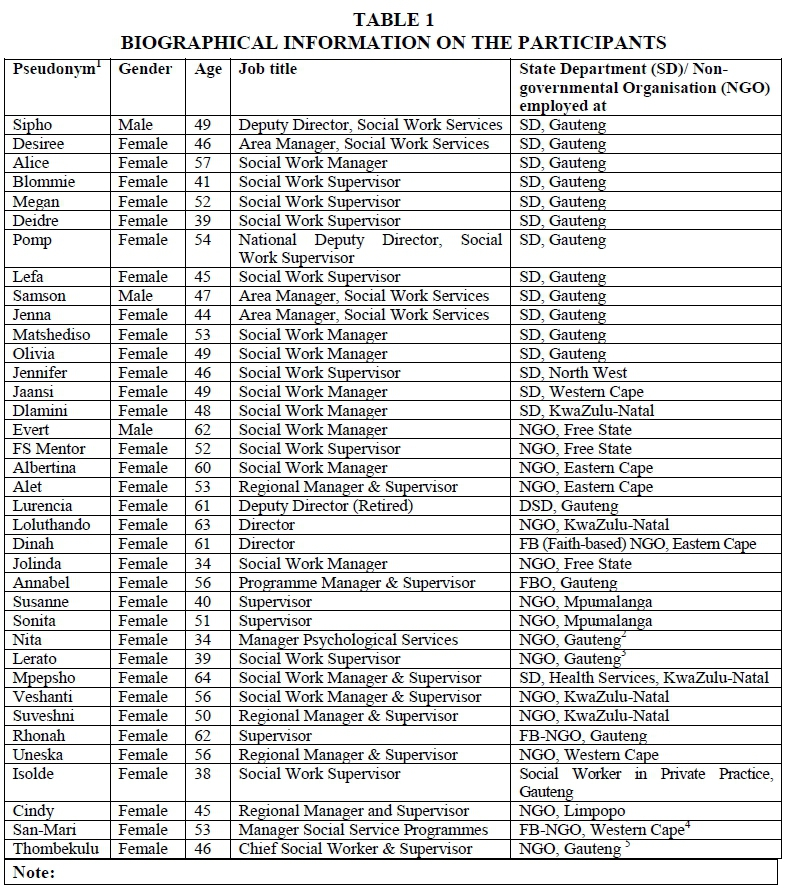
PROFILE OF PARTICIPANTSThe lekgotla workshop involved 12 participants, with 6 females and 6 males (Table 1). Out of these 12 participants, all six women and one male youth were recipients of social grants and also involved in informal businesses. The mean age was 47 for males and 58,5 for females.
FINDINGS
The findings reveal four key themes: participants' understanding of CED; perspectives on the role of social grants in contributing to CED; household spending patterns and the resulting economic leakages; and an analysis of trends, weaknesses, opportunities and community strengths. These themes reflect not only the challenges of grant dependency and external spending patterns, but also the community's strong social and cultural assets, and their willingness to explore local solutions.
Theme one: Understanding community economic development
Participants demonstrated a strong and nuanced understanding of CED, recognizing it as more than just a set of economic interventions. They perceived CED as a holistic and participatory process centred on the empowerment of local communities through the growth, support and sustainability of local businesses (ResearchFDI, 2023). These businesses were seen not only as economic engines, but also as vital anchors of community life (Kretzmann & McKnight, 1993), capable of fostering inclusive economic participation and creating dignified and lasting employment opportunities. As one participant put it: "When local businesses are sustainable and viable, they can create sustainable jobs".
Participants emphasised that when local businesses are viable and resilient, they have the potential to generate jobs that are stable and meaningful. These employment opportunities were regarded as critical to addressing some of the most pressing social challenges faced by their communities, including poverty, crime and substance abuse, which are often driven by economic desperation and social dislocation. In their view, jobs do not merely provide income, they restore hope, build individual and collective self-worth, and promote a sense of purpose and security within households. One participant remarked: "When people have jobs, poverty, crime and abuse of drugs and alcohol will be reduced, leading to improved household and community well-being".
Participants associated CED with the promotion of social stability, restoration of human dignity and the improvement of overall quality of life. For them, CED was not just about economic output, but about cultivating a community in which every member has the opportunity to contribute meaningfully and live with purpose.
Theme two: Perspectives on the social grant contribution to CED
However, concerning the contribution of social grants to CED, participants shared diverse and contrasting perspectives, which reflected both optimism and frustration, shaped by their daily realities of reliance on social assistance for survival. On the one hand, some participants expressed a belief that social grants hold untapped potential to serve as catalysts for community economic development, particularly when used collectively and creatively (Nnaeme, 2022). They highlighted opportunities such as stokvels (rotational savings schemes), group investments and income-generating projects that could be seeded by pooling grant income. One participant said: "If we use the grant money wisely, like saving together or starting something small, we can do something for ourselves".
These participants saw social grants not only as a safety net, but as seed capital for small-scale enterprises and local initiatives (Patel et al., 2023). However, other participants were more sceptical. They raised concerns about the inadequacy of the grant amounts, pointing out that these funds are often barely enough to cover basic necessities such as food, electricity, school expenses and transport (Winchester et al., 2021). For many families, especially those without any source of income, the grants are stretched thin and leave little to nothing for savings or investment. One participant remarked: "The amount is too small; it doesn't even cover all our basic needs; how can we talk about using it to start a business?"
This perspective reflects a widespread reality in many low-income households, where social grants are viewed primarily as a means of survival, not as a financial asset that can stimulate CED. In such cases, the immediate needs of the household understandably take precedence over longer-term economic strategies. What emerged clearly from the discussion is that, while there is some awareness of the potential of social grants, there is also a notable gap in understanding how everyday spending, even in small amounts, can influence community economic activity. Many participants did not fully recognise that the flow of grant money into community-based shops and informal traders can contribute to job creation and income circulation within the community.
Theme three: Household spending patterns and leakages of social grants
The study revealed that a significant portion of social grant income is spent on essential household items, including staple foods such as maize meal, vegetables, chicken, bread and other groceries. Many households also prioritise monthly payments for funeral policies, which are viewed as vital for preserving dignity during bereavement. These patterns reflect the pressing need to meet basic survival needs, especially in low-income, grant-dependent households. One participant explained: "We use the money to put food on the table and to make sure we have burial cover. That's non-negotiable".
However, further analysis using the leaky bucket tool uncovered a critical insight: most of this expenditure occurs outside the local economy (Cunningham, 2011), either in large retail stores in nearby towns (Saba, 2017) or in foreign-owned spaza shops operating within the community (Liedeman et al., 2013). This outward flow of money represents significant economic leakages, as resources entering the community through social grants are not retained within the local economy long enough to stimulate local economic activity and build community wealth. One participant commented: "The items we need are cheaper and always available in town and in the foreign-owned spaza shops here, that's why we buy from them".
Local shop owners find it difficult to compete because of limited stock and high prices stemming from the transport costs when sourcing goods. One participant remarked: "People don't buy from us because we are poorly stocked most of the time, and our prices are high since we have to travel to buy and then put a mark-up on our products".
The leaky bucket analysis, based on a sample of six commonly purchased items (e.g. maize meal, bread, vegetables, groceries, chicken, burial policies), revealed an estimated monthly outflow of approximately R321,975.00 from the community, amounting to over R3.8 million annually. Despite R5.9 million entering the community annually through social grants, the majority is spent externally or in ways that do not benefit the local economy. This realisation had a profound impact on participants. Many expressed shock upon learning how much money flows through their community yet leaves almost immediately. As one participant said: "Indeed, we are milking into a leaking bucket".
This process triggered critical reflection. Participants began to see social grants not just as a poverty alleviation tool, but also as a potential catalyst for local economic development, if only the spending could be redirected or recirculated locally. They also recognised that many of the goods they purchase could be produced locally, creating opportunities for community entrepreneurship and job creation (Ward & Lewis, 2002). This analysis underscored the importance of strengthening local businesses, not only in terms of improving stock and reducing pricing, but also through enhanced business management and supply chain systems. There is a need to empower local entrepreneurs to respond to community demand competitively and sustainably.
Theme four: Trends, weaknesses, opportunities and strengths
This theme examines how social grant spending circulates within the community, highlighting trends and weaknesses that limit local economic retention. It explores structural, capacity-related and relational barriers that undermine community economic development, while identifying opportunities to strengthen local participation and unlock the developmental potential of social grants.
Trends and weaknesses: Why social grants fail to stimulate CED
A key trend that emerged from the findings is the high outflow of social grant spending from the community. Participants estimated that 80% to 90% of grant income is spent in towns or on foreign-owned shops, with minimal recirculation in the local economy. One participant pointed out: "Social grant beneficiaries spend most of their money in town and only a very small percentage is spent locally and shared with foreign nationals".
Participants involved in economic activities highlighted some of the factors that drive the leakage of social grants such as limited capacity to stock their businesses adequately and to offer competitive pricing (Cant & Wiid, 2013). One participant said: "Our shops are inadequately stocked because we do not have enough capacity to grow our businesses". Another added: "Prices vary, the cost of groceries and other stuff is cheaper in foreign-owned shops and in town".
The COVID-19 pandemic deepened these challenges, disrupting fragile supply chains and reducing local self-reliance. Furthermore, local businesses struggle with low literacy levels, lack of formal business training and limited access to funding or technical support (Lamb et al., 2019). One participant in business pointed out: "The COVID-19 pandemic had a negative impact on our businesses because we were not able to go to town to buy stock". Another participant in business added: "We lack knowledge and capacity to run our businesses well and to compete with foreign national businesses".
A fragmented entrepreneurial landscape and deep-seated jealousy among local business owners also undermine collaboration. Participants commented as follows: "Local entrepreneurs lack a collective spirit and good relations, and it is destroying their businesses" and "The reality is that we, Black people, don't support each other... because of 'mona' [jealousy]".
As one metaphor quoted by one participant summed it up: "Setlhare sa motho o montsho ke lekgowa", meaning that Black people would rather support a White person, because they do not want to enrich their own. Without addressing these structural and social barriers, social grants will continue to flow out, failing to unlock sustainable CED.
Opportunities and strengths: Pathways for CED transformation
The community demonstrates significant untapped potential to stimulate local economic development. A key opportunity lies in promoting local production and import substitution. Participants suggested investing in ventures such as a bakery, poultry farming, vegetable gardens and maize milling to reduce economic leakages. A participant said: "We can plug the leaks by establishing a community bakery and strengthening the existing poultry cooperative and community garden", while another added "We are also maize farmers and we can establish our own maize milling plant with other maize farmers in the neighbouring communities".
Economic literacy and mobilisation emerged as essential. Educating residents on how the local economy functions, particularly the multiplier effect of local spending, could shift mind-sets from dependency to proactive development (Cunningham, 2011). Participants saw this as a way to revive local entrepreneurship and foster resilience.
Central to these efforts is reviving the spirit of letsema, a traditional practice of mutual aid. "Mokoduo go tsoswa yo o itekang" ("help is given to those who make an effort") was cited by participants to highlight the balance between initiative and collective support. As one emphasised, "We must organise 'letsema' because people work better as a collective ['mabogo dinku a thebana'], and working together makes difficult tasks easy ['kgetsi ya tsie e kgonwa ka go tshwaraganelwa']."
The community's strong cultural ethos of solidarity, along with the presence of informal savings groups such as stokvels and burial societies, provides a strong foundation for localised investment and enterprise. Additionally, participants showed awareness of economic leakages, calling them "kgamelo e dutlang" (a leaking bucket), and expressed readiness to address the problem through collective action.
This was a reflection of the strong social capital present in the community, embedded in its culture of solidarity, high levels of trust and existing reciprocal networks, such as stokvels, burial societies and rotating savings groups (Nieman, 2014; Suryahadi et al., 2024). These institutions not only promote financial cooperation, but also serve as springboards for collective investment, inclusive enterprise and social innovation. Their prevalence confirms that the community already has the relational infrastructure required for sustainable community economic development. This confirms the view that communities armed with social capital have an enhanced capacity to identify, prioritise and respond to problems, efficiently convert quality inputs into desired outputs, and achieve success through the support and goodwill of others (Nieman, 2014).
Finally, existing platforms such as the lekgotla offer vital spaces for community dialogue, joint planning and citizen-led economic transformation. By providing a platform for open dialogue, the lekgotla strengthens social bonds and enhances the overall wellbeing of the community.
DISCUSSION OF FINDINGS
This study critically explored how social grants intersect with community economic development (CED) in rural South Africa. Anchored in a multidimensional framework, including social protection, social development, asset-based community development (ABCD), and community economic development (CED), the findings reveal that while social grants offer vital income support, their transformative potential remains largely unrealised in fostering sustainable, community-driven economic activity.
While Jacobs et al. (2010) found that mobile grant disbursements discouraged local spending, this study shows that digital transfers via banks, post offices and retail stores have entrenched externalised spending patterns, intensifying economic leakages. Most grant recipients spend the bulk of money in retail stores close to or where they draw the money, such as Shoprite, Pick 'n Pay and Boxer, and the little money remaining in 'spaza' shops based in their communities. However, most of these shops are foreign-owned (Liedeman et al., 2013), resulting in another leakage, since they transfer money to their own countries. As a result, the local multiplier effect is undermined and the community's capacity to stimulate internal growth is diminished, calling for integrated local systems that retain and recirculate grant flows (Jacobs et al., 2010; Ward & Lewis, 2002).
A primary factor in this leakage is the limited capacity of local businesses, who face high input costs, weak supply chains, poor financial literacy and fragmented market access (Lamb et al., 2019; Mhlongo & Daya, 2023). Local entrepreneurs operate individually, unlike foreign shopkeepers who benefit from clan-based solidarity, pooled capital and coordinated purchasing power (Liedeman et al., 2013). To address this, communities must organise collective models of ownership and production, drawing on the culturally rich lessons from these foreign nationals' networks.
The findings of this study show that although social grants provide vital protective support, their potential to promote transformative and sustainable economic development remains largely unrealised. This mirrors trends across the Global South, where social protection systems frequently operate in isolation from broader economic and social development strategies, thereby limiting their developmental impact (Patel, 2024).
Economic leakage emerged as a significant barrier to local development. Earlier research by Jacobs et al. (2010) showed that mobile ATM grant disbursement reduced local spending. This study finds that electronic grant transfers have intensified the problem. Most grant recipients withdraw funds and then spend them primarily at large retail outlets in the vicinity such as Shoprite and Boxer. Only a small portion is spent in local spaza shops, most of which are foreign owned, leading to profit outflows from the community (Liedeman et al., 2013). These patterns weaken the local multiplier effect and highlight the need for systems that retain and recirculate grant income within communities (Ward & Lewis, 2002).
Limited local business capacity is a major contributor to this continued leakage. Participants identified multiple constraints, including high stock costs, unreliable supply chains, business management challenges, low financial literacy and fragmented market participation. These findings align with national assessments of small enterprise challenges in rural economies (Lamb et al., 2019; Mhlongo & Daya, 2023). Unlike foreign-owned shops, which thrive due to clan-based support networks, pooled capital and bulk purchasing systems (Liedeman et al., 2013), rural entrepreneurs operate individually. This lack of collective organisation undermines their competitiveness. Strengthening locally owned businesses through cooperative buying arrangements, improved marketing and fair pricing strategies could enhance sustainability (Makhitha, 2019; Ward & Lewis, 2002).
The study also reaffirms that while the protective function of grants is strong, their promotive and transformative potential remains weak (Sabates Wheeler & Devereux, 2009). Midgley's developmental social welfare perspective emphasises the importance of linking income support to livelihood development and economic empowerment (Midgley, 1995, 2017). This approach aligns with the Sustainable Development Goals, which call for simultaneously reducing poverty and inequalities (SDGs 1 & 10), and promoting decent work and inclusive economic growth (SDG 8) (United Nations, 2015).
The use of the leaky bucket analogy in the analysis (Cunningham, 2011) enabled participants to visualise the extent of local financial outflows. The visualisation of an 80 to 90 percent leakage clarified the structural weaknesses within the community economy. Yet the same analysis revealed important community assets, including traditions of mutual aid such as letsema, informal savings networks such as stokvels and increasing community awareness of economic challenges. These assets provide entry points for ABCD-driven interventions aimed at strengthening local resilience. According to Woolcock and Narayan (2000), trust and social capital are essential to building sustainable community economic systems.
These findings carry significant implications for social work, community development and SASSA practice. Social workers and community development practitioners (CDPs) must operate not only as service providers, but as facilitators of economic empowerment. Their responsibilities include strengthening economic literacy through participatory tools, facilitating cooperatives and savings groups anchored in the values of ubuntu, supporting collective action and embedding letsema-based solidarity systems in livelihood programmes. These interventions align with Patel's emphasis on financial capability as a core dimension of developmental social work (Patel, 2015). Social workers also support trust building, social cohesion and group formation processes that lay the foundation for the development of collaborative enterprises (Patel, 2015).
CDPs complement this work by strengthening local enterprise capacity. Their roles include facilitating bulk-buying schemes, improving supply chains, mentoring entrepreneurs and promoting local procurement through relationships with schools, clinics and municipal structures. Strengthening local procurement creates stable demand for community-based enterprises and improves the circulation of grant income locally. CDPs can also help establish cooperative business models similar to those used by foreign-owned shops, which rely on pooled resources, shared labour and coordinated purchasing.
The findings also highlight the developmental role of SASSA practitioners. While traditionally focused on grant administration, SASSA officers sit at the centre of rural economic flows. They are therefore well positioned to support dialogue between grant recipients, local entrepreneurs and producers; promote local procurement readiness; and participate in designing mechanisms that help retain grant income within communities. Achieving this requires coordinated collaboration between SASSA, Department of Social Development (DSD), Department of Small Business Development (DSBD), Small Enterprise Development and Finance Agency (SEDFA) and municipal local economic development units.
A unified social development practice model is needed to bring these actors together. This model should combine psychosocial support with economic facilitation and utilise culturally grounded approaches such as lekgotla and letsema. Practitioners also require targeted training to implement ABCD using decolonised methods (Keikelame & Swartz, 2019).
Overall, the findings show that without deliberate linkages between social protection and local economic strategies, social grants risk reinforcing dependency. However, when supported by ABCD, CED and social development approaches, social grants can become catalysts for inclusive economic citizenship (Midgley, 2017; Patel & Midgely, 2023). By mobilising community assets, strengthening local enterprises, enhancing financial capability and fostering cross-sector collaboration, rural communities can build more resilient and sustainable local economies.
LIMITATIONS OF THE STUDYWhile the study offers valuable insights into the use of social grants within a rural community economic system, several limitations must be acknowledged. While rich in participatory depth, the study focused on a single rural village; consequently the findings may not be generalisable to all rural contexts in South Africa. Further comparative studies are recommended. Second, the data relied primarily on self-reported information regarding grant usage, expenditure patterns and perceptions. Although triangulated through participatory tools such as the leaky bucket analogy, it is still possible that recall bias and social desirability may have influenced responses. Third, the leaky bucket analysis, though revealing, was based on estimates and not supported by ongoing transactional data. A longitudinal or mixed-methods study could provide greater precision in tracking grant inflows and expenditure behaviour over time. Fourth, the study did not examine in depth the broader institutional and policy environment governing local procurement, social enterprise support, or small business financing. These systemic factors play a significant role in enabling or limiting CED outcomes and warrant further research. Despite these limitations, the study contributes original, community-driven perspectives that challenge dominant welfare narratives and open the space for new dialogue on leveraging social protection for economic transformation from community grassroots.
RECOMMENDATIONSRepositioning social grants as strategic levers for CED requires a multi-layered and participatory approach. Drawing from the study's findings, a number of recommendations are proposed below.
Community level recommendations
Communities should focus on strengthening local enterprise capacity by improving business skills, stock management and pricing strategies. Building cooperative buying and production groups can help reduce input costs and improve competitiveness, drawing on indigenous practices such as letsema and the values of ubuntu to promote collective responsibility. Local procurement should be encouraged by schools, clinics, NGOs and municipal structures to ensure that a greater proportion of social grant income circulates within the community. Strengthening social cohesion through community dialogue, stokvels and other collective activities will help rebuild trust and support sustained economic collaboration.
Practice level recommendations
Social workers, community development practitioners (CDPs) and SASSA officers should play an active developmental role by facilitating financial literacy, cooperative formation and local market access. Practitioners should integrate culturally grounded approaches such as lekgotla and letsema into community mobilisation and livelihoods programming. Continuous training in ABCD, the leaky bucket method and decolonised facilitation will equip practitioners to drive local economic empowerment. SASSA staff should also participate in local economic platforms and support community readiness for local procurement.
Policy level recommendations
Policies should integrate social protection with local economic development by strengthening the sustainable livelihoods programme, supporting cooperative models and improving rural supply chains. Monitoring systems should track economic leakage and promote strategies that retain grant income locally.
CONCLUSION
The metaphor of milking into a leaking bucket illustrates the central challenge identified in this study. Although social grants bring significant income into rural communities, most of this money leaks away rapidly into external markets, limiting long-term developmental impact. Yet the findings also reveal opportunities grounded in local strengths. Rural communities possess rich social capital expressed through practices such as letsema, stokvels and lekgotla, which can serve as foundations for community-driven economic development. Participatory tools such as the leaky bucket analogy help residents visualise economic outflows and identify strategies to retain resources locally.
These insights align with the social development approach, which emphasises linking social protection to economic empowerment and active citizenship (Midgley, 1995, 2017). Integrating grants with asset-based community development and community economic development approaches enables them to function as catalysts for inclusive growth rather than simply as safety nets. This supports the broader goals of poverty eradication and sustainable development articulated in the SDGs (United Nations, 2015).
Unlocking the transformative potential of grants requires coordinated action by social workers, community development practitioners and SASSA staff. By strengthening economic literacy, rebuilding local supply chains and fostering cooperative enterprise, communities can plug economic leaks and move toward self-determined prosperity.
REFERENCES
LITERATURE REVIEW
-
African Union. (2015). Agenda 2063: The Africa we want (Framework document). African Union Commission. https://au.int/agenda2063
» https://au.int/agenda2063 - Babbie, E. (2014). The practice of social research. 14th ed. Cengage Learning: Canada
-
Begum, I. A., Alam, M. J., Akter, S., Haque, M. M., & Rahmatullah, N. M. (2021). Productive impacts of cash transfer and conditional cash transfer programs in Bangladesh. Asian Development Perspectives, 12(1), 46-60. https://doi.org/10.22681/ADP.2021.12.1.46
» https://doi.org/10.22681/ADP.2021.12.1.46 -
Bila, S., & Biyase, M. (2022). Determinants of subjective poverty in rural and urban areas of South Africa. Economic Development Working Group, Working Paper Number 02-2022. https://www.uj.ac.za/wp-content/uploads/2022/01/
» https://www.uj.ac.za/wp-content/uploads/2022/01/ -
Braun, V., & Clarke, V. (2006). Using thematic analysis in psychology. Qualitative Research in Psychology, 3(2), 77-101. https://doi.org/10.1191/1478088706qp063oa
» https://doi.org/10.1191/1478088706qp063oa -
Brenyah, J., & Domfe, G. (2019). Relevance of conditional cash transfers for the implementation of Sustainable Development Goals in developing countries. African Research Review, 13(2). https://www.researchgate.net/publication/332506977
» https://www.researchgate.net/publication/332506977 -
Cant, M. C., & Wiid, J. A. (2013). Establishing the challenges affecting South African SMEs. International Business & Economics Research Journal, 12(6). https://www.researchgate.net/publication/297723060
» https://www.researchgate.net/publication/297723060 -
Chagunda, C. (2019). The South African social grant system: A positive effect on poverty alleviation and unforeseen socio-cultural consequences. Gender and Behaviour, 17(4), 14237-14250. https://journals.co.za/doi/epdf/10.10520/EJC-1b24c2c52e
» https://journals.co.za/doi/epdf/10.10520/EJC-1b24c2c52e - Creswell, J. W., & Poth, C. N. (2018). Qualitative inquiry and research design: Choosing among five approaches. (3rd ed). Sage.
-
Cunningham, G. (2011). Community economic literacy and the leaky bucket. Coady International Institute Occasional Paper Series. https://www.coady2.stfx.ca/wp-content/uploads/pdfs/OP9.pdf
» https://www.coady2.stfx.ca/wp-content/uploads/pdfs/OP9.pdf -
Daidone, S., Davis, B., Handa, S., & Winters, P. (2019). The household and individual-level productive impacts of cash transfer programs in Sub-Saharan Africa. American Journal of Agricultural Economics, 101(5), 1401-1431. https://doi.org/10.1093/ajae/aay113
» https://doi.org/10.1093/ajae/aay113 - Dávila Lárraga, L. G. (2016). How does Prospera work? Best practices in the implementation of conditional cash transfer programs in Latin America and the Caribbean (IDB Technical Note No. 971). Inter-American Development Bank.
-
Di Lollo, A. (2010). Moving towards economic independence for social grant recipients through the self-help approach. Southern Hemisphere/FinMark Trust. https://finmark.org.za/system/documents/files/000/000/353/original/
» https://finmark.org.za/system/documents/files/000/000/353/original/ -
Du Toit, A., & Neves, D. (2006). Vulnerability and social protection at the margins of the formal economy: Case studies from Khayelitsha and the Eastern Cape. Programme for Land and Agrarian Studies. USAID. https://uwcscholar.uwc.ac.za:8443/server/api/core/bitstreams/5d47a3c3-b497-48e6-a124-7b05e17b80fa/content
» https://uwcscholar.uwc.ac.za:8443/server/api/core/bitstreams/5d47a3c3-b497-48e6-a124-7b05e17b80fa/content -
Feekery, A. (2023). The 7 C's framework for participatory action research: Inducting novice participant-researchers. Educational Action Research, 32(3), 332-347. https://doi.org/10.1080/09650792.2023.2234417
» https://doi.org/10.1080/09650792.2023.2234417 -
Fisher, E., Attah, R., Barca, V., O'Brien, C., Brook, S., Holland, J., & Pozarny, P. (2017). The livelihood impacts of cash transfers in Sub-Saharan Africa: Beneficiary perspectives from six countries. World Development, 99, 299-319. https://doi.org/10.1016/j.worlddev.2017.05.020
» https://doi.org/10.1016/j.worlddev.2017.05.020 -
Garidzirai, R., & Chikuruwo, R. E. (2020). An economic analysis of the social grant policy in South Africa. Journal of Advanced Research in Law and Economics, 2(48), 362-369. https://doi.org/10.14505/jarle.v11.2(48).09
» https://doi.org/10.14505/jarle.v11.2(48).09 -
Gómez-Alvarez, R., & Morales-Sánchez, R. (2021). How does collaborative economy contribute to common good? Business Ethics, the Environment and Responsibility, 32, 68-83. https://doi.org/10.1111/beer.12348
» https://doi.org/10.1111/beer.12348 -
Hajdu, F., Granlund, S., Neves, D., Hochfeld, T., Amuakwa-Mensah, F., & Sandström, E. (2020). Cash transfers for sustainable rural livelihoods? Examining the long-term productive effects of the Child Support Grant in South Africa. World Development Perspectives, 19, 100227. https://doi.org/10.1016/j.wdp.2020.100227
» https://doi.org/10.1016/j.wdp.2020.100227 -
Jacobs, P. T., Baiphethi, M., Ngcobo, N., & Hart, T. (2010). The potential of social grants expenditure to promote local economic development and job creation. Centre for Poverty, Employment and Growth. Human Sciences Research Council. http://hdl.handle.net/20.500.11910/4286
» http://hdl.handle.net/20.500.11910/4286 -
Kabeer, N., & Waddington, H. (2015). Economic impacts of conditional cash transfer programmes: a systematic review and meta-analysis. Journal of Development Effectiveness, 7(3), 290-303. https://doi.org/10.1080/19439342.2015.1068833
» https://doi.org/10.1080/19439342.2015.1068833 -
Keikelame, M. J., & Swartz, L. (2019). Decolonising research methodologies: Lessons from a qualitative research project, Cape Town, South Africa. Global Health Action, 12(1), 561175. https://doi.org/10.1080/16549716.2018.1561175
» https://doi.org/10.1080/16549716.2018.1561175 -
Kretzmann, J. P., & McKnight, J. L. (1993). Building communities from the inside out: A path toward finding and mobilizing a community's assets. ACTA Publications. https://drive.google.com/file/d/1Xg3ANfQUHyI0bhY8KvfUx9fpUpXD0QcE/view
» https://drive.google.com/file/d/1Xg3ANfQUHyI0bhY8KvfUx9fpUpXD0QcE/view -
Lamb, B., Kunene, L. N., & Dyili, N. F. (2019). Lessons from foreign owned spaza shops in South African townships. Journal of Reviews on Global Economics, 8, 1351-1362. https://www.researchgate.net/publication/338256542
» https://www.researchgate.net/publication/338256542 -
Liedeman, R., Charman, A., Piper, L., & Petersen, L. (2013). Why are foreign-run spaza shops more successful? The rapidly changing spaza sector in South Africa. Sustainable Livelihoods Foundation. Econ3x3. https://www.econ3x3.org/article/why-are-foreign-run-spaza-shops-more-successful-rapidly-changing-spaza-sector-south-africa
» https://www.econ3x3.org/article/why-are-foreign-run-spaza-shops-more-successful-rapidly-changing-spaza-sector-south-africa - Lincoln, Y. S., & Guba, E. G. (1985). Naturalistic inquiry. Sage.
-
Li, P-J., Miao XD. (2025) Exploring the role of language choice: A catalyst for transforming research dynamics and relationships. Qualitative Health Research, 35(4-5), 462-475. https://doi.org/10.1177/10497323251315444
» https://doi.org/10.1177/10497323251315444 -
Makhitha, K. (2019). Marketing strategies for closing the market access gap experienced by small craft producers in South Africa. Journal of Business and Retail Management Research, 13(3). https://doi.org/10.24052/JBRMR/V13IS03/ART-14
» https://doi.org/10.24052/JBRMR/V13IS03/ART-14 -
Makondo, P., & Ross, E. (2024). The perceived impact of social grants on livelihood strategies and household food security among women in Benfarm Village, Limpopo, South Africa. African Journal of Development Studies, 14(4), 511-536. https://hdl.handle.net/10520/ejc-aa_affrika1_v14_n4_a23
» https://hdl.handle.net/10520/ejc-aa_affrika1_v14_n4_a23 - Mamabolo, M., Chaminuka, P., & Machethe, C. (2023). District analysis of poverty dynamics in rural South Africa. African Journal of Science, Technology, Innovation and Development, 15(6), 690-704.
-
Mathie, A., & Cunningham, G. (2003). From clients to citizens: Asset-based community development as a strategy for community-driven development. Development in Practice, 13(5), 474-486. https://doi.org/10.1080/0961452032000125857
» https://doi.org/10.1080/0961452032000125857 -
Mavhandu-Mudzusi, A. H. (2023). Application of ethics in the South African rural context. International Journal of Qualitative Methods, 22. https://doi.org/10.1177/16094069231193592
» https://doi.org/10.1177/16094069231193592 -
Mhlongo, T., & Daya, P. (2023). Challenges faced by small, medium and micro enterprises in Gauteng: A case for entrepreneurial leadership as an essential tool for success. Southern African Journal of Entrepreneurship and Small Business Management, 15(1). https://doi.org/10.4102/sajesbm.v15i1.591
» https://doi.org/10.4102/sajesbm.v15i1.591 - Midgley, J. (1995). Social development: The developmental perspective in social welfare. Sage.
- Midgley, J. (2017). Social development: Theory and practice for the Global South. Sage.
-
Mosebua, L., Masiza, Z., & Ntlemo, K. (2024). South Africa at 30: Reflections on democracy, progress and challenges. University of Johannesburg. https://www.uj.ac.za/news/opinion-pieces/south-africa-at-30-reflections-on-democracy-progress-and-challenges/
» https://www.uj.ac.za/news/opinion-pieces/south-africa-at-30-reflections-on-democracy-progress-and-challenges/ - Moses, E., & Woolard, I. (2023). The role of temporary social grants in mitigating the poverty impact of COVID-19. In P. Fourie & G. Lamb (eds), South African response to Covid-19: The early years (1st ed, pp. 156-177) Routledge.
-
Mubangizi, B. (2023). What is 'rural' in South Africa, and why does it matter? African Journal of Governance and Development, 12(2). https://journals.co.za/doi/full/10.36369/2616-9045/2023/v12i2a1
» https://journals.co.za/doi/full/10.36369/2616-9045/2023/v12i2a1 -
Mupenzi, P. (2024). DSD's sustainable livelihoods round table: Advancing economic empowerment for grant recipients. DSD News. https://dsdnews.org/dsds-sustainable-livelihoods-round-table-advancing-economic-empowerment-for-grant-recipients/
» https://dsdnews.org/dsds-sustainable-livelihoods-round-table-advancing-economic-empowerment-for-grant-recipients/ -
Naeem, M., Ozuem, W., Howell, K., & Ranfagni, S. (2023). A step-by-step process of thematic analysis to develop a conceptual model in qualitative research. International Journal of Qualitative Methods, 22. https://doi.org/10.1177/16094069231205789
» https://doi.org/10.1177/16094069231205789 -
National Planning Commission. (2012). National Development Plan 2030: Our Future - Make it Work. https://www.nationalplanningcommission.org.za/National_Development_Plan
» https://www.nationalplanningcommission.org.za/National_Development_Plan -
Neves, D., & Du Toit, A. (2012). Money and sociality in South Africa's informal economy. The Journal of the International African Institute, 82(1), 131-149. https://uwcscholar.uwc.ac.za:8443/server/api/core/bitstreams/240a5e97-2318-497b-bb5d-d5dfc1d616a9/content
» https://uwcscholar.uwc.ac.za:8443/server/api/core/bitstreams/240a5e97-2318-497b-bb5d-d5dfc1d616a9/content -
Neves, D., Samson, M., van Niekerk, I., Hlatshwayo, S., & du Toit, A. (2009). The use and effectiveness of social grants in South Africa. Institute for Poverty, Land and Agrarian Studies (PLAAS), https://uwcscholar.uwc.ac.za:8443/server/api/core/bitstreams/9e33a80b-ab97-49b8-bef9-c33869818b50/content
» https://uwcscholar.uwc.ac.za:8443/server/api/core/bitstreams/9e33a80b-ab97-49b8-bef9-c33869818b50/content -
Nieman, A. (2014). Social capital and social development. Social Work/Maatskaplike Werk, 42(2). https://doi.org/10.15270/42-2-309
» https://doi.org/10.15270/42-2-309 -
Nnaeme, C. C. (2022). 'The community comes to life': How social grants enable participation in the local economy and possible effect on post-COVID-19 economic recovery in Soweto South Africa. Forum for Development Studies, 49(3), 493-510. https://doi.org/10.1080/08039410.2022.2085167
» https://doi.org/10.1080/08039410.2022.2085167 -
Nnaeme, C. C., Patel, L., & Plagerson, S. (2020). How cash transfers enable agency through livelihoods in South Africa. World Development, 131. https://www.sciencedirect.com/science/article/pii/S0305750X20300826
» https://www.sciencedirect.com/science/article/pii/S0305750X20300826 -
Palinkas, L. A., Horwitz, S. M., Green, C. A., Wisdom, J. P., Duan, N., & Hoagwood, K. (2013). Purposeful sampling for qualitative data collection and analysis in mixed-method implementation research. Administrative Policy Mental Health, 42, 533-544. https://doi.org/10.1007/s10488-013-0528-y
» https://doi.org/10.1007/s10488-013-0528-y -
Patel, L. (2024). Reflections on how social protection and social welfare policies are unfolding in low- and middle-income countries around the world. Social Development Issues, 46(2), 9. https://doi.org/10.3998/sdi.5987
» https://doi.org/10.3998/sdi.5987 -
Patel, L., Dikoko, V., & Archer, J. (2023). Social grants, livelihoods and poverty responses of social grant beneficiaries in South Africa. Centre for Social Development in Africa. https://www.uj.ac.za/wp-content/uploads/2023/02/csda-_-social-grants-livelihood-_-research-brief-_-a4-_-jan-2023_5-1.pdf
» https://www.uj.ac.za/wp-content/uploads/2023/02/csda-_-social-grants-livelihood-_-research-brief-_-a4-_-jan-2023_5-1.pdf -
Patel, L., & Hochfeld, T. (2011). It buys food but does it change gender relations? Gender and Development, 19(2), 229-240. https://www.researchgate.net/publication/232874494
» https://www.researchgate.net/publication/232874494 -
Patel, L., Hochfeld, T., & Chiba, J. (2018). Perspectives of South African caregivers in receipt of child support grants: Implications for family strengthening interventions. International Journal of Social Welfare, 28. https://doi.org/10.1111/ijsw.12364
» https://doi.org/10.1111/ijsw.12364 -
Patel, L., Knijn, T., & van Wel, F. (2015). Child support grants in South Africa: A pathway to women's empowerment and child well-being? Journal of Social Policy, 44(2), 377-397. https://doi.org/10.1017/S0047279414000919
» https://doi.org/10.1017/S0047279414000919 - Patel, L., & Midgley, J. (2023). The social development approach to social protection and social welfare. In L. Patel, S. Plagerson, & I. Chinyoka (eds), Handbook on Social Protection and Social Development in the Global South, Edward Elgar
-
Peters, B., Gonsamo, M., & Molla, S. (2011). Capturing unpredictable and intangible change: Evaluating an asset-based community development (ABCD) approach in Ethiopia. Coady International Institute. Occasional Paper Series, No. 10. March 2011. https://coady.stfx.ca/wp-content/uploads/pdfs/OP10.pdf
» https://coady.stfx.ca/wp-content/uploads/pdfs/OP10.pdf -
Phaahla, T. (2015). What the South African state does for the poor: I - social grants. Helen Suzman Foundation. https://hsf.org.za/publications/hsf-briefs/
» https://hsf.org.za/publications/hsf-briefs/ -
Rasweswe, M. M. (2023). Lekgotla discussion as a decolonized qualitative methodology: A lesson from a workshop conducted to formulate and verify the strategies in Botlokwa Village, Limpopo, South Africa. International Journal of Qualitative Methods, 22(1). https://doi.org/10.1177/16094069231183591?urlappend=%3Futm_source%3Dresearchgate.net%26utm_medium%3Darticle
» https://doi.org/10.1177/16094069231183591?urlappend=%3Futm_source%3Dresearchgate.net%26utm_medium%3Darticle - Republic of South Africa (RSA). (2023). Approved National Spatial Development Framework, No 1594 of 2023. Department of Agriculture, Land Reform and Rural Development. Government Gazette, No. 47999. Pretoria: Government Printer.
-
Republic of South Africa (RSA). (2024). National Treasury. Department of Social Development, Budget Vote 2024. https://www.treasury.gov.za/documents/National%20Budget/2024/ene/Vote%2019%20Social%20Development.pdf
» https://www.treasury.gov.za/documents/National%20Budget/2024/ene/Vote%2019%20Social%20Development.pdf -
Saba, A. (2017, February 12). Big businesses get the biggest share of grants. Sunday Times. https://www.timeslive.co.za/sunday-times/news/2017-02-12-big-businesses-get-the-biggest-share-of-grants/
» https://www.timeslive.co.za/sunday-times/news/2017-02-12-big-businesses-get-the-biggest-share-of-grants/ -
Sabates-Wheeler, R., & Devereux, S. (2009). Social protection for transformation. IDS Bulletin, 38(3), 23-28. https://doi.org/10.1111/j.1759-5436.2007.tb00368.x
» https://doi.org/10.1111/j.1759-5436.2007.tb00368.x - Seekings, J., & Nattrass, N. (2015). Policy, politics, and poverty in South Africa. UNRISD.
-
Sekhampu, T. J., & Grobler, W. C. J. (2011). The expenditure patterns of households receiving the state's old-age pension (SOAP) grant in Kwakwatsi Township. The Journal for Transdisciplinary Research in Southern Africa, 7(1), a253. https://doi.org/10.4102/td.v7i1.253
» https://doi.org/10.4102/td.v7i1.253 -
Shaffer, R., Deller, S., & Marcouiller, D. (2006). Rethinking community economic development. Economic Development Quarterly, 20(1), 59-74. https://journals.sagepub.com/doi/abs/10.1177/0891242405283106
» https://journals.sagepub.com/doi/abs/10.1177/0891242405283106 -
South African Social Security Agency (SASSA). (2024). Annual report 2023/24. https://www.sassa.gov.za/annual%20reports/Documents/SASSA%20Annual%20Report%202023-24.pdf
» https://www.sassa.gov.za/annual%20reports/Documents/SASSA%20Annual%20Report%202023-24.pdf -
South African Social Security Agency (SASSA). (2025). Social assistance report: April 2025. Pretoria: South African Social Security Agency. https://www.sassa.gov.za/statistical-reports/Documents/SocialAssistanceReportApril2025.pdf
» https://www.sassa.gov.za/statistical-reports/Documents/SocialAssistanceReportApril2025.pdf -
Statistics South Africa (StatsSA). (2025a). General household survey, 2024 (Statistical Release P0318). Pretoria: Statistics South Africa. https://www.statssa.gov.za/publications/P0318
» https://www.statssa.gov.za/publications/P0318 -
Statistics South Africa (StatsSA). (2025b). Quarterly Labour Force Survey: Quarter 1, 2025 (Statistical Release P0211). Pretoria: Statistics South Africa. https://www.statssa.gov.za/publications/P0211
» https://www.statssa.gov.za/publications/P0211 -
Suryahadi, A., Rishanty, A., & Sparrow, R. (2024). Social capital and economic development in a large and multi-ethnic developing country: Evidence from Indonesia. Asian Development Review, 41(2), 301-323. https://doi.org/10.1142/S0116110524500082
» https://doi.org/10.1142/S0116110524500082 -
Thosago, M. O. (2018). The savings behaviour of informal settlement households with social grant recipients: A case study of Freedom Park, Soweto. Southern Africa - Towards Inclusive Economic Development, Paper 17, May 2018. https://sa-tied-archive.wider.unu.edu
» https://sa-tied-archive.wider.unu.edu - Tsima, P. S. (2018). The Lekgotla way learning and developmental methodology. COMETSA GoC International (Pty) Ltd.
-
United Nations. (2015). Transforming our world: The 2030 Agenda for Sustainable Development. https://sdgs.un.org/2030agenda
» https://sdgs.un.org/2030agenda -
Vaughn, L. M., & Jacquez, F. (2020). Participatory research methods - Choice points in the research process. Journal of Participatory Research Methods, 1(1). https://doi.org/10.35844/001c.13244
» https://doi.org/10.35844/001c.13244 -
Ward, B., & Lewis, J. (2002). Plugging the leaks: Making the most of every pound that enters your local economy. The New Economics Foundation, Esmée Fairbairn Foundation and the Neighbourhood Renewal Unit, September 2002. https://neweconomics.org/plugging-the-leaks
» https://neweconomics.org/plugging-the-leaks -
Winchester, M. S., King, B., & Rishworth, A. (2021). "It's not enough:" Local experiences of social grants, economic precarity, and health inequity in Mpumalanga, South Africa. Wellbeing, Space and Society 2, 100044. https://pdf.sciencedirectassets.com/777258/1
» https://pdf.sciencedirectassets.com/777258/1 -
Woolcock, M., & Narayan, D. (2000). Social capital: Implications for development theory, research, and policy. The World Bank Research Observer, 15(2). https://documents1.worldbank.org/curated/en/961231468336675195/pdf
» https://documents1.worldbank.org/curated/en/961231468336675195/pdf -
World Medical Association. (2013). World Medical Association Declaration of Helsinki: ethical principles for medical research involving human subjects. JAMA, 310(20), 2191-2194. https://doi.org/10.1001/jama.2013.281053
» https://doi.org/10.1001/jama.2013.281053 - Wright, G., Noble, M., Ntshongwana, P., Neves, D., & Barnes, H. (2014). South Africa's Child Support Grant and the dignity of female caregivers (Policy Brief 2). Centre for the Analysis of South African Social Policy, University of Oxford; Institute for Poverty, Land and Agrarian Studies, University of the Western Cape; Human Sciences Research Council.
Article accepted: 15/12/2025
Article published: 20/06/2026