Prosodic marking of focus and givenness in Kinyarwanda and Rwandan English
Abstract
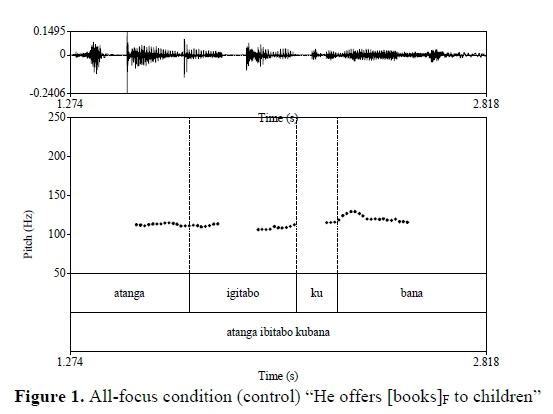
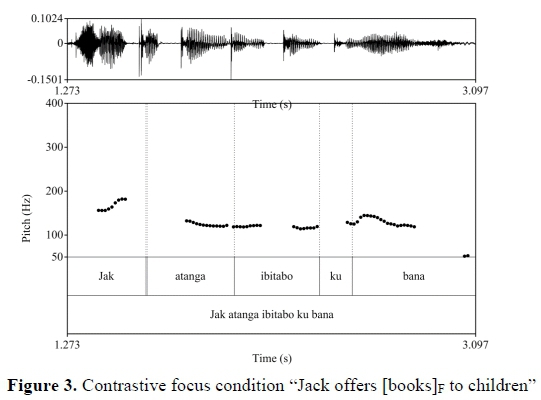
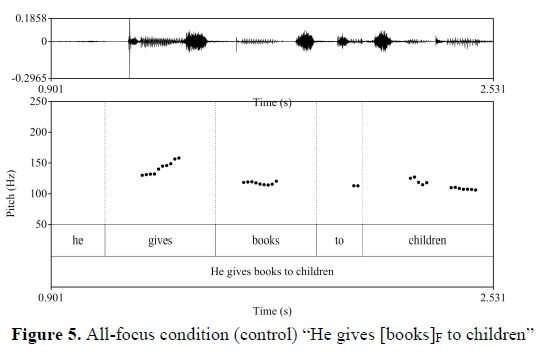
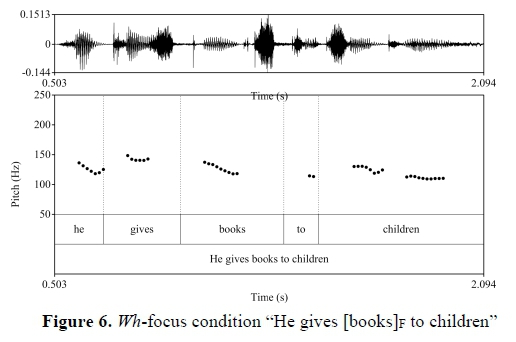
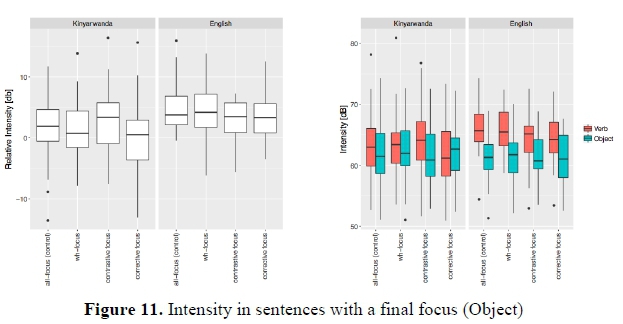
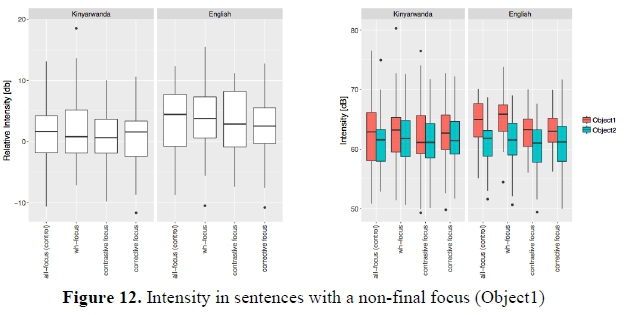
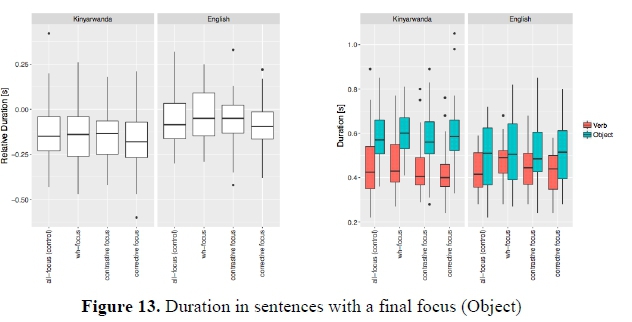
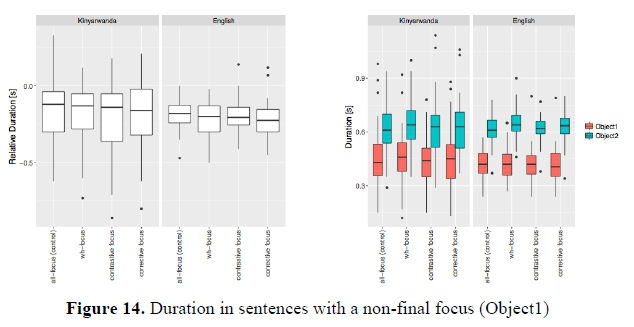
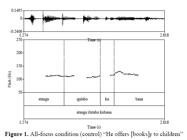
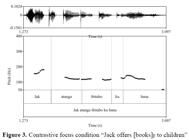
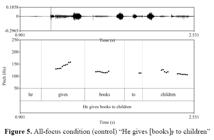
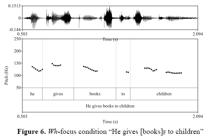
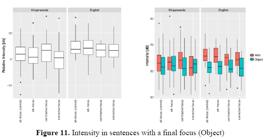
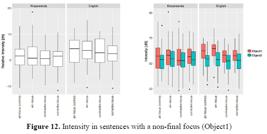
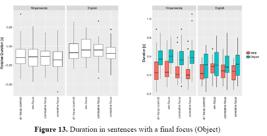
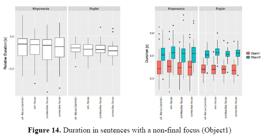
This paper concentrates on whether systematic variations in pitch, intensity, and duration can be observed as a function of the focused or discourse-given status of a constituent in Kinyarwanda (Guthrie code JD.61), and a relatively recent variety of "New English" in contact with this Bantu language. Kinyarwanda is a tone language, in which the information-structural notion of focus has been reported to be expressed through changes in word order, with focus appearing clause-finally (Kimenyi 1988, Ndayiragije 1999, Ngoboka 2016). In contrast, Standard English is well-known for the prosodic boost associated with narrowly focused words and the prosodic reduction of post-focal items. Crosslinguistically, the prosodic expression of focus and givenness is progressively being considered a marked feature. Zerbian (2015a) predicts that it should not be found in a second language or a contact variety if it is not already present in the first language of a speaker or a group of speakers. Our study finds no evidence that information focus, exhaustive focus, or givenness systematically affect the prosody of Kinyarwanda. We also find no systematic effect of information structure in the variety of English spoken by our Rwandan participants, confirming that this is probably an area of English that is difficult to acquire.
information structure; prosody; second language acquisition; Bantu; Rwanda; English in Africa
 Thumbnail
 Thumbnail
 Thumbnail
 Thumbnail
 Thumbnail
 Thumbnail
 Thumbnail
 Thumbnail
 Thumbnail
 Thumbnail
 Thumbnail
 Thumbnail