The prosody of Shingazidja relatives: An update
Abstract
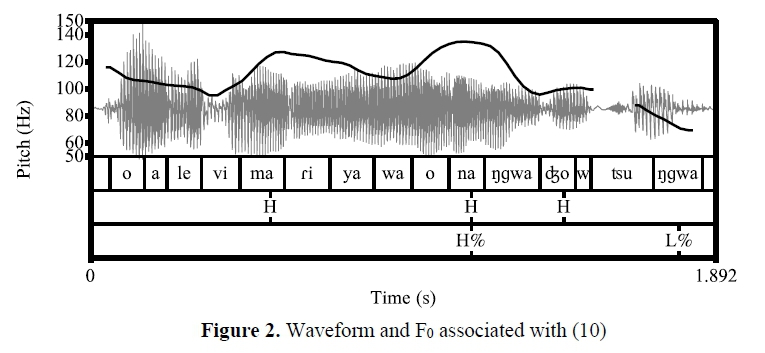
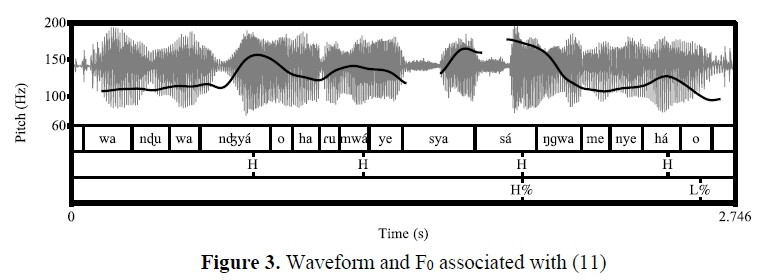
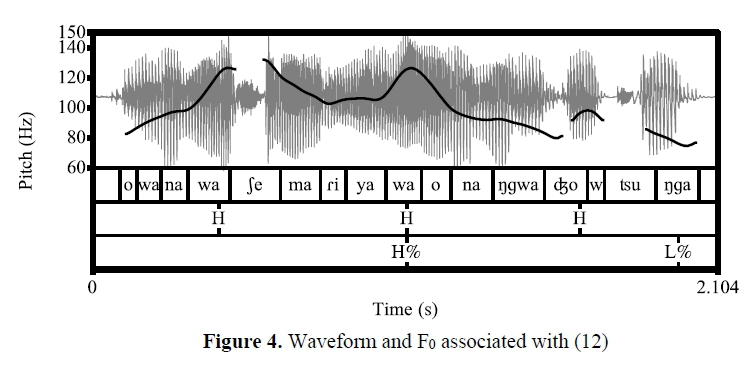
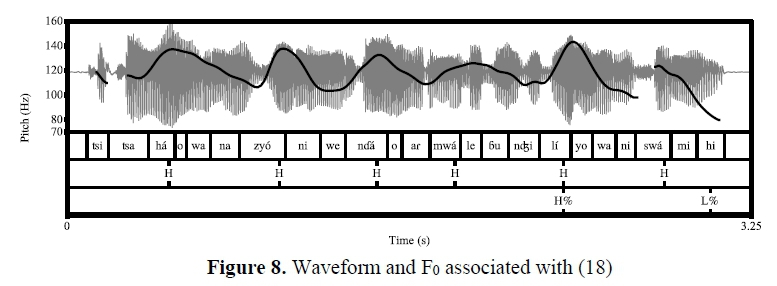
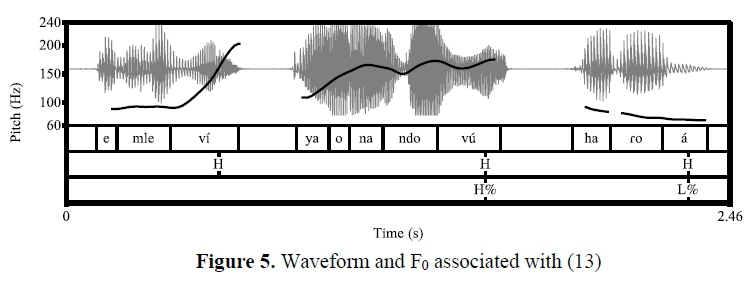
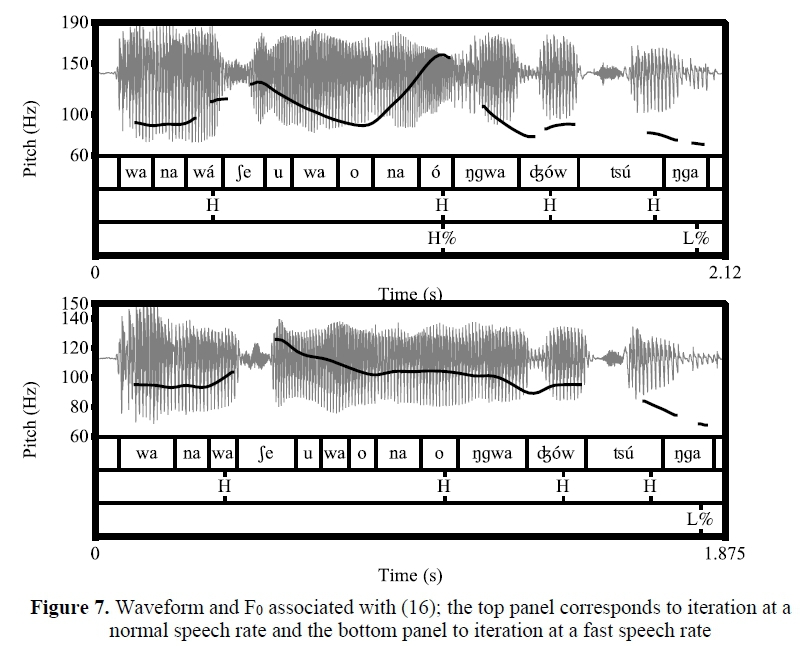
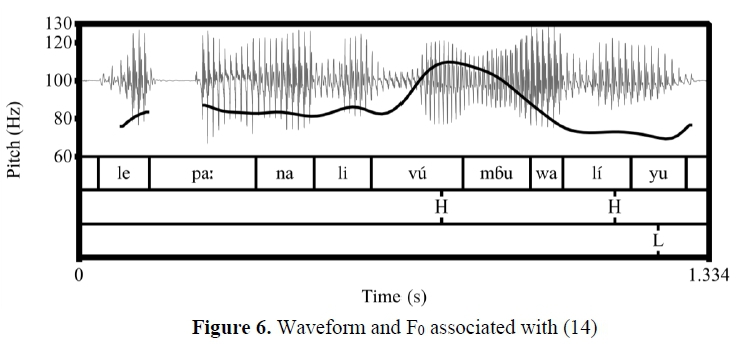
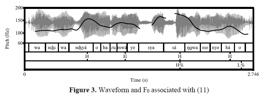
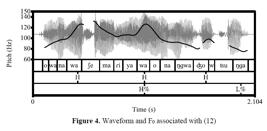
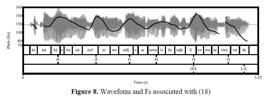
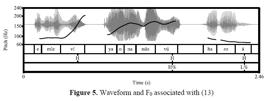
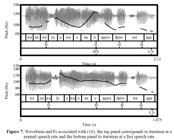
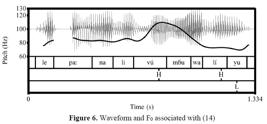
Much work has been done in recent years on the prosody of relative clauses in Bantu languages (see among others Downing et al. 2010), and this is also the case for Shingazidja, a Bantu language of the Comoros (Patin 2010). It has been established that restrictive relatives in Shingazidja differ from non-restrictive ones in that the latter, contrary to restrictives, have the relative separated from its head by a prosodic boundary, as in other languages (Cheng and Kula 2006, Cheng and Downing 2007). However, many aspects of the prosody of Shingazidja relatives remain to be established. In particular, the question of whether relatives in this language are aligned with the boundaries of Intonation Phrases remains undetermined, as the H% boundary tone that characterizes these prosodic structures when they do not emerge at the end of an utterance (see O'Connor and Patin 2015) is not always observable in the data (Patin 2017). The descriptive examination of a corpus collected in 2009 indicates that an H% boundary tone does emerge at the right boundary of the relative, but that (i) this tone is associated with the last surface tone and not with the last vowel, and (ii) that it is absent from a restrictive if the restrictive relative is of reduced size, revealing that eurhythmic constraints condition the prosodic structure of these clauses.
relatives; Shingazidja; Bantu; intonation; prosody-syntax interface; eurythmic constraints
 Thumbnail
 Thumbnail
 Thumbnail
 Thumbnail
 Thumbnail
 Thumbnail
 Thumbnail
 Thumbnail