"From spoiling natives to no work, no food": Food scarcity and the controversy of food rations during the South African War
Abstract
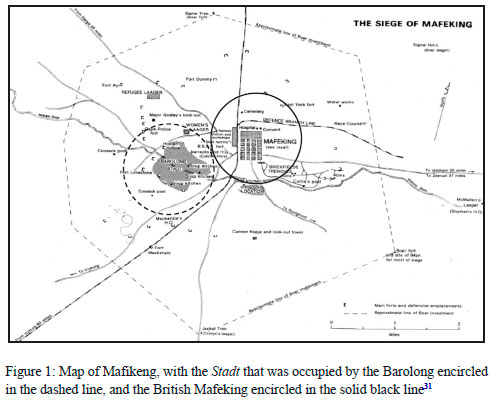
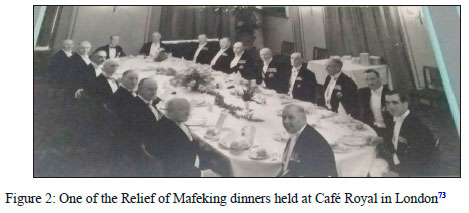
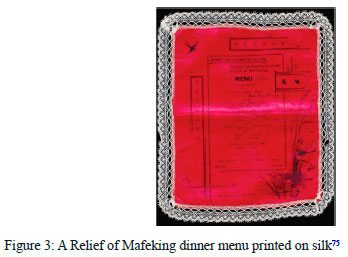
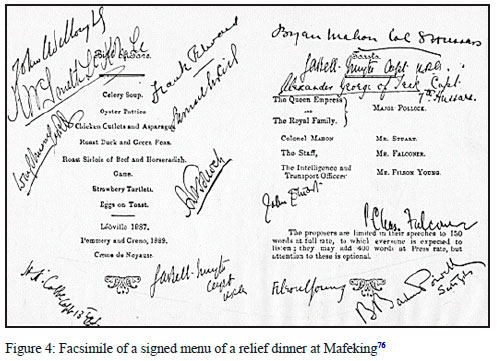
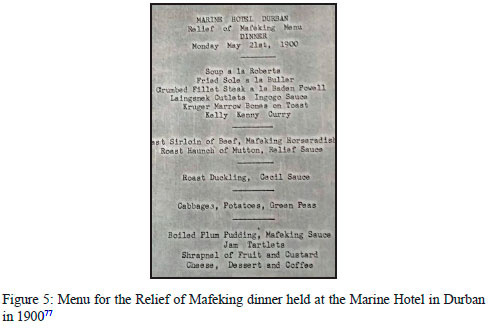
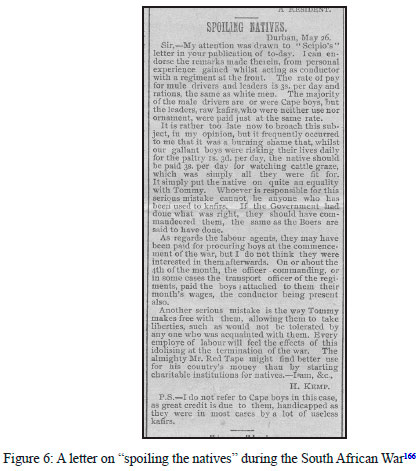
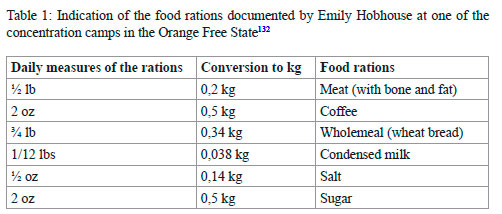
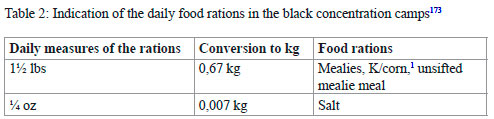
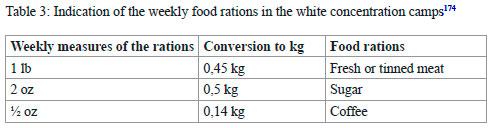
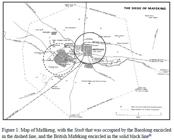
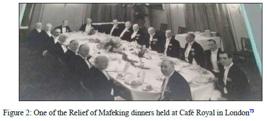
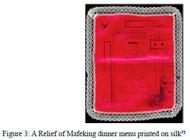
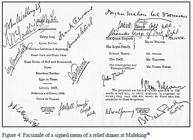
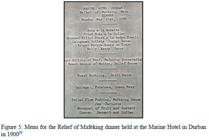
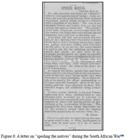
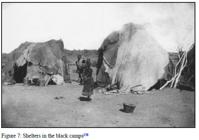
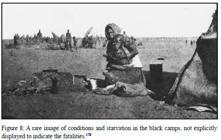
Food became scarce during the South African War (1899-1902), which led to large numbers of the population dying from starvation or diseases related to hunger. This was due to certain towns in the country being under siege, while farms and homesteads were burned down. The study on which this article is based, examined three main causes of food shortages during the South African War: the unequal distribution of food rations during the siege of Mafikeng, particularly in the concentration camps; complaints by white communities about the "spoiling of natives"; and the introduction of the "no work, no food" policy. The study further reviewed the use of food during commemorations following the establishment of the so-called relief of Mafeking dinners.
South African War; siege of Mafikeng; concentration camps; relief of Mafikeng
 Thumbnail
 Thumbnail
 Thumbnail
 Thumbnail
 Thumbnail
 Thumbnail
 Thumbnail
 Thumbnail