Reviving Biblical Typology in the Indonesian Pentecostal Context: Canonical Reading, Liturgical Engagement, and the Rediscovery of Tabernacle Theology
Abstract
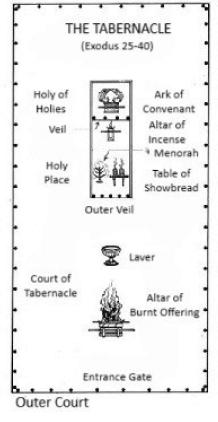
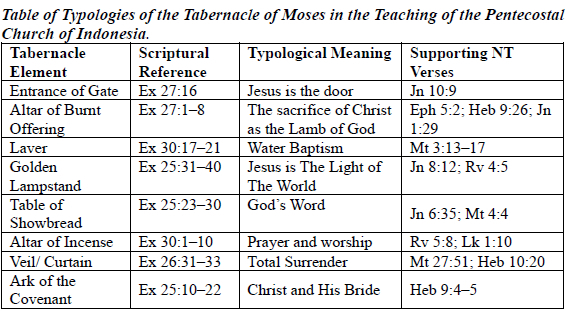
Once sidelined in modern biblical scholarship, typological interpretation is now gaining renewed attention through canonical and theological readings of scripture. In addition to the Western academic revival, typology has long thrived in the lived theology of Indonesian Pentecostal churches-particularly through teachings centered on the Tabernacle. This article examines how canonical approaches to typology intersect with local theological practices within the Tabernacle tradition of Indonesian Pentecostalism. Using historical, theological, and contextual analysis, it argues that Tabernacle teaching functions as an embodied theology expressed through curricula, worship, and community life. Symbols like the altar, laver, and Ark of the Covenant are interpreted typologically - pointing both to Christ's redemptive work and to the believer's spiritual journey. By examining the intersection of global theological frameworks and local ecclesial practices, this study argues that contextual typology represents a vital contribution to the future of theological hermeneutics.
Typology; Canonical Interpretation; Liturgical Spirituality; Tabernacle Teaching; Indonesian Pentecostalism
 Thumbnail