Unexpected high prevalence of Gram-negative pathogens in fracture-related infection: is it time to consider extended Gram-negative cover antibiotic prophylaxis in open fractures?
Abstract
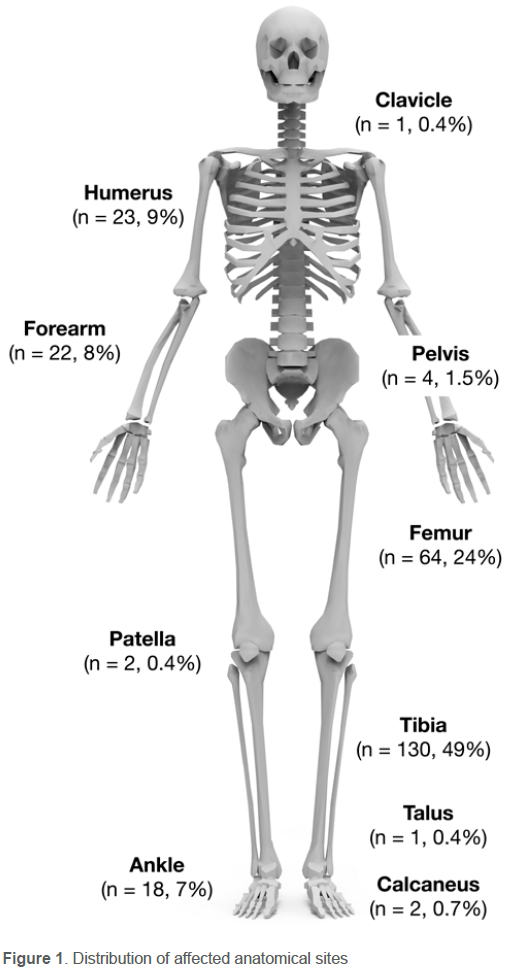
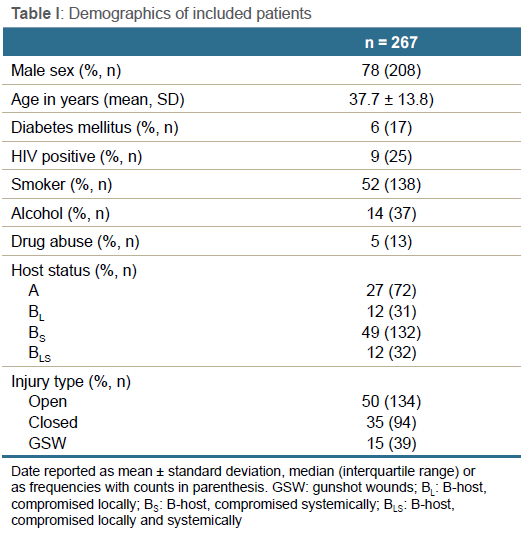
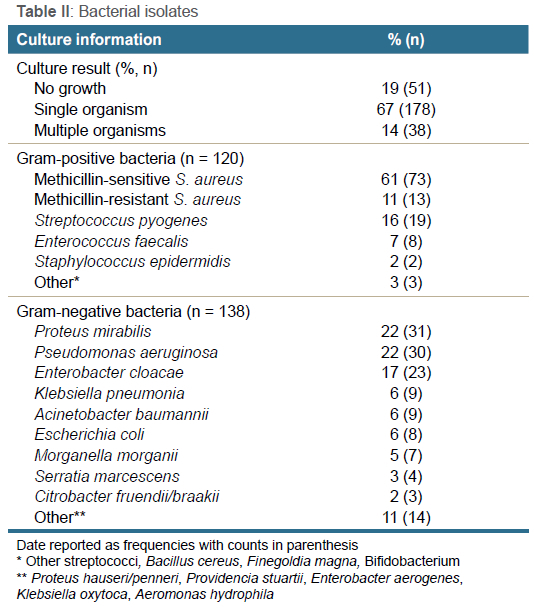
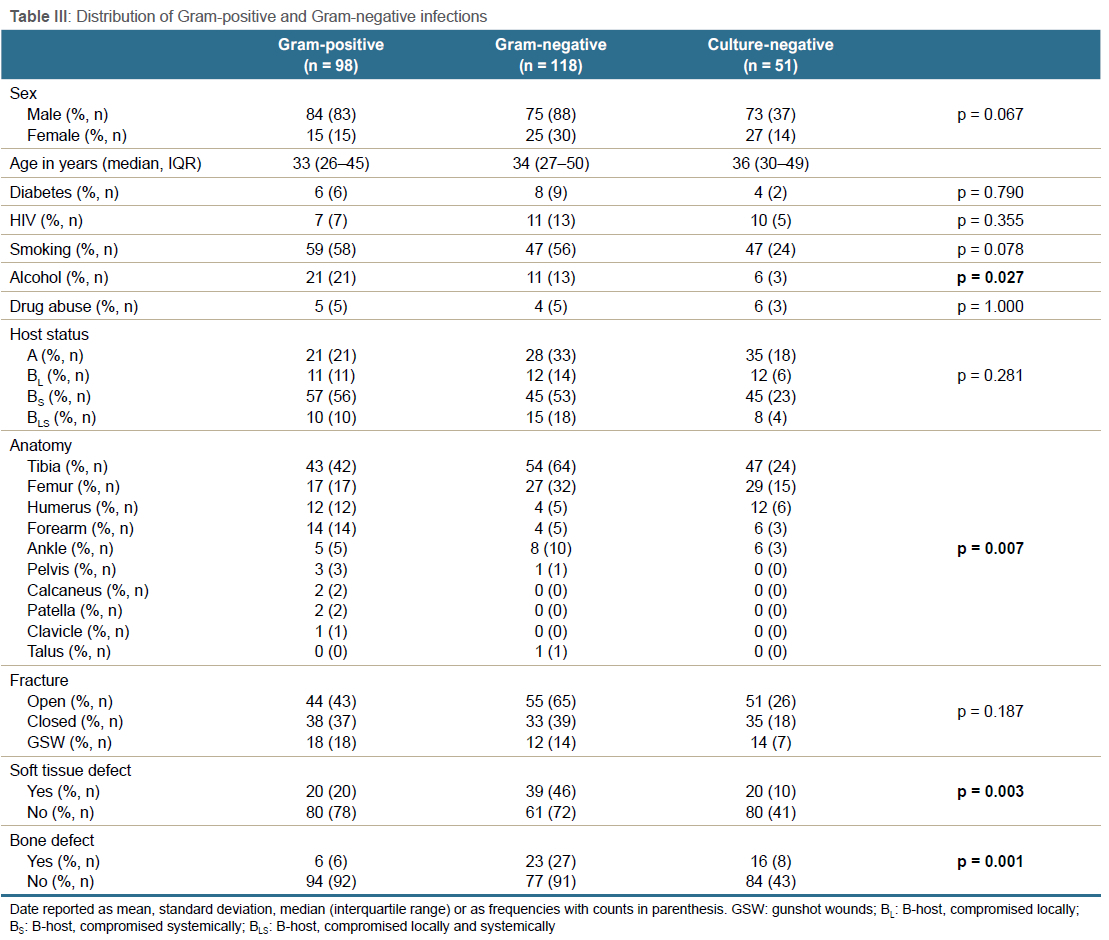
BACKGROUND: Gram-negative organisms are increasingly seen as causative pathogens in orthopaedic fracture surgery, which might necessitate a change in antibiotic prophylaxis protocols. METHODS: A single-centre retrospective review of antibiogram results from all patients treated for fracture-related infection (FRI) was conducted. Subgroup analysis was undertaken to identify any host, injury or treatment variables predisposed to Gram-negative infection. RESULTS: The bacteriological results of 267 patients who underwent surgical treatment for FRI were analysed. Pathogens were isolated in 216 cases (81%), of which 118 (55%) were Gram-negative infections. Fractures involving the tibia and femur (p = 0.007), the presence of soft tissue defect (p = 0.003) and bone defects (p = 0.001) were associated with an increased risk of developing a Gram-negative FRI. CONCLUSION: Gram-negative fracture-related infections were associated with injuries experiencing bone loss and those requiring soft tissue reconstruction. It is, therefore, prudent to consider extended Gram-negative directed antimicrobial prophylaxis in these cases to prevent the development of fracture-related infection. Level of evidence: Level 4
open fracture; antibiotics; fracture-related infection; Gram-negative
 Thumbnail