Role of ultrasound as a non-invasive method of diagnosis of chronic exertional compartment syndrome
Abstract
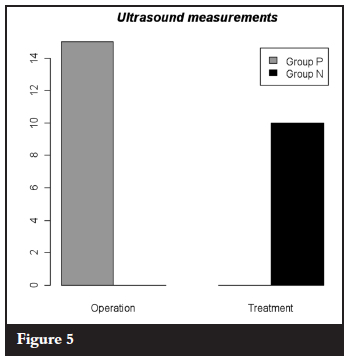
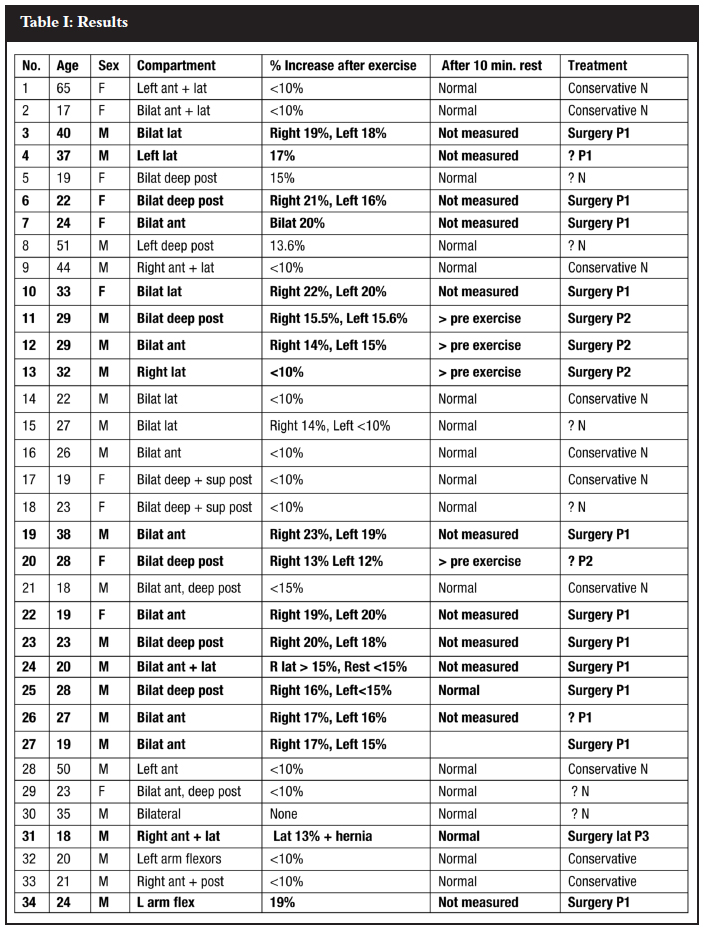
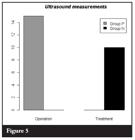
Chronic exertional compartment syndrome (CECS) is a well-recognised condition, which can result in significant morbidity and limitation of activity in athletes and non-athletes alike. At present invasive intramuscular pressure (IMP) measurements are still considered the gold standard for diagnosing CECS. The non-invasive nature of ultrasound makes it an attractive alternative to direct IMP measurement. This retrospective study is a literature and case review of 34 subjects with exerciseinduced leg pain who underwent ultrasound compartment measurement for CECS. Eighteen (group P) of 34 were found to be positive. Fifteen of group P demonstrated calf increases of >15 mm and an additional three with increases of <15 mm failed to return to the resting state at 10 mins after exercise. Sixteen subjects demonstrated a normal ultrasound after exercise. At follow-up (1-2 years) a telephonic interview of 25 participants showed that 15 of the 18 with a positive confirmation of CECS had responded well to surgical decompression and 10 of the 16 negative cases had responded well to conservative treatment. This study suggests that ultrasound may be a useful tool for the assessment of CECS.
ultrasound; exertional; chronic compartment; syndrome; non-invasive; intramuscular pressure
 Thumbnail
 Thumbnail
 Thumbnail
 Thumbnail