Traumatic spondylolisthesis of the axis: Surgical indication and outcomes
Abstract
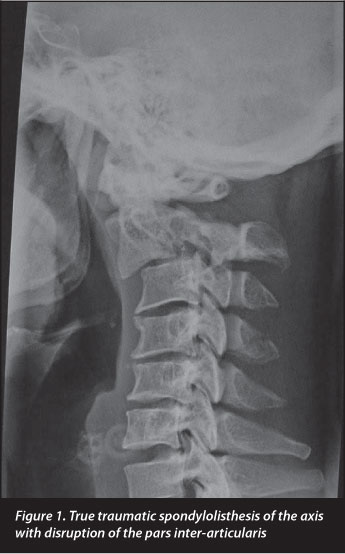
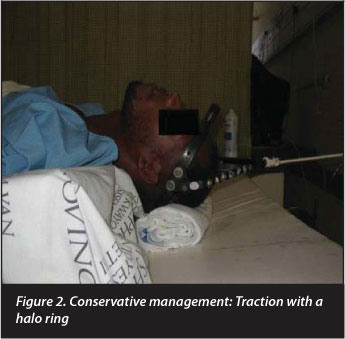
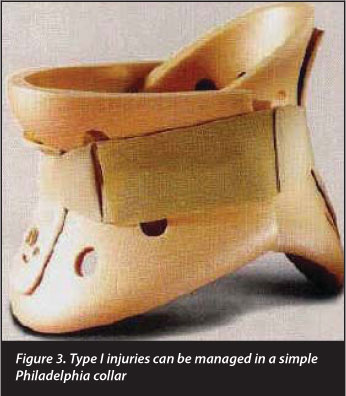
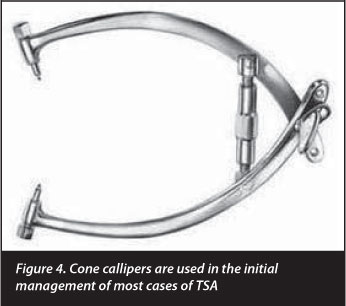
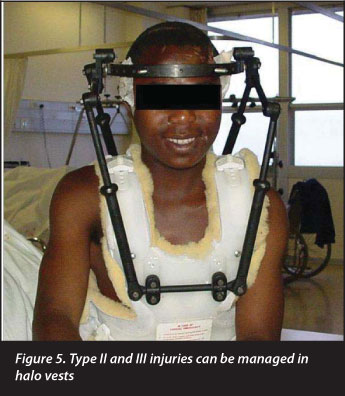
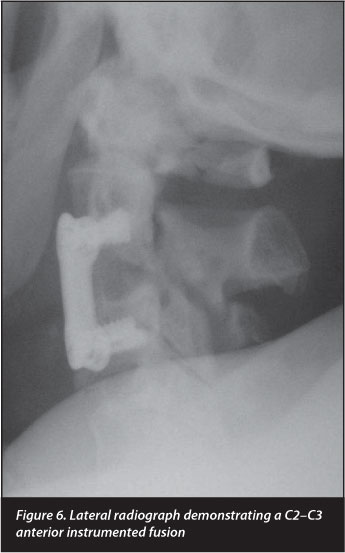
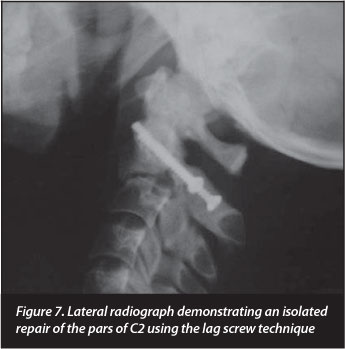
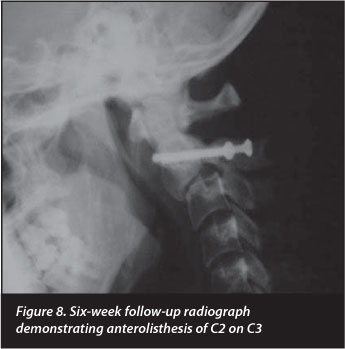
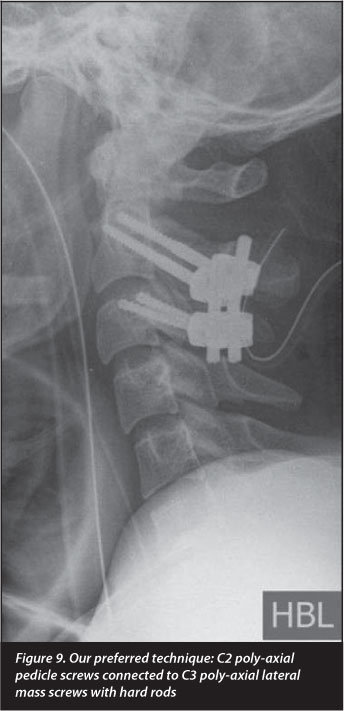
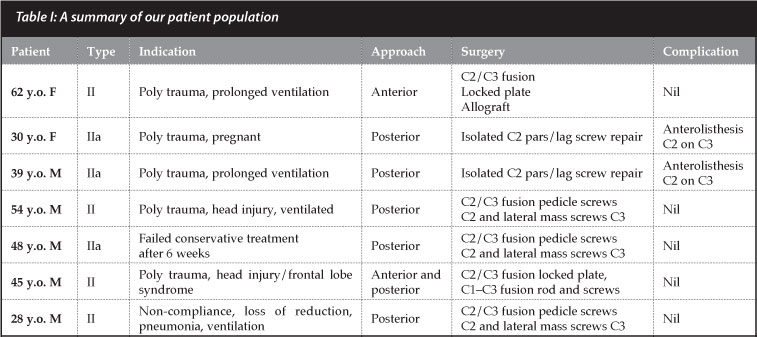
STUDY DESIGN: : A retrospective review of patient records, images and demographic data. OBJECTIVE: The purpose of this study is to review the indications for surgery in traumatic spondylolisthesis of the axis (TSA). SUMMARY OF BACKGROUND DATA: The majority of authors agree that non-operative management with traction reduction, followed by rigid immobilisation, will result in bony union in 95% of all cases. Asymptomatic pseudo-arthrosis or local kyphosis is usually tolerated well. There are very few true indications for surgery in TSA. METHODS: A retrospective review of all patients admitted to a level one spinal cord injury centre between 2003 and 2012 with a TSA who underwent surgical intervention. Seven cases were identified. Mechanism of injury, associated injuries, fracture type, indication for surgery, surgical procedure employed, clinical and radiological outcomes were reviewed. RESULTS: In 80 patients managed as in-patients with TSA over a 10-year period, only 7 (<10%) required surgery. The fracture configuration had no bearing on whether surgery was utilised, but 'patient factors' had the biggest impact on the decision to operate. These factors included poly-traumatised patients, ICU admission, need for ventilation, skull fractures, scalp lacerations and acute psychosis. CONCLUSION: Indications for surgery are based largely on patient factors and ease of nursing rather than a specific fracture displacement or configuration.
Hangman's fracture; traumatic spondylolisthesis of the axis; surgical management of TSA; axis fractures; Cape Town
 Thumbnail
 Thumbnail
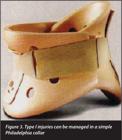 Thumbnail
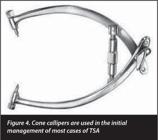 Thumbnail
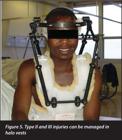 Thumbnail
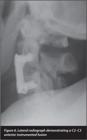 Thumbnail
 Thumbnail
 Thumbnail
 Thumbnail