Infection prevention in shoulder arthroplasty: current practices among South African orthopaedic surgeons
Abstract
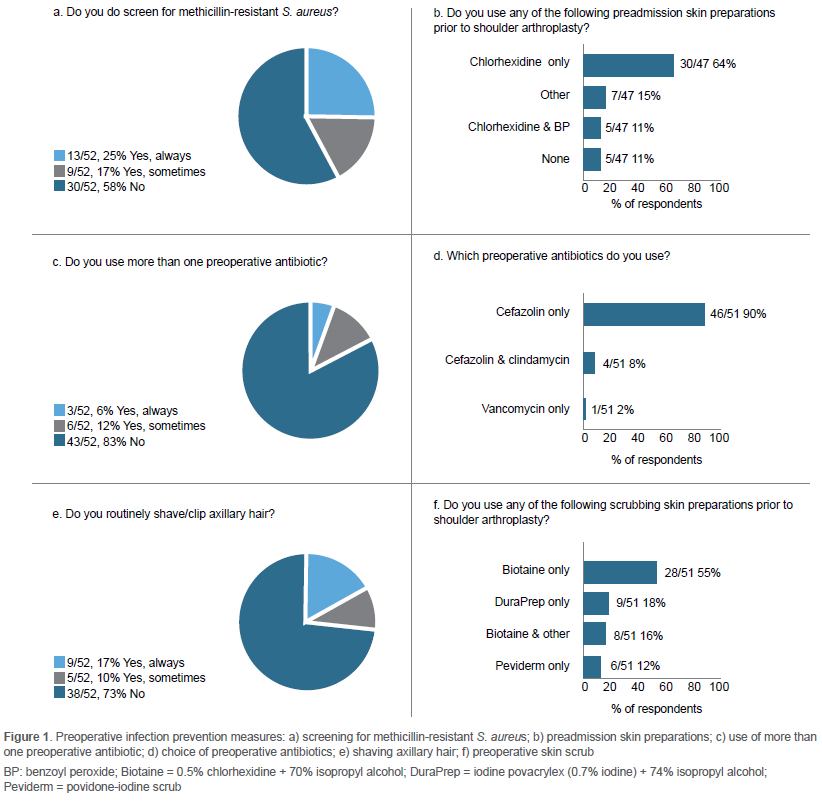
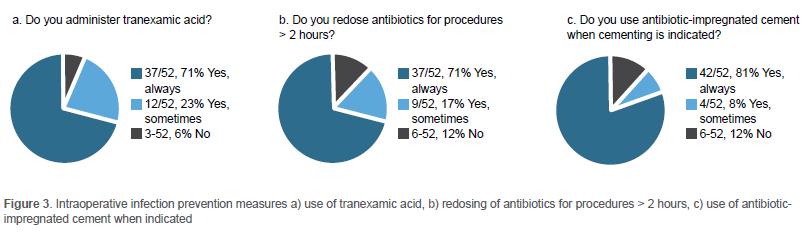
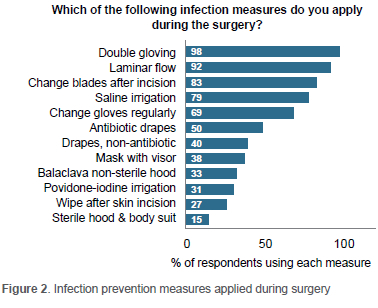
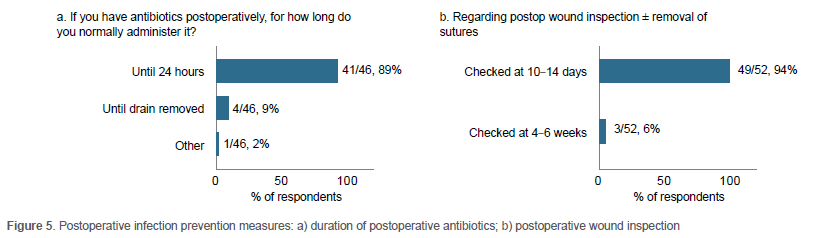
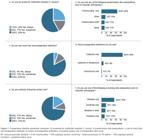
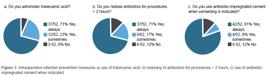
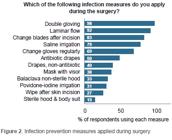
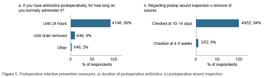
BACKGROUND: Periprosthetic joint infection (PJI) following shoulder arthroplasty is costly and difficult to treat. Effective perioperative infection prevention is thus of utmost importance. Recent years have seen advances in the scientific literature pertaining to infection prevention in shoulder arthroplasty, including an International Consensus Meeting (ICM). However, little is known about infection prevention practices in South Africa and to what extent they reflect the latest evidence. Therefore, the aim of this study was to investigate the current perioperative infection control practices for primary total shoulder arthroplasty among South African orthopaedic surgeons METHODS: This cross-sectional study involved a survey conducted at the annual South African Shoulder and Elbow Surgeon Society Congress in 2023. The survey was developed based on the study aim and the existing literature. Surveys were distributed to delegates in paper-based form, and responses captured electronically for descriptive analysis RESULTS: Fifty-two of 75 (69%) orthopaedic surgeon delegates completed the survey. Forty-one (79%) were in full-time private practice. Among preoperative measures surveyed, 30 of 47 (64%) respondents used chlorhexidine only as a preadmission skin preparation, 46 of 51 (90%) used cefazolin only as a preoperative antibiotic, and 28 of 51 (55%) used 0.5% chlorhexidine gluconate in 70% isopropyl alcohol as a pre-incision skin scrub. Among intraoperative measures, 51 of 52 (98%) used double gloving, 26 of 52 (50%) used iodine-impregnated adhesive drapes, 37 of 52 (71%) always used tranexamic acid (TXA), 42 of 52 (81%) always used antibiotic impregnated cement, and 37 of 52 (71%) always redosed antibiotics for procedures > 2 hours. Postoperatively, 41 of 46 (89%) administered antibiotics for up to 24 hours CONCLUSION: There was a majority response for most of the items surveyed, indicating reasonable consensus in shoulder arthroplasty infection prevention practices. Most responses were generally in keeping with ICM recommendations, except routine use of TXA and antibiotic-impregnated cement. These measures were deemed by the ICM to have insufficient evidence. A minority of respondents indicated practices that show room for improvement in reducing periprosthetic joint infection risk LEVEL OF EVIDENCE: 3
shoulder arthroplasty; periprosthetic joint infection; infection prevention; perioperative
 Thumbnail
 Thumbnail
 Thumbnail
 Thumbnail