The results of a cementless acetabular component combined with impaction bone grafting in patients with acetabular protrusion
Abstract
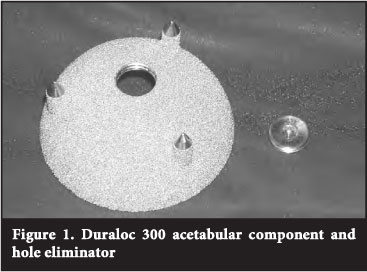
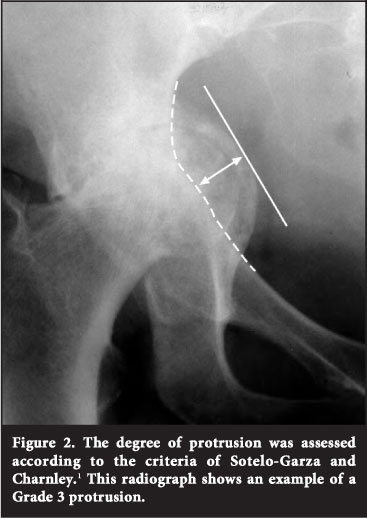
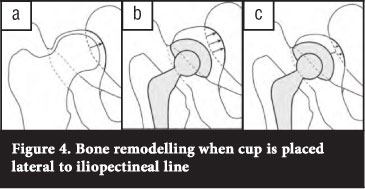
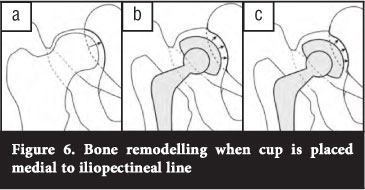
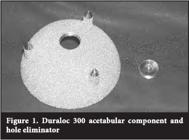
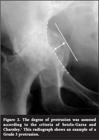
We undertook this study to determine the results of acetabular fixation using the Duraloc 300 uncemented acetabular component combined with impaction bone grafting in patients with acetabular protrusion. Forty-two consecutive total hip replacements using a Duraloc 300 cup in patients with acetabular protrusion requiring impaction bone grafting were reviewed at an average of 6.3 years. In no cases were structural graft, wire mesh or cages utilised. Pre-operative X-rays were analysed for degree of protrusion. Post-operative X-rays were analysed for cup placement including centre of rotation and interface gaps. Follow-up films were analysed for graft incorporation, lucent lines, osteolysis, wear and migration. Kaplan-Meier survivorship analysis was performed. All components were found to be stable. Two components moved in the immediate post-operative period, but both components stabilised within six months of surgery and have remained stable for seven and eight years respectively. Incorporation and remodelling of the bone graft occurred in all cases. Mean rate of wear was 0.19mm per year. One case of pelvic osteolysis was seen. The Duraloc 300 cup provides excellent fixation in patients with acetabular protrusion and impaction bone grafting and fixation can be achieved without the use of structural graft, wire mesh or cages. We are therefore optimistic that the durability of fixation should equal that of primary hip surgery without protrusion.
Protrusion acetabulum; protrusio acetabuli; acetabular bone loss; acetabular management; hip arthroplasty
 Thumbnail
 Thumbnail
 Thumbnail
 Thumbnail