Sham surgery: justified but practical? A systematic review of sham surgery trials in orthopaedics
Abstract
BACKGROUND: An increasing trend for sham surgery trials in minor orthopaedic procedures has been observed. Trial outcomes have changed the practice landscape of these procedures. However, there has been no sham surgery trial in a major orthopaedic procedure. The aims of this systematic review were to consider the ethics of sham surgery trials; to describe orthopaedic sham surgery trials conducted to date; and to consider the challenges that will need to be overcome in order to conduct sham surgery trials for major orthopaedic procedures in the future METHODS: A systematic review of the literature and clinical trial registries was undertaken. Trials with a published main findings paper underwent a risk of bias assessment using the Cochrane Collaboration risk of bias tool, in addition to an ethical assessment based on the work of Horng and Miller RESULTS: We identified 22 sham surgery trials for minor orthopaedic procedures that have been completed, terminated, or are currently in process. Among the ten trials with a published main findings paper, only one was free from risk of bias; all others were at risk of bias. According to the ethical assessment, the benefits of a sham control were outweighed by the risks in all but two of the ten trials. Across the 22 trials with published and unpublished main findings, participant recruitment within reasonable timeframes, as well as the low threshold for crossover from the sham were recurring challenges CONCLUSIONS: Researchers are obliged to carefully consider the feasibility of conducting a sham surgery trial in a major orthopaedic procedure, before drawing on limited research funds. Exploring the conditions under which patients and surgeons would find participation in a sham surgery trial acceptable, and simulating trial costs based on patient and surgeon preferences may assist funders, assessors and ethics boards to determine whether to support the conducting of future sham surgery trials in major orthopaedic procedures Level of evidence: Level 1
orthopaedics; sham surgery; placebo; systematic review
Introduction
The cornerstone of modern clinical practice, evidence-based medicine, is 'the conscientious, explicit and judicious use of current best evidence in making decisions about the care of individual patients'.12
In typical orthopaedic RCTs, patients are randomised to Surgery A or Surgery B. If both procedures are found to be equally effective, it is rarely reported that Surgery A and Surgery B might be equally ineffective or even equally harmful. Instead of comparing the efficacy of two procedures, a more relevant question is whether these procedures are superior to a placebo, or sham surgery.3
Sham surgery (involving anaesthesia and skin incision) enables researchers to determine whether the supposed 'therapeutic' element of the procedure has a benefit beyond a placebo effect. Placebo effects are the non-specific effects that can influence treatment outcomes. These include the rituals involved in undergoing the procedure, setting in which it is performed, status of the treating clinician, personal investment in the outcome, and patients' outcome expectations. Placebo effects are larger in surgical compared to non-invasive interventions,4 5
An increasing trend for sham surgery trials for minor orthopaedic procedures has been observed.6-12 These trials have changed the practice landscape of these procedures. However, there has been no sham surgery trial in a major orthopaedic procedure. As such it has been argued that the efficacy of some of the highest volume and complex medical interventions such as joint replacement surgery remains unknown.2
This article discusses the ethical considerations of sham surgery trials and describes the current landscape of sham surgery trials in orthopaedics. Through a systematic review of the literature and search of clinical trial registries, we identified all sham surgery trials conducted to date for minor orthopaedic procedures, and considered the challenges that will need to be overcome in order to conduct sham surgery trials for major orthopaedic procedures in the future.
Is it ethical to conduct a sham surgery trial?
Much ethical debate surrounds the conduct of sham surgery trials. Offering no therapeutic benefit while exposing patients to unnecessary risks associated with anaesthesia and skin incision, sham surgery presents a threat to the ethical principles of beneficence and non-maleficence. A survey of shoulder surgeons found that 62% were concerned with the element of deception involved in performing sham surgery, and 48% were apprehensive about risking patient-surgeon trust.13141516not to conduct sham surgery trials. What do we tell patients why a procedure that is unproven is being offered to them?
When are sham trials indicated?
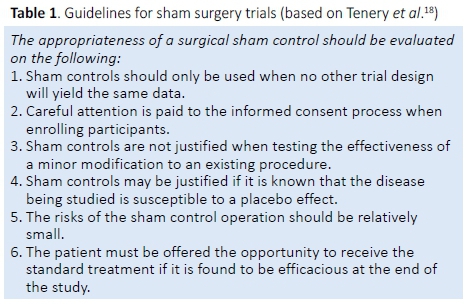
The Declaration of Helsinki states that the benefits, risks, burdens and effectiveness of an intervention must be tested against those of the best-proven intervention(s). A placebo control may be acceptable if: a) no proven intervention exists; b) where, for compelling and scientifically sound methodological reasons the use of a placebo is necessary to determine the efficacy or safety of an intervention; c) patients who receive the placebo will not be subject to additional risks of serious or irreversible harm from not receiving the best proven intervention.1718Table 1).
The appropriateness of a surgical sham control should be evaluated on the following:
1. Sham controls should only be used when no other trial design will yield the same data.
2. Careful attention is paid to the informed consent process when enrolling participants.
3. Sham controls are not justified when testing the effectiveness of a minor modification to an existing procedure.
4. Sham controls may be justified if it is known that the disease being studied is susceptible to a placebo effect.
5. The risks of the sham control operation should be relatively small.
6. The patient must be offered the opportunity to receive the standard treatment if it is found to be efficacious at the end of the study.
What sham surgery trials have been conducted in orthopaedics?
This question is addressed in the Methods section.
Methods
Design
We conducted a systematic review of the published literature to identify sham surgery trials in orthopaedics with a published main findings paper. To better understand the current landscape of sham surgery trials in orthopaedics, we also searched clinical trial registries for trials that are currently underway, have been recently completed or have been abandoned. This systematic review is reported according to PRISMA guidelines.19
Identification and selection of studies
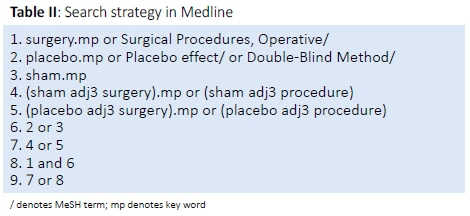
Five electronic databases (Medline, Embase, PsychInfo, Cochrane Register of Clinical Trials, CINAHL) were searched from inception to June 2018. The search strategy comprised two key concepts: surgery and placebo/sham. For each concept, key words and MeSH (Medical Subject Heading) terms were combined using the 'OR' operator and the results were combined using the AND operator. An example of the search in one database can be viewed in Table II. We limited searches to English language, humans and RCTs. The search results were downloaded into a bibliographic software. Reference lists of selected articles were manually searched for additional relevant articles.
Two reviewers independently reviewed the titles and abstracts yielded according to the inclusion criteria. If eligibility was uncertain based on title and abstract, the full-text article was obtained. We included studies that randomised adults to receive either an invasive orthopaedic procedure or a sham procedure. We defined an invasive orthopaedic procedure as a surgical procedure addressing morphological structures of the musculoskeletal system. As such, we did not include studies of radiofrequency denervation or other nerve ablation procedures. We considered a procedure to be a sham when it mimicked the invasive procedure under investigation but did not change the integrity of the body part being operated. Therefore, we included studies that involved diagnostic arthroscopy as a sham but excluded studies that involved arthroscopic debridement as a sham. Results from the screening process by the two authors were compared and discrepancies were resolved through consensus discussion.
In addition to the database search, we searched the following clinical trial registries: Clinicaltrials.gov, Australian New Zealand Clinical Trials Registry, European Union Clinical Trials Registry, and Chinese Clinical Trial Registry using the key search terms: surgery and placebo/sham.
Risk of bias assessment
Two authors independently assessed each of the included studies with a published main findings paper using the Cochrane Collaboration's tool for assessing risk of bias in randomised trials.20
Ethical assessment
Each of the included studies with a published main findings paper also underwent an ethical assessment, based on the work of Horng and Miller.2122
Data extraction and analysis
We extracted the following data from the studies retrieved (where provided): participant characteristics, proportion of eligible candidates that agreed to participate, sample size (actual and anticipated), time to recruit the sample, procedure(s) under investigation, trial status (e.g. completed, recruiting, abandoned), blinding procedures and success of blinding, study outcomes and adverse events. We compared the main findings papers to published protocol papers where available, and details registered in clinical trial websites to identify any modification to trial protocols. We summarised the trials in tabulated format and descriptive text. We presented the trials which had published a main findings paper separately to trials which had not.
Findings
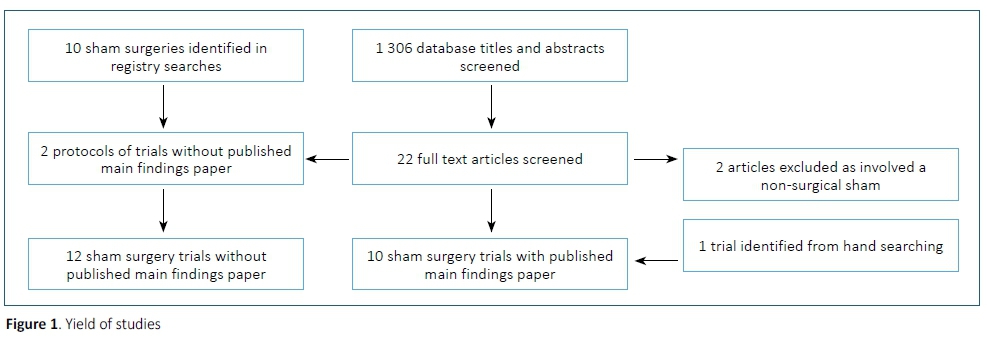
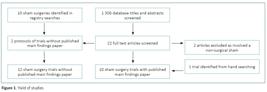
The database searches identified 1 306 articles for title and abstract screening. Of these, 22 were retrieved for full-text screening. Two articles were excluded as they involved a nonsurgical sham. Two articles were protocol papers of trials that were yet to publish a main findings paper. Eighteen articles (nine trials) met the inclusion criteria. One further trial was identified from handsearching references from the included studies, bringing the total sample of trials with a published main findings paper to ten. Registry searches identified a further 12 sham surgery trials. Four trials had been completed but were yet to publish a main findings paper, one had converted to a cohort study, and seven trials were currently underway. The yield of studies is presented in Figure 1. The 22 sham surgery trials both with and without a main findings paper, involved the following orthopaedic procedures: vertebroplasty (n=3), decompressive spinal surgery (n=3), stem cell procedures for knee osteoarthritis (n=3), and arthroscopic procedures of the knee (n=6), hip (n=1), shoulder (n=4), and elbow (n=2).
Findings from trials with a published main findings paper
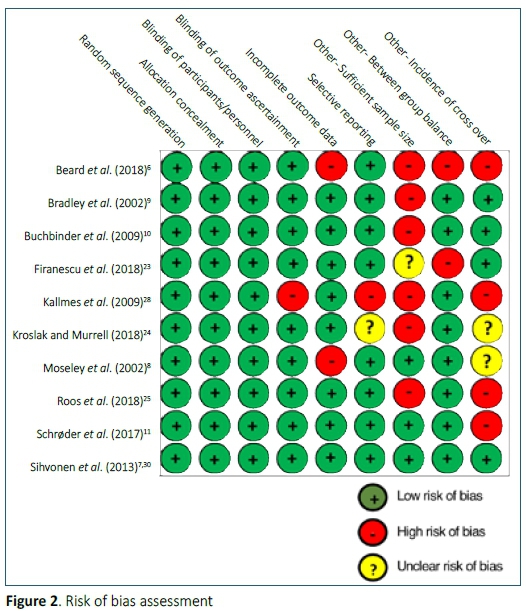
Risk of bias among the ten included trials with a main findings paper is presented in Figure 2. All studies described effective randomisation and allocation concealment. All described appropriate blinding procedures; however, not all assessed the success of blinding by asking participants if they believed they had undergone the intervention or sham.
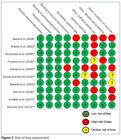
Risk of bias was introduced in most trials due to revision of the target sample size during the course of the trial or failing to reach target sample size. We considered this source of bias to be different from incomplete outcome data as follow-up rates for participants that were enrolled were generally high. The Cochrane Collaboration risk of bias tool enables authors to describe 'other sources of bias' that are not covered by the six domains; therefore, we chose to include 'sufficient sample size' as an assessment criterion.
Another source of bias we identified was imbalance of characteristics between groups. For example, in the trial by Beard et al.6
A final source of bias we identified was crossover between the study arms during the follow-up period, where the threshold for crossover was lower in the sham group than the intervention groups. While ineffective blinding procedures may explain crossover, other factors such as treatment failure may play a role and therefore we chose to include 'incidence of crossover' as an assessment criterion.
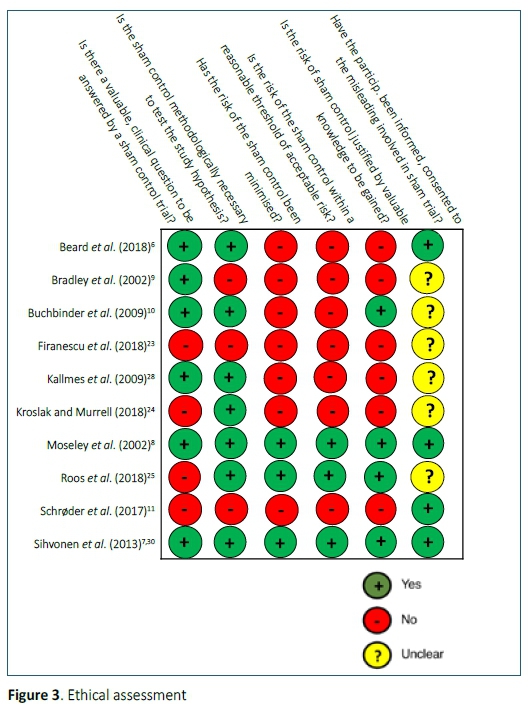
Findings from the ethical assessment is presented in Figure 3. Four trials did not provide satisfactory evidence of a valuable, clinically relevant question to be answered by a sham surgery trial. Two involved surgical procedures in populations where this was not indicated at the time the study was designed: vertebroplasty for acute vertebral compression fractures232411 25
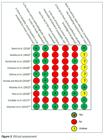
According to Horng and Miller,26276,9,11,23,28 included other unnecessary steps such as irrigation, injection of anaesthetic and aspiration of synovial fluid, suggesting that these sham controls were not 'inert' but had a possible therapeutic effect.29
Consistent with poor evidence of a valuable, clinically relevant question to be answered by a sham surgery trial and/or the introduction of unnecessary steps in the sham, in six trials the risk of a placebo control appeared unjustified by the valuable knowledge to be gained.
Only four of the trials explicitly explained how participants were informed of the potential that they could receive sham surgery. In the remaining trials it can only be assumed that the participants were made aware of this during the informed consent process.
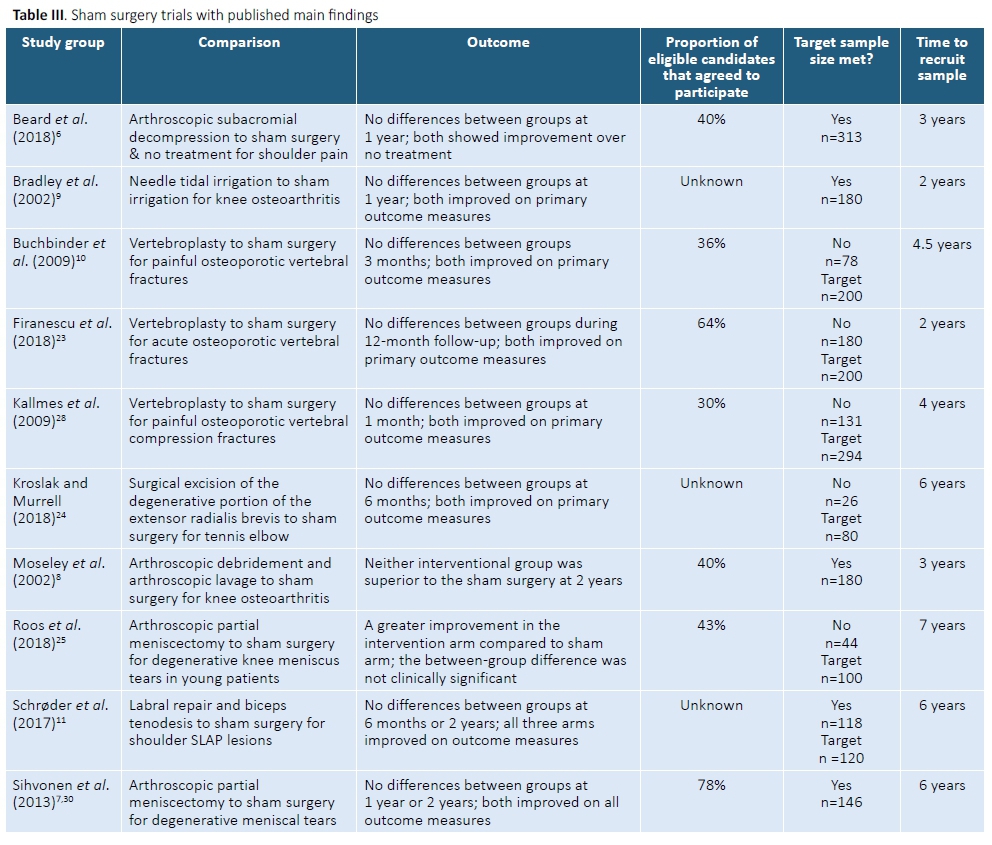
Characteristics of the included trials are presented in Table III and described below. Further detail on the methods and findings of each trial can be found in Appendix 1 (at the end).
These trials have significantly impacted the practice landscape of orthopaedics.3031,32 While these studies indicate that sham surgery trials can be feasible and provide valid data on the efficacy of some minor orthopaedic procedures, they also highlight the challenges facing sham surgery trials in orthopaedics. In particular are the common challenges of recruiting participants within reasonable time frames.
Buchbinder et al.10332834et al. trial also seems to have suffered from a high rate of non-compliance to treatment, with suboptimal blinding procedures. At 2 weeks, 63% of those in the sham arm correctly guessed their allocation compared to 51% in the intervention arm. Further, 74% of the 27 participants who elected to cross over from the sham correctly guessed their allocation compared to 55% of those who did not cross over.
The Beard et al.66et al. planned to embed a qualitative investigation into their trial to identify sources of recruitment difficulties and suggest changes to improve informed consent and randomisation. However, the qualitative findings have not been reported. The trial also suffered from difficulties with recruitment, doubling the number of centres they recruited from to achieve their target sample size within 3 years.35
Roos et al. received funding in 2010 to compare arthroscopic partial meniscectomy to sham surgery for degenerative meniscus tears. In 2013 they published a protocol paper3616 25
Findings from trials without a published main findings paper
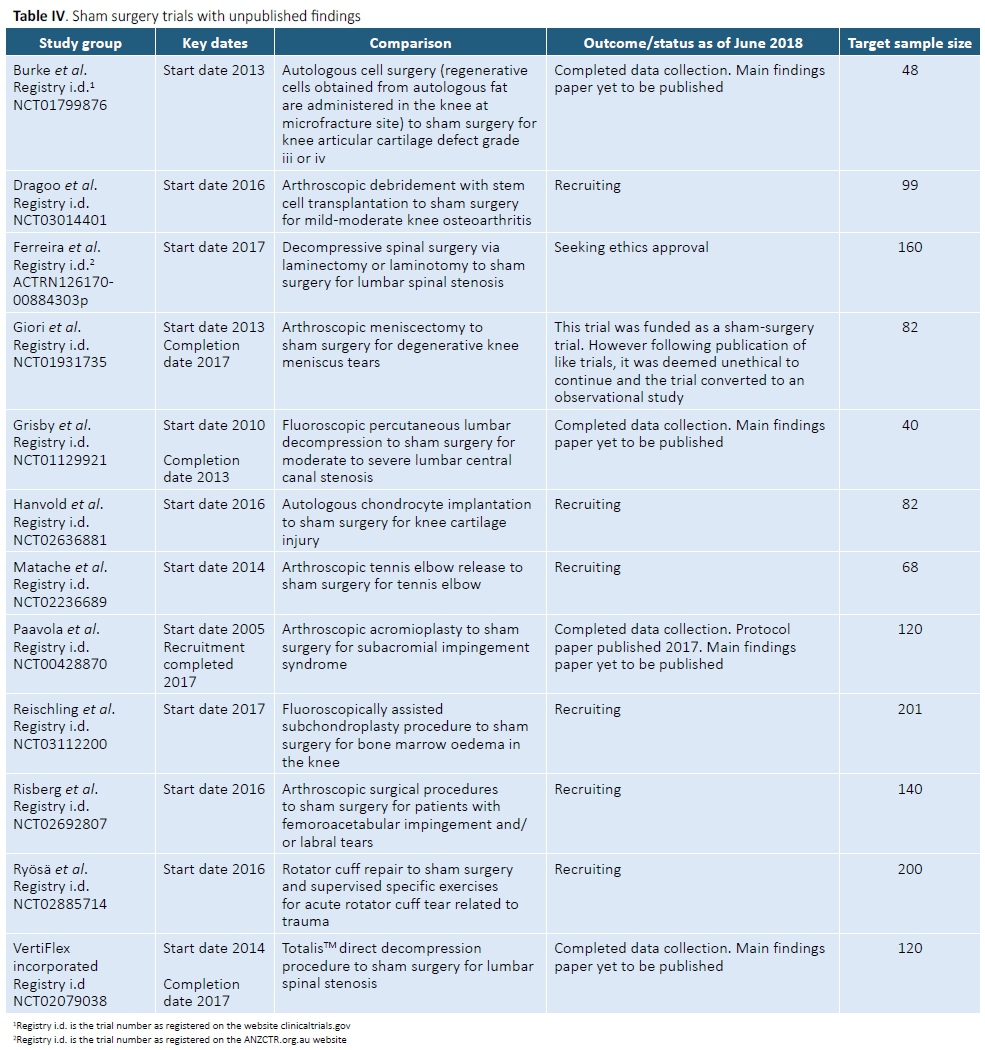
We identified a further 12 sham surgery trials for minor orthopaedic procedures that are currently underway, have been recently completed with the findings yet to be published, or that have been abandoned (Table IV).
As with the published trials, similar difficulties with recruitment can be seen among these trials. Paavola et al. compared arthroscopic acromioplasty to sham surgery for subacromial impingement syndrome and took eight years to recruit the target sample size of 210 participants. Notably a protocol paper was not published until 2017,37et al. compared fluoroscopic percutaneous lumbar decompression to sham surgery for moderate to severe lumbar central canal stenosis and are also yet to publish their main findings in a peer-reviewed journal, eight years after commencing their trial. Despite the small size (n=40), documentation on the clinicaltrials.gov registry reports difficulties with patient retention in the sham arm. Matache et al. registered a trial in 2014 comparing arthroscopic tennis elbow release to sham surgery for tennis elbow with a projected completion date in 2017. A protocol paper was published in 2016,38et al. highlights potential difficulties with obtaining ethical approval for a sham surgery trial. The trial was registered in May 2017 and the first participant was expected to be enrolled by September 2017. In May 2018, the trial has still not received ethical approval.
Discussion
Recruiting participants into orthopaedic trials is a well-known challenge. Two interventions that have different benefit-to-harm profiles can result in strong preferences for one intervention, leading both patients and surgeons to decline participation in a trial.39404142
A recent investigation into clinical trials in Australia found that 50% of current research investment by the Australian National Health and Medical Research Council is spent on studies that do not publish a protocol paper and/or main results paper during the funding period.43
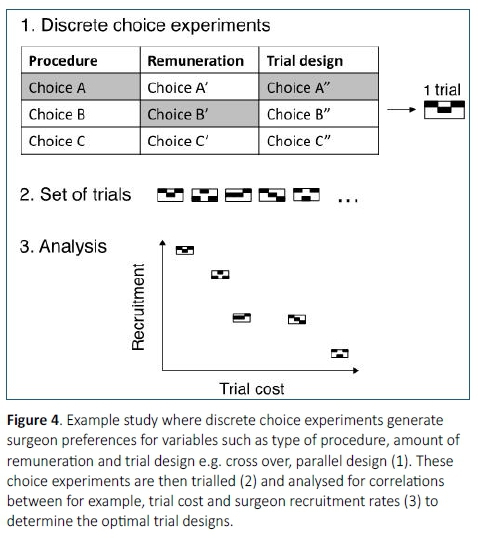
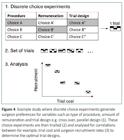
Insight into the complex decision-making processes involved in decisions to participate, in addition to preferred trial designs, can be provided by exploratory methodologies such as qualitative interviews and discrete choice experiments.44,45 For example, systematically structured trade-off questions can provide information about patient and surgeon willingness to accept tradeoffs among features of specific trials with different characteristics.46 Figure 4).
Conclusion
By searching the published and unpublished literature, we have presented a comprehensive picture of the landscape of sham surgery trials in orthopaedics. We captured the full range of sham surgery trials with published main findings by using broad terms and having two reviewers screen titles and abstracts. Search engines differed between clinical trial registries, preventing an exhaustive search of the unpublished literature.
Only one of the ten included trials with a published main findings paper was free from risk of bias; all others were at risk of bias. The findings illustrate that effective randomisation, concealment and blinding procedures are possible in orthopaedic sham surgery trials. However, the incidence of crossover from the sham arm was high among the included studies suggesting that blinding was not always effective. We recommend that all future trials assess and report the effectiveness of blinding procedures by asking participants which intervention they believed they received and why. The findings particularly highlight the challenge of participant recruitment in sham surgery trials. Low recruitment is not only a source of bias and threat to external validity, it also places trials at risk of abandonment. Closing a trial due to low recruitment rates prior to generating valuable knowledge and after exposing patients to the risks of sham surgery presents a significant ethical concern.
Findings from the ethical assessment suggest that the benefits of a sham control were outweighed by the risks in most of the included trials with a published main findings paper. Only two of the ten trials fulfilled all six criteria of the ethical assessment. Given that the trials had all received ethics approval, this raises questions about the criteria ethics committees employ when assessing risk in sham surgery trials. In seven trials, the sham control exposed participants to risk beyond accepted thresholds, with no justification from the authors as to why this was necessary. Future trials should limit the sham control to anaesthetic and skin incision, not only to prevent exposing participants to unnecessary risks, but to also ensure that the findings can yield meaningful knowledge about treatment efficacy.
All of the included trials involved minor orthopaedic procedures; the challenges identified in this review will be amplified for major orthopaedic procedure. Feasibility studies based on patient and surgeon preferences may assist in the development of minimum criteria for funders, assessors and ethics boards to determine whether to support the conduct of future sham surgery trials in major orthopaedic procedures.
Ethics statement
The authors declare that this submission is in accordance with the principles laid down by the Responsible Research Publication Position Statements as developed at the 2nd World Conference on Research Integrity in Singapore, 2010. This article did not involve human or animal subjects.
Acknowledgements
Michelle Dowsey is supported by a Career Development Fellowship from the National Health and Medical Research Council of Australia. Peter Choong and Michelle Dowsey hold a National Health and Medical Research Council Centre for Research Excellence Grant in Total Joint Replacement (1116325).
References
-
1. Sackett D, Rosenberg W, Gray J, et al. Evidence based medicine: What it is and what it isn't. BMJ. 1996;312:71-72.https://doi.org/10.1136/bmj.312.7023.71
» https://doi.org/10.1136/bmj.312.7023.71 -
2. Lim H, Adie S, Naylor J, et al. Randomised trial support for orthopaedic surgical procedures. PLoS One. 2014;9(6):e96745. https://doi.org/10.1371/journal.pone.0096745
» https://doi.org/10.1371/journal.pone.0096745 -
3. Lin C, Day R, Harris I, et al. Comparative efficacy trials with no placebo group cannot determine efficacy. BMJ. 2015;350(h3292).https://doi.org/10.1136/bmj.h3292
» https://doi.org/10.1136/bmj.h3292 -
4. Krogsboll L, Hrobjartsson A, Gotzsche P. Spontaneous improvement in randomised clinical trials: meta-analysis of three-armed trials comparing no treatment, placebo and active intervention. BMC Med Res Methodol. 2009;9(1).https://doi.org/10.1186/1471-2288-9-1
» https://doi.org/10.1186/1471-2288-9-1 -
5. Enck P, Bingel U, Schedulowski M, et al. The placebo response in medicine: minimize, maximize or personalize. Nat Rev 2013;12:191-2014.https://doi.org/10.1038/nrd3923
» https://doi.org/10.1038/nrd3923 -
6. Beard D, Rees J, Cook J, et al. Arthroscopic subacromial decompression for subacromial shoulder pain (CSAW): a multicentre, pragmatic, parallel group, placebo-controlled, three group, randomised surgical trial. Lancet. 2018;391:329-228. https://doi.org/10.1016/S0140-6736(17)32457-1
» https://doi.org/10.1016/S0140-6736(17)32457-1 -
7. Sihvonen R, Paavola M, Malmivaara A, et al. Arthroscopic partial meniscectomy versus sham surgery for a degenerative meniscal tear. The N Engl J Med. 2013;396(26).https://doi.org/10.1056/NEJMoa1305189
» https://doi.org/10.1056/NEJMoa1305189 -
8. Moseley B, O'Malley K, Petersen J. A controlled trial of arthroscopic surgery for osteoarthritis of the knee. The N Engl J Med. 2002;347:81-88.https://doi.org/10.1056/NEJMoa013259
» https://doi.org/10.1056/NEJMoa013259 -
9. Bradley J, Heilman D, Katz B. Tidal irrigation as treatment for knee osteoarthritis: A sham-controlled, randomized, double-blinded evaluation. Arthritis Rheum. 2002;46:100-108.10.1002/art.10037
» https://doi.org/10.1002/art.10037 -
10. Buchbinder R, Osborne R, Ebeling P, et al. A randomized trial of vertebroplasty for painful osteoporotic vertebral fractures. The N Engl J Med. 2009;361(6):557-68.https://doi.org/10.1056/NEJMoa0900429
» https://doi.org/10.1056/NEJMoa0900429 -
11. Schr0der CP, Skare O, Reikeras O, et al. Sham surgery versus labral repair or biceps tenodesis for type II SLAP lesions of the shoulder: a three-armed randomised clinical trial. Br J Sports Med. 2017;51(24):1759-66.https://doi.org/10.1136/bjsports-2016-097098
» https://doi.org/10.1136/bjsports-2016-097098 -
12. Fischgrund JS, Rhyne A, Franke J, et al. Intraosseous basivertebral nerve ablation for the treatment of chronic low back pain: a prospective randomized double-blind sham-controlled multi-center study. Eur Spine J. 2018.https://doi.org/10.1007/s00586-018-5496-1
» https://doi.org/10.1007/s00586-018-5496-1 -
13. Wartolowska K, Beard D, Carr A. Attitudes and beliefs about placebo surgery among orthopaedic shoulder surgeons in the United Kingdom. PLoS One. 2014;9(3):e91699.https://doi.org/10.1371/journal.pone.0091699
» https://doi.org/10.1371/journal.pone.0091699 -
14. Wartolowska K, Judge A, Hopewell S, et al. Use of placebo controls in the evaluation of surgery: systematic review. BMJ. 2014;348(g3253).https://doi.org/10.1136/bmj.g3253
» https://doi.org/10.1136/bmj.g3253 -
15. Dowrick A, Bhandari M. Ethical issues in the design of randomised trials: To sham or not to sham. J Bone Joint Surg Am. 2012;94(Suppl 1):7-10.https://doi.org/10.2106/JBJS.L.00298
» https://doi.org/10.2106/JBJS.L.00298 -
16. Hare K, Lohmander L, Roos E. The challenge of recruiting patients into a placebo-controlled surgical trial. Trials. 2014;15(167). https://doi.org/10.1186/1745-6215-15-167
» https://doi.org/10.1186/1745-6215-15-167 - 17. World Medical Association. World Medical Association Declaration of Helsinki ethical principles for medical research involving human subjects. The Journal of the AMA. 2013;310(20):2191-914
- 18. Tenery R, Rakatansky H, Riddick F, et al. Surgical 'placebo' controls. Ann Surg. 2002;235(2):303-307
-
19. Moher D, Liberati A, Tetzlaff J, et al. Preferred Reporting Items for Systematic Reviews and Meta-Analyses: The PRISMA Statement. PLoS Med. 2009;6(7):e1000097.https://doi.org/10.7326/0003-4819-151-4-200908180-00135
» https://doi.org/10.7326/0003-4819-151-4-200908180-00135 -
20. Higgins JP, Altman DG, Gotzsche PC, et al. The Cochrane Collaboration's tool for assessing risk of bias in randomised trials. BMJ. 2011;343:d5928.https://doi.org/0.1136/bmj.d5928
» https://doi.org/0.1136/bmj.d5928 -
21. Horng S, Miller FG. Ethical framework for the use of sham procedures in clinical trials. Crit Care Med. 2003;31(3 Suppl):S126-130.https://doi.org/10.1097/01. CCM.0000054906.49187.67
» https://doi.org/10.1097/01 -
22. Probst P, Grummich K, Harnoss JC, et al. Placebo-controlled trials in surgery: a systematic review and meta-analysis. Medicine (Baltimore). 2016;95(17):e3516.10.1097/MD.0000000000003516
» https://doi.org/10.1097/MD.0000000000003516 -
23. Firanescu CE, de Vries J, Lodder P, et al. Vertebroplasty versus sham procedure for painful acute osteoporotic vertebral compression fractures (VERTOS IV): randomised sham controlled clinical trial. BMJ. 2018;361:k1551.https://doi.org/10.1136/bmj.k1551
» https://doi.org/10.1136/bmj.k1551 -
24. Kroslak M, Murrell G. Surgical treatment of lateral epicondylitis. The Am J Sports Med. 2018;46(5):1106-1113.https://doi.org/10.1177/0363546517753385
» https://doi.org/10.1177/0363546517753385 -
25. Roos E, Hare K, Nielsen S, et al. Better outcome from arthroscopic partial meniscectomy than skin incisions only? A sham-controlled randomised trial in patients aged 35-55 years with knee pain and an MRI-verfied meniscal tear. BMJ Open. 2018;8(e019461).http://dx.doi.org/10.1136/bmjopen-2017-019461
» http://dx.doi.org/10.1136/bmjopen-2017-019461 -
26. Horng S, Miller F. Is placebo surgery unethical? The N Engl J Med. 2002;347:137-39. 10.1056/NEJMsb021025
» https://doi.org/1056/NEJMsb021025 -
27. Balato G, Di Donato SL, Ascione T, et al. Knee septic arthritis after arthroscopy: incidence, risk factors, functional outcome, and infection eradication rate. Joints. 2017;5(2):107-13.10.1055/s-0037-1603901
» https://doi.org/10.1055/s-0037-1603901 -
28. Kallmes D, Comstock B, Heagerty P, et al. A randomized trial of vertebroplasty for osteoporotic spinal fractures. The N Engl J Med. 2009;36(16):569-79.10.1056/NEJMoa0900563
» https://doi.org/10.1056/NEJMoa0900563 -
29. Courtney P, Doherty M. Joint aspiration and injection and synovial fluid analysis. Best Pract Res Clin Rheumatol. 2013;27(2):137-69.10.1016/j.berh.2013.02.005
» https://doi.org/10.1016/j.berh.2013.02.005 -
30. Amin N, Hussain W, Ryan J, et al. Changes within clinical practice after a randomized controlled trial of knee arthroscopy for osteoarthritis. The Orthop J Sports Med. 2017;5(4).https://doi.org/10.1177/2325967117698439
» https://doi.org/10.1177/2325967117698439 -
31. Siemieniuk R, Harris I, Agoritsas T, et al. Arthroscopic surgery for degenerative knee arthritis and meniscal tears: a clinical practice guideline. BMJ. 2017;357(1982).10.1136/bmj.j1982
» https://doi.org/10.1136/bmj.j1982 - 32. National Institute for Health and Care Excellence. Osteoarthritis: care and management in adults. In. London: NICE; 2018.
-
33. Buchbinder R, Osborne R, Ebeling P, et al. Efficacy and safety of vertebroplasty for treatment of painful osteoporotic vertebral fractures: a randomised controlled trial. BMC Musculoskelet Disord. 2008;9(156).10.1186/1471-2474-9-156
» https://doi.org/10.1186/1471-2474-9-156 -
34. Kennedy D, Stratford P, Riddle D, et al. Assessing recovery and establishing prognosis following total knee arthroplasty. Phys Ther 2008;88(1):22-32.10.2522/ptj.20070051
» https://doi.org/10.2522/ptj.20070051 -
35. Beard D, Rees J, Rombach I, et al. The CSAW Study (Can Shoulder Arthroscopy Work?) - a placebo-controlled surgical intervention trial assessing the clinical and cost effectiveness of arthroscopic subacromial decompression for shoulder pain: study protocol for a randomised controlled trial. Trials. 2015;16(210).10.1186/s13063-015-0725-y
» https://doi.org/10.1186/s13063-015-0725-y - 36. Hare K, Lohmander S, Christensen R, et al. Arthroscopic partial meniscectomy in middle-aged patients with mild or no knee osteoarthritis: a protocol for a double-blind randomized sham-controlled multi-centre trial. BMC Musculoskel Disord. 2013;14(71)
-
37. Paavola M, Malmivaara A, Taimela S, et al. Finnish Subacromial Impingement Arthroscopy Controlled Trial (FIMPACT): a protocol for a randomised trial comparing arthroscopic subacromial decompression and diagnostic arthroscopy (placebo control), with an exercise therapy control, in the treatment of shoulder impingement syndrome. BMJ Open. 2017;7(5):e014087.10.1136/bmjopen-2016-014087
» https://doi.org/10.1136/bmjopen-2016-014087 -
38. Matache BA, Berdusco R, Momoli F, et al. A randomized, doubleblind sham controlled trial on the efficacy of arthroscopic tennis elbow release for the management of chronic lateral epicondylitis. BMC Musculoskelet Disord. 2016;17(1) (no pagination)(364).10.1186/s12891-016-1093-9
» https://doi.org/10.1186/s12891-016-1093-9 -
39. Ergina P, Cook J, Blazeby J, et al. Challenges in evaluating surgical innovation. Lancet. 2009;26(374):1097-104.10.1016/S0140-6736(09)61086-2
» https://doi.org/10.1016/S0140-6736(09)61086-2 -
40. Kerman HM, Deshpande BR, Selzer F, et al. Willingness of older adults to participate in a randomized trial of conservative therapies for knee pain: A prospective preference assessment. Contemp Clin Trials Commun. 2018;9:93-97.10.1016/j.conctc.2017.12.006
» https://doi.org/10.1016/j.conctc.2017.12.006 -
41. Baldwin M, Wartolowska K, Carr A. A survey on beliefs and attitudes of trainee surgeons towards placebo. BMC Surgery. 2016;16(27).10.1186/s12893-016-0142-5
» https://doi.org/10.1186/s12893-016-0142-5 -
42. Katz J, Losina E, Lohmander L. OARSI clinical trial recommendations: Design and conduct of clinical trials of surgical interventions for osteoarthritis. Osteoarthr Cartil. 2015;23:798-802.10.1016/j.joca.2015.02.024
» https://doi.org/10.1016/j.joca.2015.02.024 -
43. Strand L, Clarke P, Graves N, et al. Time to publication for publicly funded clinical trials in Australia: an observational study. BMJ Open. 2017;7(e012212).http://dx.doi.org/10.1136/bmjopen-2016-012212
» http://dx.doi.org/10.1136/bmjopen-2016-012212 -
44. Augustovski F, Beratarrechea A, Irazola V, et al. Patient preference for biologic agents in rheumatoid arthritis: A discrete choice experiment. Value Health. 2013;16(2):385-393. 10.1016/j.jval.2012.11.007
» https://doi.org/10.1016/j.jval.2012.11.007 -
45. Campbell M, Entwistle V, Cuthbertson B, et al. Developing a placebo-controlled trial in surgery: Issues of design, acceptability and feasibility. Trials. 2011;12(50).10.1186/1745-6215-12-50
» https://doi.org/10.1186/1745-6215-12-50 -
46. Lancsar E, Louviere J. Conducting discrete choice experiments to inform healthcare decision making: a user's guide. Pharmacoeconomics. 2008;26:661-77.https://doi.org/10.2165/00019053-200826080-00004
» https://doi.org/10.2165/00019053-200826080-00004
Prof Peter Choong
The University of Melbourne, Department of Surgery
St Vincent's Hospital, Level 2, Clinical Sciences Building
29 Regent Street, Fitzroy 3065
Victoria, Australia
tel: +61 3 9231 3955
Email:

Accepted: July 2018
Published: August 2018
Funding: Michelle Dowsey is supported by a Career Development Fellowship from the National Health and Medical Research Council of Australia. Peter Choong and Michelle Dowsey hold a National Health and Medical Research Council Centre for Research Excellence Grant in Total Joint Replacement (1116325). The sponsors had no role in the design, collection, data analysis or interpretation nor in the preparation of this manuscript.
Conflict of interest: The authors declare they have no conflicts of interest.