Neuromuscular scoliosis - surgical management and outcomes
Abstract
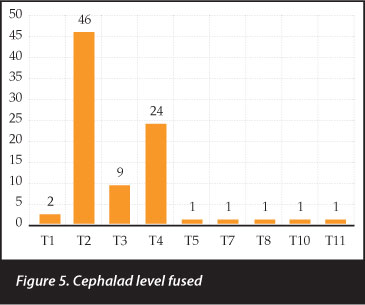
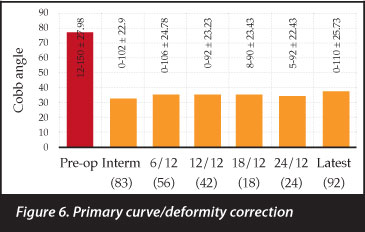
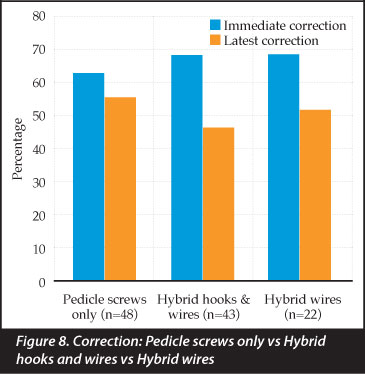
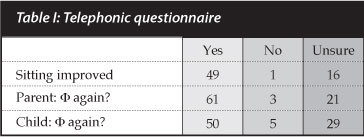
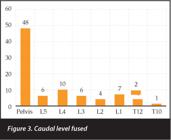
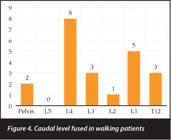
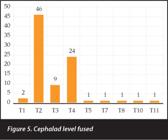
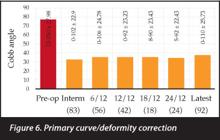
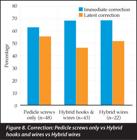
Neuromuscular scoliosis affects a heterogeneous group of patients with myopathic, upper and lower motor neuron diseases. Spinal surgery is often required to optimise respiratory, sitting and ambulatory function. OBJECTIVES: Review of management and outcomes of surgically treated neuromuscular scoliosis. STUDY DESIGN: Retrospective review of prospectively maintained data, including demographics, intra-operative variables, pre- and post-operative imaging, complications, outcomes and a telephonic follow-up questionnaire. RESULTS: Ninety-eight patients (45 male and 53 female) were included in the study. The average operating time was 230 (100-525 ± 60.9) minutes and an average of 15.4 (8-19 ± 2.9) levels were fused. Pedicle screw only constructs corrected the primary curve by 63% initially and 56% correction at last follow-up. Hybrid constructs had an immediate correction of 69% and 47% at last follow-up. Although pedicle screw constructs lost less correction when compared to hybrid constructs, this was not a statistically significant difference. Pelvic obliquity was corrected from 14.02 (0-80 ± 15.54) to 4.06 (0-35 ± 7.69) degrees. The majority of the telephonic responses were positive. CONCLUSION: : Corrective spinal surgery in the neuromuscular patient is demanding with a high rate of complications but outcomes are good, with radiographic correction maintained in the long term and high level of patient and parent satisfaction. LEVEL OF EVIDENCE: III
neuromuscular scoliosis; surgery; management; outcomes
 Thumbnail
 Thumbnail
 Thumbnail
 Thumbnail
 Thumbnail
 Thumbnail
 Thumbnail
 Thumbnail
 Thumbnail