Orthopaedic implications of physeal arrest following meningococcal septicaemia
Abstract
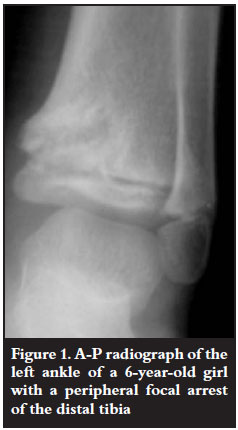
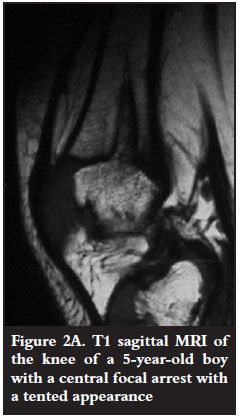
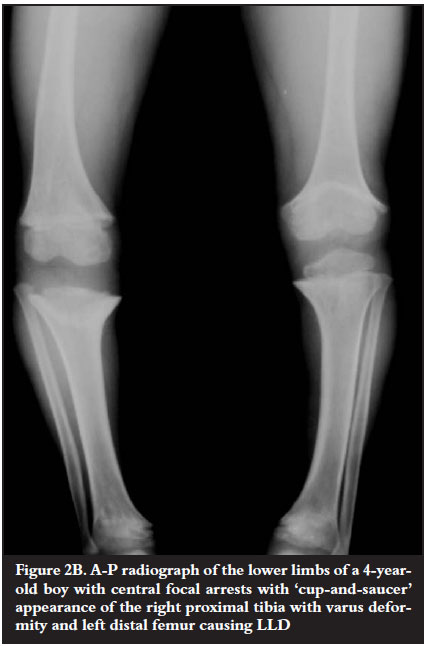
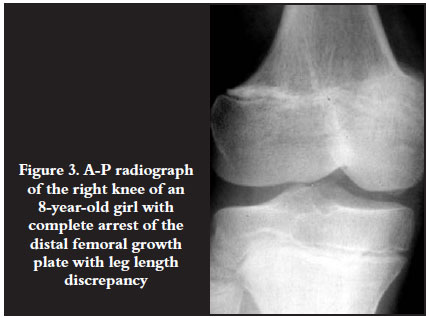
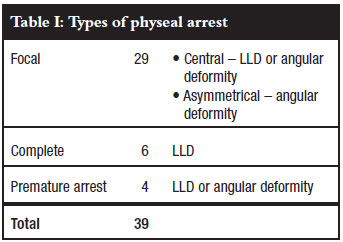
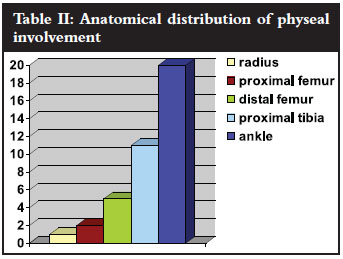
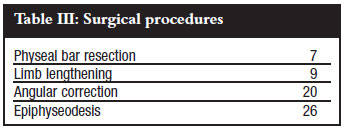
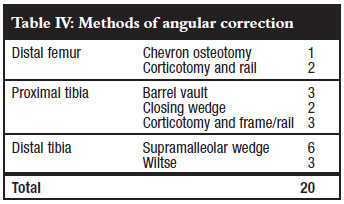
BACKGROUND: Physeal arrest following meningococcal septicaemia is the result of ischaemia secondary to vasculitis. Only two cases have been reported with a long-term follow-up to maturity. METHODS: We did a retrospective study of 13 patients treated over 17 years (1991-2007) to assess the orthopaedic manifestations, treatment and long-term outcome of the physeal arrest. All patients were followed up clinically and radiologically; eight to skeletal maturity. RESULTS: The average age of the meningococcal septicaemia was 12 months, and the patients presented with physeal arrest at an average of 5.6 years. Thirty-nine physes were involved: 29 focal, six complete and four had a premature arrest. Sixty two surgical procedures (average 4.6, range 1-11 per patient) were required to prevent or correct angular deformity and/or leg length discrepancy. Seven physeal bars were resected (four successfully), 26 epiphyseodeses, 20 angular corrections (all at the knee or ankle) and nine limb lengthenings were done. CONCLUSIONS: We concluded that these patients may require several orthopaedic procedures, and should be followed up until skeletal maturity. Once growth is balanced with bar resection or epiphyseodesis, angular correction and limb lengthening have a good outcome.
 Thumbnail
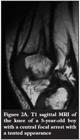 Thumbnail
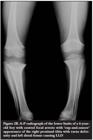 Thumbnail
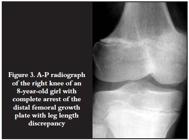 Thumbnail
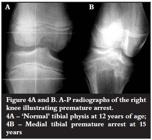 Thumbnail
 Thumbnail
 Thumbnail
 Thumbnail
 Thumbnail
 Thumbnail
 Thumbnail