Treatment of distal radius metaphyseal fractures in children: a case report and literature review
Abstract
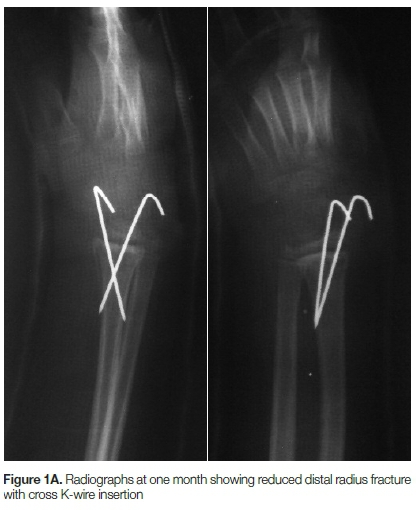
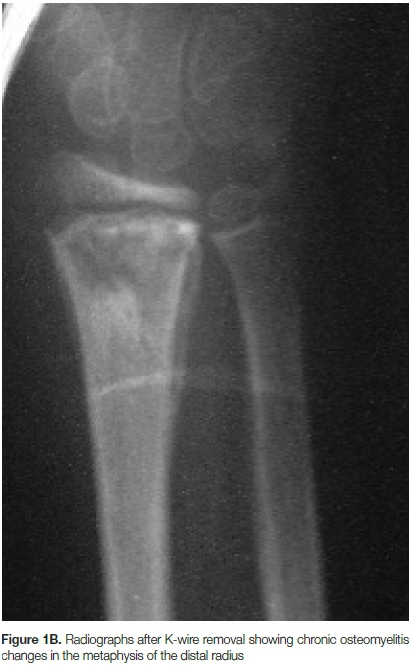
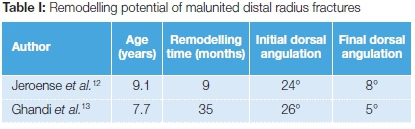
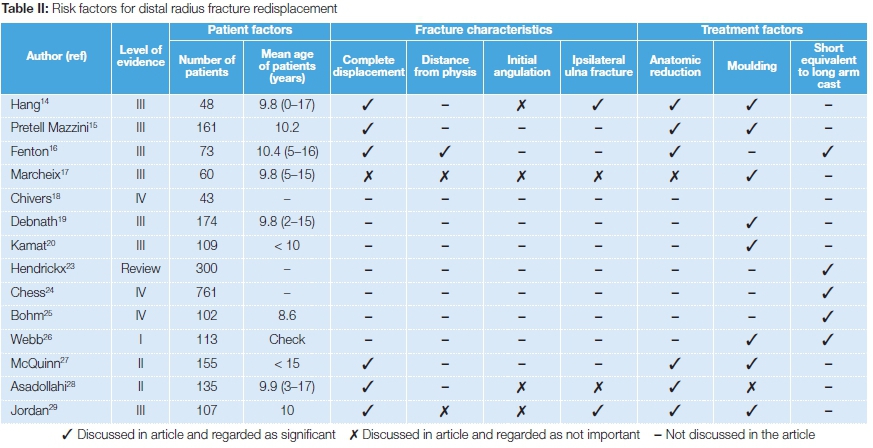
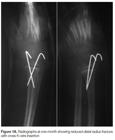
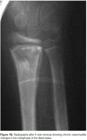
BACKGROUND: The management of displaced distal metaphyseal radius fractures in children is controversial - specifically the prevention of redisplacement. The aim of this article is to establish the indications for the use of Kirschner wires (K-wires) in the management of distal radius fractures in children by reviewing the current literature. The objectives were to establish the remodelling potential in children, factors associated with redisplacement, indications for using K-wires and potential complications of K-wires in distal radius fractures METHODS AND RESULTS: A 7-year-old boy with a displaced distal radius fracture was taken to theatre for manipulation and percutaneous fixation with K-wires and subsequently developed a chronic osteomyelitis secondary to the K-wire insertion CONCLUSION: Children under 10 years of age have excellent remodelling potential. The most important risk factors for redisplacement are complete initial displacement, non-anatomic reduction and poor plaster technique. In light of a complication rate of up to 17%, selective use of K-wire fixation in uncomplicated closed fractures should only be considered in children over the age of 10 years in fractures with complete displacement where anatomical reduction cannot be achieved Level of evidence: Level 5
distal radius metaphyseal fracture; children; K-wire fixation; remodelling potential
 Thumbnail
 Thumbnail