The neurological outcomes of patients with cervical spinal cord injury treated by closed reduction and surgical stabilisation: a retrospective longitudinal study
Abstract
BACKGROUND: Cervical spinal cord injury (CSI) from cervical spine dislocation as a result of motor vehicle accidents (MVAs) and low-velocity trauma are common in South Africa. Taking into consideration the pathophysiology of traumatic CSI and the possible neurological benefits of early cervical spinal cord decompression, it remains imperative that patients with CSI post-cervical spine dislocation be managed urgently by early closed reduction, which can be conducted safely. The study aimed to evaluate the neurological outcomes of patients who sustained cervical spine fracture-dislocations or dislocations with CSI who were treated with closed reduction. METHODS: This is a retrospective study of 62 patients who sustained subaxial cervical spine fractures/ dislocations with CSI and were managed by closed reduction and surgical stabilisation. We documented the demographics of the patients and the radiologic level of injury. The American Spinal Injury Association (ASIA) scoring system was used to assess neurology at presentation, post-closed reduction, post-surgical stabilisation, and during the follow-up period (one, three, six and 12 months post-operation). Time intervals between injury and closed reduction, and timing between injury and surgical stabilisation, were noted. RESULTS: Seventy-nine per cent of patients who underwent satisfactory closed reduction experienced neurological improvement by the end of follow-up. Thirty-nine per cent improved within the first 24 hours post-injury. Only 2% of those reduced after 24 hours showed neurological recovery. A statistically significant difference in neurological outcomes was observed (p < 0.001) between patients who underwent closed reduction within 24 hours of injury and those who had reduction after 24 hours of injury, emphasising the urgency of early treatment for optimal recovery in CSIs. CONCLUSION: Patients who underwent closed reduction within 24 hours of injury demonstrated significantly better neurological outcomes compared to those treated later, with a statistically significant difference in recovery rates. These results emphasise the critical need for prompt dislocation reduction to optimise neurological recovery in managing CSIs. Level of evidence: 3
cervical spinal cord injury; cervical spinal cord dislocation; cervical spinal cord decompression; closed reduction surgical stabilisation; motor vehicle accidents
Introduction
Subaxial cervical spine fractures/dislocations are the most common causes of cervical spinal cord injuries (CSIs) in South Africa, accounting for 3-6% of all trauma cases.1-3 Globally, the prevalence of traumatic spinal cord injury (SCI) is approximately 750 per million people. CSIs in subaxial cervical spine fractures/ dislocations are particularly disabling because of neurologic deficits.3,4 This severity is primarily due to the cervical spine being the most mobile and frequently injured vertebral column segment, making it particularly vulnerable.1,5 This high incidence highlights the importance of appropriate management for cervical spine dislocations with CSIs. Managing these injuries presents a considerable challenge for orthopaedic surgeons, given the complex nature of these fractures.3,5
In South Africa, the leading causes of traumatic CSIs are motor vehicle accidents (MVAs) and sport-related injuries, with 25% of SCIs occurring in the cervical region.67
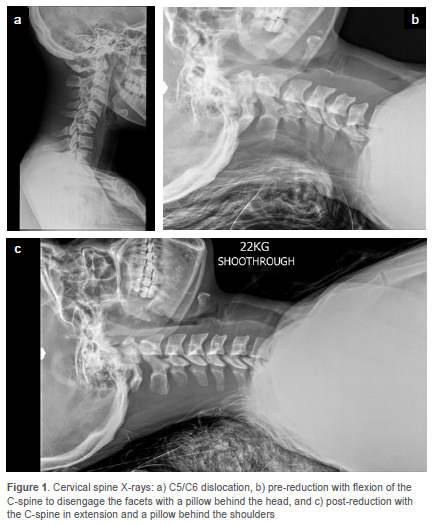
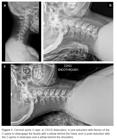
Studies have shown that reducing the dislocation early achieves indirect decompression and aids in improving neurologic function.8,9 This will, in turn, allow early mobilisation of the patient, early recovery from associated injuries, faster rehabilitation, and return to professional activities.10,11 Skeletal cervical closed reduction is performed by applying longitudinal traction along the cervical canal's axis, facilitating the realignment of fractured fragments or dislocated facets and relieving spinal cord compression.123,13 Approximately 80% of patients undergoing this method will have a successful reduction of their cervical fracture/ dislocation.8,14 The overall permanent neurological complication rate of closed reduction is approximately 1%, with an associated risk of a transient injury of 2-4%.14Figure 1. This figure illustrates cervical spine X-rays of a patient who sustained a C5/C6 dislocation. The patient underwent closed reduction with sequential addition of weights. Following adequate reduction, the C-spine is extended, with a pillow behind the shoulders.
The study aims to evaluate the neurological outcomes of patients who have sustained CSI from cervical spine fractures/dislocations who were treated by closed reduction before surgical stabilisation at our institution during the period under review. The study also evaluates the duration from injury to closed reduction, and its impact on neurological outcomes.
Patients and methods
The study was approved by the institution's Research Ethics Committee. A retrospective, single-centre study was conducted to assess the neurological outcomes of patients who sustained CSI following traumatic cervical fracture or dislocation. These patients were treated with closed reduction prior to surgical stabilisation at a tertiary institution in South Africa over a 12-month period from January 2015 to December 2020. Patients excluded from the study included those younger than 18 years; those with a history of prior cervical spine surgery; individuals with penetrating injuries; those whose neurological symptoms could not be evaluated; and those whose follow-up period was less than 12 months post-injury.
From the hospital records, we collected the patients' demographics, the cause of the injury, and diagnosis. We recorded the time duration from injury to arrival of Emergency Medical Services (EMS), injury to reduction, and arrival at the hospital to reduction. We measured the neurologic status using the American Spinal Injury Association (ASIA) scale at admission, post-reduction and surgical stabilisation, and every follow-up visit (three to 12 months). The data were all saved in an Excel spreadsheet. Statistical analysis was conducted using Stata 18.1. The statistical method employed was cross-tabulation, which evaluates the relationship between two categorical variables. Summary statistics included means and standard deviations with associated 95% confidence intervals for continuous variables. For categorical variables, proportions and associated 95% confidence intervals were provided. This analysis aimed to achieve specific objectives based on the data collected.
Results
A total of 73 patient records were reviewed during this period. Eleven were excluded due to incomplete records, leaving 62 patients included in the study. Of these, 44 were male (70%) and 18 (30%) were female. The age distribution was as follows: 23% were aged 21-30 years, 32% were 31-40 years, 27% were 41-52 years, and 18% were over 50 years of age.
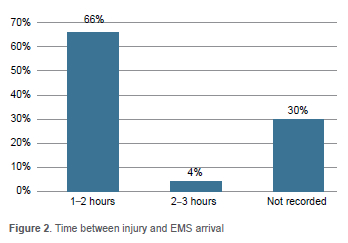
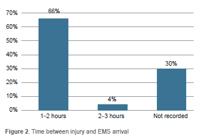
MVAs accounted for most of the injuries (65%), followed by pedestrian-vehicle accidents (PVAs) (21%), and others, such as low-energy falls (15%). Figure 2 shows the time between injury and EMS arrival. Response times within two hours were recorded for 41 patients (66%), while response times between two to three hours were noted for two patients (4%). There was no documented EMS arrival time for 19 patients (30%).
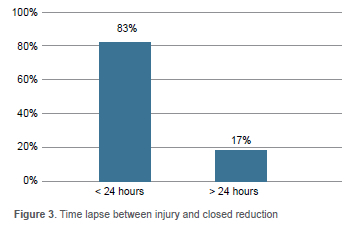
Fifty-six patients (91%) arrived at the hospital within 24 hours of injury, and 53% were initially stabilised at a referral hospital before being transferred. The majority of the patients, 82% (51 patients), presented with incomplete SCIs (ASIA B, C or d), while 7% (four patients) had complete SCIs (ASIA A), and 10% (six patients) showed no neurological deficits (ASIA E). Closed reduction was successfully performed in 93% of cases (53 patients), including 9% reduction at the referral facility. Of the closed reductions, 83% (52 patients) were completed within 24 hours of the estimated injury time, as shown in Figure 3. Although CT scans were conducted for 92% (57 patients), only 17% (ten patients) experienced a delay in reduction of more than 24 hours. Among the delayed cases, four patients (7%) had complete neurological injuries and required MRI before reduction, while six patients (10%) had no neurological deficit. Two patients with complete SCIs later died from respiratory complications two weeks post-reduction.
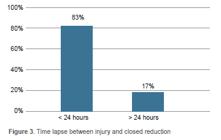
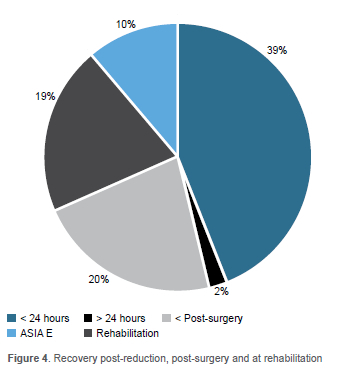
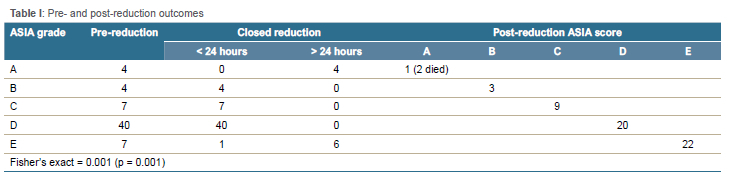
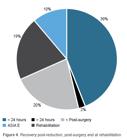
Figure 4 illustrates that closed reduction was linked to favourable neurological outcomes, with notable differences based on timing. Overall, 79% (44 patients) of those who underwent successful closed reduction showed neurological improvement by the end of the follow-up period. Specifically, 39% (22 patients) experienced improvement within 24 hours of injury, while 2% (one patient), who had complete neurological fallout and underwent reduction after 24 hours, showed post-injury improvement. Six patients (10%) who did not experience neurological fallout were reduced after 24 hours and showed no neurological deterioration. Additionally, some patients (20%) experienced improved neurological outcomes following surgical stabilisation, while others (18%) showed improvement during the rehabilitation period. Early reduction (within 24 hours) was significantly associated with better recovery outcomes compared to delayed reduction (p < 0.001, Table I).
Discussion
The mean age and the male preponderance in this study was similar to other studies on CSI.9,15,16 Grant found an average age of 42 years, and males accounted for 76.8% of the patients.15 1,17 In this study, the average age was 39.7 years, and the male/female ratio was 2.4:1. Young adult males are more likely to be involved in road traffic accidents sustaining various injuries including CSI because they are more mobile, adventurous, and more likely to be involved in sporting activities.1,5
The aetiology in this study was similar to previous studies as the majority of the injuries that led to subaxial cervical spine injuries were as a result of motor vehicle crashes. In similar studies, motor vehicle crashes accounted for 50-64.7% of the injuries sustained.15,18 Sports-related injuries were less common compared to MVAs in this study.
This study found that 91% of patients presented within 24 hours of their injury, 5% were evaluated after 24 hours, and 4% had estimated times recorded due to incomplete records. In comparison, another study reported that 76.5% of patients presented within 24 hours of injury.1819
The STASCIS trial highlighted the critical 24-hour window for SCI reduction by indicating the need for early intervention to improve neurological outcomes. The STASCIS trial also reported successful reduction and decompression within 24 hours in 58% of their patients.1920,21
A previous study conducted in South Africa from 1981 to 1993 reported delays in reduction, ranging from 58 to 78 hours. A more recent Australian study found that urban patients had facet dislocation reduction within 10.5 hours, while rural patients experienced delays of 27 hours, emphasising how resource availability impacts reduction times.6,9,22 The early presentation observed in this study can be attributed to effective emergency services and a well-coordinated referral system. Other factors that may influence prehospital delays, as noted in previous studies, include geographical location, availability of EMS, healthcare resource capacity, and injury severity.1,23
There has been a lack of consensus on whether an MRI should be done before attempting closed reduction due to concerns about the risk of disk herniation during the reduction process.14,19,24 In 2013, the Society of Neurological Surgeons guidelines recommended MRI only if closed reduction fails or if the patient is unconscious.241
In cases of complete neurological injury, MRI is recommended after reduction but before definitive surgical stabilisation to allow for a more detailed evaluation of soft tissues, ligaments and neural structures, thereby informing surgical planning.2523,25 At our institution, pre-reduction CT images and post-reduction X-rays are utilised.
In this study, closed reduction was successful in 91% of cases, which is consistent with the literature, where success rates range from 58% to 97.6%. Neurological improvement was observed in 79% of patients by the end of the follow-up period, with 39% improving within the first 24 hours post-injury. A statistically significant association (p < 0.001) between early closed reduction and neurological improvement underscores the importance of timely intervention. Pre-reduction, most patients (65%) were classified as ASIA D, with 11% in ASIA C and E, while ASIA A and B accounted for 13%. Within 24 hours post-reduction, ASIA A cases decreased to 2%, though two fatalities were recorded, while ASIA C and D remained stable. Over time, ASIA E cases increased to 36%, indicating significant long-term neurological recovery, while ASIA D decreased to 32% as patients progressed to better functional outcomes. This finding aligns with the broader range of 43.6% to 78% reported in other studies.9,15,18,26,27
Neurological recovery and functional outcomes are the primary goals in treating patients with SCI. Most neurological recovery, both in complete and incomplete SCIs, typically occurs within the first six to nine months post-injury.28
Respiratory failure is a well-recognised complication in high CSIs, especially those impacting the C3-C5 segments, which control the diaphragm.29,30 The two ASIA A patients who died about a week post-reduction due to respiratory deterioration present a challenging aspect of management in severe CSIs. In our institution patients with complete SCI undergo closed reduction in the emergency department, admitted into the orthopaedic ward awaiting operation and are not prioritised for intensive care unit (ICU) admission because of several factors, including prognosis, resource allocation, and ethical considerations.
Incomplete CSIs tend to have better recovery outcomes compared to complete injuries. In this study, 79% of patients showed neurological improvement by the end of follow-up. Additionally, 80% achieved ambulatory status (ASIA D & E), while 16% remained non-ambulatory (ASIA A, B or C), excluding those who succumbed to respiratory failure. Other studies found that 61% of patients with incomplete SCIs improved by at least one Frankel grade.4
The study is a retrospective design conducted at a single level 1 trauma centre; therefore, its findings cannot be generalised to a wider population. In addition, the time of injury was based on the call-out time of the EMS team, which may not be accurate.
Conclusion
Closed reduction of subaxial cervical spine injuries is a valuable noninvasive approach that can lead to significant neurological improvements when performed promptly and effectively. Success largely depends on achieving proper spinal alignment, the initial severity of the injury, and ongoing evaluation and follow-up to ensure optimal outcomes.
Ethics statement
The authors declare that this submission is in accordance with the principles laid down by the Responsible Research Publication Position Statements as developed at the 2nd World Conference on Research Integrity in Singapore, 2010.
The study complied with the South African Department of Health ethics guidelines (2015), and the University of Pretoria's policy on research ethics. Before the commencement of this research, the appropriate ethical approval was obtained from the Faculty of Health Sciences Research Ethics Committee of the University of Pretoria (473/2022).
All procedures were in accordance with the ethical standards of the responsible committee on human experimentation (institutional and national) and with the Helsinki Declaration of 1975, as revised in 2008.
Informed written consent was not obtained from all patients for being included in the study as the study was a retrospective, utilising data that had been collected in standard clinical practice.
Declaration
The authors declare authorship of this article and that they have followed sound scientific research practice. This research is original and does not transgress plagiarism policies.
Author contributions
SBM: study conceptualisation and design, data collection, data analysis and manuscript preparation
MN: study conceptualisation and design, data collection, data analysis and manuscript preparation
MM: study conceptualisation, design and manuscript preparation SO: statistical analysis, final approval of version to be published
ORCID
Mabitsela SB https://orcid.org/0000-0003-4752-6010
Ngcelwane M https://orcid.org/0000-0001-7564-3308
Maku M https://orcid.org/0000-0002-8819-4545
Olorunju S https://orcid.org/0000-0002-5598-8090
References
- 1. Mohideen M, Potgieter M, Davis J, Badenhorst D. Closed traction reduction of cervical spine facet dislocations: Compelled by law. SAMJ. 2019;109(11):854-58.
- 2. Newton D, England M, Doll H, Gardner B. The case for early treatment of dislocations of the cervical spine with cord involvement sustained playing rugby. J Bone Joint Surg Br. 2011;93(12):1646-52.
- 3. Workman M, Kruger N. A survey of the use of traction for the reduction of cervical dislocations. SA Orthop J. 2019;18(2):25-30.
- 4. du Toit AB, Dunn R. Bifacet dislocations of cervical spine: acute management and outcome. SA Orthop J. 2008;7(4):30-36.
- 5. Adeolu AA, Ukachukwu A-EK, Adeolu JO, et al. Clinical outcome of closed reduction of cervical spine injuries in a cohort of Nigerians. Spinal Cord Series and Cases. 2019;5(1):17.
- 6. Li H, Yong Z, Chen Z, et al. Anterior cervical distraction and screw elevating-pulling reduction for traumatic cervical spine fractures and dislocations: A retrospective analysis of 86 cases. Medicine. 2017;96(26):e7287.
- 7. Draulans N, Kiekens C, Roels E, Peers K. Etiology of spinal cord injuries in Sub-Saharan Africa. Spinal cord. 2011;49(12):1148-54.
- 8. Aman R, Ali M, Ayub S, et al. Frequency of improvement in anatomical alignment of cervical spine with skeletal traction in patients with cervical spine injury. Khyber Med Univ J. 2014;6(1):14-17.
- 9. Lee A, MacLean J, Newton D. Rapid traction for reduction of cervical spine dislocations. J Bone Joint Surg Br. 1994;76(3):352-56.
- 10. Defino HL, Figueira FG, Camargo LSd, Canto FRdT. Treatment of traumatic dislocations of the cervical spine through anterior approach. Acta Ortopéd. Brasileira. 2007;15:30-34.
- 11. Lins CC, Prado DT, Joaquim AF. Surgical treatment of traumatic cervical facet dislocation: anterior, posterior or combined approaches? Arquivos de neuro-psiquiatria. 2016;74(9):745-49.
- 12. Camillo FX. Management of cervical facet fractures and fracture-dislocations. Curr Orthop Pract. 2010;21(4):364-67.
- 13. Green DP. Rockwood and Green's fractures in adults: Lippincott Williams & Wilkins. 2010.
- 14. Gelb DE, Hadley MN, Aarabi B, et al. Initial closed reduction of cervical spinal fracture-dislocation injuries. JNeurosurg. 2013;72:73-83.
- 15. Grant G. Risk of early closed reduction in cervical spine subluxation injuries. J Neurosurg. 1991;29:374-79.
- 16. Eyichukwu G, Anyaehie U, Moghalu O. Pattern and outcome of management for traumatic closed cervical spine injuries at the National Orthopaedic Hospital, Enugu, Nigeria. The Nigerian Health Journal. 2011;11(1):27-31.
- 17. Hofmeister M, Jaksche H, Potulski M, Bühren V. Treatment of cervical spine injuries. Osteosynthesis and Trauma Care. 2003;11(04):166-76.
- 18. Darsaut TE, Ashforth R, Bhargava R, et al. A pilot study of magnetic resonance imaging-guided closed reduction of cervical spine fractures. Spine. 2006;31(18):2085-90.
- 19. Fehlings MG, Vaccaro A, Wilson JR, et al. Early versus delayed decompression for traumatic cervical spinal cord injury: results of the Surgical Timing in Acute Spinal Cord Injury Study (STASCIS). PloS one. 2012; 7(2):e32037.
- 20. Delamarter RB, Sherman J, Carr JB. Pathophysiology of spinal cord injury. Recovery after immediate and delayed decompression. JBJS. 1995;77(7):1042-49.
- 21. Jazayeri SB, Firouzi M, Zadegan SA, et al. The effect of timing of decompression on neurologic recovery and histopathologic findings after spinal cord compression in a rat model. Acta Med Iran. 2013;51(7):431-37.
- 22. Eranki V, Koul K, Mendz G, Dillon D. Traumatic facet joint dislocation in Western Australia. Eur Spine J. 2016;25:1109-16.
- 23. Fleming M, Westgarth-Taylor T, Candy S, Dunn R. How does pre-reduction MRI affect surgeons' behaviour when reducing distraction-flexion (dislocation) injuries of the cervical spine? SA Orthop J. 2015;14(4):42-46.
- 24. Grauer JN, Vaccaro AR, Lee JY, et al. The timing and influence of MRI on the management of patients with cervical facet dislocations remains highly variable: a survey of members of the Spine Trauma Study Group. Clin Spine Surg. 2009;22(2):96-99.
- 25. Fehlings MG, Martin AR, Tetreault LA, et al. A clinical practice guideline for the management of patients with acute spinal cord injury: recommendations on the role of baseline magnetic resonance imaging in clinical decision making and outcome prediction. Glob Spine J. 2017;7(3):221S-30S.
- 26. Hadley MN, Fitzpatrick BC, Sonntag VK, Browner CM. Facet fracture-dislocation injuries of the cervical spine. Neurosurgery. 1992;30(5):661-66.
- 27. Kleyn PJ. Dislocations of the cervical spine: closed reduction under anaesthesia. Spinal Cord. 1984;22(5):271-81.
- 28. Anderson DG, Voets C, Ropiak R, et al. Analysis of patient variables affecting neurologic outcome after traumatic cervical facet dislocation. Spine J. 2004;4(5):506-12.
- 29. Berlowitz DJ, Wadsworth B, Ross J. Respiratory problems and management in people with spinal cord injury. Breathe. 2016;12(4):328-40.
- 30. Cotler HB, Miller LS, Delucia FA, et al. Closed reduction of cervical spine dislocations. Clin Orthop Relat Res. 1987;214:185-99.
Accepted: March 2025
Published: November 2025
Editor: Prof. Robert Dunn, University of Cape Town, Cape Town, South Africa
Funding: No funding was received for this study.
Conflict of interest: The authors declare they have no conflicts of interest that are directly or indirectly related to the research.