Iron deficiency in children
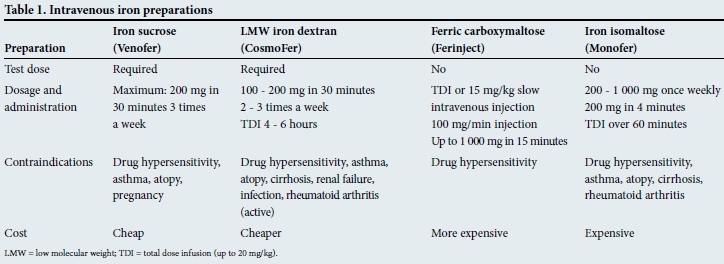
A search (MEDLINE/PubMed) was conducted of recent and relevant articles on iron deficiency in childhood. Iron deficiency remains a global health problem. In South Africa, multiple interventions, including mandatory fortification and a programme for deworming and supplementation, have significantly reduced the prevalence of anaemia. Studies continue to show that iron deficiency in infancy and early childhood is associated with negative neurocognitive, motor and behavioural effects, some of which persist despite treatment. Maternal iron deficiency has negative effects during pregnancy and in the postpartum period, which affects maternal health (e.g. depression, stress, interaction) and has negative effects on the baby (e.g. behavioural and immunological effects). Newer tests include the soluble transferrin receptor, reticulocyte haemoglobin and hepcidin assays. The hepcidin level is useful in differentiating iron deficiency from anaemia of chronic disease with and without iron deficiency. Screening is a challenge and no firm recommendations have been made. The mainstay of treatment remains oral iron (commonly ferrous sulphate). Failure to respond to treatment, refractory iron deficiency and use of parenteral iron are briefly covered.
Continuing Medical Education • SAMJ, S. Afr. med. j. 105
(7)
• • https://doi.org/10.7196/SAMJNEW.7781 copy