Nutrition in children with long-term health conditions
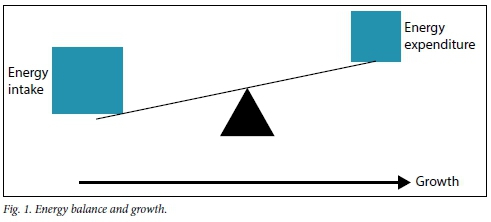
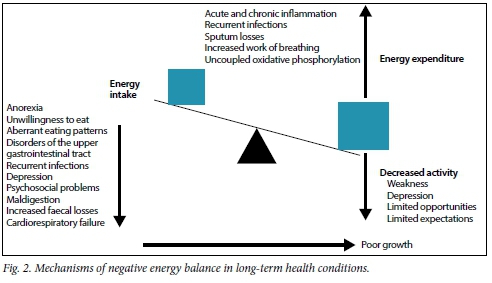
Long-term health conditions (LTHCs) in children may affect nutrition and growth by means of multiple mechanisms. Both undernutrition and overweight/obesity are risk factors. Direct effects of the condition that may cause undernutrition include increased resting energy expenditure, excess losses through malabsorption, difficulty ingesting food, and decreased appetite. Indirect effects of LTHCs may be mediated by learnt or adaptive behaviours, secondary anorexia, inappropriate diets, or conditions that aggravate existing social nutritional risks to the child. Undernutrition may have significant consequences for the child, including reduced life expectancy. Overweight is a particular risk in children with neurological LTHCs. Regular clinical assessment, including anthropometry, is required to prevent and detect malnutrition. Anticipatory nutritional guidance to the child and caregivers is required and must be adapted to the specific LTHC. Controlling the disease processes that contribute to malnutrition and optimising energy intake are fundamental elements of prevention and management. Interventional feeding regimens, such as surgical approaches, may be required. A mutidisciplinary team, which includes a dietitian, should manage complex LTHCs and LTHC-associated malnutrition.
Continuing Medical Education • SAMJ, S. Afr. med. j. 105
(7)
• • https://doi.org/10.7196/SAMJNEW.7784 copy
 Thumbnail
 Thumbnail