Weight management over the reproductive years for adult women living with obesity
Background
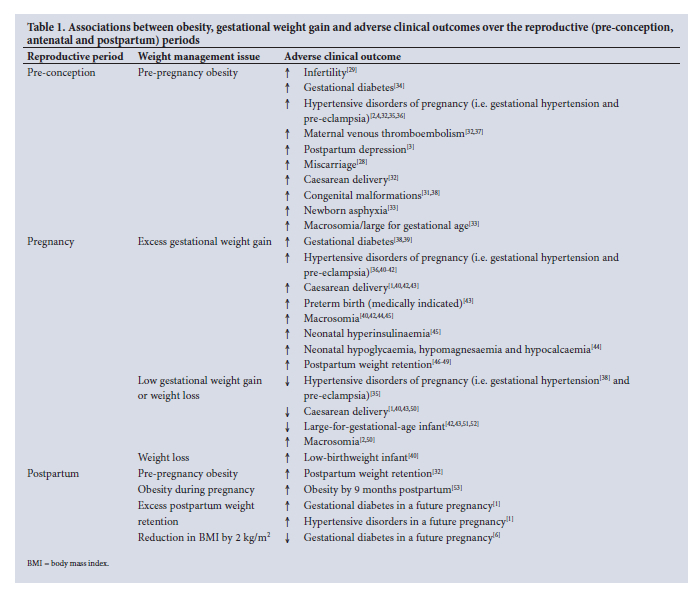
A woman's pre-conception health status, particularly the control of pre-pregnancy medical comorbidities, has been demonstrated to markedly impact on maternal, obstetric and fetal health outcomes during pregnancy.[27,28] While many pregnancies are unplanned, a pre-conception consultation offers women considering pregnancy the opportunity to engage in discussions with their healthcare providers (HCPs) about their individualised health risks during pregnancy, and to make informed decisions. In addition, the pre-conception period is a time when interventions can be implemented to reduce the risks of common adverse pregnancy outcomes.[28] As outlined in Table 1, for women with obesity, a body mass index (BMI) >30 kg/m2[29,30] congenital malformations,[31] and numerous clinically important adverse pregnancy outcomes (in a dose-response relationship with BMI), including hypertensive disorders of pregnancy, gestational diabetes, caesarean delivery, preterm birth, etc.[2,4,28,31-38] While there remains a paucity of data to specifically guide clinicians on how best to counsel women with obesity about these pregnancy-associated health risks, emerging data demonstrate that weight management prior to pregnancy may reduce many of them.[1] Discussion of specific nutritional supplementation (e.g. folic acid) and obstetric care is beyond the scope of this clinical practice guideline.
Clinical strategies and resources to achieve pre-conception weight management for women with obesity Combined behavioural interventions
There have been few trials specifically conducted in women with obesity who are planning a pregnancy. Agha et al.'s[8] systematic review of randomised controlled trials (RCTs) in pre-conception women with overweight or obesity found that combined behavioural health interventions (i.e. nutrition and physical activity) were associated with significant reductions in gestational weight gain once pregnant. This is similar to the findings of Krukowski et al.,[7] who examined the effectiveness of a combined behavioural health intervention (combined nutrition and physical activity) beginning during the pre-conception period or up to 10 weeks' gestational age. The study found that women with obesity in the intervention arm had reduced gestational weight gain at 36 weeks' gestation. In addition, as outlined in the postpartum period section below, the use of combined behaviour change interventions during the postpartum period was associated with greater postpartum weight loss, which may affect the health outcomes of future pregnancies.
Pharmacotherapy
At present, the fetal effects of several pharmacological agents used for the purpose of weight management are not known. In general, it is therefore not recommended that these agents be used during pregnancy. Consideration should be given to stopping these medications prior to pregnancy to limit exposure to the developing fetus.[25]
Pregnancy/antenatal period
Background
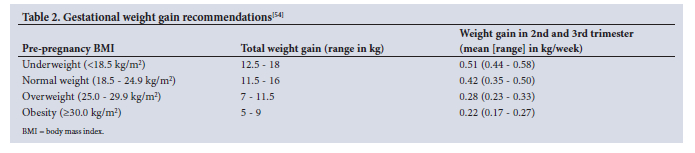
Women with obesity have an increased risk of numerous adverse maternal, obstetric and fetal outcomes during pregnancy, as outlined in Table 1. One promising strategy to reduce or prevent these adverse outcomes is through achievement of the recommended guidelines for gestational weight gain during pregnancy (see below), although this remains an area of active study. The current recommended guidelines for weight gain during pregnancy for uncomplicated singleton pregnancies were published by the Institute of Medicine (IOM) in 2009'[54] (Table 2). These recommendations were developed based on the findings of numerous observational studies. The studies consistently demonstrated that gestational weight gain above or below these recommended ranges is associated with several important adverse clinical outcomes for women and their offspring, including birthweight large for gestational age or small for gestational age, caesarean delivery, preterm delivery, postpartum maternal weight retention and childhood obesity.[51] However, the data on the association between gestational weight gain and small-for-gestational-age infants remain contradictory.[40,43,50,51]
Several factors influence gestational weight gain for women with obesity, including depression,[55] health behaviours,[56] patient expectations and knowledge,[57] educational attainment/ socioeconomic status,[58] and maternal age, parity and ethnicity.[59] Importantly, obesity prior to pregnancy is also an independent risk factor for excess gestational weight gain.[60-63] Although there are no data specifically for women with obesity, there is evidence that advice from a prenatal HCP is both desired by women[64] and can positively influence gestational weight gain.[65]
Considerations for weight management during pregnancy for women with obesity
Women with a singleton pregnancy can expect to gain approximately 8.5 kg during the course of a full-term pregnancy, regardless of the increase in their own adipose tissue mass, as a result of the following physiological increases in weight: term baby (approximately 3 kg), the placenta, amniotic fluid, uterine muscle, increase in intravascular blood volume, and increase in total body water volume. For women with obesity, this weight gain amount is just below the upper limit of the IOM recommendations for optimal gestational weight gain (5 - 9 kg throughout the entire pregnancy). Future updates may offer stratified targets based on obesity class. As a result, weight management can be challenging for women with obesity, and should therefore be addressed at the first prenatal appointment and throughout pregnancy.
Advice from prenatal HCPs positively influences women's achievement of gestational weight gain targets.[66-69] Further, pregnant women report that they want to discuss gestational weight gain with their HCPs.[70-72] Although Canadian data show that most HCPs reported routinely weighing pregnant women, only a minority routinely discussed the actual weight results.[73,74] Weight-related discussions are often perceived by HCPs as sensitive in nature and are therefore often avoided.[75-78] This hesitation in raising the topic could be mitigated to some extent by having a good patient-provider relationship.[79] Primary care providers have a longitudinal relationship with their patients and are therefore in an advantageous position to support women with obesity in achieving the recommended targets for gestational weight gain. A theoretical framework that is highly relevant to primary care clinicians is the Patient-Centred Clinical Method, [80] consisting of four interactive domains:
1. Exploring women's experience of changes in weight during pregnancy
2. Understanding women's proximal and distal contexts
3. Finding common ground on the best approach to support appropriate weight gain during pregnancy
4. Enhancing the patient-clinician relationship.
From a patient-centred perspective, it is key to address the first two domains. Otherwise, the provider's recommendations are often neither meaningful nor able to be translated into patient behaviour change. (See the chapter 'Effective psychological and behavioural interventions in obesity management'.)
Clinical strategies and resources to achieve recommended gestational weight gain targets for women with obesity
Based upon the above, a number of interventions and models of care could be helpful to women with obesity during pregnancy, when approached from a patient-centred perspective.
Nutrition counselling
When implemented early in pregnancy, nutrition counselling can assist women with obesity in managing their pregnancy weight gain. Wolff et al.[17] randomised pregnant women with obesity to either an intervention arm (n=23), consisting of 10 1-hour sessions with a trained dietitian, or usual care (n=27). The sessions focused on providing advice on eating a healthy diet according to Danish national dietary recommendations, with the use of food records to identify unhealthy eating patterns and to give individualised feedback for improvement. At 36 weeks' gestation, the mean gestational weight gain for the intervention group was 6.6 kg, compared with a mean gain of 13.3 kg for the control group (p=0.002).
Physical activity
Physical activity (a term used synonymously with exercise in this chapter) during pregnancy has been shown to be beneficial to women with obesity in managing their pregnancy weight gain (2019 Canadian guideline for physical activity throughout pregnancy).[81] Daly et al.[20] compared total gestational weight gain at 36 weeks' gestation between 88 pregnant women assigned to either an intervention consisting of intensive, medically supervised exercise or usual care. Fewer women in the exercise intervention group gained weight in excess of the guidelines compared with women in the control group (23.5% v. 45.2%; p<0.05). Barakat et al.[19] compared total gestational weight gain between pregnant women randomised to an exercise intervention or to standard care as an analysis of a secondary outcome in an RCT. The intervention consisted of 50 -55-minute training sessions (3 days per week) from 9 - 11 weeks' gestation until 38 - 39 weeks' gestation (85 sessions in total). Among women with obesity (n=54), 44.0% of women in the intervention group experienced excess gestational weight gain compared with 51.7% of women in the control group. In a case-control study by Claesson et al.,[21] the intervention consisted of motivational talks to assist with behaviour change and regular exercise (aqua aerobics). The intervention group experienced significantly lower weight gain than the control group (8.7 kg v. 11.3 kg; p<0.001).
Combined behavioural interventions
A comprehensive approach targeting both nutrition and exercise has been shown to be effective in managing gestational weight gain. Vinter et al.[13] randomised 360 women with obesity at 10 - 14 weeks' gestation to a comprehensive behavioural intervention or standard care (Lifestyle in Pregnancy study). Women in the intervention group received four 30 - 60-minute nutrition counselling sessions delivered by trained dietitians and were encouraged to be moderately physically active for 30 - 60 minutes daily. At 35 weeks' gestation, women in the intervention group had gained significantly less weight than women in the control group (7.4 kg v. 8.6 kg; p=0.014).
Petrella et al.[14] randomised 38 women with obesity to a therapeutic behaviour changes programme consisting of 1 800 kcal/day and 30 minutes of physical activity of moderate intensity on at least 3 days per week, or to usual care. At delivery, women in the intervention group had experienced significantly lower gestational weight gain than women in the control group (6.7 kg v. 10.1 kg; p=0.047). In addition, 77.8% of women receiving the intervention experienced guideline-concordant gestational weight gain, compared with 30.0% of women in the control group (p=0.003).
Poston et al.[10] randomly assigned 1 555 pregnant women with obesity who were between 15 and 18 weeks' gestation to either a theory-based intensive behavioural intervention or standard antenatal care (UK Pregnancies Better Eating and Activity Trial: UPBEAT). The intervention consisted of eight 60-minute weekly sessions addressing nutrition and physical activity by setting and achieving SMART goals. At delivery (mean gestational age 39.5 weeks for both groups), women in the intervention group had gained less weight than women in the control group (7.19 kg v. 7.76 kg; p=0.041).
Haby et al.[11] conducted an RCT evaluating a prenatal behavioural intervention compared with usual care for women with obesity, with gestational weight gain as one of the outcomes. The intervention group (n=459) received two 30-minute midwife-delivered personalised counselling sessions on food and physical activity during early pregnancy. Individualised dietary advice from a dietitian, food discussion groups with a dietitian, aqua aerobics led by a physiotherapist, prescriptions for physical activity, walking poles, pedometers and information about community resources were also available to the intervention group if desired. The control group (n=895) received usual care. Per-protocol analysis showed significantly lower gestational weight gain in the intervention group compared with the control group (8.9 kg v. 11.2 kg; p=0.031).
Renault et al.[82] undertook an RCT with 425 women with obesity being assigned to one of three groups: physical activity plus diet, physical activity alone, or control. Both interventions resulted in less gestational weight gain than the control (p=0.008). Median gestational weight gain, compared with the control group (10.9 kg), was lower in both intervention groups: physical activity plus diet 8.6 kg (p=0.01), and physical activity alone 9.4 kg (p=0.042).
Metformin
To date, RCT evidence for the use of metformin in the management of gestational weight gain for women with obesity who do not have diabetes is conflicting, and metformin is therefore not recommended. Although a Cochrane review by Dodd et al.[83] of three studies of metformin (up to 3 000 mg/day) in pregnant women with overweight or obesity found that women who received metformin may have a slightly lower gestational weight gain compared with placebo, the heterogeneity of the studies prevented meaningful evaluations.
Healthcare provider behaviour
There are limited data specifically focused on pregnant women with obesity. Observational studies in the general population show that HCP patient-centredness influences patients' adherence to weight gain recommendations!84-86] and patients' perception of 'finding common ground',[80] increases patient satisfaction, and decreases the burden of symptoms.[87]
In a qualitative Canadian study, Morris et al.[73] concluded that HCPs should initiate discussions about gestational weight gain in a patient-centred manner, specifically by 'asking women how they feel about discussing weight'.
Lindberg et al.[88] examined the weight outcomes before and after implementation of a 'best practice alert' in the electronic medical record, which provided tailored gestational weight gain goals and patient education materials based on patients' pre-pregnancy BMI and the 2009 IOM guidelines for weight gain during pregnancy. Overall, the intervention was associated with a significant increase in the proportion of women with obesity who had guideline-concordant gestational weight gain.
Surveys of HCPs identified the following gaps requiring additional clinical support: increasing HCP knowledge, improving skills and self-efficacy in discussing gestational weight gain, and supporting women to make positive health behaviour changes during pregnancy.[73] System-related changes identified included flexibility in the time available for perinatal health appointments and changes in billing requirements.
Routine weighing
To date, RCTs of routine weighing of pregnant women during antenatal visits have not found routine weighing to be associated with significant impacts on gestational weight gain. First, a trial by Brownfoot et al.[89] of the effect of an intervention (regular weighing in antenatal clinics) compared with control (routine care) on gestational weight gain found no difference in the proportion of participants with obesity whose gestational weight gain was above, within or below the IOM recommended ranges. Second, McCarthy et al.[90] randomised 382 women with overweight or obesity and a singleton pregnancy, at less than 20 weeks' gestation and without diabetes, to serial self-weighing and simple dietary advice (intervention, n=190) or standard prenatal care (control, n=192). There was no difference in gestational weight gain for participants with obesity between the intervention and control groups (7.40 kg v. 8.77 kg).
Postpartum period
Background
The postpartum period is recognised to begin immediately following the birth of a baby, although its duration is not well defined. While many of the physiological changes of pregnancy resolve by 6 weeks after delivery,[91-93] several physiological and psychological changes continue to exist for over a year, particularly if women continue to breastfeed.[52] A period of 1 year after giving birth is therefore generally considered as the working definition of the postpartum period.[52]
A wide range of diverse and complex factors influence maternal weight after pregnancy. Higher gestational weight gain is recognised as a major risk factor for postpartum weight retention.[12,47-49] The evidence is mixed with regard to the association between pre-pregnancy weight and postpartum weight retention, as several[48,94-97] but not all[98-100] studies have demonstrated that having a higher pre-pregnancy BMI is associated with higher postpartum weight retention. Other factors, such as sleep patterns,[101] psychological factors (e.g. depression, anxiety and stress symptoms)[102-105] and maternal characteristics, including age,[48,106] ethnicity,[48,99,107] parity,[98,108] socioeconomic status[48,106,109] and educational attainment,[48,109] are associated with postpartum weight retention.
The findings that weight gain during pregnancy and the potential lack of, or limited, weight loss after pregnancy increase the risk of longer-term obesity or the risk of moving into a higher BMI category are consistent across studies and worldwide. Wallace et al.,[32] for example, examined inter-pregnancy weight change using data from the Aberdeen Maternity and Neonatal Databank and identified that 86% of women who were initially categorised in the obesity BMI categories gained a further 9 kg by their third pregnancy. In Ireland, Mullaney et al.[53] investigated the trajectory of postpartum weight change and found that 90% of women with obesity in early pregnancy retained obesity at 4 and 9 months postpartum. In a prospective cohort study of Canadian women,[91] BMI increased by approximately 1.5 kg/m2[110] demonstrated that approximately 25% of women were >5 kg heavier at the beginning of a subsequent pregnancy, approximately 9% were heavier by >10 kg, and approximately 2% developed obesity after starting the previous pregnancy with a lower BMI. Retaining or gaining weight following pregnancy may also be associated with adverse pregnancy outcomes in future pregnancies. These adverse outcomes are described in the pre-conception and antenatal sections and in Table 1.
Many of the pregnancy-related contributors to gestational weight gain, such as fluid gained during pregnancy and increased organ size (e.g. of the uterus), are lost during the first 6 weeks after delivery. After this period, postpartum weight retention is mainly due to increased fat mass.[91] Despite the adverse long-term health impact of postpartum weight retention, no detailed guidelines have been established to define cut-points for excess postpartum weight retention.[111] The dietary reference intakes established by the IOM (2005)[112] recommend weight loss of approximately 0.8 kg/month during the first 6 months postpartum, but this amount of weight loss is not specifically for women with obesity. These guidelines are based on a review by Butte and Hopkinson[113] of nine longitudinal studies conducted with affluent postpartum women, which showed that well-nourished women experienced an average weight loss of 0.8 kg/month during the first 6 months postpartum. Weight stability is assumed after this period,[114] and there is no consensus about the amounts of or timelines for continued weight loss after the first 6 months postpartum.
For women who entered pregnancy with obesity, a postpartum weight loss of at least the amount gained during gestation should be achieved to not increase the risk of adverse pregnancy outcomes in a future pregnancy.[6,115] Sorbye et al.[6] demonstrated that postpartum weight loss by more than two BMI units protects against the development of gestational diabetes in future pregnancies among women with obesity. Postpartum weight gain increases the risk of gestational diabetes in the next pregnancy. McBain et al.[115] also found that women in the overweight/obesity BMI categories were more likely to remain in the same BMI category in the next pregnancy.
Notably, evidence shows that women want an opportunity to discuss postpartum weight loss with their HCPs, and suggests that it should be a part of standard care.[72] This discussion could take place either during the 6-week postnatal check-up or even during pregnancy in order for women to have the opportunity to start thinking about postpartum weight loss early on.[72] According to Ohlendorf,[116] 67% of postpartum women are attempting behavioural interventions or maintaining healthy behaviour at 4 weeks postpartum, and 84% at 8 weeks postpartum. Most (82%) postpartum women with obesity reported that they planned to seek information about losing pregnancy weight through their physicians and midwives, as well as from the media.[117]
Clinical strategies and resources to achieve postpartum weight management for women with obesity
Considering the above evidence, the following clinical interventions should be considered to assist with weight management of postpartum women with obesity:
Physical activity and motivational interviewing
Physical activity and motivational interviewing during pregnancy have been shown to be beneficial to women with obesity in managing their postpartum weight loss. Claesson et al.[21] undertook a study involving pregnant women with obesity who participated in a programme to limit gestational weight gain by including regular physical activity (aqua aerobics class) and using motivational interviewing to identify and plan for individual behaviour change. Study participants had a significantly lower body weight at 10 -12 weeks postpartum compared with controls (mean 'standard deviation] (93.2 [13.32] kg v. 96.5 [14.48] kg; p=0.037). The intervention was delivered weekly during pregnancy and every 6 months during the first 2 years after delivery. The effects of the intervention were assessed 12 and 24 months later.[118] The mean weight change in the intervention group was -2.2 kg compared with +0.4 kg in the control group from early pregnancy to the follow-up 12 months after delivery (p=0.046). More women in the intervention group showed sustained weight loss 24 months after delivery than women in the control group over the same time period (p=0.034). Women with obesity in the intervention group who gained less than 7 kg during pregnancy had a significantly lower weight than the controls at the 24-month follow-up (p=0.018).
Combined behavioural intervention
A comprehensive approach targeting both nutrition and exercise has been shown to be beneficial for women with obesity in managing postpartum weight loss. Vesco et al.[12] randomly assigned 114 pregnant women with obesity to either a group-based intervention or a control group receiving usual care to test the effectiveness of the intervention on maternal weight change from randomisation to 2 weeks postpartum. The intervention programme included a combination of dietary and exercise recommendations, as well as the use of behavioural self-management techniques and attendance at weekly group meetings until delivery. Control participants received one-time dietary advice. The intervention group lost more weight at 2 weeks postpartum compared with the control group (-2.6 kg v. +1.2 kg, mean difference of -3.8 kg; 95% CI -5.9 - 1.7; p<0.001). However, the maternal weight-related benefits of this intervention did not persist at 1 year postpartum.[119]
Nascimento et al.[16] conducted a systematic review and meta-analysis to test the effect of physical exercise strategies on weight loss in postpartum women with overweight or obesity (i.e. BMI >25 kg/m222
Breastfeeding
Breastfeeding has been shown to improve a range of maternal and infant health outcomes, although the effects on postpartum weight retention remain under study.[31] However, studies have demonstrated that women with obesity have additional challenges with breastfeeding, requiring individualised support.[31] Specifically, a prospective cohort study[26] of 4 231 postpartum women who were enrolled at the time of birth of their babies and were followed up at 3, 12, 24 and 48 months postpartum evaluated breastfeeding. Information gathered on breastfeeding patterns showed that the median duration of exclusive and total breastfeeding was decreased in the obesity group compared with the group with lower weight. Also, women with obesity have an increased probability of weaning their babies from the breast by 3 months postpartum compared with women with lower weight. Therefore, women with obesity are less likely to initiate and maintain breastfeeding[26,120,121] compared with their counterparts with lower weight, and they may require additional support on establishing and continuing breastfeeding.[26] Of note, the safety of pharmacotherapeutic agents for weight maintenance has not yet been established during breastfeeding, so these agents are generally avoided.[25]
Gaps in the literature/future research for women with obesity over the reproductive years
• Health outcomes in women with obesity (BMI >30 kg/m2
There remains a paucity of data specific to women with obesity (BMI >30 kg/m2>25 kg/m2>30 kg/m22[122,123]
• Pre-conception weight management. There are emerging intervention studies on weight management before conception for women with obesity to improve fertility and obstetric outcomes.
However, more data are needed to examine how to implement these interventions into clinical practice to engage a broader range of women with obesity and their HCPs.
• Pre-conception counselling on pregnancy risks. Numerous observational studies have demonstrated that women with obesity have increased risks of several adverse pregnancy outcomes. Research is needed to identify effective counselling strategies to discuss pregnancy risks using a patient-centred approach.
• Classes of obesity. The current IOM/Health Canada recommendations for gestational weight gain for women with obesity were not stratified by obesity classes, which may be associated with different obstetric risks.[50] There remains a paucity of data regarding the impact of low weight gain or weight loss during pregnancy among women with different classes of obesity.[124]
• Low weight gain or weight loss during pregnancy. While HCPs commonly recommend gestational weight gain below guidelines for women with obesity, this advice is not consistent with the current recommendations. Research is needed to examine both the clinical outcomes and HCPs' reasons for providing this advice.[125]
• Patient-HCP relationship. The impacts of the relationship between HCPs and their patients on gestational weight gain have not been extensively examined. Compared with women with lower weight, data demonstrate that providers asked fewer lifestyle questions and gave less lifestyle information to women with overweight and obesity. Point-of-care tools developed based on principles of patient-centredness and pregnant women's self-efficacy to manage gestational weight gain may be simple clinical tools, although these require further study.[122]
• Duration of pregnancy. The current recommendations for total gestational weight gain pertain to term pregnancies, typically defined as 37 - 41 completed weeks' gestation. However, evidence suggests that this group does not have homogeneous fetal outcomes.[126,127] Future research needs to separate the independent effects of gestational weight gain from the independent effects of gestational age during this 5-week period.
• Postpartum weight management. In general, there remains a paucity of specific literature to guide women with obesity and their HCPs on the optimal timing, rate and amount of weight loss during the postpartum period and the impacts on clinically important health outcomes. In addition, more research is needed to examine factors that motivate and support women with obesity to engage in and maintain weight management strategies during the postpartum period.[117]
Conclusion
Pre-conception health, particularly the management of pre-pregnancy medical comorbidities, has been demonstrated to markedly impact on maternal, obstetric and fetal health outcomes during pregnancy. While many pregnancies are unplanned, a pre-conception consultation offers women considering pregnancy the opportunity to engage in discussions with their HCPs about their individualised health risks during pregnancy, and to make informed decisions. Women with obesity have an increased risk of numerous adverse maternal, obstetric and fetal outcomes during pregnancy. Physiological and psychological changes associated with pregnancy may persist beyond a year. Optimising preconception BMI, minimising gestational weight gain, and achieving a return to pre-pregnancy BMI or lower are critical objectives. We hope that this chapter will serve to support women living with obesity in their reproductive years.
Acknowledgement. 'Weight management over the reproductive years for adult women living with obesity' is adapted from the Canadian Adult Obesity Clinical Practice Guideline (the 'Guideline'), which Obesity Canada owns and from whom we have a licence. SAMMSS adapted the Guideline having regard for relevant context affecting South Africa using the ADAPTE Tool.
SAMMSS acknowledges that Obesity Canada and the authors of the Guideline have not formally reviewed 'Weight management over the reproductive years for adult women living with obesity' and bear no responsibility for changes made to such chapter, or how the adapted Guideline is presented or disseminated. Therefore, such parties, according to their policy, disclaim any association with such adapted materials. The original Guideline may be viewed in English at: www.obesitycanada.ca/guidelines
Author contributions. ZD adapted and updated the Canadian guideline. All authors edited and approved the final version of the chapter.
References
-
1. Adane AA, Tooth LR, Mishra GD. Pre-pregnancy weight change and incidence of gestational diabetes mellitus: A finding from a prospective cohort study. Diabetes Res Clin Pract 2017;124:72-80. https://doi.org/10.1016/j.diabres.2016.12.014
» https://doi.org/10.1016/j.diabres.2016.12.014 -
2. Savitri AI, Zuithoff P, Browne JL, et al Does pre-pregnancy BMI determine blood pressure during pregnancy? A prospective cohort study. BMJ Open 2016;6(8):e011626. https://doi.org/10.1136/bmjopen-2016-011626
» https://doi.org/10.1136/bmjopen-2016-011626 -
3. Ertel KA, Huang T, Rifas-Shiman SL, et al Perinatal weight and risk ofprenatal and postpartum depressive symptoms. Ann Epidemiol 2017;27(11):695-700.e1. https://doi.org/10.1016/j.annepidem.2017.10.007
» https://doi.org/10.1016/j.annepidem.2017.10.007 -
4. Frederick IO, Rudra CB, Miller RS, Foster JC, Williams MA. Adult weight change, weight cycling, and prepregnancy obesity in relation to risk of preeclampsia. Epidemiology 2006;17(4):428-434. https://doi.org/10.1097/01.ede.0000221028.33245.0b
» https://doi.org/10.1097/01.ede.0000221028.33245.0b -
5. Rasmussen KM, Catalano PM, Yaktine AL. New guidelines for weight gain during pregnancy: What obstetrician/gynecologists should know. Curr Opin Obstet Gynecol 2009;21(6):521-526. https://doi.org/10.1097/GCO.0b013e328332d24e
» https://doi.org/10.1097/GCO.0b013e328332d24e -
6. Sorbye LM, Skjaerven R, Klungsoyr K, Morken NH. Gestational diabetes mellitus and interpregnancy weight change: A population-based cohort study. PLoS Med 2017;14(8):e1002367. https://doi.org/10.1371/journal.pmed.1002367
» https://doi.org/10.1371/journal.pmed.1002367 -
7. Krukowski RA, West D, DiCarlo M, et al. A behavioral intervention to reduce excessive gestational weight gain. Matern Child Health J 2017;21(3):485-491. https://doi.org/10.1007/s10995-016-2127-5
» https://doi.org/10.1007/s10995-016-2127-5 -
8. Agha M, Agha RA, Sandall J. Interventions to reduce and prevent obesity in pre-conceptual and pregnant women: A systematic review and meta-analysis. PLoS ONE 2014;9(5):e95132. https://doi.org/10.1371/journal.pone.0095132
» https://doi.org/10.1371/journal.pone.0095132 -
9. Herring SJ, Cruice JF, Bennett GG, Rose MZ, Davey A, Foster GD. Preventing excessive gestational weight gain among African American women: A randomized clinical trial. Obesity (Silver Spring) 2016;24(1):30-36. https://doi.org/10.1002/oby.21240
» https://doi.org/10.1002/oby.21240 -
10. Poston L, Bell R, Croker H, et al Effect of a behavioural intervention in obese pregnant women (the UPBEAT study): A multicentre, randomised controlled trial. Lancet Diabetes Endocrinol 2015;3(10):767-777. https://doi.org/10.1016/S2213-8587(15)00227-2
» https://doi.org/10.1016/S2213-8587(15)00227-2 -
11. Haby K, Glantz A, Hanas R, Premberg A. Mighty Mums - An antenatal health care intervention can reduce gestational weight gain in women with obesity. Midwifery 2015;31(7):685-692. https://doi.org/10.1016/j.midw.2015.03.014
» https://doi.org/10.1016/j.midw.2015.03.014 -
12. Vesco KK, Karanja N, King JC, et al. Efficacy of a group-based dietary intervention for limiting gestational weight gain among obese women: A randomized trial. Obesity (Silver Spring) 2014;22(9):1989-1996. https://doi.org/10.1002/oby.20831
» https://doi.org/10.1002/oby.20831 -
13. Vinter CA, Jorgensen JS, Ovesen P, Beck-Nielsen H, Skytthe A, Jensen DM. Metabolic effects of lifestyle intervention in obese pregnant women: Results from the randomized controlled trial 'Lifestyle in Pregnancy' (LiP). Diabet Med 2014;31(11):1323-1330. https://doi.org/10.1111/dme.12548
» https://doi.org/10.1111/dme.12548 -
14. Petrella E, Malavolti M, Bertarini V, et al. Gestational weight gain in overweight and obese women enrolled in a healthy lifestyle and eating habits program. J Matern Fetal Neonatal Med 2014;27(13):1348-1352. https://doi.org/10.3109/14767058.2013.858318
» https://doi.org/10.3109/14767058.2013.858318 -
15. Harrison CL, Lombard CB, Strauss BJ, Teede HJ. Optimizing healthy gestational weight gain in women at high risk of gestational diabetes: A randomized controlled trial. Obesity (Silver Spring) 2013;21(5):904-909. https://doi.org/10.1002/oby.20163
» https://doi.org/10.1002/oby.20163 -
16. Nascimento SL, Pudwell J, Surita FG, Adamo KB, Smith GN. The effect of physical exercise strategies on weight loss in postpartum women: A systematic review and meta-analysis. Int J Obes (Lond) 2014;38(5):626-635. https://doi.org/10.1038/ijo.2013.183
» https://doi.org/10.1038/ijo.2013.183 -
17. Wolff S, Legarth J, Vangsgaard K, Toubro S, Astrup A. A randomized trial of the effects of dietary counseling on gestational weight gain and glucose metabolism in obese pregnant women. Int J Obes (Lond) 2008;32(3):495-501. https://doi.org/10.1038/sj.ijo.0803710
» https://doi.org/10.1038/sj.ijo.0803710 -
18. Nascimento SL, Surita FG, Parpinelli M, Siani S, Pinto e Silva JL. The effect of an antenatal physical exercise programme on maternal/perinatal outcomes and quality of life in overweight and obese pregnant women: A randomised clinical trial. BJOG 2011;118(12):1455-1463. https://doi.org/10.1111/j.1471-0528.2011.03084.x
» https://doi.org/10.1111/j.1471-0528.2011.03084.x -
19. Barakat R, Pelaez M, Cordero Y, et al. Exercise during pregnancy protects against hypertension and macrosomia: Randomized clinical trial. Am J Obstet Gynecol 2016;214(5):649.e1-e8. https://doi.org/10.1016/j.ajog.2015.11.039
» https://doi.org/10.1016/j.ajog.2015.11.039 -
20. Daly N, Farren M, McKeatting A, O'Kelly R, Stapleton M, Turner MJ. A medically supervised pregnancy exercise intervention in obese women: A randomized controlled trial. Obstet Gynecol 2017;130(5):1001-1010. https://doi.org/10.1097/AOG.0000000000002267
» https://doi.org/10.1097/AOG.0000000000002267 -
21. Claesson IM, Sydsjo G, Brynhildsen J, et al. Weight gain restriction for obese pregnant women: A case-control intervention study. BJOG 2008;115(1):44-50. https://doi.org/10.1111/j.1471-0528.2007.01531.x
» https://doi.org/10.1111/j.1471-0528.2007.01531.x -
22. Chiswick C, Reynolds RM, Denison F, et al. Effect of metformin on maternal and fetal outcomes in obese pregnant women (EMPOWaR): A randomised, double-blind, placebo-controlled trial. Lancet Diabetes Endocrinol 2015;3(10):778-786. https://doi.org/10.1016/S2213-8587(15)00219-3
» https://doi.org/10.1016/S2213-8587(15)00219-3 -
23. Syngelaki A, Nicolaides KH, Balani J, et al. Metformin versus placebo in obese pregnant women without diabetes mellitus. N Engl J Med 2016;374(5):434-443. https://doi.org/10.1056/NEJMoa1509819
» https://doi.org/10.1056/NEJMoa1509819 -
24. Dodd JM, Louise J, Deussen AR, et al Effect of metformin in addition to dietary and lifestyle advice for pregnant women who are overweight or obese: The GRoW randomised, double-blind, placebo-controlled trial. Lancet Diabetes Endocrinol 2019;7(1):15-24. https://doi.org/10.1016/S2213-8587(18)30310-3
» https://doi.org/10.1016/S2213-8587(18)30310-3 -
25. Vitner D, Harris K, Maxwell C, Farine D. Obesity in pregnancy: A comparison of four national guidelines. J Matern Fetal Neonatal Med 2019;32(15):2580-2590. https://doi.org/10.1080/14767058.2018.1440546
» https://doi.org/10.1080/14767058.2018.1440546 -
26. Castillo H, Santos IS, Matijasevich A. Maternal pre-pregnancy BMI, gestational weight gain and breastfeeding. Eur J Clin Nutr 2016;70(4):431-436. https://doi.org/10.1038/ejcn.2015.232
» https://doi.org/10.1038/ejcn.2015.232 -
27. Beckmann MM, Widmer T, Bolton E. Does preconception care work? Aust N Z J Obstet Gynaecol 2014;54(6):510-514. https://doi.org/10.1111/ajo.12224
» https://doi.org/10.1111/ajo.12224 -
28. American Society for Reproductive Medicine; American College of Obstetricians and Gynecologists' Committee on Gynecologic Practice. Prepregnancy counseling: Committee Opinion No. 762. Fertil Steril 2019;111(1):32-42. https://doi.org/10.1016/j.fertnstert.2018.12.003
» https://doi.org/10.1016/j.fertnstert.2018.12.003 -
29. Gesink Law DC, Maclehose RF, Longnecker MP. Obesity and time to pregnancy. Hum Reprod 2007;22(2):414-420. https://doi.org/10.1093/humrep/del400
» https://doi.org/10.1093/humrep/del400 -
30. Paterson N, Sharma AM, Maxwell C, Greenblatt EM. Obesity-related health status is a better predictor of pregnancy with fertility treatment than body mass index: A prospective study. Clin Obes 2016;6(4):243-248. https://doi.org/10.1111/cob.12149
» https://doi.org/10.1111/cob.12149 -
31. Dutton H, Borengasser SJ, Gaudet LM, Barbour LA, Keely EJ. Obesity in pregnancy: Optimizing outcomes for mom and baby. Med Clin North Am 2018;102(1):87-106. https://doi.org/10.1016/j.mcna.2017.08.008
» https://doi.org/10.1016/j.mcna.2017.08.008 -
32. Wallace JM, Bhattacharya S, Horgan GW. Weight change across the start of three consecutive pregnancies and the risk of maternal morbidity and SGA birth at the second and third pregnancy. PLoS ONE 2017;12(6):e0179589. https://doi.org/10.1371/journal.pone.0179589
» https://doi.org/10.1371/journal.pone.0179589 -
33. Liu Y Dai W, Dai X, Li Z. Prepregnancy body mass index and gestational weight gain with the outcome of pregnancy: A 13-year study of 292,568 cases in China. Arch Gynecol Obstet 2012;286(4):905-911. https://doi.org/10.1007/s00404-012-2403-6
» https://doi.org/10.1007/s00404-012-2403-6 -
34. Singh J, Huang CC, Driggers RW, et al. The impact of pre-pregnancy body mass index on the risk of gestational diabetes. J Matern Fetal Neonatal Med 2012;25(1):5-10. https://doi.org/10.3109/14767058.2012.626920
» https://doi.org/10.3109/14767058.2012.626920 -
35. Fortner RT, Pekow P, Solomon CG, Markenson G, Chasan-Taber L. Prepregnancy body mass index, gestational weight gain, and risk of hypertensive pregnancy among Latina women. Am J Obstet Gynecol 2009;200(2):167.e1-e7. https://doi.org/10.1016/j.ajog.2008.08.021
» https://doi.org/10.1016/j.ajog.2008.08.021 -
36. Masho SW, Urban P, Cha S, Ramus R. Body mass index, weight gain, and hypertensive disorders in pregnancy. Am J Hypertens 2016;29(6):763-771. https://doi.org/10.1093/ajh/hpv184
» https://doi.org/10.1093/ajh/hpv184 -
37. Blondon M, Harrington LB, Boehlen F, Robert-Ebadi H, Righini M, Smith NL. Pre-pregnancy BMI, delivery BMI, gestational weight gain and the risk of postpartum venous thrombosis. Thromb Res 2016;145:151-156. https://doi.org/10.1016/j.thromres.2016.06.026
» https://doi.org/10.1016/j.thromres.2016.06.026 -
38. MacDonald SC, Bodnar LM, Himes KP, Hutcheon JA. Patterns of gestational weight gain in early pregnancy and risk of gestational diabetes mellitus. Epidemiology 2017;28(3):419-427. https://doi.org/10.1097/EDE.0000000000000629
» https://doi.org/10.1097/EDE.0000000000000629 -
39. Hedderson MM, Gunderson EP, Ferrara A. Gestational weight gain and risk of gestational diabetes mellitus. Obstet Gynecol 2010;115(3):597-604. https://doi.org/10.1097/AOG.0b013e3181cfce4f
» https://doi.org/10.1097/AOG.0b013e3181cfce4f -
40. Cox Bauer CM, Bernhard KA, Greer DM, Merrill DC. Maternal and neonatal outcomes in obese women who lose weight during pregnancy. J Perinatol 2016;36(4):278-283. https://doi.org/10.1038/jp.2015.202
» https://doi.org/10.1038/jp.2015.202 -
41. Chandrasekaran S, Levine LD, Durnwald CP, Elovitz MA, Srinivas SK. Excessive weight gain and hypertensive disorders ofpregnancy in the obese patient. J Matern Fetal Neonatal Med 2015;28(8):964-968. https://doi.org/10.3109/14767058.2014.939624
» https://doi.org/10.3109/14767058.2014.939624 -
42. Durst JK, Sutton AL, Cliver SP, Tita AT, Biggio JR. Impact of gestational weight gain on perinatal outcomes in obese women. Am J Perinatol 2016;33(9):849-855. https://doi.org/10.1055/s-0036-1579650
» https://doi.org/10.1055/s-0036-1579650 -
43. Faucher MA, Barger MK. Gestational weight gain in obese women by class of obesity and select maternal/ newborn outcomes: A systematic review. Women Birth 2015;28(3):e70-e79. https://doi.org/10.1016/j.wombi.2015.03.006
» https://doi.org/10.1016/j.wombi.2015.03.006 -
44. Crane JM, White J, Murphy P, Burrage L, Hutchens D. The effect of gestational weight gain by body mass index on maternal and neonatal outcomes. J Obstet Gynaecol Can 2009;31(1):28-35. https://doi.org/10.1016/s1701-2163(16)34050-6
» https://doi.org/10.1016/s1701-2163(16)34050-6 -
45. Lindsay KL, Brennan L, Rath A, Maguire OC, Smith T, McAuliffe FM. Gestational weight gain in obese pregnancy: Impact on maternal and foetal metabolic parameters and birthweight. J Obstet Gynaecol 2018;38(1):60-65. https://doi.org/10.1080/01443615.2017.1328670
» https://doi.org/10.1080/01443615.2017.1328670 -
46. Vesco KK, Dietz PM, Rizzo J, et al. Excessive gestational weight gain and postpartum weight retention among obese women. Obstet Gynecol 2009;114(5):1069-1075. https://doi.org/10.1097/AOG.0b013e3181baeacf
» https://doi.org/10.1097/AOG.0b013e3181baeacf -
47. Ashley-Martin J, Woolcott C. Gestational weight gain and postpartum weight retention in a cohort of Nova Scotian women. Matern Child Health J 2014;18(8):1927-1935. https://doi.org/10.1007/s10995-014-1438-7
» https://doi.org/10.1007/s10995-014-1438-7 -
48. Endres LK, Straub H, McKinney C, et al. Postpartum weight retention risk factors and relationship to obesity at 1 year. Obstet Gynecol 2015;125(1):144-152. https://doi.org/10.1097/AOG.0000000000000565
» https://doi.org/10.1097/AOG.0000000000000565 -
49. Begum F, Colman I, McCargar LJ, Bell RC. Gestational weight gain and early postpartum weight retention in a prospective cohort of Alberta women. J Obstet Gynaecol Can 2012;34(7):637-647. https://doi.org/10.1016/s1701-2163(16)35316-6
» https://doi.org/10.1016/s1701-2163(16)35316-6 -
50. Bogaerts A, Ameye L, Martens E, Devlieger R. Weight loss in obese pregnant women and risk for adverse perinatal outcomes. Obstet Gynecol 2015;125(3):566-575. https://doi.org/10.1097/AOG.0000000000000677
» https://doi.org/10.1097/AOG.0000000000000677 -
51. Oza-Frank R, Keim SA. Should obese women gain less weight in pregnancy than recommended? Birth 2013;40(2):107-114. https://doi.org/10.1111/birt.12037
» https://doi.org/10.1111/birt.12037 -
52. Walker LO, Wilging S. Rediscovering the 'M' in 'MCH': Maternal health promotion after childbirth. J Obstet Gynecol Neonatal Nurs 2000;29(3):229-236. https://doi.org/10.1111/j.1552-6909.2000.tb02044.x
» https://doi.org/10.1111/j.1552-6909.2000.tb02044.x -
53. Mullaney L, O'Higgins AC, Cawley S, Daly N, McCartney D, Turner MJ. Maternal weight trajectories between early pregnancy and four and nine months postpartum. Public Health 2016;135:144-146. https://doi.org/10.1016/j.puhe.2016.02.017
» https://doi.org/10.1016/j.puhe.2016.02.017 -
54. Rasmussen KM, Yaktine AL, eds. Weight Gain During Pregnancy: Reexamining the Guidelines. Washington, DC: National Academies Press, 2009. https://doi.org/10.17226/12584
» https://doi.org/10.17226/12584 -
55. Molyneaux E, Poston L, Khondoker M, Howard LM. Obesity, antenatal depression, diet and gestational weight gain in a population cohort study. Arch Womens Ment Health 2016;19(5):899-907. https://doi.org/10.1007/s00737-016-0635-3
» https://doi.org/10.1007/s00737-016-0635-3 -
56. Lindsay KL, Heneghan C, McNultty B, Brennan L, McAuliffe FM. Lifestyle and dietary habits of an obese pregnant cohort. Matern Child Health J 2015;19(1):25-32. https://doi.org/10.1007/s10995-014-1491-2
» https://doi.org/10.1007/s10995-014-1491-2 -
57. McPhie S, Skouteris H, Hill B, Hayden M. Understanding gestational weight gain: The role of weight-related expectations and knowledge. Aust N Z J Obstet Gynaecol 2015;55(1):21-26. https://doi.org/10.1111/ajo.12265
» https://doi.org/10.1111/ajo.12265 -
58. Holowko N, Mishra G, Koupil I. Social inequality in excessive gestational weight gain. Int J Obes (Lond) 2014;38(1):91-96. https://doi.org/10.1038/ijo.2013.62
» https://doi.org/10.1038/ijo.2013.62 -
59. Most J, Gilmore LA, Altazan AD, et al. Propensity for adverse pregnancy outcomes in African-American women may be explained by low energy expenditure in early pregnancy. Am J Clin Nutr 2018;107(6):957-964. https://doi.org/10.1093/ajcn/nqy053
» https://doi.org/10.1093/ajcn/nqy053 -
60. Guilloty NI, Soto R, Anzalota L, Rosario Z, Cordero JF, Palacios C. Diet, pre-pregnancy BMI, and gestational weight gain in Puerto Rican women. Matern Child Health J 2015;19(11):2453-2461. https://doi.org/10.1007/s10995-015-1764-4
» https://doi.org/10.1007/s10995-015-1764-4 -
61. Krukowski RA, Bursac Z, McGehee MA, West D. Exploring potential health disparities in excessive gestational weight gain. J Womens Health (Larchmt) 2013;22(6):494-500. https://doi.org/10.1089/jwh.2012.3998
» https://doi.org/10.1089/jwh.2012.3998 -
62. Walker LO, Hoke MM, Brown A. Risk factors for excessive or inadequate gestational weight gain among Hispanic women in a U.S.-Mexico border state. J Obstet Gynecol Neonatal Nurs 2009;38(4):418-429. https://doi.org/10.1111/j.1552-6909.2009.01036.x
» https://doi.org/10.1111/j.1552-6909.2009.01036.x -
63. Bogaerts A, van den Bergh B, Nuyts E, Martens E, Witters I, Devlieger R. Socio-demographic and obstetrical correlates of pre-pregnancy body mass index and gestational weight gain. Clin Obes 2012;2(5-6):150-159. https://doi.org/10.1111/cob.12004
» https://doi.org/10.1111/cob.12004 -
64. Weeks A, Halili L, Liu RH, Deonandan R, Adamo KB. Gestational weight gain counselling gaps as perceived by pregnant women and new mothers: Findings from the electronic maternal health survey. Women Birth 2020;33(1):e88-e94. https://dolorg/10.1016/j.wombi.2019.02.005
» https://dolorg/10.1016/j.wombi.2019.02.005 -
65. Washington Cole KO, Gudzune KA, Bleich SN, et al Influence of the 5A's counseling strategy on weight gain during pregnancy: An observational study. J Womens Health (Larchmt) 2017;26(10):1123-1130. https://doi.org/10.1089/jwh.2016.6115
» https://doi.org/10.1089/jwh.2016.6115 -
66. Stotland NE, Haas JS, Brawarsky P, Jackson RA, Fuentes-Afflick E, Escobar GJ. Body mass index, provider advice, and target gestational weight gain. Obstet Gynecol 2005;105(3):633-638. https://doi.org/10.1097/01.AOG.0000152349.84025.35
» https://doi.org/10.1097/01.AOG.0000152349.84025.35 -
67. Mercado A, Marquez B, Abrams B, Phipps MG, Wing RR, Phelan S. Where do women get advice about weight, eating, and physical activity during pregnancy? J Womens Health (Larchmt) 2017;26(9):951-956. https://doi.org/10.1089/jwh.2016.6078
» https://doi.org/10.1089/jwh.2016.6078 -
68. Yeo S, Walker JS, Caughey MC, Ferraro AM, Asafu-Adjei JK. What characteristics of nutrition and physical activity interventions are key to effectively reducing weight gain in obese or overweight pregnant women? A systematic review and meta-analysis. Obes Rev 2017;18(4):385-399. https://doi.org/10.1111/obr.12511
» https://doi.org/10.1111/obr.12511 -
69. Deputy NP, Sharma AJ, Kim SY, Olson CK. Achieving appropriate gestational weight gain: The role of healthcare provider advice. J Womens Health (Larchmt) 2018;27(5):552-560. https://doi.org/10.1089/jwh.2017.6514
» https://doi.org/10.1089/jwh.2017.6514 -
70. Criss S, Oken E, Guthrie L, Hivert MF. A qualitative study of gestational weight gain goal setting. BMC Pregnancy Childbirth 2016;16(1):317. https://doi.org/10.1186/s12884-016-1118-2
» https://doi.org/10.1186/s12884-016-1118-2 -
71. Allen-Walker V, Mullaney L, Turner MJ, et al How do women feel about being weighed during pregnancy? A qualitative exploration of the opinions and experiences of postnatal women. Midwifery 2017;49:95-101. https://dolorg/10.1016/j.midw.2016.12.006
» https://dolorg/10.1016/j.midw.2016.12.006 -
72. Nikolopoulos H, Mayan M, MacIsaac J, Miller T, Bell RC. Women's perceptions of discussions about gestational weight gain with health care providers during pregnancy and postpartum: A qualitative study. BMC Pregnancy Childbirth 2017;17(1):97. https://doi.org/10.1186/s12884-017-1257-0
» https://doi.org/10.1186/s12884-017-1257-0 -
73. Morris J, Nikolopoulos H, Berry T, et al. Healthcare providers' gestational weight gain counselling practises and the influence of knowledge and attitudes: A cross-sectional mixed methods study. BMJ Open 2017;7(11):e018527. https://doi.org/10.1136/bmjopen-2017-018527
» https://doi.org/10.1136/bmjopen-2017-018527 -
74. Ferraro ZM, Boehm KS, Gaudet LM, Adamo KB. Counseling about gestational weight gain and healthy lifestyle during pregnancy: Canadian maternity care providers' self-evaluation. Int J Womens Health 2013;5:629-636. https://doi.org/10.2147/IJWH.S49422
» https://doi.org/10.2147/IJWH.S49422 -
75. Phelan S, Phipps MG, Abrams B, Darroch F, Schaffner A, Wing RR. Practitioner advice and gestational weight gain. J Womens Health (Larchmt) 2011;20(4):585-591. https://doi.org/10.1089/jwh.2010.2316
» https://doi.org/10.1089/jwh.2010.2316 -
76. Stengel MR, Kraschnewski JL, Hwang SW, Kjerulff KH, Chuang CH. 'What my doctor didn't tell me': Examining health care provider advice to overweight and obese pregnant women on gestational weight gain and physical activity. Womens Health Issues 2012;22(6):e535-e540. https://doi.org/10.1016/j.whi.2012.09.004
» https://doi.org/10.1016/j.whi.2012.09.004 -
77. Emery RL, Benno MT, Salk RH, Kolko RP, Levine MD. Healthcare provider advice on gestational weight gain: Uncovering a need for more effective weight counselling. J Obstet Gynaecol 2018;38(7):916-921. https://doi.org/10.1080/01443615.2018.1433647
» https://doi.org/10.1080/01443615.2018.1433647 -
78. Fieldwick D, Smith A, Paterson H. General practitioners and gestational weight management. J Obstet Gynaecol 2019;39(4):485-491. https://doi.org/10.1080/01443615.2018.1530739
» https://doi.org/10.1080/01443615.2018.1530739 - 79. Piccinini-Vallis H. Clinician self-efficacy in initiating discussions about gestational weight gain. Can Fam Physician 2017;63(7):e341-e349.
-
80. Stewart M, Brown JB, Weston WW, et al. Patient-Centered Medicine: Transforming the Clinical Method. Boca Raton, Fla.: CRC Press, 2024. https://doi.org/10.1201/9781003394679
» https://doi.org/10.1201/9781003394679 -
81. Mottola MF, Davenport MH, Ruchat S, et al. 2019 Canadian guideline for physical activity throughout pregnancy Br J Sports Med 2018;52(21):1339-1346. https://doi.org/10.1136/bjsports-2018-100056
» https://doi.org/10.1136/bjsports-2018-100056 -
82. Renault KM, Norgaard K, Nilas L, et al The Treatment of Obese Pregnant Women (TOP) study: A randomized controlled trial of the effect of physical activity intervention assessed by pedometer with or without dietary intervention in obese pregnant women. Am J Obstet Gynecol 2014;210(2):134.e1-9. https://doi.org/10.1016/j.ajog.2013.09.029
» https://doi.org/10.1016/j.ajog.2013.09.029 -
83. Dodd JM, Grivell RM, Deussen AR, Hague WM. Metformin for women who are overweight or obese during pregnancy for improving maternal and infant outcomes. Cochrane Database Syst Rev 2013, Issue 6. Art. No.: CD010564. https://doi.org/10.1002/14651858.CD010564.pub2
» https://doi.org/10.1002/14651858.CD010564.pub2 -
84. Saha S, Beach MC. The impact of patient-centered communication on patients' decision making and evaluations ofphysicians: A randomized study using video vignettes. Patient Educ Couns 2011;84(3):386-392. https://doi.org/10.1016/j.pec.2011.04.023
» https://doi.org/10.1016/j.pec.2011.04.023 -
85. Michie S, Miles J, Weinman J. Patient-centredness in chronic illness: What is it and does it matter? Patient Educ Couns 2003;51(3):197-206. https://doi.org/10.1016/s0738-3991(02)00194-5
» https://doi.org/10.1016/s0738-3991(02)00194-5 -
86. Leske S, Strodl E, Hou XY. Patient-practitioner relationships desired by overweight/obese adults. Patient Educ Couns 2012;89(2):309-315. https://doi.org/10.1016/j.pec.2012.07.002
» https://doi.org/10.1016/j.pec.2012.07.002 -
87. Little P, Everitt H, Williamson I, et al Observational study of effect of patient centredness and positive approach on outcomes of general practice consultations. BMJ 2001;323(7318):908-911. https://doi.org/10.1136/bmj.323.7318.908
» https://doi.org/10.1136/bmj.323.7318.908 -
88. Lindberg SM, DeBoth A, Anderson CK. Effect of a best practice alert on gestational weight gain, health services, and pregnancy outcomes. Matern Child Health J 2016;20(10):2169-2178. https://doi.org/10.1007/s10995-016-
» https://doi.org/10.1007/s10995-016- -
89. Brownfoot FC, Davey MA, Kornman L. Routine weighing to reduce excessive antenatal weight gain: A randomised controlled trial. BJOG 2016;123(2):254-261. https://doi.org/10.1111/1471-0528.13735
» https://doi.org/10.1111/1471-0528.13735 -
90. McCarthy EA, Walker SP, Ugoni A, Lappas M, Leong O, Shub A. Self-weighing and simple dietary advice for overweight and obese pregnant women to reduce obstetric complications without impact on quality of life: A randomised controlled trial. BJOG 2016;123(6):965-973. https://doi.org/10.1111/1471-0528.13919
» https://doi.org/10.1111/1471-0528.13919 -
91. Schmitt NM, Nicholson WK, Schmitt J. The association of pregnancy and the development of obesity -results of a systematic review and meta-analysis on the natural history of postpartum weight retention. Int J Obes (Lond) 2007;31(11):1642-1651. https://doi.org/10.1038/sj.ijo.0803655
» https://doi.org/10.1038/sj.ijo.0803655 -
92. Gunderson EP, Abrams B, Selvin S. Does the pattern of postpartum weight change differ according to pregravid body size? Int J Obes Relat Metab Disord 2001;25(6):853-862. https://doi.org/10.1038/sj.ijo.0801631
» https://doi.org/10.1038/sj.ijo.0801631 -
93. 0stbye T, Peterson BL, Krause KM, Swamy GK, Lovelady CA. Predictors of postpartum weight change among overweight and obese women: Results from the Active Mothers Postpartum study. J Womens Health (Larchmt) 2012;21(2):215-222. https://doi.org/10.1089/jwh.2011.2947
» https://doi.org/10.1089/jwh.2011.2947 -
94. Linné Y, Dye L, Barkeling B, Rossner S. Weight development over time in parous women - the SPAWN study - 15 years follow-up. Int J Obes Relat Metab Disord 2003;27(12):1516-1522. https://doi.org/10.1038/sj.ijo.0802441
» https://doi.org/10.1038/sj.ijo.0802441 -
95. Kirkegaard H, Stovring H, Rasmussen KM, Abrams B, Sorensen TIA, Nohr EA. How do pregnancy-related weight changes and breastfeeding relate to maternal weight and BMI-adjusted waist circumference 7 y after delivery? Results from a path analysis. Am J Clin Nutr 2014;99(2):312-319. https://doi.org/10.3945/ajcn.113.067405
» https://doi.org/10.3945/ajcn.113.067405 -
96. Ketterl TG, Dundas NJ, Roncaioli SA, Littman AJ, Phipps AI. Association of pre-pregnancy BMI and postpartum weight retention before second pregnancy, Washington State, 2003-2013. Matern Child Health J 2018;22(9):1339-1344. https://doi.org/10.1007/s10995-018-2514-1
» https://doi.org/10.1007/s10995-018-2514-1 -
97. Nohr EA, Vaeth M, Baker JL, Sorensen T, Olsen J, Rasmussen KM. Combined associations of prepregnancy body mass index and gestational weight gain with the outcome of pregnancy. Am J Clin Nutr 2008;87(6):1750-1759. https://doi.org/10.1093/ajcn/87.6.1750
» https://doi.org/10.1093/ajcn/87.6.1750 -
98. Hollis JL, Crozier SR, Inskip HM, et al Modifiable risk factors of maternal postpartum weight retention: An analysis of their combined impact and potential opportunities for prevention. Int J Obes (Lond) 2017;41(7):1091-1098. https://doi.org/10.1038/ijo.2017.78
» https://doi.org/10.1038/ijo.2017.78 -
99. Waage CW, Falk RS, Sommer C, et al Ethnic differences in postpartum weight retention: A Norwegian cohort study. BJOG 2016;123(5):699-708. https://doi.org/10.1111/1471-0528.13321
» https://doi.org/10.1111/1471-0528.13321 -
100. Rong K, Yu K, Han X, et al. Pre-pregnancy BMI, gestational weight gain and postpartum weight retention: A meta-analysis of observational studies. Public Health Nutr 2015;18(12):2172-2182. https://doi.org/10.1017/S1368980014002523
» https://doi.org/10.1017/S1368980014002523 -
101. Gunderson EP, Rifas-Shiman SL, Oken E, et al. Association of fewer hours of sleep at 6 months postpartum with substantial weight retention at 1 year postpartum. Am J Epidemiol 2008;167(2):178-187. https://doi.org/10.1093/aje/kwm298
» https://doi.org/10.1093/aje/kwm298 -
102. Pedersen P, Baker JL, Henriksen TB, et al Influence of psychosocial factors on postpartum weight retention. Obesity (Silver Spring) 2011;19(3):639-646. https://doi.org/10.1038/oby.2010.175
» https://doi.org/10.1038/oby.2010.175 -
103. Whitaker K, Young-Hyman D, Vernon M, Wilcox S. Maternal stress predicts postpartum weight retention. Matern Child Health J 2014;18(9):2209-2217. https://doi.org/10.1007/s10995-014-1470-7
» https://doi.org/10.1007/s10995-014-1470-7 -
104. Phillips J, King R, Skouteris H. A conceptual model of psychological predictors of postpartum weight retention. J Reprod Infant Psychol 2012;30(3):278-288. https://doi.org/10.1080/02646838.2012.717265
» https://doi.org/10.1080/02646838.2012.717265 -
105. Herring SJ, Rich-Edwards JW, Oken E, Rifas-Shiman SL, Kleinman KP, Gillman MW. Association of postpartum depression with weight retention 1 year after childbirth. Obesity (Silver Spring) 2008;16(6):1296-1301. https://doi.org/10.1038/oby.2008.71
» https://doi.org/10.1038/oby.2008.71 -
106. Olson CM, Strawderman MS, Hinton PS, Pearson TA. Gestational weight gain and postpartum behaviors associated with weight change from early pregnancy to 1 y postpartum. Int J Obes Relat Metab Disord 2003;27(1):117-127. https://doi.org/10.1038/sj.ijo.0802156
» https://doi.org/10.1038/sj.ijo.0802156 - 107. Parker JD, Abrams B. Differences in postpartum weight retention between black and white mothers. Obstet Gynecol 1993;81(5 Pt 1):768-774.
-
108. Hill B, Bergmeier H, McPhie S, et al. Is parity a risk factor for excessive weight gain during pregnancy and postpartum weight retention? A systematic review and meta-analysis. Obes Rev 2017;18(7):755-764. https://doi.org/10.1111/obr.12538
» https://doi.org/10.1111/obr.12538 -
109. Shrewsbury VA, Robb KA, Power C, Wardle J. Socioeconomic differences in weight retention, weight-related attitudes and practices in postpartum women. Matern Child Health J 2009;13(2):231-240. https://doi.org/10.1007/s10995-008-0342-4
» https://doi.org/10.1007/s10995-008-0342-4 -
110. Hutcheon JA, Chapinal N, Bodnar LM, Lee L. The INTERGROWTH-21st gestational weight gain standard and interpregnancy weight increase: A population-based study of successive pregnancies. Obesity (Silver Spring) 2017;25(6):1122-1127. https://doi.org/10.1002/oby.21858
» https://doi.org/10.1002/oby.21858 -
111. Amorim Adegboye AR, Linne YM. Diet or exercise, or both, for weight reduction in women after childbirth. Cochrane Database Syst Rev 2013, Issue 7. Art. No.: CD005627. https://doi.org/10.1002/14651858.CD005627.pub3
» https://doi.org/10.1002/14651858.CD005627.pub3 -
112. Institute of Medicine. Dietary Reference Intakes for Energy, Carbohydrate, Fiber, Fat, Fatty Acids, Cholesterol, Protein, and Amino Acids. Washington, DC: National Academies Press, 2005. https://doi.org/10.17226/10490
» https://doi.org/10.17226/10490 -
113. Butte NF, Hopkinson, JM. Body composition changes during lactation are highly variable among women. J Nutr 1998;128(2 Suppl):381S-385S. https://doi.org/10.1093/jn/128.2.381S
» https://doi.org/10.1093/jn/128.2.381S -
114. Trumbo P, Schlicker S, Yates AA, Poos M; Food and Nutrition Board of the Institute of Medicine, The National Academies. Dietary reference intakes for energy, carbohydrate, fiber, fat, fatty acids, cholesterol, protein and amino acids. J Am Diet Assoc 2002;102(11):1621-1630. https://doi.org/10.1016/s0002-8223(02)90346-9
» https://doi.org/10.1016/s0002-8223(02)90346-9 -
115. McBain RD, Dekker GA, Clifton VL, Mol BW, Grzeskowiak LE. Impact of inter-pregnancy BMI change on perinatal outcomes: A retrospective cohort study. Eur J Obstet Gynecol Reprod Biol 2016;205:98-104. https://doi.org/10.1016/j.ejogrb.2016.07.487
» https://doi.org/10.1016/j.ejogrb.2016.07.487 -
116. Ohlendorf JM. Stages of change in the trajectory of postpartum weight self-management. J Obstet Gynecol Neonatal Nurs 2012;41(1):57-70. https://doi.org/10.1111/j.1552-6909.2011.01323.x
» https://doi.org/10.1111/j.1552-6909.2011.01323.x -
117. Ohlendorf JM, Weiss ME, Ryan P. Weight-management information needs of postpartum women. MCN Am J Matern Child Nurs 2012;37(1):56-63. https://doi.org/10.1097/NMC.0b013e31823851ee
» https://doi.org/10.1097/NMC.0b013e31823851ee -
118. Claesson IM, Sydsjö G, Brynhildsen J, et al Weight after childbirth: A 2-year follow-up of obese women in a weight-gain restriction program. Acta Obstet Gynecol Scand 2011;90(1):103-110. https://doi.org/10.1111/j.1600-0412.2010.01016.x
» https://doi.org/10.1111/j.1600-0412.2010.01016.x -
119. Vesco KK, Leo MC, Karanja N, et al. One-year postpartum outcomes following a weight management intervention in pregnant women with obesity. Obesity (Silver Spring) 2016;24(10):2042-2049. https://doi.org/10.1002/oby.21597
» https://doi.org/10.1002/oby.21597 -
120. Britz SE, McDermott KC, Pierce CB, Blomquist JL, Handa VL. Changes in maternal weight 5-10 years after a first delivery. Womens Health (Lond) 2012;8(5):513-519. https://doi.org/10.2217/whe.12.35
» https://doi.org/10.2217/whe.12.35 -
121. Turcksin R, Bel S, Galjaard S, Devlieger R. Maternal obesity and breastfeeding intention, initiation, intensity and duration: A systematic review. Matern Child Nutr 2014;10(2):166-183. https://doi.org/10.1111/j.1740-8709.2012.00439.x
» https://doi.org/10.1111/j.1740-8709.2012.00439.x -
122. Piccinini-Vallis H, Vallis M. Curbing excess gestational weight gain in primary care: Using a point-of-care tool based on behavior change theory. Int J Womens Health 2018;10:609-615. https://doi.org/10.2147/IJWH.S172346
» https://doi.org/10.2147/IJWH.S172346 -
123. Jarman M, Yuan Y, Pakseresht M, et al. Patterns and trajectories of gestational weight gain: A prospective cohort study. CMAJ Open 2016;4(2):E338-E345. https://doi.org/10.9778/cmajo.20150132
» https://doi.org/10.9778/cmajo.20150132 -
124. Kapadia MZ, Park CK, Beyene J, Giglia L, Maxwell C, McDonald SD. Weight loss instead of weight gain within the guidelines in obese women during pregnancy: A systematic review and meta-analyses of maternal and infant outcomes. PLoS ONE 2015;10(7):e0132650. https://doi.org/10.1371/journal.pone.0132650
» https://doi.org/10.1371/journal.pone.0132650 -
125. Delgado A, Stark LM, Macri CJ, Power ML, Schulkin J. Provider and patient knowledge and views of office practices on weight gain and exercise during pregnancy. Am J Perinatol 2018;35(2):201-208. https://doi.org/10.1055/s-0037-1606582
» https://doi.org/10.1055/s-0037-1606582 -
126. Fleischman AR, Oinuma M, Clark SL. Rethinking the definition of 'term pregnancy'. Obstet Gynecol 2010;116(1):136-139. https://doi.org/10.1097/AOG.0b013e3181e24f28
» https://doi.org/10.1097/AOG.0b013e3181e24f28 -
127. Spong CY. Defining 'term' pregnancy: Recommendations from the Defining 'Term' Pregnancy Workgroup. JAMA 2013;309(23):2445-2446. https://doi.org/10.1001/jama.2013.6235
» https://doi.org/10.1001/jama.2013.6235