Immune tolerance and immunosuppression in solid organ transplantation
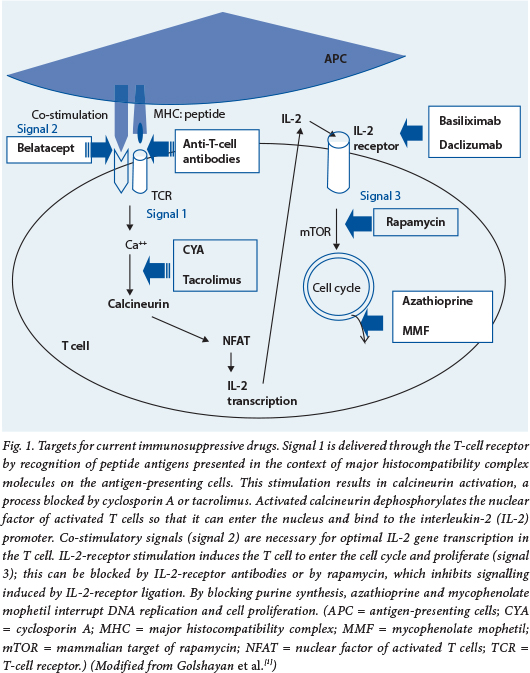
Organ transplantation is the treatment of choice for patients with end-stage organ failure. Most of them will require lifelong immunosuppression to prevent both acute and chronic rejection. T-cell recognition of the allograft major histocompatibility complex antigens is the central event initiating cellular rejection of the allograft, and subsequent full T-cell activation requires three signals. Immunosuppressive regimens currently used in clinical practice are nonspecific and target T-cell activation, clonal expansion or differentiation into effector T cells. While these therapeutic regimens have advanced considerably and one-year graft survival figures for most solid organ transplants (SOTs) are >90%, the long-term graft survival remains fair owing to graft loss from chronic rejection. The 'holy grail' of SOT is therefore the development of a permanent specific immune tolerance against donor allogeneic antigens without the long-term use of immunosuppression.
Continuing Medical Education • SAMJ, S. Afr. med. j. 104
(11)
• • https://doi.org/10.7196/SAMJ.8960 copy
 Thumbnail