Assessment of the availability of colposcopy and the uptake of cervical pre-cancer screening in South Africa, 2023 - 2024: A GIS mapping cross-sectional study
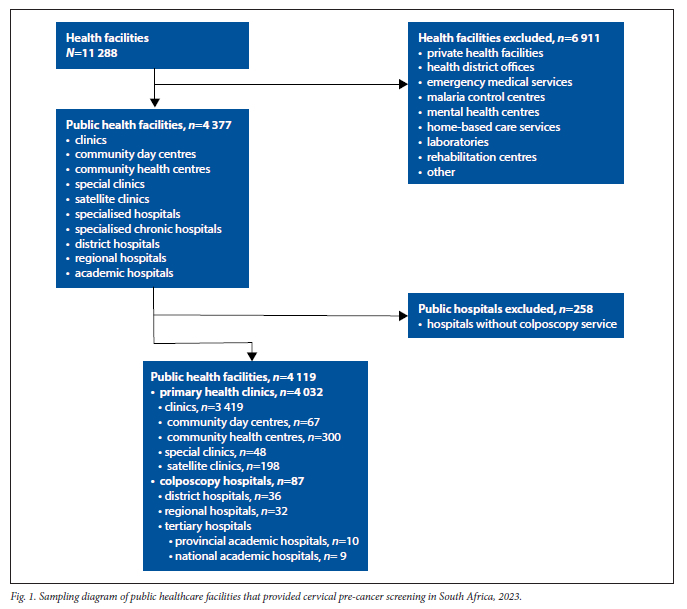
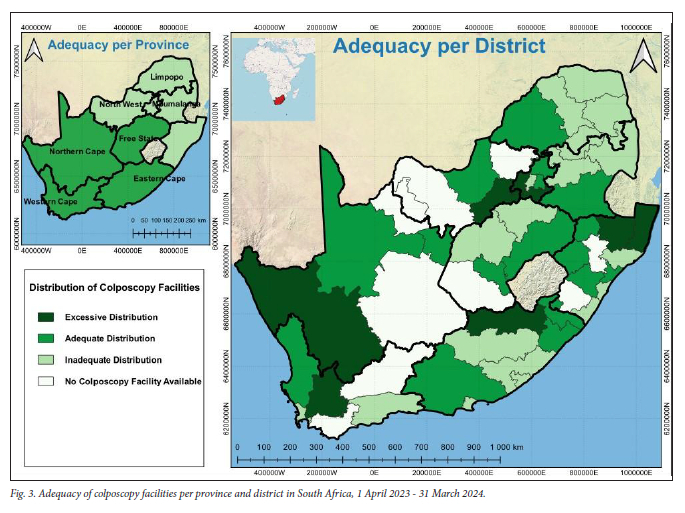
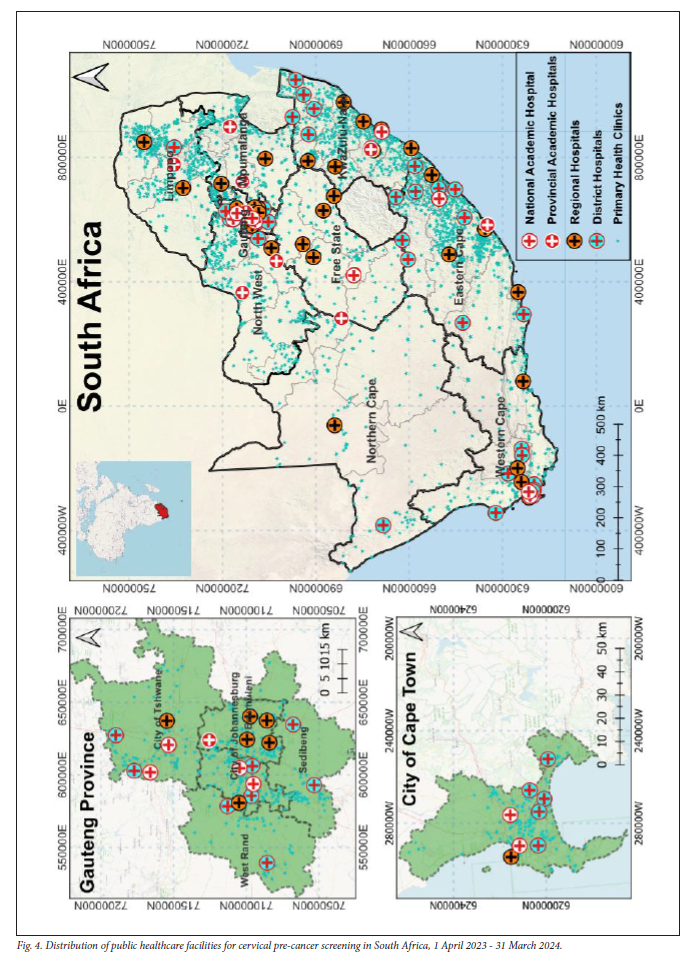
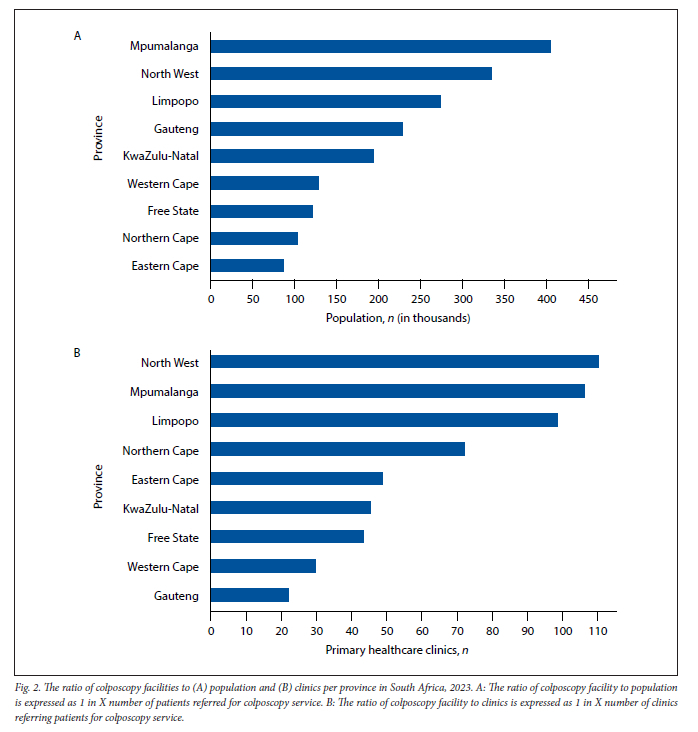
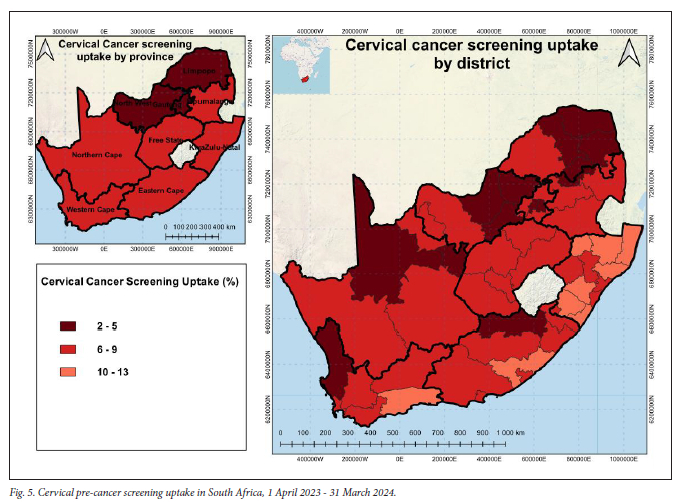
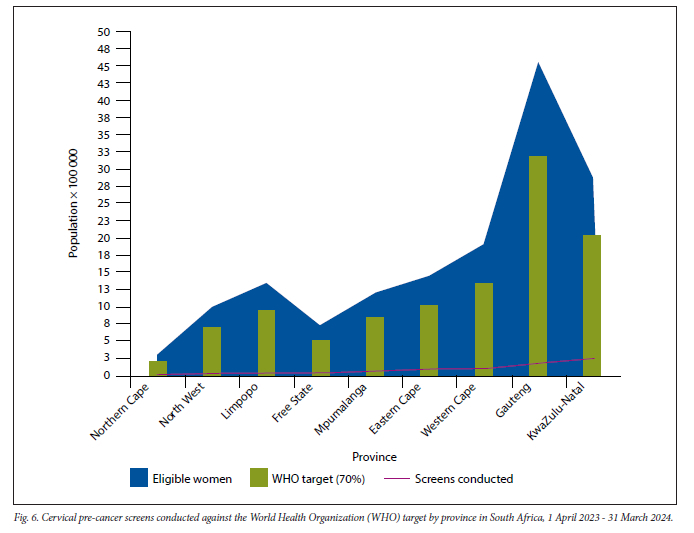
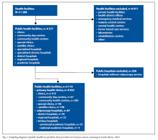
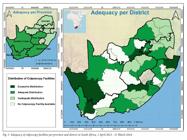
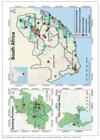
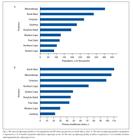
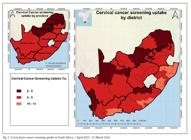
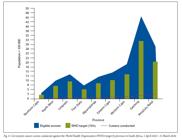
BACKGROUND. Understanding the distribution of public healthcare facilities providing colposcopy services in South Africa (SA) is crucial for informing the prevention of invasive cervical cancer (CC) in this high-HIV-burden country. OBJECTIVES. To assess whether the distribution of colposcopy facilities within the public healthcare system adequately meets demand, and to evaluate the uptake of cervical pre-cancer screening from 1 April 2023 to 31 March 2024. METHOD. For this cross-sectional study, data on facilities providing colposcopy services were obtained from CC screening co-ordinators, and data on cervical pre-cancer screening were obtained from the National Health Laboratory Service. We calculated the adequacy of colposcopy facilities using a multivariable location quotient and Quantum GIS software to generate choropleth maps. RESULTS. In 2023, 87 public healthcare facilities in SA provided colposcopy services, primarily in Gauteng (n=20), Eastern Cape (n=17) and KwaZulu-Natal (n=15) provinces. Despite this, 17% of all districts within provinces lacked these services, and half were unable to meet population needs. North West, Limpopo, Gauteng, Mpumalanga and KwaZulu-Natal provinces also had inadequate distribution of colposcopy facilities. Cervical pre-cancer screening uptake remained <13%, with the lowest screening rates observed in North West, Gauteng and Limpopo provinces. Among women screened, 5.6% had abnormal results. Notably, higher proportions of abnormal results (7 - 10%) were observed in Limpopo and Gauteng provinces. CONCLUSION. The distribution of colposcopy facilities does not adequately meet the needs of women in SA. The inadequacy is mainly observed in highly populated provinces, as well as rural provinces. Co-ordinated efforts are needed to address these disparities and accelerate progress towards CC elimination through needs-based, data-driven resource allocation, service decentralisation, and community-driven interventions.
cervical cancer; colposcopy; pre-cancer; public healthcare; screening uptake; HIV prevalence; resource allocation; decentralisation; multivariable location quotient
 Thumbnail
 Thumbnail
 Thumbnail
 Thumbnail
 Thumbnail
 Thumbnail