Severe lithium-induced nephrogenic diabetes insipidus: The diuresis paradox
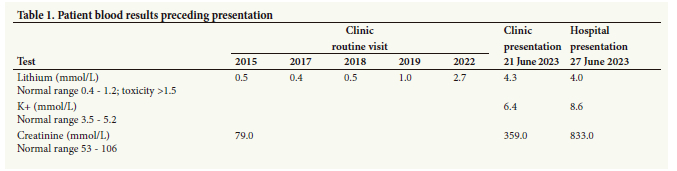
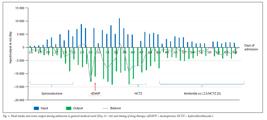
We report a case of profound nephrogenic diabetes insipidus (NDI) in which renal resistance to antidiuretic hormone results in dilute polyuria despite normal circulating concentrations. A 28-year-old man with bipolar mood disorder presented to his local clinic with symptoms suggestive of lithium toxicity. Plasma lithium concentrations and thyroid-stimulating hormone (TSH) were taken, but results were not acted upon. One week later, he presented obtunded, severely dehydrated and in renal failure. His plasma lithium concentration was 4.3 mmol/L (toxic threshold >1.5 mmol/L) and TSH >100 mIU/L. After admission to the intensive care unit, including haemodialysis and 12 days of ventilation, he developed profound polyuria, with a peak output of 15 L/day. Amiloride with hydrochlorothiazide adequately reduced the polyuria. Management of lithium-induced NDI remains complex, and includes diuretics, which paradoxically reduce polyuria in this setting. Failure to follow up critical results led to profound morbidity, and is a crucial learning point in this case.
nephrogenic diabetes insipidus; lithium toxicity; bipolar mood disorder; renal failure; andtidiuretic hormone resistance; polyuria; amiloride; hydrochlorothiazide; chronic kidney disease; primary hypothyroidism; health system challenges; patient safety; clinical pharmacology; endocrinology
 Thumbnail
 Thumbnail