Traumatic brain injury, the hidden pandemic: A focused response to family and patient experiences and needs
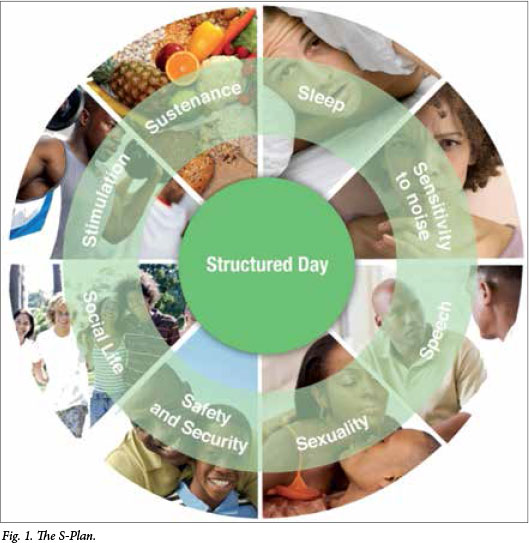
INTRODUCTION: Traumatic brain injury (TBI) has many potential cognitive, behavioural and psychological consequences, and contributes significantly to the national burden of disease and to ongoing violent behaviour. Few resources are available for the rehabilitation of patients with TBI in South Africa, and access to rehabilitation facilities in the public sector is limited. Consequently, it is the families impacted on by TBI that ultimately carry the care and rehabilitation burden once survivors are discharged from hospital. Families are generally ill equipped to cope with the complex and potentially long-term disabilities that accompany brain injury. METHODS: Reviewing interviews with 175 family members and 354 patients recovering from TBI helped identify the key challenges that the survivors of TBI and their families face. RESULTS: Nine problem areas were identified that formed the basis for development of a discharge resource, the S-Plan, which serves to inform patients and carers and provide practical solutions for the problems they face. CONCLUSION: The experiences of TBI survivors and their family members served to inform the development of simple, integrated coping strategies, namely two S-Plan tools, one for survivors and their families/caregivers and the other for care workers, in conjunction with counselling and support group processes. The S-Plan constitutes a discharge resource to inform patients and carers and provide practical solutions for the problems they face in caring for family members who have suffered TBI.
SAMJ: South African Medical Journal
 Thumbnail