Four-year mortality and ART outcomes among adults with HIV and microbiologically confirmed tuberculosis during early ULAM rollout at a Cape Town district hospital
BACKGROUND: Tuberculosis (TB) is the leading cause of mortality in people living with HIV (PLWH). In 2015, the World Health Organization advocated use of the urine lipoarabinomannan (ULAM) assay to accelerate the diagnosis of TB, and thus its treatment, in selected patients with HIV. OBJECTIVES: To describe the demographic and clinical profiles of inpatients with HIV and microbiologically confirmed TB at a district hospital during early ULAM rollout, and to describe their short and longer-term outcomes, including their 4-year all-cause mortality, antiretroviral therapy (ART) uptake, and virological outcomes. METHOD: We conducted an observational, retrospective cohort medical record review describing a subset of inpatients at Mitchells Plain Hospital for whom ULAMs were performed between 2016 and 2018, during the initial rollout. RESULTS: A total of 107 participants were included. The median (interquartile range (IQR)) age was 35 (29 - 42) years with a slight male preponderance of 55.14% (n=59). A total of 75.7% (n=81) of participants had been previously diagnosed with HIV, but only 35.51% (n=38) were on ART at enrolment. The median CD4 count was 39 (18 - 69.5) cells/mL. A total of 96% (n=96/100) of participants had anaemia - with ULAM-positive participants having lower haemoglobins than ULAM-negative participants (p=0.036). Participants who were ULAM positive also had a lower platelet count than those who were ULAM negative (p=0.019). The only biochemical result for which there was a statistically significant difference between groups was urea: participants who were ULAM positive had higher ureas (p=0.037). The median length of stay was 10 (6 - 20) days, and the 30-day mortality rate was 4.67% (n=5). The 4-year all-cause mortality was 34.58% (n=37). At 4 years, 31.78% (n=34) of participants were on ART and 42.99% (n=46) achieved an undetectable viral load (VL) at some point within their follow-up. Participants who achieved an undetectable HIV VL were significantly less likely to have died by 4 years (odds ratio 0.06 (95% confidence interval 0.02 - 0.17, p<0.001). CONCLUSION: This cohort of medical inpatients with HIV and microbiologically confirmed TB were profoundly immunocompromised. Despite three-quarters of participants having been diagnosed with HIV previously and all PLWH being eligible for ART, only one-third of participants were on ART at enrolment. The 4-year all-cause mortality was significantly higher than the 30-day mortality. Disengagement from care was common, highlighting the importance of quality primary healthcare programmes to curtail HIV-associated morbidity and mortality.
tuberculosis; TB; HIV; urine lipoarabinomannan; urine LAM
Four-year mortality and ART outcomes among adults with HIV and microbiologically confirmed tuberculosis during early ULAM rollout at a Cape Town district hospital
A HowardI; L MapahlaII, III; D MaughanIV
IMB ChB; Division of General Medicine, Department of Medicine, Faculty of Health Sciences, University of Cape Town and Groote Schuur Hospital, South Africa
IIMSc; Modelling and Simulation Hub, Africa, Department of Statistical Sciences, Faculty of Science, University of Cape Town, South Africa
IIIMSc; Division of Epidemiology and Biostatistics, Faculty of Medicine and Health Sciences, Stellenbosch University, Cape Town, South Africa
IVMB ChB, FCP (SA); Division of General Medicine, Department of Medicine, Faculty of Health Sciences, University of Cape Town and Groote Schuur Hospital, South Africa
BACKGROUND: Tuberculosis (TB) is the leading cause of mortality in people living with HIV (PLWH). In 2015, the World Health Organization advocated use of the urine lipoarabinomannan (ULAM) assay to accelerate the diagnosis of TB, and thus its treatment, in selected patients with HIV.
OBJECTIVES: To describe the demographic and clinical profiles of inpatients with HIV and microbiologically confirmed TB at a district hospital during early ULAM rollout, and to describe their short and longer-term outcomes, including their 4-year all-cause mortality, antiretroviral therapy (ART) uptake, and virological outcomes.
METHOD: We conducted an observational, retrospective cohort medical record review describing a subset of inpatients at Mitchells Plain Hospital for whom ULAMs were performed between 2016 and 2018, during the initial rollout.
RESULTS: A total of 107 participants were included. The median (interquartile range (IQR)) age was 35 (29 - 42) years with a slight male preponderance of 55.14% (n=59). A total of 75.7% (n=81) of participants had been previously diagnosed with HIV, but only 35.51% (n=38) were on ART at enrolment. The median CD4 count was 39 (18 - 69.5) cells/mL. A total of 96% (n=96/100) of participants had anaemia - with ULAM-positive participants having lower haemoglobins than ULAM-negative participants (p=0.036). Participants who were ULAM positive also had a lower platelet count than those who were ULAM negative (p=0.019). The only biochemical result for which there was a statistically significant difference between groups was urea: participants who were ULAM positive had higher ureas (p=0.037). The median length of stay was 10 (6 - 20) days, and the 30-day mortality rate was 4.67% (n=5). The 4-year all-cause mortality was 34.58% (n=37). At 4 years, 31.78% (n=34) of participants were on ART and 42.99% (n=46) achieved an undetectable viral load (VL) at some point within their follow-up. Participants who achieved an undetectable HIV VL were significantly less likely to have died by 4 years (odds ratio 0.06 (95% confidence interval 0.02 - 0.17, p<0.001).
CONCLUSION: This cohort of medical inpatients with HIV and microbiologically confirmed TB were profoundly immunocompromised. Despite three-quarters of participants having been diagnosed with HIV previously and all PLWH being eligible for ART, only one-third of participants were on ART at enrolment. The 4-year all-cause mortality was significantly higher than the 30-day mortality. Disengagement from care was common, highlighting the importance of quality primary healthcare programmes to curtail HIV-associated morbidity and mortality.
Keywords: tuberculosis, TB, HIV, urine lipoarabinomannan, urine LAM
South Africa (SA)'s healthcare system is challenged by the dual burden of HIV and tuberculosis (TB). The World Health Organization (WHO) estimated that, in 2022, globally 6.3% of incident TB cases occurred in people living with HIV (PLWH), while in SA, it was 54% of incident TB cases.[1,2] As of 2024, it is estimated that the HIV prevalence rate in SA is 12.7% - ~8 million people.[3] Among PLWH, TB is the leading cause of hospitalisation and mortality.[4-6]
The use of the point-of-care lateral flow urine lipoarabinomannan (ULAM) assay has been advocated by WHO guidelines since 2015 to expedite the diagnosis of TB in PLWH - originally among those who were seriously ill or with a CD4 count ≤100 cells/μL, but with expanded criteria for use in more recent guidelines.[7] Following this recommendation by the WHO, ULAMs started to be used in the SA public sector, including at Mitchells Plain Hospital (MPH), where our study was conducted.
Communities such as Mitchells Plain have a high burden of communicable disease, with a previous study finding that among inpatients, 31.9% were living with HIV and 17% had TB.[8] Of previously ambulatory adults living with advanced HIV (CD4 <150 cells/uL) who required admission, more than one-third of admissions were TB-related, and patients had a high mortality.[9]
The appropriate initiation of antiretroviral therapy (ART) at the time of TB diagnosis is an essential component of the management of HIV-associated TB. Previous research has shown that of those patients with HIV-associated TB who were not on ART at diagnosis, 22% did not initiate ART during their anti-tuberculous treatment period despite all patients being eligible for ART per guidelines at the time.[10]
Lifelong ART is pivotal to preventing the spread of HIV and reducing HIV-associated morbidity and mortality, yet retention in care remains a challenge.[11] A SA cohort study looking at 12-year mortality in adults initiating ART found that mortality rates decrease with increased time on ART: by 4 years on ART, the observed mortality in PLWH was similar to that of the HIV-negative population.[12] However, among PLWH, those who have had TB, even successfully treated TB, have increased longer-term mortality than those who have never been diagnosed with TB.[13,14]
This study contributes to the body of implementation research on ULAM use in settings with a high burden of HIV and TB. We describe the demographic and clinical profiles upon admission of patients with microbiologically confirmed TB included in the MPH ULAM registry, and their short and longer-term outcomes, including their 4-year all-cause mortality, ART uptake and virological outcomes. Assessment of these longer-term outcomes provides insights into the successes and shortcomings of local ART and TB programmes.
Methods
We performed a single-centre observational retrospective cohort medical record review of adult inpatients living with HIV with microbiologically confirmed TB who were included in the MPH ULAM registry. MPH is a district hospital in the Cape Metropole that serves a community of ~700 000 people.[15] This study used data from the existing registry, as well as routinely collected data extracted from electronic record systems.
The existing MPH ULAM registry includes the 325 patients admitted to MPH from 2016 to 2018 (inclusive) for whom an AlereLAM was performed as per standard operating procedure at the time (Table 1). At the time that participants were admitted, monthly admissions to the Medicine Department totaled ~500 - 700 patients.
The current study uses data from the registry to provide an audit of ULAM use at MPH over the first 2 years of ULAM roll-out in the public sector. This study was a sub-study of the original cohort used in Erwee.[16] As the number of participants included in the registry was pre-determined, we were unable to determine optimal sample size through a power analysis.
The inclusion criteria for this study were: adult patients admitted to the MPH Medicine Department between 2016 and 2018 with microbiologically confirmed TB, defined as TB identified by the positive detection of Mycobacterium tuberculosis (MTB) by either GeneXpert or culture on at least one of any clinical samples.
Patients in the registry for whom there was no microbiological evidence of TB were excluded from this study. Patients were also excluded if TB was not deemed the most likely clinical diagnosis and a positive GeneXpert was attributed to recent previous TB, as well as if microbiological confirmation was obtained from specimens obtained at a later date to the admission in which the ULAM was performed.
Participants with microbiologically confirmed TB were identified from the MPH ULAM registry. Data were extracted from the existing MPH registry, its data sheets as well as electronic record systems used in clinical practice: National Health Laboratory Service (NHLS) Trakcare; Single Patient Viewer (SPV); Electronic Continuity of Care Record (eCCR); Clinicom; and Enterprise Content Management (ECM). We searched using patients' folder numbers: a unique identifier that links patient information across these systems. Where an alternative folder number was suspected, patient identifiers, such as name and date of birth, were used to search electronic systems. All data variables were captured into an Excel database (Microsoft, USA). All electronic data entry and analysis made use of study identification numbers and, to protect participant confidentiality, no identifiable participant descriptors were captured into the database.
Demographic characteristics, baseline HIV characteristics, TB history and current diagnostic characteristics, laboratory indices, and short-medium term and 4-year outcomes were collected (Fig. 1).
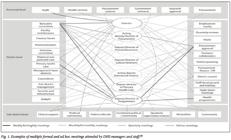
Regarding participants' TB diagnostic characteristics, laboratory and radiological data were collected. For laboratory data, we collected the results of GeneXpert, smear microscopy and TB culture on different clinical specimens: sputum, blood, urine, cerebrospinal fluid, pleural fluid and peritoneal fluid. For radiological data, we collected the results of chest X-rays (CXR), ultrasounds (US) and computed tomography (CT) scans performed on participants. CXR was considered suggestive of TB if opacification, lymphadenopathy or effusion was considered in keeping with TB by the treating clinician. Abdominal imaging (US or CT scan) was considered suggestive of TB if lymphadenopathy, ascites and/or splenic or hepatic hypoechoic lesions were reported with no other likely diagnosis described. A CT brain scan was considered compatible with possible TB if rim-enhancing lesions, basal meningeal enhancement or hydrocephalus were described in the report.
Laboratory findings of participants that were recorded included:
haematological indices: haemoglobin, white cell count and platelet count
biochemical indices: sodium, potassium, urea, creatinine, albumin, total bilirubin, conjugated bilirubin, alanine aminotransferase, alkaline phosphatase and C-reactive protein.
Patients with an entry on electronic systems after the end of their 4-year follow-up period indicating a clinic visit, laboratory test performed or medication collected were assumed to be alive after 4 years.
Statistical analysis
Statistical analysis was performed using Stata version 15.1 (Stata, USA). Descriptive statistics were used to outline demographic and clinical characteristics, and to report mortality and ART outcomes. For continuous variables, means with standard deviations were used for normally distributed data, and medians with interquartile ranges for non-parametric data. Continuous data were compared using t-tests for parametric data and Wilcoxon rank-sum (Mann-Whitney) tests for non-parametric data. Categorical variables were described as frequencies and percentage, and compared using Pearson's χ2
Logistic regression was used to analyse risk factors for death. Time to death was demonstrated with a Kaplan-Meier curve. Factors associated with time to death were analysed using Cox Proportional Hazards regression. All regression estimates are presented with 95% confidence intervals (CIs). P≤0.05 was considered significant. It was intended that variables found to have statistically significant association with the outcome would be entered into multivariable logistic regression models to determine independent risk factors for death. However, there were insufficient significant outcomes to run multivariable Cox regression.
Ethical considerations
Ethics approval was obtained from the Human Research Ethics Committee in the Faculty of Health Sciences at the University of Cape Town (ref. no. 759/2023). Given that this was a retrospective record review in which no participants were contacted directly nor additional investigations performed, permission was granted to waive individual participant consent.
Results
Of the 325 participants entered in the MPH ULAM registry between 2016 and 2018, 113 were identified as having microbiological evidence of TB on initial screening. Six participants were excluded for reasons outlined in Fig. 1, and 107 were included in our analysis. Of these, 77 (71.96%) were ULAM positive and 30 (28.04%) were ULAM negative.
Baseline characteristics
There was no statistically significant difference in baseline characteristics between participants who were ULAM positive and negative (Table 2). The median (interquartile range (IQR)) age of our entire cohort was 35 (29 - 42) years, and 55.14% (n=59) of participants were male. Despite 75.7% of participants (n=81) having been previously diagnosed with HIV, only 35.51% (n=38) were on ART at the time of enrolment. Of those not on ART at enrolment, approximately half were ART naive (49.28%), and half had disengaged from ART (50.72%). Of those on ART, 57.89% (n=22) had been initiated on ART in the 90 days preceding their TB diagnosis, and were potentially in a TB-associated immune reconstitution inflammatory syndrome (TB-IRIS) window. The median CD4 count of participants was 39 (18 - 69.5) cells/mL, and of those with baseline HIV viral loads (VLs) (n=36) only three (8.33%) had undetectable VLs.
Characteristics of TB diagnosis
Upon admission, 34.58% of participants (n=37) were unable to produce a sputum sample for testing. Of those who produced sputum samples, 64.29% (45/70) were GeneXpert positive and 78.69% (48/61) were positive on mycobacterial culture (Table 3). Only 13.79% (8/58) of all participants were sputum-smear positive. The only microbiological investigation with a statistically significant difference between the ULAM-positive and negative groups was mycobacterial blood culture: 63.46% of those in the ULAM-positive group were positive, and 34.78% in the ULAM-negative group (p=0.021). Despite all participants having ULAMs performed, only 37 had urine samples sent for mycobacterial culture. Among those who were ULAM positive, 33.77% (26/77) had urine samples sent for mycobacterial culture, and of those sent, 50% (13/26) were positive and able to provide drug sensitivities.
All participants had CXRs performed, 42.07% (n=45) had abdominal US performed and only 4 patients had CT scans performed (Table 3). There were no statistically significant differences in the yields of radiological investigations showing features compatible with TB between the ULAM positive and negative groups.
Laboratory indices at enrolment
Overall, only 4% (n=4/100) of participants did not have anaemia (Table 4), while 45% (n=45/100) had severe anaemia, 42% (n=42/100) had moderate anaemia and 4 (4%) had mild anaemia by WHO classification. Participants who were ULAM positive had a significantly lower haemoglobin, with a mean (standard deviation) haemoglobin of 8.03 (2.43) g/dL v. 9.14 (2.07) among those who were ULAM negative (p=0.036). Participants who were ULAM positive also had a lower platelet count than those who were ULAM negative (p=0.019). The only biochemical result for which there was a statistically significant between-group difference was urea: participants who were ULAM positive had higher ureas (p=0.037).
Outcomes
Regarding short- to medium-term outcomes, the 30-day mortality rate was 4.67% (n=5), with all deaths occurring in the ULAM-positive group (Table 5). The median length of stay (LOS) was 10 days, with no significant difference between ULAM-positive and negative groups (p=0.455). Univariate analysis assessing association of laboratory indices with short- to medium-term outcomes found that no indices were significantly associated with 30-day mortality, and that only alanine aminotransferase level was independently significantly associated with LOS (coefficient of 0.34, 95% confidence interval (CI) 0.003 - 0.68, p=0.048). Regression analysis found that no demographic or clinical characteristics were significant risk factors for death at 30 days.
There was no statistically significant difference in 4-year all-cause mortality between the ULAM-positive and negative groups (p=0.134), with 44.86% of participants overall confirmed as alive, 34.58% confirmed as deceased, and 20.56% lost to follow-up (Table 5). Fig. 2 shows the cumulative incidence of mortality as well as the ART outcomes at yearly intervals from enrolment (participants were considered to be 'on ART' at yearly intervals if there was evidence of them having been dispensed ART within 3 months of the date of their yearly timepoint). The highest mortality rate occurred within the first year after enrolment: 1-year mortality of 25.23%. The proportion of participants alive and established on ART progressively declined over the 4-year follow-up period. Thirty-four participants (31.78%) of the original cohort were alive and retained on ART at 4 years after integration into the MPH ULAM registry. Of those participants not confirmed as deceased, 48.57% were proven to be on ART at the 4-year endpoint.
Of all participants, 42.99% (n=46) achieved an undetectable viral load at least once within their 4-year follow-up (Table 5). Of the 34 participants confirmed to be on ART at 4 years, 23 (67.65%) had undetectable VLs (VL <50 copies/mL within 6 months of 4-year endpoint), and 11 (32.35%) were not virologically suppressed.
Logistic regression was used to analyse risk factors for death within the 4-year follow-up period. The only statistically significant variable was achievement of virological suppression: those who achieved an undetectable HIV VL at any time within the 4-year follow-up period had 0.06 times the odds of dying than those who never achieved an undetectable VL (OR 0.06, 95% CI 0.02 - 0.17, p<0.001).
Time to death is demonstrated with a Kaplan-Meier curve (Fig. 3). Factors associated with time to death were analysed using Cox proportional hazards regression. No demographic or clinical characteristics were significantly associated with time to death.
Discussion
Our study describes the demographic and clinical profiles upon admission of HIV-positive inpatients with microbiologically confirmed TB included in the MPH ULAM registry following ULAM roll-out in the public sector. Our cohort was profoundly immunocompromised, with a median CD4 count of 39 cells/mL. Although three-quarters of participants had been previously diagnosed with HIV, only 35.51% were on ART at the time of hospitalisation. Of those not on ART, approximately half were ART naïve, and half had disengaged from ART. A recent study looking at province-wide data from 2019 to 2023 in the Western Cape Province (WC) has shown that the majority of PLWH not on ART are known to healthcare services, and have previously been on ART and subsequently disengaged from treatment.[17] Our longer-term outcomes show a high incidence of ART disengagement and a high mortality rate post discharge in the first year following TB diagnosis. The importance of ART initiation and maintenance of adherence is highlighted by the finding that achievement of an undetectable HIV VL at any point within the 4-year follow-up was associated with increased odds of survival. Our finding that initiation of ART in the 90 days prior to TB therapy, i.e. potentially unmasking TB-IRIS, was not associated with an increased odds of death at 30 days nor 4 years supports early ART initiation at primary care level.
As ULAM neither identifies mycobacterial species nor provides drug sensitivities, it is important to send off additional specimens for culture and Xpert. In our cohort, blood was the specimen sent most frequently for mycobacterial culture, followed by sputum, then urine. As both ULAM and mycobacterial blood culture positivity are markers of disseminated TB,[18] it is not surprising that significantly more mycobacterial blood cultures were positive in the ULAM-positive than negative group.
In our cohort, approximately one-third of participants were sputum scarce. A 2023 meta-analysis finding that 98% of PLWH could provide urine but only 82% of people could provide sputum supports the utility of urine-based tests.[19] Urine TB cultures were sent for approximately one-third of our participants. Overall, 45.95% of urine TB cultures were positive, with a higher proportion positive in the ULAM-positive than negative group (50% v. 36.36%, respectively) - although this difference was not statistically significant (p=0.495). There is a paucity of data on the utility of urine TB culture. A US study published in 1991 reported a diagnostic yield of 77% from urine TB cultures for PLWH with extrapulmonary TB.[20] More recently, an Ethiopian study published in 2019 found that when urine culture is conducted in parallel with sputum culture, the detection rate of MTB is increased by 3.4%.[21]
The sparseness of recent data on urine TB culture is possibly due in part to the emergence of urine Xpert testing, which provides a result within hours, as opposed to culture, which takes several weeks.
A recently published prospective multicentre diagnostic accuracy trial found that urine Xpert Ultra has a similar sensitivity to AlereLAM (32.7%, 95% CI 27.2 - 28.7) v. 30.7% (25.4 - 36.6), respectively), but greater specificity (98.0% (97.1 - 98.6) v. 90.4% (88.7 - 91.8)) and positive predictive value (75.5% (66.6 - 82.5) v. 37.5% (31.2 - 44.2)).[22] Interestingly, both this study and a previously published SA prospective observational study showed that the diagnostic yield obtained from urine (both with Xpert and LAM), but not sputum, was associated with the CD4 count, and the diagnostic yield of urine tests was greater among those with lower CD4 counts.[22,23] Especially given that urine Xpert is not widely available in clinical practice in SA, urine culture remains a tool to identify mycobacterial species and drug susceptibilities, particularly in patients who are sputum scarce or sputum Xpert negative.
The haematological indices of participants on admission revealed the most significant of the laboratory results, with both lower haemoglobin and platelet counts occurring among the ULAM-positive group. The majority of participants had anaemia. Anaemia frequently complicates both HIV and TB.[24,25] However, it is beyond the scope of this study to elucidate the aetiology of participants' cytopaenias. Although other studies have shown anaemia to be associated with mortality,[25,26] the slightly increased odds of death at 30 days associated with anaemia in our cohort was not statistically significant.
The mortality outcomes of our cohort were assessed at 30 days and 4 years. The 30-day mortality was lower than expected, at 4.67%. In settings with high burdens of HIV/TB, hospitalised patients with HIV-associated TB have mortality rates of between 11% and 32%.[18] Dissemination of TB is a known risk factor for death.[18,22,26,27] However, in our analysis, neither ULAM positivity nor TB blood-culture positivity was significantly associated with an increased odds of death. Of note is that the OR for 30-day mortality stratified by ULAM result could not be calculated, as all deaths had occurred in the ULAM-positive group. Our finding that ULAM positivity was not associated with a statistically significant increased odds of death likely reflects limited power rather than absence of effect, especially given that the threshold for statistical significance was narrowly missed (Appendix 1). Multiple larger studies have shown a significant association between ULAM positivity and mortality,[18,22,26,27] with a previous systematic review and meta-analysis showing at least a two-fold increased mortality risk among ULAM-positive HIV and TB co-infected individuals.[27]
The 4-year all-cause mortality was 34.58%, with an additional 20.56% lost to follow-up. Our 4-year mortality was significantly higher than our 30-day mortality, and a total of 73% of the total deaths occurred within the first year. The high risk of mortality in this first year following TB diagnosis in PLWH highlights the need for more rigorous and supportive follow-up to ensure adherence to anti-TB therapy, appropriate early ART initiation and timeous detection and management of complications or clinical deterioration.
All surviving patients in this cohort should have been established on ART, according to SA national guidelines. However, previous research has shown that despite the diagnosis of TB integrating patients into services that should allow for their initiation and retention in ART care, this is not always achieved.[10,28,29] The proportion of participants alive and established on ART progressively declined over the 4-year follow-up period. It is notable that of those participants not known to be deceased, only approximately half were proven to be on ART at the 4-year endpoint. The number of participants regarded as 'lost to follow-up/not on ART' at the annual timepoints demonstrated in Fig. 2 fluctuates: with fewer lost to follow-up at year 2 than year 1, and again at year 4 than year 3, this reflects how participants re-engaged and disengaged with the healthcare system during this time.
A recent study utilising data on the approximately half-a-million people living with HIV in the WC who have accessed public healthcare in the 2 years prior to the end of December 2023 describes the cyclical processes of treatment engagement, disengagement and re-engagement.[17] On any given day, 26% of PLWH in the WC (~130 000 people) are disengaged from ART. Many people do re-engage with care, but risk clinical deterioration in the period away from care.
Although our study clearly demonstrates the unfortunate reality of disengagement from treatment, it does not provide any insights into the reasons for disengagement from care. A systematic review looking at the reasons people disengage from ART found that these reasons are complex and often overlapping.[30] It describes how individual, healthcare system and societal factors make individuals vulnerable to disengaging from care, but that there is often a precipitating event (such as ill health, relocating or starting a new job, which makes getting to a clinic more difficult) that leads to disengagement from care.
Study strengths and limitations
A strength of our study is that it reflects real-world practice regarding ULAM implementation and integration of patients into care in TB/ART programmes. However, it provides data based on more restrictive ULAM criteria than those currently used following the updated 2019 WHO ULAM recommendations. The 4-year follow-up period is a strength, and provides insights into longer-term outcomes. The inclusion of only microbiologically confirmed TB eliminates misclassification bias and strengthens the validity of our study.
As with any retrospective study of routine data, several limitations exist. Not all results were available for all patients, resulting in missing data. Grading of ULAM positivity was not documented by treating clinicians.
Our 30-day and 4-year mortality does not necessarily reflect mortality attributable to TB or HIV, but reflects all-cause mortality, which may be attributable to other comorbid illnesses or trauma.
Death statistics obtained from electronic healthcare systems may not capture all deaths, such that some of the patients recorded as lost to follow-up may have died. Our category of 'lost to follow-up' was used to describe participants with no contact with the health system for a significant period of time. It encompasses several potential outcomes: disengagement from care; death but without recording of death on our healthcare electronic systems; or healthcare sought elsewhere, such as in the private sector or a different province, where our electronic systems cannot track them.
Loss to follow-up at 4 years was substantial (20.6%; 22/107), and may have resulted in underestimation of mortality. To explore the potential impact of this assumption, a simple sensitivity analysis was considered. In a best-case scenario, where all participants lost to follow-up were alive, 4-year mortality was 34.6% (37/107). In an extreme worst-case scenario, where all participants lost to follow-up were assumed to have died, 4-year mortality would rise to 55.1% (59/107). The true mortality likely lies between these bounds. Nevertheless, even conservative estimates indicate a high longer-term mortality burden following hospitalisation for HIV-associated TB.
Because our follow-up period includes 2020 and 2021 for many participants, at which time the COVID-19 pandemic had a negative effect on primary healthcare programmes, the proportion of patients lost to follow-up may have been exacerbated by its effects.
The strength of the study is limited by its small sample size. Had our sample size been better powered, we may have had more statistically significant results. The finding of achievement of virological suppression being associated with reduced odds of death in regression analysis is susceptible to time-dependent bias. As ever-achieved virological suppression within the 4-year follow-up was used, this limits causal inference. The duration of virological suppression was not assessed.
Our assessment of ART status at yearly intervals provides information at discrete time points during the 4-year follow-up, and may not fully capture dynamic patterns of ART engagement. Periods of adherence, interruption and re-engagement occurring between these timepoints are therefore not reflected.
Recommendations
Given that many PLWH with TB are sputum scarce and urine is an easily acquired specimen, but that ULAM does not provide mycobacterial species confirmation nor drug susceptibility, we support efforts to make urine Xpert testing more accessible. As urine Xpert is currently not easily accessible in the SA public sector, it would be interesting for future research to assess if there is an association between urine TB culture positivity and ULAM positivity to elucidate whether protocols should recommend urine TB culture testing as a next step in ULAM-positive patients.
Conclusion
Our cohort of medical inpatients with HIV and microbiologically confirmed TB during early ULAM roll-out were profoundly immunocompromised. Although three-quarters of participants had been diagnosed with HIV previously, and all PLWH are eligible for ART, only one-third of participants were on ART at enrolment. The 4-year all-cause mortality was significantly higher than the 30-day mortality - with the majority of patients dying within the first year. The proportion of participants alive and established on ART progressively declined over the 4-year follow-up period. Achieving virological suppression on ART was associated with lower odds of death. The generalisability of our findings is limited, as this was a study performed at a single hospital during early ULAM rollout - when more restrictive criteria for ULAM were used than currently recommended by WHO guidance. Nonetheless, our study contributes to existing research that shows how disengagement from care compromises our system's ability to curtail HIV-associated morbidity and mortality. It is imperative that our HIV programmes continue to optimise differentiated service delivery mechanisms, promote patient education and provide supportive healthcare environments.
Data availability. Data used for this study are not publicly available owing to privacy and ethics restrictions, but are available from the corresponding author upon reasonable request with institutional approval.
Declaration. This research was done in fulfilment of the requirements for AH's MMed degree at the University of Cape Town.
Acknowledgements. The authors are grateful to the staff and patients of Mitchells Plain Hospital.
Author contributions. AH and DM conceptualised the study. AH conducted the data collection. LM performed the statistical analysis. AH drafted the manuscript and DM reviewed and revised the manuscript.
Funding. None.
Conflicts of interest. None.
References
-
1. World Health Organization. Tuberculosis profile: South Africa. Geneva: WHO, 2022. https://worldhealthorg.shinyapps.io/tb_profiles/?_inputs_&entity_type=%22country%22&lan=%22EN%22&iso2=%22ZA%22 (accessed 30 November 2024).
» https://worldhealthorg.shinyapps.io/tb_profiles/?_inputs_&entity_type=%22country%22&lan=%22EN%22&iso2=%22ZA%22 -
2. World Health Organization. Global tuberculosis report 2023. Geneva: WHO, 2023. https://www.who.int/teams/global-tuberculosis-programme/tb-reports/global-tuberculosis-report-2023 (accessed 30 November 2024).
» https://www.who.int/teams/global-tuberculosis-programme/tb-reports/global-tuberculosis-report-2023 -
3. Department of Statistics, South Africa. Mid-year population estimates 2024. Pretoria: Statistics South Africa, 2024. https://www.statssa.gov.za/?p=17440 (accessed 29 November 2024).
» https://www.statssa.gov.za/?p=17440 -
4. Ford N, Shubber Z, Meintjes G, et al. Causes of hospital admission among people living with HIV worldwide: A systematic review and meta-analysis. Lancet HIV 2015;2(10):438-444. https://doi.org/10.1016/s2352-3018(15)00137-x
» https://doi.org/10.1016/s2352-3018(15)00137-x -
5. Ford N, Matteelli A, Shubber Z, et al. TB as a cause of hospitalisation and in-hospital mortality among people living with HIV worldwide: A systematic review and meta-analysis. J Int AIDS Soc 2016;19(1):e20714. https://doi.org/10.7448/ias.19.1.20714
» https://doi.org/10.7448/ias.19.1.20714 -
6. Meintjes G, Maartens G. HIV-associated tuberculosis. N Engl J Med 2024;391(4):343-355. https://doi.org/10.1056/nejmra2308181
» https://doi.org/10.1056/nejmra2308181 -
7. World Health Organization. Lateral flow urine lipoarabinomannan assay (LF-LAM) for the diagnosis of active tuberculosis in people living with HIV: Policy update 2019. Geneva: WHO, 2019. https://www.who.int/publications/i/item/9789241550604 (accessed 2 October 2024).
» https://www.who.int/publications/i/item/9789241550604 -
8. De Vries E, Raubenheimer P, Kies B, Burch VC. Acute hospitalisation needs of adults admitted to public facilities in the Cape Town Metro district. S Afr Med J 2011;101(10):760-764. https://pubmed.ncbi.nlm.nih.gov/22272858/ (accessed 18 August 2026).
» https://pubmed.ncbi.nlm.nih.gov/22272858/ -
9. Beckwith PG, Tlali M, Charalambous S, et al. Causes and outcomes of admission and investigation of tuberculosis in adults with advanced HIV in South African hospitals: Data from the TB Fast Track Trial. Am J Trop Med Hyg 2021;105(6):1662-1671. https://doi.org/10.4269/ajtmh.21-0133
» https://doi.org/10.4269/ajtmh.21-0133 -
10. Kaplan R, Hermans S, Caldwell J, Jennings K, Bekker LG, Wood R. HIV and TB co-infection in the ART era: CD4 count distributions and TB case fatality in Cape Town. BMC Infect Dis 2018;18(1):356. https://doi.org/10.1186/s12879-018-3256-9
» https://doi.org/10.1186/s12879-018-3256-9 -
11. Haas AD, Zaniewski E, Anderegg N, et al. Retention and mortality on antiretroviral therapy in sub-Saharan Africa: Collaborative analyses of HIV treatment programmes. J Int AIDS Soc 2018;21(2):e25084. https://doi.org/10.1002/jia2.25084
» https://doi.org/10.1002/jia2.25084 -
12. Cornell M, Johnson LF, Wood R, et al. Twelve-year mortality in adults initiating antiretroviral therapy in South Africa. J Int AIDS Soc 2017;20(1):e21902. https://doi.org/10.7448/ias.20.1.21902
» https://doi.org/10.7448/ias.20.1.21902 -
13. Romanowski K, Baumann B, Basham CA, Ahmad Khan F, Fox GJ, Johnston JC. Long-term all-cause mortality in people treated for tuberculosis: A systematic review and meta-analysis. Lancet Infect Dis 2019;19(10):1129-1137. https://doi.org/10.1016/s1473-3099(19)30309-3
» https://doi.org/10.1016/s1473-3099(19)30309-3 -
14. Joseph Y, Yao Z, Dua A, et al. Long-term mortality after tuberculosis treatment among persons living with HIV in Haiti. J Int AIDS Soc 2021;24(7):e25721. https://doi.org/10.1002/jia2.25721
» https://doi.org/10.1002/jia2.25721 -
15. Faculty of Health Sciences, University of Cape Town. Mitchells Plain Hospital. Cape Town: UCT, 2024. https://health.uct.ac.za/health-electives/hospitals/mitchells-plain-hospital (accessed 2 October 2024).
» https://health.uct.ac.za/health-electives/hospitals/mitchells-plain-hospital - 16. Erwee C. Retrospective review of urinary lipoarabinomannan (ULAM) in the diagnosis of disseminated tuberculosis (TB) in medical inpatients at a district level hospital in Cape Town Master's thesis. Cape Town: University of Cape Town, 2022.
-
17. Euvrard J, Timmerman V, Keene CM, et al. The cyclical cascade of HIV care: Temporal care engagement trends within a population-wide cohort. PLoS Med 2024;21(5):e1004407. https://doi.org/10.1371/journal.pmed.1004407
» https://doi.org/10.1371/journal.pmed.1004407 -
18. Schutz C, Barr D, Andrade BB, et al. Clinical, microbiologic, and immunologic determinants of mortality in hospitalised patients with HIV-associated tuberculosis: A prospective cohort study. PLoS Med 2019;16(7):e1002840. https://doi.org/10.1371/journal.pmed.1002840
» https://doi.org/10.1371/journal.pmed.1002840 -
19. Broger T, Koeppel L, Huerga H, et al. Diagnostic yield of urine lipoarabinomannan and sputum tuberculosis tests in people living with HIV: A systematic review and meta-analysis of individual participant data. Lancet Glob Health 2023;11(6):903-916. https://doi.org/10.2139/ssrn.4243688
» https://doi.org/10.2139/ssrn.4243688 -
20. Shafer RW, Kim DS, Weiss JP, Quale JM. Extrapulmonary tuberculosis in patients with human immunodeficiency virus infection. Medicine 1991;70(6):384-397. https://doi.org/10.1097/00005792-199111000-00004
» https://doi.org/10.1097/00005792-199111000-00004 -
21. Chemeda A, Abebe T, Ameni G, Worku A, Mihret A. Utility of urine as a clinical specimen for the diagnosis of pulmonary tuberculosis in people living with HIV in Addis Ababa, Ethiopia. J Clin Tubercul Other Mycobactl Dis 2019;17. https://doi.org/10.1016/j.jctube.2019.100125
» https://doi.org/10.1016/j.jctube.2019.100125 -
22. Sossen B, Székely R, Mukoka M, et al. Urine-Xpert Ultra for the diagnosis of tuberculosis in people living with HIV: A prospective, multicentre, diagnostic accuracy study. Lancet Glob Health 2024;12(12):2024-2034. https://doi.org/10.2139/ssrn.4695052
» https://doi.org/10.2139/ssrn.4695052 -
23. Lawn SD, Kerkhoff AD, Burton R, et al. Rapid microbiological screening for tuberculosis in HIV-positive patients on the first day of acute hospital admission by systematic testing of urine samples using Xpert MTB/RIF: A prospective cohort in South Africa. BMC Med 2015;13:192. https://doi.org/10.1186/s12916-015-0432-2
» https://doi.org/10.1186/s12916-015-0432-2 -
24. Kerkhoff AD, Meintjes G, Opie J, et al. Anaemia in patients with HIV-associated TB: Relative contributions of anaemia of chronic disease and iron deficiency. Int J Tuberc Lung Dis 2016;20(2):193-201. https://doi.org/10.5588/ijtld.15.0558
» https://doi.org/10.5588/ijtld.15.0558 -
25. Kerkhoff AD, Wood R, Cobelens FG, Gupta-Wright A, Bekker LG, Lawn SD. The predictive value of current haemoglobin levels for incident tuberculosis and/or mortality during long-term antiretroviral therapy in South Africa: A cohort study. BMC Med 2015;13:70. https://doi.org/10.1186/s12916-015-0320-9
» https://doi.org/10.1186/s12916-015-0320-9 -
26. Gupta-Wright A, Corbett EL, Wilson D, et al. Risk score for predicting mortality including urine lipoarabinomannan detection in hospital inpatients with HIV-associated tuberculosis in sub-Saharan Africa: Derivation and external validation cohort study. PLoS Med 2019;16(4):e1002776. https://doi.org/10.1371/journal.pmed.1002776
» https://doi.org/10.1371/journal.pmed.1002776 -
27. Gupta-Wright A, Peters JA, Flach C, Lawn SD. Detection of lipoarabinomannan (LAM) in urine is an independent predictor of mortality risk in patients receiving treatment for HIV-associated tuberculosis in sub-Saharan Africa: A systematic review and meta-analysis. BMC Med 2016;14:53. https://doi.org/10.1186/s12916-016-0603-9
» https://doi.org/10.1186/s12916-016-0603-9 -
28. Kaplan SR, Oosthuizen C, Stinson K, et al. Contemporary disengagement from antiretroviral therapy in Khayelitsha, South Africa: A cohort study. PLoS Med 2017;14(11):e1002407. https://doi.org/10.1371/journal.pmed.1002407
» https://doi.org/10.1371/journal.pmed.1002407 -
29. Kaplan S, Nteso KS, Ford N, Boulle A, Meintjes G. Loss to follow-up from antiretroviral therapy clinics: A systematic review and meta-analysis of published studies in South Africa from 2011 to 2015. South Afr J HIV Med 2019;20(1):984. https://doi.org/10.4102/sajhivmed.v20i1.984
» https://doi.org/10.4102/sajhivmed.v20i1.984 -
30. Burke RM, Rickman HM, Pinto C, Ehrenkranz P, Choko A, Ford N. Reasons for disengagement from antiretroviral care in the era of 'Treat All' in low- or middle-income countries: A systematic review. J Int AIDS Soc 2024;27(3):e26230. https://doi.org/10.1002/jia2.26230
» https://doi.org/10.1002/jia2.26230

Accepted 23 January 2026