Topical and systemic pharmacological treatment of atopic dermatitis
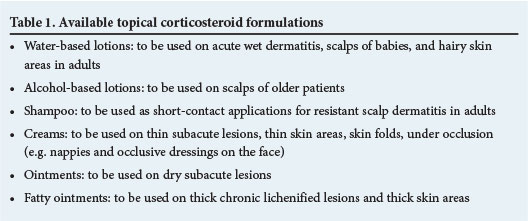
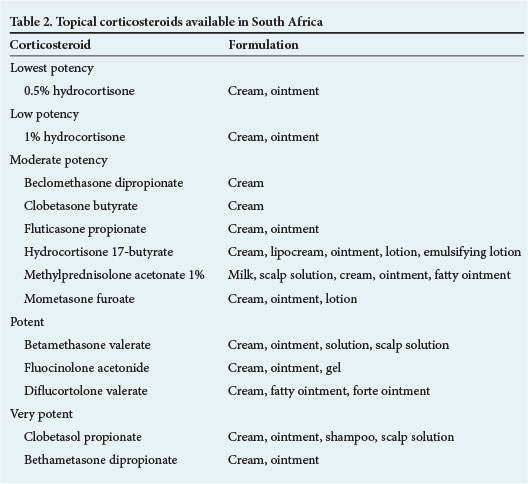
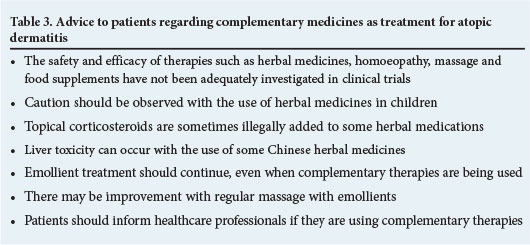
Topical corticosteroids (TCSs) continue to be the mainstay of atopic dermatitis (AD) treatment. For more than four decades TCSs have provided effective flare control by means of their anti-inflammatory, antiproliferative, immunosuppressive and vasoconstrictive actions. They suppress the release of inflammatory cytokines and act on a variety of immune cells, including T lymphocytes, monocytes, macrophages, dendritic cells and their precursors. Various strengths and formulations of TCSs are available. The extent to which they induce cutaneous vasoconstriction and inhibit inflammation corresponds to their potency. Topical calcineurin inhibitors (TCIs) (pimecrolimus and tacrolimus) are complex macrocyclic compounds that result in selective inhibition of cytokine transcription in activated T cells. TCIs are registered for short-term and non-continuous chronic treatment of moderate to severe AD in immunocompetent patients aged >2 years. Systemic corticosteroids are frequently used for short-term therapy of severe AD, but their use is controversial. Complementary/alternative therapies have no proven benefit in AD.
SAMJ: South African Medical Journal