Trauma and violence in the later stone age of southern Africa
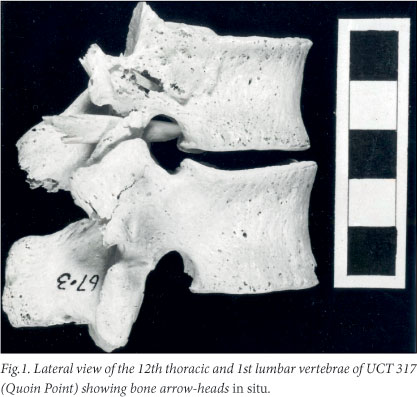
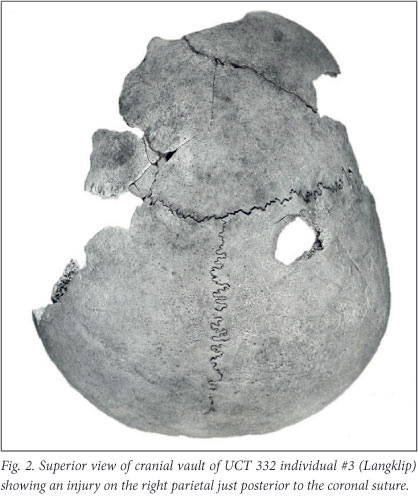
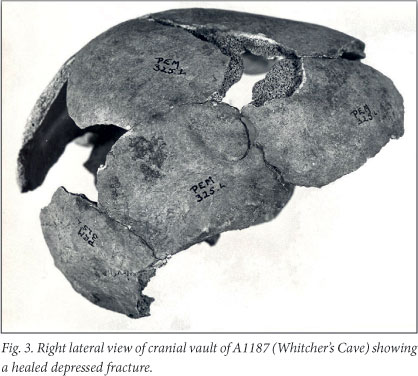
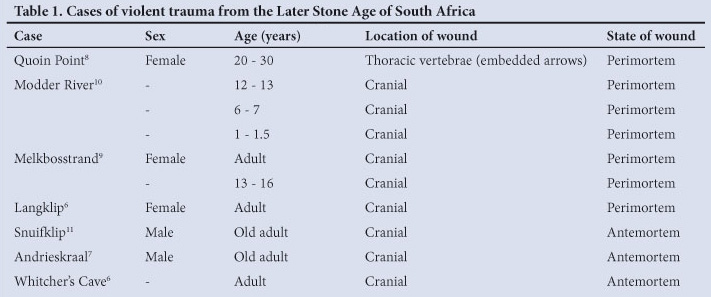
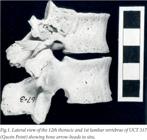
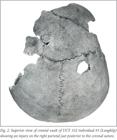
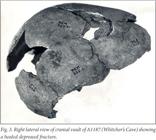
BACKGROUND: Antemortem and perimortem fractures in skeletons recovered from Later Stone Age burials in southern Africa demonstrate that people were, on occasion, the victims of severe trauma attributable to interpersonal violence. METHODS: Case studies are presented of cranial vault depression fractures on 4 different individuals and a young adult female who had 2 bone arrowheads embedded in the lower vertebrae. These are compared with other cases from the literature. RESULTS: The evidence from the archaeological skeletons suggests that interpersonal violence was a regular occurrence among prehistoric foragers. Additional cases show healed fractures of other bones, but these probably represent injuries from day-to-day activities rather than violent conflict. DISCUSSION: The ethnographic depiction of the San as ‘harmless people’ is probably inaccurate, or, at best, only representative of the situation in northern Botswana in the 1960s. Damage to the bones indicates that the cause of the trauma was intentional violence. Explanatory models that suggest intense competition between hunter-gatherer groups are probably more accurate than ones that suggest that the groups were non-aggressive. CONCLUSION: Historical references to the San as aggressive and dangerous adversaries may be more accurate than revisionist historians have argued.
SAMJ: South African Medical Journal
 Thumbnail
 Thumbnail
 Thumbnail