Complex adaptive HIV/AIDS risk reduction: Plausible implications from findings in Limpopo Province, South Africa
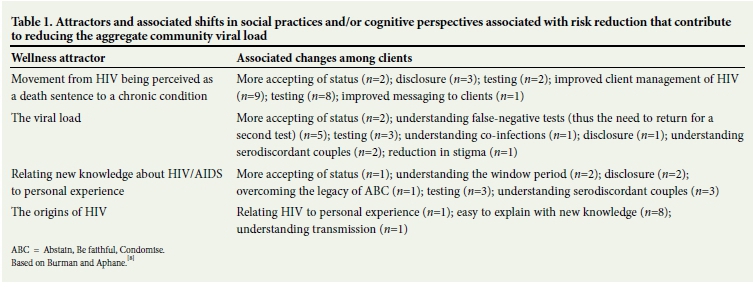
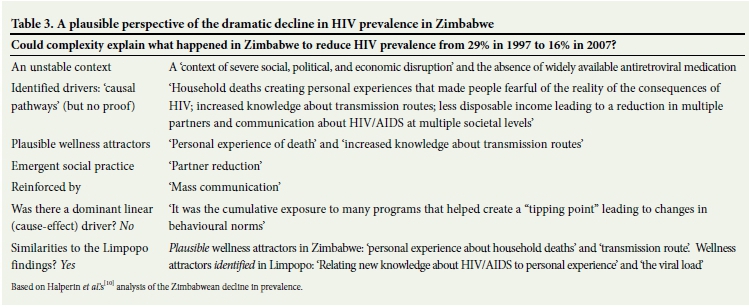
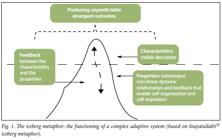
This article emphasises that when working with complex adaptive systems it is possible to stimulate new social practices and/or cognitive perspectives that contribute to risk reduction, associated with reducing aggregate community viral loads. The process of achieving this is highly participatory and is methodologically possible because evidence of 'attractors' that influence the social practices can be identified using qualitative research techniques. Using findings from Limpopo Province, South Africa, we argue that working with 'wellness attractors' and increasing their presence within the HIV/AIDS landscape could influence aggregate community viral loads. While the analysis that is presented is unconventional, it is plausible that this perspective may hold potential to develop a biosocial response - which the Joint United Nations Programme on HIV and AIDS (UNAIDS) has called for - that reinforces the biomedical opportunities that are now available to achieve the ambition of ending AIDS by 2030.
SAMJ: South African Medical Journal
 Thumbnail
 Thumbnail