Rheumatic diseases and pregnancy
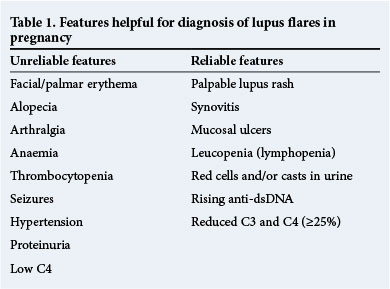
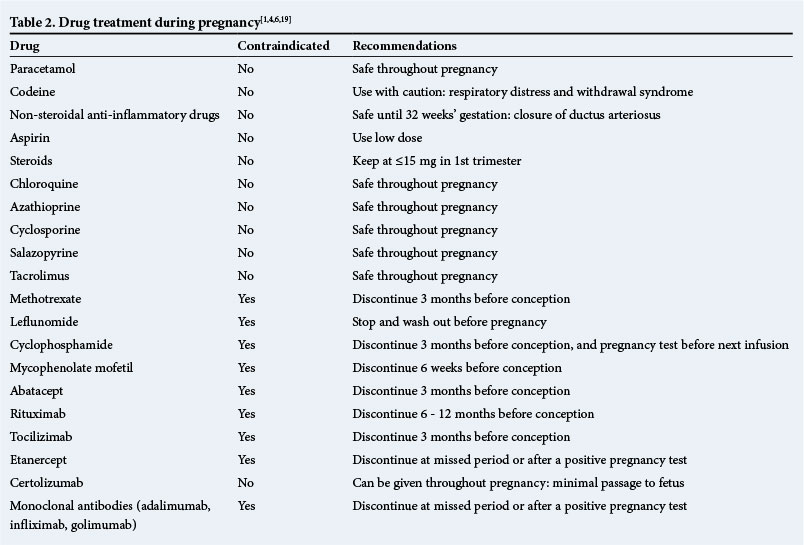
Rheumatic diseases predominantly affect young women of childbearing age; therefore pregnancy is a topic of major interest. Pregnancyinduced changes in immune function can have an effect on underlying disease activity. Systemic lupus erythematosus (SLE), the most common autoimmune disease affecting women during their reproductive years, has an increased incidence of disease flares during pregnancy. In rheumatoid arthritis, on the other hand, there is spontaneous improvement in disease symptoms. However, rheumatic diseases and their treatment can have a significant impact on pregnancy outcomes. Poor pregnancy outcomes are largely associated with high disease activity. Pregnant women with rheumatic diseases constitute a high-risk population, with potential adverse fetal and maternal outcomes. Treatment options can be limited in pregnant women owing to concerns about the adverse effects of commonly used medication on the fetus. The aim of this article is to discuss the optimal management of pregnant women with SLE and other rheumatic diseases, including antiphospholipid antibody syndrome, Sjögren's syndrome, systemic sclerosis, rheumatoid arthritis, psoriatic arthritis and ankylosing spondylitis. The effects of pregnancy on underlying diseases and vice versa are discussed.
SAMJ: South African Medical Journal