The burden of antenatally undiagnosed major congenital anomalies in live-born babies at a busy secondary-level maternity hospital in Western Cape Province
BACKGROUND: Congenital anomalies account for considerable morbidity and mortality in South Africa (SA) with a modelled birth prevalence of 27.5/1 000 live births. There are limited data on actual prevalence of major congenital anomalies (MCAs) and their effect on neonatal services in SA, including Western Cape Province. OBJECTIVES: To determine the prevalence, characteristics and short-term outcomes of neonates with MCA undiagnosed antenatally at one regional facility, Mowbray Maternity Hospital (MMH), over a 12-month period. METHODS: We conducted a retrospective, cross-sectional study of live-born neonates with MCA admitted to the MMH neonatal service between 1 January and 31 December 2022. Stillbirths and antenatally diagnosed MCA neonates were excluded. Neonates were identified from a nursery register and data collected by folder review using standardised data collection forms. Continuous variables were described as medians and interquartile ranges and compared using the Wilcoxon rank sum test. Categorical variables were presented as proportions and assessed using chi-square test. RESULTS: We included 73 antenatally undiagnosed MCA neonates, with an in-facility MCA prevalence rate of 36/1 000 neonatal admissions and 6/1 000 live MMH inborn infants. Ninety-six percent of mothers received antenatal care, most (82%) had at least one antenatal ultrasound and 29% a fetal anomaly scan (FAS). Syndromic MCAs were present in 36% and non-syndromic MCAs in 64% of the neonates. Non-syndromic MCAs included isolated genitourinary (21%), orofacial (19%), gastrointestinal (17%) and cardiovascular (15%) defects. The most common syndromic MCA was trisomy 21 (n=15; 58%), followed by trisomy 13 (n=3; 12%), Pierre Robin sequence (n=2; 8%) and trisomy 18 (n=1; 4%). Syndromic MCA was significantly associated (p<0.001) with advanced maternal age (≥35 years), increased gravidity (five or more) and low birthweight (<2 500 g). The overall in-hospital mortality rate was 15%. CONCLUSION: In this single-hospital-based study, the MCA prevalence was high among inborn and referred neonates. Despite a high proportion of women booking early and receiving at least one antenatal ultrasound, antenatal diagnosis was not made. The use of large collaborative registers is recommended to establish the true effect of congenital anomalies on children, their outcomes in SA and the resources utilised. Only with these data can we advocate for better preventive strategies, management and referral guidelines.
congenital anomalies; South Africa
The burden of antenatally undiagnosed major congenital anomalies in live-born babies at a busy secondary-level maternity hospital in Western Cape Province
M F AmankrahI; E KalkII; A M van NiekerkIII
IFCPaed (SA), MMed; Department of Paediatrics, Red Cross War Memorial Children's Hospital and Faculty of Health Sciences, University of Cape Town, South Africa
IIPhD, MPH; Centre for Integrated Data and Epidemiological Research, School of Public Health, University of Cape Town, South Africa
IIIFCPaed (SA), CertPaedCardiol; Division of Neonatal Medicine, Mowbray Maternity Hospital, Department of Paediatrics, Red Cross War Memorial Children's Hospital and Faculty of Health Sciences, University of Cape Town, South Africa
BACKGROUND: Congenital anomalies account for considerable morbidity and mortality in South Africa (SA) with a modelled birth prevalence of 27.5/1 000 live births. There are limited data on actual prevalence of major congenital anomalies (MCAs) and their effect on neonatal services in SA, including Western Cape Province.
OBJECTIVES: To determine the prevalence, characteristics and short-term outcomes of neonates with MCA undiagnosed antenatally at one regional facility, Mowbray Maternity Hospital (MMH), over a 12-month period.
METHODS: We conducted a retrospective, cross-sectional study of live-born neonates with MCA admitted to the MMH neonatal service between 1 January and 31 December 2022. Stillbirths and antenatally diagnosed MCA neonates were excluded. Neonates were identified from a nursery register and data collected by folder review using standardised data collection forms. Continuous variables were described as medians and interquartile ranges and compared using the Wilcoxon rank sum test. Categorical variables were presented as proportions and assessed using chi-square test.
RESULTS: We included 73 antenatally undiagnosed MCA neonates, with an in-facility MCA prevalence rate of 36/1 000 neonatal admissions and 6/1 000 live MMH inborn infants. Ninety-six percent of mothers received antenatal care, most (82%) had at least one antenatal ultrasound and 29% a fetal anomaly scan (FAS). Syndromic MCAs were present in 36% and non-syndromic MCAs in 64% of the neonates. Non-syndromic MCAs included isolated genitourinary (21%), orofacial (19%), gastrointestinal (17%) and cardiovascular (15%) defects. The most common syndromic MCA was trisomy 21 (n=15; 58%), followed by trisomy 13 (n=3; 12%), Pierre Robin sequence (n=2; 8%) and trisomy 18 (n=1; 4%). Syndromic MCA was significantly associated (p<0.001) with advanced maternal age (≥35 years), increased gravidity (five or more) and low birthweight (<2 500 g). The overall in-hospital mortality rate was 15%.
CONCLUSION: In this single-hospital-based study, the MCA prevalence was high among inborn and referred neonates. Despite a high proportion of women booking early and receiving at least one antenatal ultrasound, antenatal diagnosis was not made. The use of large collaborative registers is recommended to establish the true effect of congenital anomalies on children, their outcomes in SA and the resources utilised. Only with these data can we advocate for better preventive strategies, management and referral guidelines.
Keywords: congenital anomalies, South Africa
The World Health Organization defines congenital anomalies (CAs) as a subset of birth defects that are macroscopic morphological anomalies present at birth and of prenatal origin, excluding functional disorders.[1-4] The aetiology of CA is multifactorial, with infectious, genetic and environmental contributory factors; 50%, however, have no known cause.[1] The Centers for Disease Control and Prevention (CDC) defines major congenital anomalies (MCAs) as structural or functional changes with significant medical, social or cosmetic consequences for the individual, typically requiring medical intervention. MCAs account for most deaths, morbidity and disability related to CA and commonly include structural cardiac, neurological, genitourinary, gastrointestinal and orofacial defects, as well as serious chromosomal disorders including trisomy 21, 18 and 13.[1,5,6] CA is the fourth leading cause of neonatal mortality globally, preceded by preterm birth, birth asphyxia and neonatal infection.[1,7,8] Studies assessing the contribution of CA to perinatal mortality are limited in low- and middle-income countries (LMICs).[8] An annual estimated 7.9 million children, 6% of total births globally, are born with serious birth defects of genetic or a partially genetic origin.[3] The 2006 March of Dimes Global Report on Birth Defects estimated that 94% of severe CAs occurred in LMICs.[1,9] The systematic review by Toobaie et al.[9] reports the lack of robust LMIC CA data and postulates that approximately 10% of LMIC neonatal deaths may be due to CA. They found congenital heart defects to have the highest reported incidence globally at 57 per 10 000 live births.[9] Lack of CA reporting from LMICs may stem from unavailable or inaccessible prenatal screening; out-of-hospital births; lack of trained professionals to identify, document, notify and manage CA; and inadequate referral pathways. This limits estimates of the true effects of CA in LMICs, including South Africa (SA).[9,10]
The SA National Department of Health (NDoH) published guidelines for the management and prevention of genetic disorders, birth defects and disabilities in 2001. The congenital defects surveillance system was revised, and the Birth Defect Notification Tool introduced with the aim of consolidating CA data from each of the nine provinces into a national database.[6] Despite this, reporting remained poor and SA data lacking. A 2014 review on the effectiveness of this surveillance demonstrated extreme underreporting, at 1.8% of expected total CAs reported. The highest notification rate was from KwaZulu-Natal Province (KZN), 54%, and the lowest from Western Cape Province, 2.5%.[6] A more recent epidemiological data review emphasised that CA remains an unprioritised healthcare issue in SA, with national surveillance underreporting of >95%. This review used modelled epidemiological estimates to predict a CA prevalence of 27.5/1 000 live births for SA.[11]
Despite health system challenges, SA is one of the leading African countries implementing strategies and surveillance frameworks to reduce childhood and maternal mortality outcomes, using NDoH audits including the Perinatal Problem Identification Programme (PPIP) and the Birth Defect Notification Tool. The aim of these is to improve documentation and notification, allowing for equitable resource allocation and the implementation of management pathways to improve child healthcare outcomes in SA.[10,12] Early diagnosis and appropriate MCA management are imperative to improving health outcomes. Prenatal education, access to basic antenatal care, early antenatal ultrasound scans and appropriate referral for genetic testing and specialist fetal anomaly scanning (FAS), as well as postnatal referral to tertiary paediatric medical or surgical facilities, remain a challenge in LMICs, including SA.[9,13]
Effective interventions to manage children born with CA require investment from health systems to strengthen newborn early clinical CA diagnosis and appropriate referral for treatment.[14] Importantly, MCA that does not lead to early death has a significant effect on quality of life, not only for the child but for their caregivers and communities. The burden on neonatal resources, the need for multidisciplinary specialist services, costly postnatal genetic tests and other investigations, and the long-term medical, surgical and psychosocial management of MCA translates to a significant burden on SA health systems.
The objective of this study was to determine the prevalence, characteristics, associated factors and short-term outcomes of MCA neonates undiagnosed antenatally and admitted to Mowbray Maternity Hospital (MMH), a secondary-level obstetric referral hospital in Cape Town, SA.
Methods
This single-centre, retrospective cross-sectional study was conducted at MMH from 1 January to 31 December 2022.
Study site and population
MMH is a public sector regional hospital and a secondary-level obstetric referral centre, with most referrals occurring in late pregnancy and peripartum. MMH has a 73-bed neonatal unit, including 12 intensive care unit beds, 24 high care beds and 18 special care beds. In 2022, the MMH neonatal unit had 2 045 neonatal admissions. The total number of deliveries for the MetroWest region in Cape Town was 33 506, with 10 312 born at MMH itself. A further one-third of the regional deliveries occurred at local primary care midwife-obstetric units (MOUs). MMH is also the main referral site for non-tertiary neonates delivered at these MetroWest MOUs and thus offers a reasonable representation of the health district delivery MCA burden.
Inclusion criteria
All live-born neonates, delivered at or referred to MMH neonatal unit during 2022 for admission, diagnosed postnatally with MCA (using the CDC definition)[5] by clinical surface examination, radiological imaging (X-rays, ultrasonography, echocardiography) or laboratory investigations and documented in the MMH MCA Neonatal Register were included.
Exclusion criteria
Stillbirths were excluded if there was potential for incomplete examination and documentation at the delivery facilities. MCA cases antenatally diagnosed by ultrasonography or laboratory investigations, and minor CA, defined as structural changes with only cosmetic, limited social and no medical health consequences for the individual[5] (e.g. postaxial polydactyly type B, newborn cryptorchidism) were all excluded.
Statistical analysis
Maternal and neonatal information was collected from a clinical folder review, using a paper-based standardised data collection form. Maternal data included obstetric history, medical and pregnancy-related conditions, medications and substance use, evidence and timing of antenatal booking, presence or absence of an antenatal ultrasound and FAS. Neonatal data included gestational age, birthweight, birth details, Apgar scores, details of MCA, methods of diagnosis of MCA (clinical surface examination, radiological imaging, laboratory results) and in-facility clinical outcomes. Data were anonymised and entered into a REDCap electronic database and directly transferred to a Microsoft Excel spreadsheet for data cleaning and statistical analysis.
Statistical analysis was performed using R (version R4.4.2) and Microsoft Excel (version 16.52, 2021) and descriptive statistics were used to describe neonatal and maternal demographic characteristics. MMH-based Clinicom and Perinatal Problem Identification (PPIP) databases[12] were used to inform total MMH neonatal admissions, inborn live births and MCA-related deaths over the study period. Total neonatal admissions for 2022 served as the denominator. Prevalence and mortality rates were calculated with simple counts and percentages. Continuous variables were described using medians with interquartile ranges and compared using the Wilcoxon rank sum test. Categorical variables were described as proportions, and comparisons made using the chi-square (χ2χ2p<0.05.
Ethics approvals were obtained from the University of Cape Town Human Research and Ethics Committee (HREC REF: 365/2022) and permission was obtained from the MMH Research Committee. A waiver of informed consent was granted.
Results
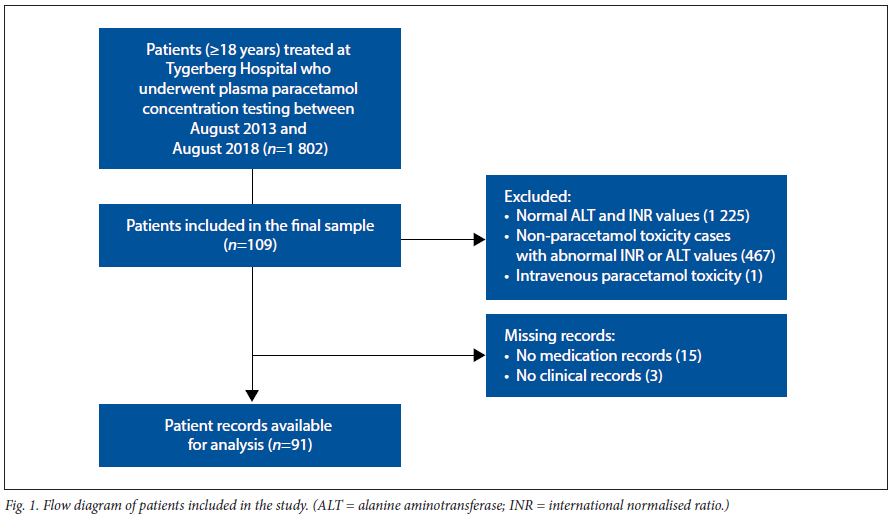
Total neonatal unit admissions to MMH were 2 045 in 2022. Seventy-nine percent of deliveries were inborn and 21% of deliveries were outborn, referred from the surrounding MOUs in the Metro West region of Cape Town. The MMH MCA Neonatal Register in 2022 included 78 neonates, with 73 meeting the study criteria (Fig. 1).
Ninety-six percent of women with neonates affected by MCA attended at least one antenatal visit. Of these, 51% were booked before 20-weeks' gestation. Eighty-two percent had at least one routine antenatal ultrasound scan and 21 (29%) had an FAS in which the MCA was not detected. Most women fell into the age category of 21 - 30 years (42%), and 26% were >35 years, i.e. of advanced maternal age (AMA) (Table 1).
Fifteen women (21%) were living with HIV, all of whom were on antiretroviral treatment (ART) and with >85% virally suppressed (viral load <50 copies/mL) at delivery. Four neonates were exposed to syphilis but asymptomatic: two mothers were incompletely treated during pregnancy and two fully treated. Other illnesses were diagnosed in 13 women (18%) including gestational hypertension (11%), gestational diabetes (1%) and other conditions (6%). Maternal chronic medication included mostly ART: tenofovir, lamivudine and dolutegravir (TLD) and antihypertensive agents. One woman with gestational diabetes was on multiple medications, including metformin, antihypertensives, antiretroviral agents, isoniazid prophylaxis, sulfamethoxazole-trimethoprim and pyridoxine. There was no documented use of lithium or sodium valproate. Eighteen women (25%) acknowledged substance use during pregnancy: cigarette smoking (55%), alcohol (28%), cannabis (6%) and herbal substance use (6%).
More than a third (39%) of the neonates had a birthweight <2 500 g and slightly less than one-third (32%) were delivered prematurely (<37 weeks' gestation). Two neonates (3%) were extremely low birthweight (ELBW, <1 000 g), 3 (4%) very low birthweight (VLBW, 1 000 - 1 499 g) and 23 (32%) LBW, 1 500 - 2 500 g). Forty-one (56%) were normal birthweight and four (5%) were macrosomic (≥4 000 g) (Table 2).
Prevalence of major congenital anomalies
The prevalence of MCA was 36 per 1 000 neonatal admissions (73/2 045) and 6 per 1 000 live births for inborn-only neonates. Non-syndromic MCAs were found in 64% of the study population (n=47) (Fig. 2). These included 21% genitourinary, 19% orofacial, 17% musculoskeletal, 17% gastrointestinal, 15% cardiovascular and 9% central nervous system defects. The least common defects were pulmonary defects, venous malformations and dermatological conditions. Multiple MCA occurred in two neonates, one with autosomal recessive polycystic kidney disease and a ventricular septal defect (VSD) with a hypoplastic aortic arch and another neonate with bilateral cleft lip and palate and left peripheral pulmonary stenosis. The remaining were neonates with an isolated MCA. Four neonates (9%) had central nervous system defects - two with unexplained corpus collosum agenesis with microcephaly, one with ruptured myelomeningocele and one with holoprosencephaly.

Syndromic MCAs were diagnosed in 26 neonates, representing 36% of the study population (Fig. 3). Trisomy 21 (58%) was the most prevalent. Other chromosomal disorders included trisomy 13 (12%), trisomy 18 (4%) and triploidy (4%). Among these cases, the most common associated defects were cardiovascular (54%), predominantly in neonates with trisomy 21 and orofacial cleft defects (11%). Two neonates had multiple MCA: one with a vertebral, anorectal, cardiac, tracheoesophageal, renal and limb abnormality (VACTERL association) and another with omphalocele, exstrophy of the cloaca, imperforate anus and spinal defects (OEIS syndrome). Two neonates had single gene disorders: Angelman syndrome and achondroplasia. Genetic studies, including karyotyping, quantitative fluorescent polymerase chain reaction (QF-PCR) and multiplex ligation-dependent probe amplification (MLPA), confirmed the diagnosis in 21 of the 26 neonates, with the remaining confirmed by specialist clinical diagnosis.

Comparison between syndromic and non-syndromic MCA groups
Median maternal age was significantly higher in the syndromic group compared with the non-syndromic group (35 years, interquartile range (IQR) 31 - 40 years v. 27 years, IQR 25 - 33 years, p<0.001). Gravidity higher than five was significantly associated with the syndromic group (27% v. 4%, p<0.001) and parity of five or more was more common in the syndromic group (12% v. 10%, p=0.038; Table 3). The mode of delivery also differed significantly by MCA group (p<0.001): emergency caesarean section (CS) was more common in the non-syndromic group (26%, non-syndromic group v. 23%, syndromic group). Indications for emergency CS in the study population included documented pathological cardiotocography (14%); fetal compromise (7%) associated with antepartum haemorrhage, twin pregnancies and failed vacuum delivery; fetal malpresentation (3%); and previous CS in labour (1%). There was no direction correlation between emergency CS and MCA. Males were significantly more likely (p=0.05) to be non-syndromic (47% v. 12%), and females syndromic (53% v. 88%). Premature delivery (<37 weeks' gestation) was significantly associated (p<0.001) with the syndromic group.
Associated factors
Maternal HIV status and syphilis status did not show a significant association with either syndromic or non-syndromic MCA (p>0.9 for both). Pregnancy-related illnesses, medication use and type of substance use likewise showed no significant association. There were no significant associations in attendance of antenatal care between the syndromic and non-syndromic groups (p=0.484) or in the receipt of at least one routine antenatal ultrasound (79% v. 88%, respectively; p=0.470).
An FAS did not detect the MCA in 38% of syndromic MCA neonates and 23% of non-syndromic neonates. Most had trisomy 21 (n=7), with four of these neonates also having intracardiac defects: two endocardial cushion defects, one large VSD and one fenestrated atrioventricular septal defect and branch pulmonary artery stenoses. Other cardiac defects not identified on FAS were a large VSD in a neonate with trisomy 13; VSD in a neonate with OEIS syndrome; hypoplastic left heart syndrome (HLHS) in a neonate with a VACTERL association and two tetralogy of Fallot defects in two non-syndromic neonates.
Short-term outcomes
Twenty MCA neonates (27%) required neonatal intensive care unit (NICU) admission, 10 (14%) required non-invasive ventilation consisting of continuous positive airway pressure or high-flow nasal cannula and 2 neonates (3%) required invasive ventilation. Fifteen neonates (21%) required transfer to a tertiary level hospital, 13 (87%) for surgical intervention, mostly for gastrointestinal and genitourinary defects, and 2 (13%) for urgent cardiological intervention.
More than one-third (34%) of neonates had prolonged hospital admission of ≥7 days (range 7 - 175 days) and 76% of these required rehabilitation services for feeding difficulties and poor growth or social service assistance. These were mostly syndromic MCA neonates and with orofacial cleft defects. Twenty-seven percent of neonates were clinically well, did not require immediate medical intervention and were discharged home within 48 - 72 hours post delivery, with scheduled follow-up appointments. The overall survival to in-hospital discharge, including transfers out, was 85% (n=62).
The in-hospital mortality rate was 15%, with 11 deaths of 73 neonates, of whom 7 (64%) were preterm, 3 (27%) VLBW and 4 (36%) LBW. Of the 11 neonatal deaths, 6 (55%) were neonates with syndromic MCA: trisomy 13 (n=3), trisomy 18 (n=1), triploidy (n=1) and VACTERL association with HLHS (n=1). Five neonates who died (45%) had non-syndromic MCA, with one diagnosis each of holoprosencephaly; bilateral polycystic kidneys with a hypoplastic aortic arch and VSD; pulmonary dysplasia and bilateral small pulmonary arteries; and severe arthrogryposis and pulmonary hypoplasia, and one MCA-unrelated death. Of the 11 deaths, 91% (n=10) were due to lethal defects that are associated with expected poor survival outcomes (Fig. 4). Nine (82%) were early neonatal deaths (within 7 days of life) and two (18%) were late neonatal deaths (after 7 days but before 29 days of life).
Discussion
MCA and its relation to neonatal mortality and morbidity has been an area of growing interest due to its significant effect on childhood health outcomes.[9] Studies in SA and other LMICs that reflect these outcomes have been limited. We looked at the burden of antenatally undiagnosed neonates with MCA at MMH, a regional facility that is a reasonable representation of most of the MetroWest district deliveries in Western Cape Province. Our study identified an MMH in-facility MCA prevalence of 36 per 1 000 neonatal admissions and 6 per 1 000 inborn live births, different from other local studies. A 2021 study by Mayer et al.[15] showed an incidence of 2.60 per 1 000 live births at a tertiary hospital in Johannesburg over a 2-year period, while Saib et al.[16] demonstrated a CA prevalence of 15.57 per 1 000 live births in 2020 from a regional hospital in KZN. These differences may be due to different study populations, research methods and case definitions. Both of these studies included antenatally diagnosed CA and minor CA.[15,16] In addition, KZN has historically been known for better CA notification and may have a more established reporting system, hence its higher prevalence.[6] A 2017 Nigerian study showed a CA prevalence of 20.73 per 1 000 live births,[17] whereas a much older SA study published in 1995 by Venter et al.[18] found a prevalence of 14.97 per 1 000 live births in rural SA.
Accurate CA prevalence data require comprehensive healthcare systems with efficient surveillance programmes, diagnostic capabilities (clinical and laboratory) and infrastructure, which is challenging in many LMICs.[9] Global newborn CA prevalence estimates are 2 - 3% in most high-income countries (HICs),[16,19] but estimated higher at ~6% in LMICs.[9,16,20] The 2012 Modell Global database method estimated SA's predicted birth CA prevalence (major and minor) to be 27.5 per 1 000 live births,[11] similar to that given in a recent systematic review and meta-analysis of 32 African countries showing a pooled CA prevalence of 2.35% (23.5 per 1 000 births), with a range of 1% to 2.69% in Africa and a prevalence of 1.6% in SA.[20] These studies acknowledged considerable prevalence disparities, attributed to inadequate CA surveillance, diagnostics, documentation and notification. LMICs are estimated to carry nearly 94% of the global CA burden,[1] where poor maternal education, health and diet; increased teratogen, alcohol and drug exposure; poor antenatal access and screening; and late booking and referral may play a role.
Our study population was analysed as two groups: non-syndromic-associated MCA (64%) and syndromic-associated MCA (36%). Both groups included combinations of single and multiple defects occurring in individual cases. In contrast to global estimates,[1] our study had a higher percentage of MCA associated with chromosomal disorders, at 27%. A recent African meta-analysis found a prevalence of chromosomal disorder-associated CA of 8.94%, which is higher than the described 6% in HICs.[21] The authors of the meta-analysis postulated that, as well as the known LMIC risk factors for CA mentioned above, a higher proportion of AMA women not screened for chromosomal CA may be a contributing factor. Their study highlights the large gaps in reported v. expected proportions of chromosomal disorders among CA births in Africa, where limited resources, screening and testing contribute to underreporting.[21] Chromosomal disorders are responsible for a significant proportion of mortality and morbidity, 20% higher in sub‑Saharan Africa than in HICs.[21] The chromosomal CA risk is known to increase with maternal age.[20,21]
Ninety-six percent of mothers in our study received antenatal care, over half before 20 weeks' gestation. Despite healthcare challenges, this reflects improved maternal access to health services. Most of the women (82%) had at least one routine antenatal scan and 29% an FAS at ≤22 weeks' gestation, where the MCA was not detected, and 24% of these women were of AMA. Overall, over a quarter, 26%, of mothers were of AMA. Most FAS-undetected cases were neonates with trisomy 21 and/or significant intracardiac defects. This highlights that a single FAS at ≤22 weeks' gestation may miss chromosomal disorders and intracardiac defects. This study's high FAS false-negative rate probably reflects that the majority of FAS-detected MCAs were appropriately referred to our tertiary facility. Fetal antenatal ultrasonography services are patient, operator and equipment dependent, requiring a significantly resource-heavy infrastructure and functional early referral system. In the private health sector, all high-risk pregnant women, especially those of AMA, are offered an early 11- to 14-week ultrasound scan to look for nuchal translucency thickness and visible major structural abnormalities, with a comprehensive FAS at 18 - 22 weeks and amniocentesis or non-invasive genetic testing, if indicated.[22]
Fetal screening has evolved and now includes non-invasive genetic prenatal testing (NIPT) where cell-free DNA in the mother's blood is tested for common chromosomal disorders and other serum markers, including human chorionic β-gonadotropin (free β-hCG) and pregnancy-associated plasma protein-A (PaPP-A).[22] With resource limitations in the public health sector, aiming for at least one early dating ultrasound scan for all pregnant mothers is the reality.
Women aged 37 - 39 years at conception are only referred if no basic ultrasound scan is available locally or if the ultrasound detects any abnormality.[22] Many 'younger' AMA women aged between 36 and 39 years were identified in our study. All women >35 years at conception who book early should ideally have an abnormality and nuchal translucency scan at 10 - 14 weeks and a detailed FAS at 18 - 23 weeks (level 3), and be offered further testing if required.[23]
Diagnosis and management of neonates with CA may be improved by advocating comprehensive maternal prenatal and antenatal education and screening, improved diagnostic methods for structural and syndromic MCA through adequate clinical training of healthcare professionals, and equitable distribution of financial support and human resource allocations, especially in public sector hospitals.[14]
As perinatal care for prematurity, intrapartum hypoxia and infections improves, CA is coming to the forefront as an important contributor to neonatal mortality. The PPIP data for the Metro West region of Cape Town showed MCA to be the second leading cause of early neonatal death for babies >1 000 g in 2022, preceded only by perinatal hypoxia and followed by prematurity and infection.[24]
Our in-facility mortality, at 15%, was higher than the 10% described in previous LMIC studies,[9] possibly owing to this facility being a regional referral centre with inherently higher-risk pregnancies. Of our study deaths, 91% were early neonatal deaths reflecting the MCA severity. The study outcomes confirmed prematurity, low birthweight and the presence of multiple CAs as predictors of poor survival.[25] More than a third (34%) were long-stay cases (>7 days) and 21% required transfer to tertiary hospitals, 93% of which were for surgical intervention, mostly for gastrointestinal, genitourinary and critical cardiovascular defects. This confirms the high MCA burden on neonatal services in Western Cape Province.
Study limitations
This was a retrospective study looking at both in- and outborn neonates admitted to a single centre with a relatively small sample size and the inherent limitations of incomplete data documentation. The MMH Neonatal Register (paper-based) was initiated in 2014 but MCA was only included from 2022, with data recorded by all medical doctors, including non-permanent staff. Some MCA cases may not have been documented. As MMH is a secondary-level obstetric referral centre, the sample may be biased towards more high-risk and complicated pregnancies, resulting in an overestimated MCA prevalence, although it must be noted that MMH is a busy regional 'non-tertiarty' facility that manages mostly 'low-risk' pregnancies with late peripartum complications. Also, many MCA categories are not clinically visible or identified in the newborn period prior to hospital discharge, inherently leading to an underestimation of the true MCA prevalence. The exclusion of all minor CAs and all stillbirths also translates to a gross underestimate of the true MCA prevalence, as MCA is common in stillbirths.[21] These study parameters and the exclusion of antenatally diagnosed MCA may limit interpretation and comparability of other observed birth prevalence data sources, limiting generalisability.
Conclusion
The prevalence of antenatally undiagnosed MCA in 2022 at MMH was high, at 36 per 1 000 neonatal admissions, with an inborn-only prevalence of 6 per 1 000 live births. Over a quarter of neonates required NICU admission, 17% required respiratory support, and 21% were transferred to tertiary hospitals: 93% for surgical intervention. Over a third required a long hospital stay (>7 days), needing specialist input. The in-hospital mortality rate was high at 15%. These findings confirm the high resource burden of MCA on neonatal services in Western Cape Province.
Despite most women in this study accessing antenatal care early and most receiving at least one basic antenatal ultrasound, an antenatal MCA diagnosis was not made, emphasising the difficulty of diagnosis generally and, especially, in our current system.
This study had a higher percentage of MCA associated with chromosomal disorders (27%) compared with other studies, and in our syndromic MCA group, 46% of mothers were AMA, i.e. 36 years or older.
Aims of this study are to improve MCA identification, surveillance and notification, and to encourage collaborative registers and studies to strengthen data to accurately reflect the burden and costs of CA and its long-term effects on childhood outcomes in SA. Only then can we advocate for reviewing resource allocation to improve preventive preconception and antenatal screening strategies, especially for AMA women, and to improve MCA management and referral guidelines.
Data availability. The study database is available at reasonable request.
Declaration. The study protocol and final manuscript are based on original work in accordance with the University of Cape Town dissertation requirements in fulfilment for the degree of Master of Medicine in paediatrics.
Acknowledgements. The authors acknowledge the contribution of Mr Tafadzwa Maseko, University of Cape Town statistician, for his expertise, and the MMH neonatal unit medical staff for maintaining the MCA registry.
Author contributions. MFA and AMvN conceptualised and designed the research study with input and support by EK. Data collection was performed by MFA and data analysis was completed with Mr Tafadzwa Maseko. The original manuscript was drafted by MFA with review and edits by AMvN and EK.
Funding. This study was supported by the Red Cross War Memorial Children's Hospital Paediatric Department Research Committee for MMed statistician support.
Conflicts of interest. None.
References
-
1. World Health Organization. Congenital disorders. Geneva: WHO, 2023. https://www.who.int/news-room/fact-sheets/detail/congenital-anomalies (accessed 1 September 2021).
» https://www.who.int/news-room/fact-sheets/detail/congenital-anomalies -
2. Malherbe H, Modell B, Blencowe H, Strong K, Aldous C. A review of key terminology and definitions used for birth defects globally. J Community Genet 2023;14(3):241-262. https://doi.org/10.1007/s12687-023-00642-2
» https://doi.org/10.1007/s12687-023-00642-2 -
3. Christianson A, Howson CP, Modell B. March of Dimes: Global report on birth defects, the hidden toll of dying and disabled children. New York: March of Dimes Birth Defect Foundation; 2006. https://www.prevencioncongenitas.org/wp-content/uploads/2017/02/Global-report-on-birth-defects-The-hidden-toll-of-dying-and-disabled-children-Full-report.pdf (accessed 8 January 2024).
» https://www.prevencioncongenitas.org/wp-content/uploads/2017/02/Global-report-on-birth-defects-The-hidden-toll-of-dying-and-disabled-children-Full-report.pdf -
4. World Health Organization. Management of Birth Defects and Haemoglobin Disorders. Report of a Joint WHO-March of Dimes Meeting. Geneva, Switzerland, 17-19 May 2006. https://iris.who.int/bitstream/handle/10665/43587/9789241594929_eng.pdf?sequence=1 (accessed 8 January 2024).
» https://iris.who.int/bitstream/handle/10665/43587/9789241594929_eng.pdf?sequence=1 -
5. Centers for Disease Control. Birth Defects Surveillance Toolkit: Congenital Anomalies-Definitions. CDC; 2022. https://archive.cdc.gov/www_cdc_gov/ncbddd/birthdefects/surveillancemanual/chapters/chapter-1/chapter1-4.html (accessed 17 March 2022).
» https://archive.cdc.gov/www_cdc_gov/ncbddd/birthdefects/surveillancemanual/chapters/chapter-1/chapter1-4.html -
6. Lebese V, Aldous C, Malherbe HL. South African congenital disorders data, 2006 - 2014. S Afr Med J 2016;106(10):992-995. https://doi.org/10.7196/samj.2016.v106i10.11314
» https://doi.org/10.7196/samj.2016.v106i10.11314 -
7. Paulson KR, Kamath AM, Alam T, et al. Global, regional, and national progress towards Sustainable Development Goal 3.2 for neonatal and child health: all-cause and cause-specific mortality findings from the Global Burden of Disease Study 2019. Lancet 2021;398(10303):870-905. https://doi.org/10.1016/s0140-6736(21)01207-1
» https://doi.org/10.1016/s0140-6736(21)01207-1 - 8. Flores A, Valencia D, Sekkarie A, et al. Building capacity for birth defects surveillance in Africa: Implementation of an intermediate birth defects surveillance workshop. J Glob Health Perspect 2015; 2015:1.
-
9. Toobaie A, Yousef Y, Balvardi S, et al. Incidence and prevalence of congenital anomalies in low- and middle-income countries: A systematic review. J Pediatr Surg 2019;54(5):1089-1093. https://doi.org/10.1016/j.jpedsurg.2019.01.034
» https://doi.org/10.1016/j.jpedsurg.2019.01.034 -
10. South Africa Every Death Counts Writing Group. Every death counts: Use of mortality audit data for decision making to save the lives of mothers, babies, and children in South Africa. Lancet 2008;371(9620):1294-1304. https://doi.org/10.1016/S0140-6736(08)60564-4
» https://doi.org/10.1016/S0140-6736(08)60564-4 -
11. Modelled epidemiological data for selected congenital disorders in South Africa. J Community Genet 2021;12:357-376. https://doi.org/10.1007/s12687-021-00513-8
» https://doi.org/10.1007/s12687-021-00513-8 -
12. Rhoda NR, Greenfield D, Müller M, et al. Experiences with perinatal death reviews in South Africa-the Perinatal Problem Identification Programme: Scaling up from programme to province to country. BJOG 2014;121(Suppl4):160-166. https://doi.org/10.1111/1471-0528.12997
» https://doi.org/10.1111/1471-0528.12997 -
13. Lehtonen L, Gimeno A, Parra-Llorca A, Vento M. Early neonatal death: A challenge worldwide. Semin Fetal Neonatal Med 2017;22(3):153-160. https://doi.org/10.1016/j.siny.2017.02.006
» https://doi.org/10.1016/j.siny.2017.02.006 -
14. Strong K, Robb-McCord J, Walani S, et al. Action against birth defects: If not now, when? Glob Health Action 17(1):2354002. https://doi.org/10.1080/16549716.2024.2354002
» https://doi.org/10.1080/16549716.2024.2354002 -
15. Mayer MMM, Velaphi SC. Incidence, types and outcomes of congenital anomalies in babies born at a public, tertiary hospital in South Africa. S Afr J Child Health 2022;15(4):193-197. https://doi.org/10.7196/SAJCH.2021.v15i4.1810
» https://doi.org/10.7196/SAJCH.2021.v15i4.1810 -
16. Saib MZ, Dhada BL, Aldous C, Malherbe HL. Observed birth prevalence of congenital anomalies among live births at a regional facility in KwaZulu Natal Province, South Africa. PLoS One 2021;16(8):e0255456. https://doi.org/10.1371/journal.pone.0255456
» https://doi.org/10.1371/journal.pone.0255456 -
17. Abbey M, Oloyede OA, Bassey G, et al. Prevalence and pattern of birth defects in a tertiary health facility in the Niger delta area of Nigeria. Int J Womens Health 2017;9:115-121. https://doi.org/10.2147/IJWH.S108905
» https://doi.org/10.2147/IJWH.S108905 - 18. Venter P, Christianson A, Hutamo C, Makhura M, Gericke G. Congenital anomalies in rural black South African neonates - a silent epidemic? S Afr Med J 1995;85(1):15-20.
-
19. Kalk E, Heekes A, Lavies D, et al. Population-based prevalence of congenital defects in a routine sentinel site-based surveillance system in the Western Cape, South Africa. Birth Defects Res 2024;116(8). https://doi.org/10.1002/bdr2.2388
» https://doi.org/10.1002/bdr2.2388 -
20. Moges N, Anley DT, Zemene MA, et al. Congenital anomalies and risk factors in Africa: A systematic review and meta-analysis. BMJ Paediatr Open 2023;7(1):e002022. https://doi.org/10.1136/bmjpo-2023-002022
» https://doi.org/10.1136/bmjpo-2023-002022 -
21. Gebremeskel Aragie T, Seyoum Gedion G. Proportion of chromosomal disorders and their patterns among births with congenital anomalies in Africa: A systematic review and meta-analyses. Scientific World Journal 2022;2022:6477596. https://doi.org/10.1155/2022/6477596
» https://doi.org/10.1155/2022/6477596 - 22. Western Cape Government, Department of Health and Wellness. Metro and rural health services circular H85 (2025): Obstetrics and gynaecological ultrasound: Implementation guidelines. Cape Town: Western Cape Government; 2025 June 23; 2-37.
-
23. National Department of Health, South Africa. Guidelines for maternity care in South Africa Guidelines for Maternity Care in South Africa: A manual for clinics, community health centres and district hospitals. 4th ed. Pretoria: National Department of Health; 2015:128-132. https://knowledgehub.health.gov.za/system/files/elibdownloads/2023-04/CompleteMaternalBook.pdf (accessed 8 January 2024).
» https://knowledgehub.health.gov.za/system/files/elibdownloads/2023-04/CompleteMaternalBook.pdf - 24. Dietrich L, van Balla L, Spence T, Groenewald M. Perinatal mortality audit done using the Perinatal Problem Identification Program (PPIP) as part of the Saving Babies report (National Survey into Perinatal Deaths): Mowbray Maternity Hospital - Metro West District report 2022 [PowerPoint presentation]. Cape Town: Mowbray Maternity Hospital; 2022.
-
25. Anane-Fenin B, Opoku DA, Chauke L. Prevalence, pattern, and outcome of congenital anomalies admitted to a neonatal unit in a low-income country - a ten-year retrospective study. Matern Child Health J 2023;27(5):837-849. https://doi.org/10.1007/s10995-023-03591-x
» https://doi.org/10.1007/s10995-023-03591-x

Accepted 2 August 2026