E-referrals to a general paediatric outpatient service -lessons learned
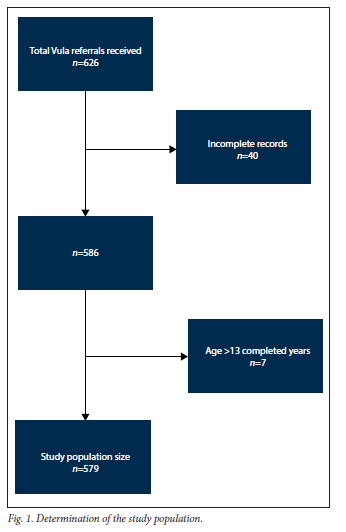
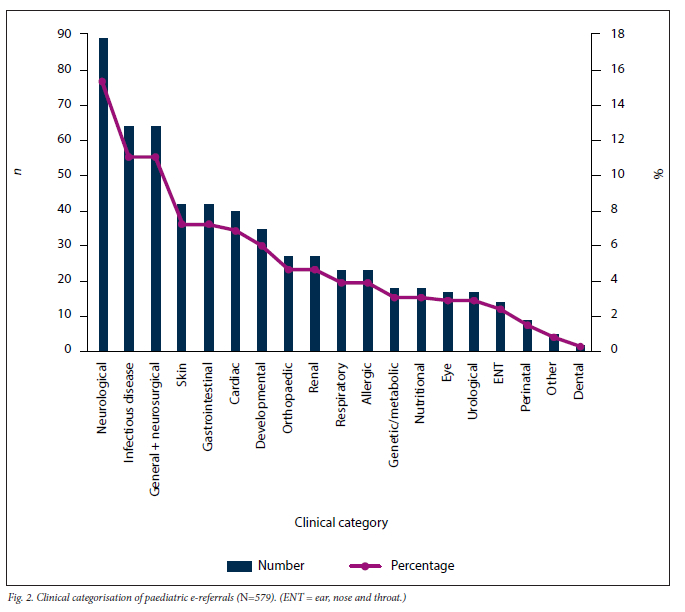
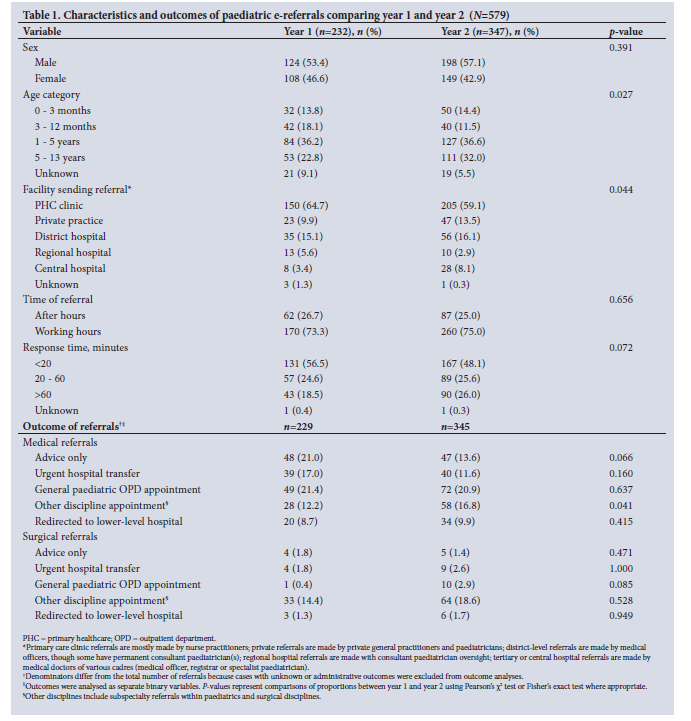
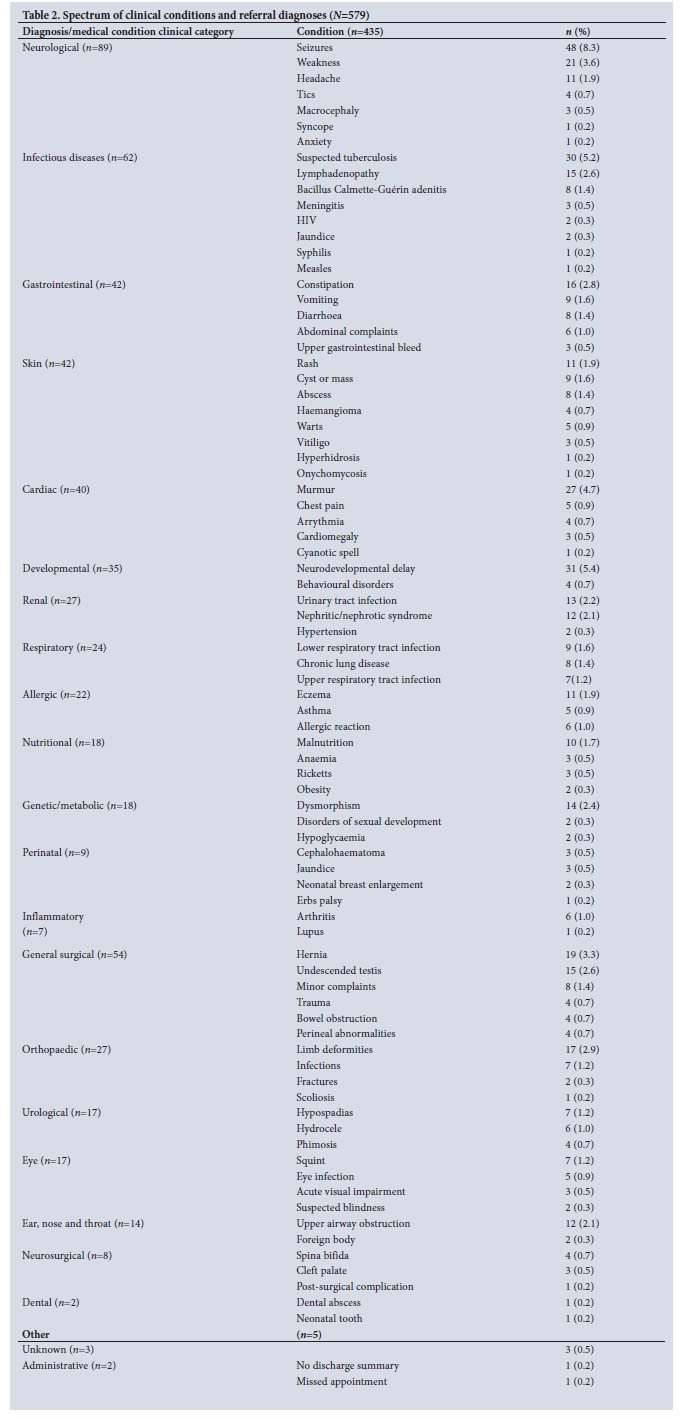
BACKGROUND. Use of electronic patient referral platforms may improve access to specialist paediatric care, but research on its implementation in resource-constrained settings is lacking. OBJECTIVES. To characterise the utilisation, participant demographics, clinical conditions and outcome of e-referrals to a South African specialist general paediatric service. METHODS. A retrospective review of e-referrals at Tygerberg Hospital's general paediatric department was performed assessing referral patterns and indications, clinical advice provided and response time (1 April 2020 - 31 March 2022). RESULTS. A total of 579 e-referrals were analysed; referral volumes increased by 50% in the second year. Most e-referrals originated from primary healthcare facilities (355/579, 61.3%) and registered professional nurses (197/355, 55.3%). Children under 5 years of age predominated (375/579, 64.7%), and a quarter of cases were referred after hours. Three-quarters were referred for medical conditions (435/579, 75.5%), most commonly neurological disorders (89/435, 20.4%) and infectious diseases (62/435, 14.3%). E-referral outcomes included: urgent emergency department transfer (92/579, 15.9%); advice for local case management (104/579, 18.0%); outpatient department bookings (132/579, 22.8%); and referral to lower levels of care (63/579, 10.9%). Most e-referrals received a response within <1 hour (444/579, 76.7%). CONCLUSION. An electronic referral platform supported a large and increasing volume of paediatric referrals, predominantly from nurses in primary care settings. The e-referral platform successfully delivered prompt access to clinical care advice and directed central hospital transfer of urgent cases. E-referral applications present a viable alternative to telephonic referrals in this setting.
paediatric; e-referral; primary healthcare; outpatient
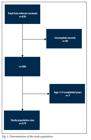 Thumbnail
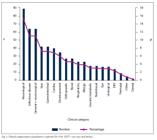 Thumbnail