The University of Cape Town Department of Medicine from 1980 to 2025: 45 years of growth, transformation and rising to challenges
G MeintjesI, II; N NtusiIII, IV; V BurchV, VI; J SeggieVII; M NtsekheVIII; M SetshediIX
IMB ChB, MPH, PhD, FCP (SA), FRCP (Glasgow); Department of Medicine, University of Cape Town, South Africa
IIMB ChB, MPH, PhD, FCP (SA), FRCP (Glasgow); Queen Mary University of London, London, United Kingdom
IIIBSc Hons, MB ChB, DPhil, MD, FCP (SA), FRCP (London), Cert. Cardiology (SA); Department of Medicine, University of Cape Town, South Africa
IVBSc Hons, MB ChB, DPhil, MD, FCP (SA), FRCP (London), Cert. Cardiology (SA); South African Medical Research Council, Cape Town, South Africa
VMBBCh, MMed, PhD, FCP (SA), FRCP (London); Department of Medicine, University of Cape Town, South Africa
VIMBBCh, MMed, PhD, FCP (SA), FRCP (London); Colleges of Medicine of South Africa, Johannesburg, South Africa
VIIBSc Hons, MD, FRCP (London), FCP (SA); Department of Medicine, University of Cape Town, South Africa
VIIIBA, MD, MPhil, PhD, FCP (SA), Cert Cardiology (SA), FACC, FESC; Department of Medicine, University of Cape Town, South Africa
IXMB ChB, FCP (SA), Cert. Gastroenterology (SA), MPH, PhD, FRCP (Edinburgh); Department of Medicine, University of Cape Town, South Africa
'Our future will be guaranteed by the quality and vision of the leaders that we leave behind as our legacy'
Prof. Bongani Mayosi
In this piece, included in the Festschrift honouring Prof. Solomon Benatar, we document the history of the University of Cape Town (UCT) Department of Medicine from when Prof. Benatar was appointed Head of the Department to the present. We reflect on how the Department has grown and transformed during a period of immense political and social change in South Africa (SA) and discuss the challenges the Department has faced and continues to face in a society that remains deeply unequal and affected by the legacies of colonialism and apartheid.
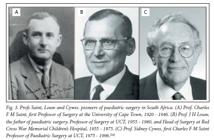
The Department of Medicine was founded at the new UCT Medical School in February 1920. Between 1920 and 1980 the Department was led by Prof. Arthur Falconer (1920 - 1938), Profs Jack Brock and Frank Forman (1938 - 1954), Prof. Brock (1954 - 1970) and Dr Stuart Saunders (1970 - 1980).[1] Since 1980, there have been five Heads of Department: Prof. Benatar (1980 - 1999), Prof. Ralph Kirsch (1999 - 2006), Prof. Bongani Mayosi (2006 - 2016), Prof. Ntobeko Ntusi (2016 - 2024) and the incumbent, Prof. Mashiko Setshedi, since 2024.
The Department in 1980: Prof. Benatar inherits a formidable Department
Prof. Benatar, appointed as Head and Chair of Department, took over from Dr Saunders in August 1980. The Chair's roles and responsibilities included several important local and national duties in which Prof. Benatar excelled. These included oversight of all university-related department responsibilities (under- and postgraduate education, research and professional standards), reporting to the Dean of the Faculty of Medicine. The associated duties as Chief Physician at Groote Schuur Hospital (GSH) included oversight of the organisation and quality of clinical medical services and professional standards in the care of patients, with accountability to the Chief Medical Superintendent. Leadership also implied serving on professional bodies, embracing consideration of broader national health issues and contesting forces adversely affecting academic medicine and population health, while advocating more equitable access to healthcare for individual patients.
The UCT Department of Medicine comprised five general medical firms at GSH (Profs Benatar and Jackson; Drs Brown, Landau and Swanepoel), the Dr Keeton firm at Somerset Hospital and speciality units each with a designated head: the Cardiac Clinic (Prof. Walter Beck), Renal Clinic (Dr Roal Van Zyl-Smit), Gastroenterology (Dr Solly Marks), Clinical Immunology, the Lupus Erythematosus Clinic and the Rheumatic Diseases Unit (Prof. Orlando Meyers), Endocrinology (Prof. Peter Jackson), Respiratory Medicine (Prof. Alex Ferguson), the MRC Ischaemic Heart Disease Research Unit and Hypertension Clinic (Prof. Lionel Opie), Liver Clinic (Profs John Terblanche and Ralph Kirsch), Porphyria Clinic (Prof. Lennox Eales), Lipid Clinic (Prof. George Watermeyer) and the Emergency Unit (Drs Geraldine Mitton and John Pugh). A new Chair of Geriatrics was established in 1980 and Prof. Peter de V Meiring, appointed in 1981 as the Inaugural William Slater Chair of Geriatrics, established the Gerontology Unit. Altogether, there were 33 full-time physicians, 29 part-time physicians, 43 registrars, 12 senior house officers and 21 interns. Prof. Kirsch was appointed to the position of Second Chair in 1983, playing a highly valued supportive role in leadership across many departmental activities.
Prof. Benatar's leadership: 1980 - 1999
One of the key challenges faced through the 1980s was the rebuilding of the Department's staffing following the exodus of physicians from SA in the 1970s. In the 1980s, racial segregation and injustice related to apartheid still permeated every aspect of SA society, including the Department of Medicine and its work (see 'Apartheid in our society, hospital and university' below). There were frequent staff and student protests against apartheid repression.
Prof. Benatar worked with the heads of the speciality units to support and foster their independence, while striving to sustain their loyalty to and cohesion with the rest of the Department. This included some subspecialists taking on generalist roles in medical firms.
During the 1980s, intense planning and building of the New GSH (from 1983) led to the relocation of the Department's administrative offices and research laboratories into the GSH Old Main Building and the speciality units and clinical beds/wards into the new facility, completed by 1988.
The Department of Neurology formally joined the Department of Medicine in 1986, with Dr Derek Philcox as the acting head. A new Chair of Gastroenterology was established in 1987 with Prof. Solly Marks the first incumbent. Through the 1980s, the patient workload increased, the scope of subspeciality unit work expanded, and the number of full-time physicians increased from 33 in 1980 to 45 in 1989 and the number of registrars increased from 43 to 50. The Liver Unit (which became the Division of Hepatology) had been established in 1965 by Dr Saunders and Prof. Terblanche, who together founded the MRC/UCT Liver Research Centre and the Liver Clinic at GSH. This division, together with the transplant surgeons, critical care and anaesthesiology, pioneered liver transplantation in SA, performing the first orthotopic liver transplant in SA in 1989. The Lennox Eales Porphyria Laboratory, under Prof. Peter Meissner, discovered the R59W mutation, the founder gene defect associated causally with variegate porphyria, in 1996.[2] Another notable achievement was the roll-out of universal hepatitis vaccination for newborns (at 6, 10 and 14 weeks) in April 1995, which followed extensive engagement by Prof. Kirsch with the National Department of Health and has led to a significant national decline in hepatitis B maternal to child transmission.[3]
In 1984, an informal multidisciplinary bioethics unit was established. Five faculty-wide bioethics symposia were held between 1985 and 1996, a bioethics consultation service was implemented, and a national bioethics course was held in 1993. In 1992, the UCT Bioethics Centre was formally established within the Department of Medicine.
In 1988, Distinguished Physician Awards were presented to dedicated part-time physicians who had served for over 20 years. In 1997, similar awards were made to distinguished family practitioners. These occasions recognised the valuable roles that private colleagues played in the clinical and academic life of the Department, a contribution that has sadly been lost due to budget constraints.
The late 1980s and 1990s were characterised by serious fiscal challenges resulting in the number of beds in the Department of Medicine remaining static at approximately 300 (excluding the emergency unit) in the New GSH. Admission criteria, therefore, became more stringent, with only the sickest patients admitted and pressure to discharge patients in shorter time periods. The financial cutbacks also resulted in staff losses in the mid-1990s, the consequences of which were highlighted by Prof. Benatar in academic journals[4-7] and many articles in the lay press (op-eds in the Cape Argus and Cape Times).[8,9]
During this period, research flourished within all the disciplines of the Department of Medicine. Clinically based research recorded and analysed local experience, studying several conditions in great depth with laboratory support (for example, inflammatory bowel diseases, peptic ulcer disease, rheumatic heart disease, coronary artery disease, pericardial disease, osteoporosis, rheumatoid arthritis, systemic lupus erythematosus and fibrogenesis in lung diseases). Other studies investigated outcomes after intensive care unit admission and after coronary artery revascularisation procedures, new treatments for myocardial infarction including thrombolysis, and new drugs for hypertension and immunosuppression in transplantation. Metabolic studies focused on somatostatin, branch chain amino acids in liver disease and many more areas of enquiry. Epidemiology studies covered generational studies of familial and genetic disorders, and the risk of death from asthma. The numbers of publications each year between 1981 and 1998 ranged between 16 and 27 books and book chapters, and between 94 and 192 peer-reviewed articles in a wide variety of journals including Nature, New England Journal of Medicine, Lancet and British Medical Journal.
The adage 'from the bedside to the laboratory and back to the bedside' encouraged clinicians to take questions that arose in the clinical context and to pursue these in depth through scientific enquiry, towards better understanding the pathophysiology and potentially devising new treatments and diagnostics to bring back to the 'bedside'.
Prof. Kirsch's leadership: 1999 - 2005
Prof. Kirsch led the Department during a challenging period when the health system was facing budget constraints and shifts in resources away from academic medicine. He fought hard for resources at a national and provincial level and, with his affable leadership style, worked to maintain morale and cohesion despite the many challenges the Department faced. He was also generous in supporting broader initiatives within the UCT Faculty of Health Sciences including, the undergraduate curriculum renewal processes.
It was during this period that GF Jooste Hospital, located in Manenberg, developed into a fully functioning acute hospital with a department of medicine that served the surrounding communities of over 1 million people. The hospital provided a dynamic undergraduate and postgraduate clinical teaching platform, alongside the long-established platforms at Victoria Hospital and New Somerset Hospital. GF Jooste was decommissioned and closed in 2013, replaced in terms of service provision and clinical teaching by Mitchells Plain Hospital (affiliated with UCT) and Khayelitsha Hospital (affiliated with Stellenbosch University).
The UCT Lung Institute was established in 1999 under the directorship of Prof. Eric Bateman, as a wholly owned subsidiary of UCT affiliated with the Department. Over the past 26 years, it has grown into a major contributor to international research in the fields of pulmonology, tuberculosis (TB) and allergy, contributing substantially to the Department's scientific output. The UCT Knowledge Translation Unit (KTU) was founded in 2005, affiliated with the Department, initially within the Lung Institute. Its vision is to improve the quality of primary healthcare through pragmatic research, evidence-based implementation, evaluation and engagement with health service planners, providers and communities. The KTU has led evidence-based clinical guideline development in SA and many other countries across the world over the last two decades.[10,11]
Prof. Mayosi's leadership: 2006 - 2016
Prof. Mayosi led the Department for 10 years before taking up the position of Dean of the Faculty of Health Sciences in 2016. This was a period of significant growth and innovation within the Department across multiple domains, well documented in the publication 'A week in the life' published in 2014.[12] In the introduction to that publication, Prof. Mayosi used seven Ps to describe the work of the Department: the People, the Patients, the Pupils, the Programmes, the Papers, the Pounds and the Prizes. During this period, the staffing of the Department grew through increases in research-funded posts such as the South African Research Chairs Initiative (SARChI) chairs, other research grant-funded positions, and through Department of Higher Education and Training (DoHET)-funded teaching posts.
It was also a period of significant demographic transformation in terms of the divisional leadership, staff and trainees. Research income increased substantially, and the annual publication count increased from 136 in 2006 to 377 in 2013, including publications in Lancet, New England Journal of Medicine and Circulation. The Department worked in collaboration with colleagues from other departments to establish the intercalated MB ChB/BSc Med (Hons) and MB ChB/PhD programmes.[13]
Patients remained the central focus of the Department, as Prof. Mayosi wrote in 2014: 'The excellent people who work in the Department of Medicine are consumed by one priority: the patient. The patient is the beginning and end of our work - be it in service provision, research, teaching or administration'.[12] This included the public opposition to proposed bed cuts in 2007 that the Department, with others, worked to reverse.[14] The relatively young age of patients admitted to medical wards and patient outcomes were profiled in two publications during this period.[15,16]
During this period, the Department also established a significant footprint in Africa, participating in and leading multicountry research studies such as the Investigation of the Management of Pericarditis (IMPI) trial in tuberculous pericarditis. The Department also initiated specialist training initiatives for doctors from other African countries. Over the last two decades, over 100 registrars and senior registrars from many other African countries have undertaken training at UCT in the Department of Medicine and its subspecialities, including through a well-established partnership with the University of Botswana.
The Bioethics Centre made a major contribution to reducing potentially exploitative research globally during the early HIV era through innovative ideas that were incorporated into the Declaration of Helsinki and the Council for International Organizations of Medical Sciences (CIOMS) guidelines. Ten years of Fogarty International Center funding for an International Research Ethics Network diploma course that trained 97 members of research ethics committees from eight southern African countries empowered this region to reduce injustices associated with early HIV research. Sensitivity to the social determinants of health as powerful forces shaping the health of whole populations led to extending the bioethics discourse beyond interpersonal ethics to include public health, global health and planetary health ethical considerations.[17]
A new Division of Infectious Diseases and HIV Medicine was launched in 2007. In 2010, the Department's previous head, Prof. Kirsch, passed away at the age of 69.
Prof. Vanessa Burch and innovations in medical education
In the 2000s, important innovations within the education platforms were implemented, led by Prof. Burch, who served as Second Chair of Medicine from 2008 to 2018. The aim of these innovations was to adapt to challenges in the clinical setting and align with contemporary teaching practice. Increasing student numbers, resource limitations and service pressures with increasing patient numbers necessitated novel approaches. These included increasing the involvement of secondary hospitals in the teaching platform, increasingly taking formative assessment to the bedside with feedback provided in real-time, and moving from a disease-focused to a problem-based approach. Key priorities were to maintain excellence in the teaching of clinical skills to students, for which the Department has a well-established reputation, and developing the next generation of bedside clinician teachers.
There was also a concerted effort to develop the scholarship of teaching and learning, prioritising skills development in curriculum design and assessment practices. Initiatives were underpinned by the collection and analysis of data on student performance, experience and throughput.
Prof. Ntusi's leadership: 2016 - 2024
Prof. Ntusi took over as Head of Department in late 2016, after Prof. Gary Maartens had been acting head from 2015 to 2016, during Prof. Mayosi's sabbatical at Harvard University. Prof. Vanessa Burch, the Second Chair, took up a position as the Executive Director of Education and Assessment for the Colleges of Medicine in 2018. Prof. Graeme Meintjes served as Second Chair and Deputy Head from 2020 to 2024. The Department faced multiple crises during Prof. Ntusi's tenure, including ongoing student protest movements, sustained funding cuts to the secondary and tertiary hospitals, and the global COVID-19 pandemic, which is discussed below. In addition, both the university and faculty witnessed multiple leadership changes at executive level.
The disruptive effects of these crises on all facets of departmental activity and on the mental health of students and staff were profound. The COVID-19 pandemic was particularly damaging to staff morale, as was the period of financial austerity that followed, with the Department unable to fill vacant posts for medical officers, registrars and consultants. Leadership during this period involved navigating the crises, fostering kindness and respect towards one another, and maintaining a continued ability to adapt and pivot in response to unpredictable circumstances. During this period, two of the previous heads of department passed away, Prof. Mayosi in 2018, prematurely and under tragic circumstances, and Dr Saunders in 2021 at the age of 89.
Despite these many challenges, the Department continued to grow and excel in all areas of competence during the tenure of Prof. Ntusi. Significant funding was raised to grow the reserves of the Department. At the same time, funds were raised externally for the refurbishment of seminar rooms, several outpatient clinics and registrar spaces in the hospital. The Department witnessed the awarding of several extramural units by the SA Medical Research Council, and it continued to increase its research outputs with more than 450 articles published in several years. For the entire 8 years of Prof. Ntusi's tenure, the Department of Medicine was the most transformed department at UCT, and continued to improve on equity targets during this period. The COVID-19 pandemic inspired significant constructive changes in the approach to undergraduate medical education.
Prof. Setshedi's leadership: 2024 - present
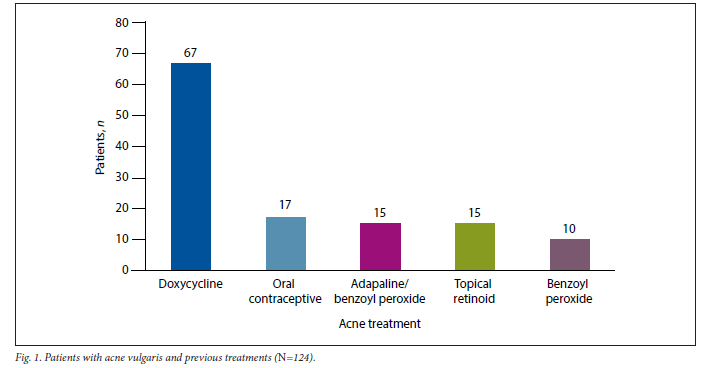
Prof. Setshedi took over as Head of Department in 2024, following Prof. Ntusi's appointment as President and Chief Executive Officer of the SA Medical Research Council. She is the first woman head of the Department in its 105-year history. The Department today is a complex multidimensional organisation (Fig. 1) providing clinical care across GSH and four secondary hospitals (Mitchells Plain, New Somerset, Victoria and George), support to primary care colleagues, undergraduate teaching in the MB ChB programme from year 3 to year 6, postgraduate clinical training in the Medicine speciality and multiple subspecialities and postgraduate degree programmes, and with a large number of affiliated research units. Members of the Department contributed to 431 peer-reviewed publications in 2024.
In October 2025, the Department held its 50th Annual Research Symposium, an event that showcases the scientific outputs of the Department. This landmark occasion provided the opportunity to reflect on the Department's many highly impactful contributions to global medical science over the last half-century, and included a reflective address by Prof. Benatar. The Department has also run a physicians' refresher course for many years, which was recently renamed the Physicians Conference and is now held biannually and jointly organised with the Department of Medicine of Stellenbosch University.
The challenges confronted by the Department over the last 45 years
Apartheid in our society, hospital and university
In 1980, South Africans lived under apartheid with racial inequality legislated and institutionalised in healthcare, education and every aspect of life. The Department's consultant staff was almost exclusively white and predominantly male. Between 1959 and the mid-1980s, black African SA students could only be admitted to UCT if they received government permission to attend a 'white' university, which effectively barred them from entry. While this legislation did not apply to people classified as coloured and Indian, their studies at UCT were deeply affected by apartheid legislation. The medical wards were racially segregated, with resultant negative effects on patient care, and educational opportunities were biased in favour of white South Africans. The 1980s were a period of intense political resistance and suppression that characterised the last years of white minority rule, culminating in the unbanning of the African National Congress, the Pan Africanist Congress of Azania and other resistance organisations in 1990 and the first democratic election in 1994, with the adoption of a new constitution in 1996. The apartheid years were associated with a mass exodus of physicians who chose to emigrate to countries like the USA, the UK, Canada, Australia and New Zealand. Many others were forced by the apartheid government to leave the country. Most prominent among these was Dr Raymond Bill Hoffenberg, an endocrinologist who was forced to leave in 1968 with an order to never return. He settled in the UK, became a professor of medicine at Birmingham University in 1972, President of the Royal College of Physicians from 1983 to 1989 and President of Wolfson College, Oxford University in 1985.
During the 1980s and 1990s, the Department of Medicine emerged from a context in which injustice was perpetrated in the society at large, including at UCT, in GSH, affiliated hospitals and within the Department itself. Students and staff members actively resisted and protested against this, demanding change. Perez and London reflect on this period: 'UCT and its health science faculty was both an institution with a track record of strong staff opposition to apartheid practices, yet at the same time, incorporated policies and practices that reinforced discrimination and perpetuated feelings of hurt, anger and isolation in its black students. This paradox should not be surprising, as it reflects the particular contradictory space occupied by many liberal institutions during apartheid, as well as the bureaucratic tendency to social conformity in large organisations'.[18]
Students protested publicly in the 1980s against the racial segregation of GSH and the administration's enforcement thereof, as well as initial plans for the new hospital to remain segregated. The definitive history of GSH reflects on both the complicity with and resistance of the hospital and its departments to apartheid policies.[19]
The first black member of the GSH consultant staff was appointed in 1979 (Prof. Bryan Kies in the Department of Neurology). Only in 1986 were the medical wards racially integrated and the Department played a role in motivating other departments to do the same. The GSH Chief Medical Superintendent at that time (Dr Hannah-Reeve Sanders) played a principled leadership role in standing up to the apartheid government to ensure an end to racial segregation in the hospital. The whites-only sign to the entrance of the GSH emergency unit was removed in 1988. The 1990s saw an increasing number of black students being admitted to study as undergraduate students and train as registrars at UCT. This was facilitated by the Kaiser Foundation-funded Medical Education for SA Blacks (MESAB) initiative.[20]
Some members of the Department were vocal in their opposition to the crimes of apartheid, exemplified by Prof. Frances Ames and a group of colleagues in relation to Steve Bantu Biko's murder. In 1980, the South African Medical and Dental Council (SAMDC) exonerated the district surgeons implicated in Biko's death (Tucker and Lang) of any wrongdoing or disgraceful conduct. In response to this, Prof. Ames and colleagues demanded a full inquiry into Biko's death, as well as a clear statement from the SAMDC about the duties of doctors to their patients. When the demand was rejected by the SAMDC, the group applied for a Supreme Court order to force a full inquiry. After a drawn-out process, Prof. Ames was granted the order, and in 1985 Tucker was struck off the SAMDC roll and Lang reprimanded.[21] Both Prof. Ames and Prof. Peter Folb made submissions to the Truth and Reconciliation Committee (TRC). In her submission, Prof. Ames noted her dismay that many senior colleagues had been unwilling to support the fight to ensure justice in relation to Biko's murder and the role played by medical professionals.[22] In his submission to the TRC about abuses of human rights, Prof. Benatar advised that failure to develop more equitable healthcare services would in time be seen as the most important apartheid legacy of structural abuse of human rights.[23]
The enduring effects of apartheid after 1994
Inevitably, SA society, emerging from centuries of colonialism and apartheid, would have to contend with the enduring legacies of that period in terms of inequality, racism and unfair access to opportunity for many years after the political transition. Every institution in our society has faced these challenges over the last three decades and the UCT Department of Medicine is no exception. The challenge of truly transforming the Department to ensure its members reflect the demographics of South Africa, that its institutional culture has overcome explicit and implicit racism, and that it is a home for all remains a work in progress. Major progress has been made over the last 30 years. Although the consultant and academic staff remain disproportionately white and male, the Department has been acknowledged by UCT as among the leading departments with regards to progress with tracked indices of demographic transformation and efforts to foster a culture of inclusivity, respect and being a welcoming home for all. It is a priority for the Department that students and staff feel fairly treated regardless of race, gender, religion or sexual orientation.
In broader society, the racialised economic and spatial inequality that persist in the communities we serve shapes the Department's challenges in terms of providing appropriate and equitable clinical services to tackle diseases of poverty, particularly the TB epidemic. Poor communities in Cape Town have some of the highest community TB incidence rates in the world.
The legacy of apartheid has also shaped dynamics within the university, with financial hardships faced by students from poor households and a change-resistant colonial institutional culture at the university among several issues that gave rise to the student protest movements from 2015 to 2018 ('Rhodes Must Fall' and 'Fees Must Fall'). Student-led demands for change and campus-wide major disruptions to teaching and learning culminated in changes at the university and a period that has been characterised by a commitment to curriculum and culture transformation and the use of more context-appropriate epistemological and pedagogical approaches that centre Africa and its people.
The HIV and TB epidemics
The HIV epidemic grew rapidly in SA through the 1990s, with HIV seropositivity among pregnant women increasing from less than 1% in 1990 to 25% in 2000.[24] By the early 2000s, the medical wards at GSH and secondary hospitals, particularly GF Jooste Hospital, were admitting hundreds of patients with HIV each month who had opportunistic infections and malignancies. Many of these patients were young adults and in-hospital mortality rates were high. Long-term prognosis was poor due to the unavailability of antiretroviral treatment (ART) in the public sector until 2004. The Hannan Crusaid ART Clinic in Gugulethu, established by members of the Department, was one of the first to provide ART to public sector patients and helped establish protocols for the public sector programme that was finally launched after government delays in 2004.[25] The national programme is now the largest in the world, with over 6 million people on ART. However, the Department continues to manage large numbers of inpatients with complications of advanced HIV, often due to disengagements from HIV care.[26]
The HIV epidemic also led to a resurgence of TB in SA, with TB incidence rates increasing more than threefold prior to ART scale-up.[27] Research centres affiliated with the Department of Medicine (the Desmond Tutu HIV Centre, the Wellcome Centre for Infectious Diseases Research in Africa and the Centre for Lung Infection and Immunity) have contributed to UCT being one of the pre-eminent research institutions in the world in the fields of HIV and TB, with major contributions to knowledge, guidelines and product development across HIV treatment and prevention, drug-resistant TB, HIV-associated TB, TB aerobiology, TB screening and diagnostics, and pathogenesis research.[27-37]
The COVID-19 pandemic
In 2020, the year of the 100th anniversary of the Department, the world faced the COVID-19 pandemic, and communities across Cape Town were severely affected by the first, second and third waves of the pandemic from early 2020 to mid-2021, with massive loss of life due to severe pneumonia and other complications. At GSH, members of the Department worked with colleagues from other departments to establish a combined response that involved rapid and profound reorganisation of the clinical services to manage the large patient numbers during the peak of the waves. Patients were treated according to severity and triage criteria across intensive care units, high-flow nasal oxygen wards and general wards.[38-41]
Parallel approaches were developed across our secondary hospitals. In total, there were 6 500 admissions for COVID-19 pneumonia at GSH, and 9 300 across our secondary hospitals, over three waves (personal communication, Western Cape Data Centre). This was a particular strenuous time for staff in the Department, particularly the registrars, but through collective effort the response was successful in saving the lives of 1 000s of people with severe complications of the infection. The Department also played a key role in SARS-CoV-2 surveillance, clinical and immunological studies, and the evaluation of vaccines through leadership and involvement in clinical trials and subsequent provision to healthcare workers of the Johnson and Johnson vaccine through the phase IV Sisonke trial.[42] The Department hosted a weekly webinar on the Project ECHO (Extension for Community Healthcare Outcomes) platform to disseminate accumulating knowledge of the virus, its presentation, its management, and prevention issues.
An increasing burden of non-communicable diseases
Hidden behind the devastating effects of HIV and TB has been a growing burden of cardiovascular disease, diabetes, chronic lung disease, chronic kidney disease, cancer and mental health disorders - collectively referred to as non-communicable diseases (NCDs). NCDs and their related risk factors now dominate the list of age-standardised risk attributable causes of premature mortality and morbidity in SA.[43]
Perhaps not surprisingly, one of the legacies of the world's first heart transplant being performed at GSH in 1967 was the creation of a national hub of cardiovascular disease research excellence, service innovation and capacity building at UCT. Led by members of the Department of Medicine, UCT has made, and continues to make, important and effective contributions to efforts to address the nation's cardiovascular disease challenges. Prof. Lionel Opie and the Hatter Institute led key research on cardiac conditions and therapeutic mechanisms, producing one of the most widely read medical textbooks globally, 'Drugs for the Heart', now in its eighth edition. The Cape Heart Institute continues to make major contributions in the field of cardio-obstetrics and maternal cardiac disorders. Prof. Mayosi and the Mayosi Research Group led pan-African clinical research programmes to determine the genetic causes of heart muscle disorders on the continent and address the burden and poor outcomes of TB pericarditis and rheumatic heart disease, two endemic neglected, lethal diseases that affect predominantly impoverished African communities. In 2017, a research team led by Prof. Mayosi, in the culmination of years of work, announced the discovery of a mutation in the CDH2 gene that causes arrhythmogenic right ventricle cardiomyopathy, an important cause of sudden death in athletes.[44]
Department researchers later provided the first report of a POLG mutation as a cause of arrhythmogenic cardiomyopathy.[45] The Division of Lipidology contributed to major breakthroughs in the treatment of familial hypercholesterolaemia a legacy of a genetic founder effect from the country's Dutch settlers - and other inherited disorders of lipid metabolism. Prof. Ntusi established the first clinical and research facility for cardiovascular magnetic resonance imaging in the country.
The adult prevalence of diabetes in SA is now 7 - 15% and increasing.[46,47] The Division of Endocrinology opened a new Diabetes Centre at GSH in 2022 with private-sector support. The Centre provides specialist and holistic diabetes care and education, as well as outreach support to strengthen primary and secondary level diabetes care. It complements the work of the Chronic Disease Initiative for Africa in which the Department collaborates with other African institutions.
Over the last two decades, there has been substantial modernisation of the tertiary and quaternary clinical services offered by the subspecialty Divisions that now include a wide spectrum of state-of-the-art diagnostic, therapeutic, device and procedural interventions. A few exemplars include bronchial thermoplasty and endobronchial ultrasound lymph node biopsy in Pulmonology, penicillin allergy desensitisation in Allergology and Clinical Immunology, double-balloon enteroscopy and endoscopic ultrasound in Gastro-enterology, haploidentical stem cell transplants in Clinical Haematology, the epilepsy surgery programme (in collaboration with Neurosurgery) and neurophysiology laboratory in Neurology, and the MitraClip procedure in Cardiology.
Delivering on its mandates in times of fiscal austerity
Chronic under-resourcing of healthcare services in relation to need is a worldwide reality. The Department has had to deal with this over the last five decades with periods when budgets have been significantly cut. These budget cuts have resulted in contractions in staffing and clinical services and have profoundly affected the capacity of the Department to continue to offer the same level of clinical care to patients. All the while, the population we serve has increased in size and the burden of both communicable disease and NCD has increased substantially. The Cape Town population size has increased from 1.6 million in 1980 to 5 million in 2025, without a proportionate growth in public sector hospital services. During the mid-1990s, there was a period of fiscal austerity as the new government reorientated funding to primary care, resulting in major cuts in skilled staffing and hospital beds in Western Cape Province. For example, between March 1995 and June 1997, hospital beds in the province decreased from 14 709 to 12 128.[8] Prof. Benatar highlighted the challenges and downstream risks of erosion of academic medicine and training in a series of op-eds in local newspapers during this time.[8,9] Further periods of budget cuts over the last three decades and their consequences have been highlighted in the public domain by the Department. In 2007, Prof. Mayosi and Prof. Del Khan of the Department of Surgery highlighted the severity of GSH budget cuts and their consequences in a public statement,[14] and this was again highlighted by Prof. Ntusi and leaders from other departments in 2024.[48]
In response to budget constraints, the Department has developed frameworks for rational and fair allocation of limited resources such as the renal replacement therapy programme drawing on the Accountability for Reasonableness (A4R) framework.[49,50]
Taking stock and looking to the future
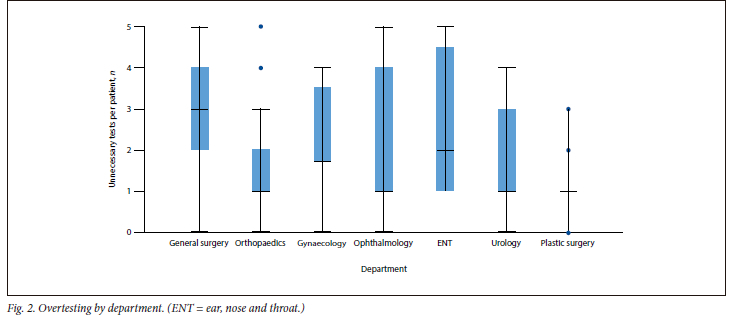
Prof. Benatar took over a Department of Medicine in 1980 that had a proud history as one of the key actors in establishing academic medicine in SA, under the leadership of four heads of Department before him. Under Prof. Benatar's leadership from 1980 to 1999, the Department grew substantially and navigated the transition from a society and health system under apartheid into a new democratic South Africa with a new health system that aspired to equity and access embodied in the new national constitution. Since 1999, the Department has been led by Profs Kirsch, Mayosi, Ntusi and Setshedi (Fig. 2). It has continued to grow and transform, rising to the challenges posed by a succession of crises of funding, student protests, and the HIV and COVID-19 pandemics. It has contributed substantially to global research (Tables 1 - 3), most notably in the fields of HIV and TB. It has also been a bastion of excellence in the clinical care that it provides to the patients and communities it serves, as well as in teaching the next generation of clinicians and in leading innovations in clinical teaching and educational assessment.
Since 1999, Prof. Benatar has remained a loyal and highly valued member of the Department, initially as Second Chair of Medicine (1999 - 2007) and thereafter as Emeritus Professor and Senior Scholar. He has maintained a keen interest in developments within the Department, offering mentorship, counsel and moral support to its members and leaders, and continuing to contribute in many other ways, for which we are deeply indebted.
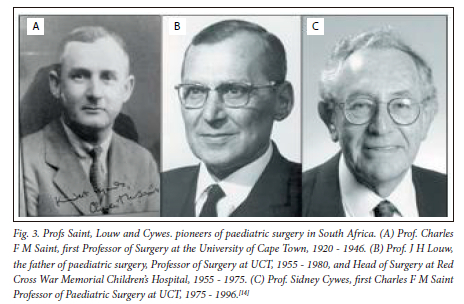
The Department's work and success has been enabled through the leadership of the Divisions and research units and of the consultants throughout the various Divisions (Fig. 3). Special mention should be made of the medical registrars and senior registrars in the subspecialties who have been the backbone of the clinical service over the decades and who served at the frontline during the COVID-19 response. The nursing staff who have served in the wards and clinics of our hospitals and the administrative staff who have served in each of the domains of the Department have also been integral to its success. We also wish to acknowledge the contributions of our soft-funded researchers and the Professional, Administrative Support and Service (PASS) staff, and we value the collegial relationships and support we enjoy from the Faculty of Health Sciences, other departments and management of our hospitals.
During the 45 years covered in this review, the Department has grown, transformed and responded with resilience to a range of challenges that appeared seemingly insurmountable at the time, by adapting and overcoming rather than being defeated. It remains one of the leading academic departments of medicine in the world. The Department looks to the future, continuing its daily work of developing the next generation of clinicians and academic leaders, and conducting research with local and global influence, while serving the communities of Cape Town and beyond.
Declaration. None.
Acknowledgements. We thank Prof. Solomon Benatar for providing historical documentation and verifying information for this article.
Author contributions. All authors were involved in conceptualising the article. GM wrote the first draft of the manuscript. All authors provided inputs and edits and reviewed the final version.
Funding. None.
Conflicts of interest. None.
References
-
1. Mayosi BM. The UCT Department of Medicine at 90 years: Continuity and change. S Afr Med J 2010;100(9):548. https://doi.org/10.7196/SAMJ.4379
» https://doi.org/10.7196/SAMJ.4379 -
2. Meissner PN, Dailey TA, Hift RJ, et al. A R59W mutation in human protoporphyrinogen oxidase results in decreased enzyme activity and is prevalent in South Africans with variegate porphyria. Nat Genet 1996;13(1):95-97. https://doi.org/10.1038/ng0596-95
» https://doi.org/10.1038/ng0596-95 -
3. Spearman CW, Afihene M, Ally R, et al. Hepatitis B in sub-Saharan Africa: strategies to achieve the 2030 elimination targets. Lancet Gastroenterol Hepatol 2017;2(12):900-909. https://doi.org/10.1016/s2468-1253(17)30295-9
» https://doi.org/10.1016/s2468-1253(17)30295-9 -
4. Benatar SR. Medicine and health care in South Africa. N Engl J Med 1986;315(8):527-532. https://doi.org/10.1056/nejm198608213150829
» https://doi.org/10.1056/nejm198608213150829 -
5. Benatar SR. Health care reform in the new South Africa. N Engl J Med 1997;336(12):891-895. https://doi.org/10.1056/nejm199703203361224
» https://doi.org/10.1056/nejm199703203361224 -
6. Benatar SR. Health care reform and the crisis of HIV and AIDS in South Africa. N Engl J Med 2004;351(1):81-92. https://doi.org/10.1056/nejmhpr033471
» https://doi.org/10.1056/nejmhpr033471 -
7. Mayosi BM, Benatar SR. Health and health care in South Africa - 20 years after Mandela. N Engl J Med 2014;371(14):1344-1353. https://doi.org/10.1056/nejmsr1405012
» https://doi.org/10.1056/nejmsr1405012 - 8. Benatar S. 'Quick-fix' solutions are damning medical care. Cape Argus, 18 November 1997.
- 9. Benatar S. Troubling questions on new Groote Schuur. Cape Argus, 8 June 1990.
-
10. Cornick RV, Petersen I, Levitt NS, et al. Clinically sound and person centred: streamlining clinical decision support guidance for multiple long-term condition care. BMJ Glob Health 2024;9(Suppl 3):e013816. https://doi.org/10.1136/bmjgh-2023-013816
» https://doi.org/10.1136/bmjgh-2023-013816 -
11. Simelane ML, Georgeu-Pepper D, Ras CJ, et al. The Practical Approach to Care Kit (PACK) training programme: scaling up and sustaining support for health workers to improve primary care. BMJ Glob Health 2018;3(Suppl 5):e001124. https://doi.org/10.1136/bmjgh-2018-001124
» https://doi.org/10.1136/bmjgh-2018-001124 - 12. UCT/GSH Department of Medicine. A week in the life of the UCT/GSH Department of Medicine: preparing for the next 100 years. Cape Town: UCT Libraries Press; 2014.
-
13. Katz AA, Futter M, Mayosi BM. The intercalated BSc (Med) Honours/MB ChB and integrated MB ChB/PhD tracks at the University of Cape Town: Models for a national medical student research training programme. S Afr Med J 2014;104(2):111-113. https://doi.org/10.7196/samj.7639
» https://doi.org/10.7196/samj.7639 -
14. Caelers, D. Top docs blow whistle on huge hospital cuts. IOL, 2007. https://iol.co.za/news/south-africa/2007-02-24-top-docs-blow-whistle-on-huge-hospital-cuts/ (accessed 1 September 2025).
» https://iol.co.za/news/south-africa/2007-02-24-top-docs-blow-whistle-on-huge-hospital-cuts/ -
15. Stuart-Clark H, Vorajee N, Zuma S, et al. Twelve-month outcomes of patients admitted to the acute general medical service at Groote Schuur Hospital. S Afr Med J 2012;102(6):549-553. https://doi.org/10.7196/samj.5615
» https://doi.org/10.7196/samj.5615 -
16. Myer L, Smith E, Mayosi B. Medical inpatient mortality at Groote Schuur Hospital. S Afr Med J 2013;103(1):28-31. https://doi.org/10.7196/samj.6285
» https://doi.org/10.7196/samj.6285 - 17. Benatar S, Brock G, eds. Global Health: Ethical Challenges. 2nd ed. Cambridge: Cambridge University Press; 2021.
- 18. Perez G, London L. Forty-five years apart - confronting the legacy of racial discrimination at the University of Cape Town. S Afr Med J 2004;94(9):764-770.
-
19. Folb P. At the Heart of Healing: Groote Schuur Hospital 1938 - 2008. S Afr Med J 2009;99(3):156-157. https://doi.org/10.1093/SHM/HKP091
» https://doi.org/10.1093/SHM/HKP091 - 20. Van Niekerk JP. MESAB: 21 years of bursaries for black medics. S Afr Med J 2006;96(7):565.
-
21. South African History Online. Frances Rix Ames. https://sahistory.org.za/people/frances-rix-ames (accessed 30 August 2025).
» https://sahistory.org.za/people/frances-rix-ames -
22. University of Cape Town. Truth and reconciliation: a process of transformation at UCT Health Sciences Faculty. NRF Project Report 15/1/3/21/0022. Cape Town: University of Cape Town; n.d. https://health.uct.ac.za/sites/default/files/media/documents/health_uct_ac_za/2754/transformation-in-the-hsf-final-report.pdf (accessed 12 June 2026).
» https://health.uct.ac.za/sites/default/files/media/documents/health_uct_ac_za/2754/transformation-in-the-hsf-final-report.pdf -
23. Van Rensburg HCJ, Benatar SR. The legacy of apartheid in health and health care. S Afr J Sociol 1993;24(4):99-111. doi:10.1080/02580144.1993.10431680
» https://doi.org/10.1080/02580144.1993.10431680 -
24. Abdool Karim SS, Abdool Karim Q. HIV/AIDS in South Africa. 2nd ed. Cambridge: Cambridge University Press; 2010. http://doi.org/10.1017/CBO9781139062404
» http://doi.org/10.1017/CBO9781139062404 - 25. Bekker LG, Myer L, Orrell C, Lawn S, Wood R. Rapid scale-up of a community-based HIV treatment service: programme performance over 3 consecutive years in Guguletu, South Africa. S Afr Med J 2006;96(4):315-320.
-
26. Euvrard J, Timmerman V, Keene CM, et al. The cyclical cascade of HIV care: Temporal care engagement trends within a population-wide cohort. PLoS Med 2024;21(5):e1004407. https://doi.org/10.1371/journal.pmed.1004407
» https://doi.org/10.1371/journal.pmed.1004407 -
27. Meintjes G, Maartens G. HIV-associated tuberculosis. N Engl J Med 2024;391(4):343-355. https://doi.org/10.1056/nejmra2308181
» https://doi.org/10.1056/nejmra2308181 -
28. Bekker LG, Das M, Abdool Karim Q, et al. Twice-yearly lenacapavir or daily F/TAF for HIV prevention in cisgender Women. N Engl J Med 2024;391(13):1179-1192. https://doi.org/10.1056/nejmoa2407001
» https://doi.org/10.1056/nejmoa2407001 -
29. Peter JG, Zijenah LS, Chanda D, et al. Effect on mortality of point-of-care, urine-based lipoarabinomannan testing to guide tuberculosis treatment initiation in HIV-positive hospital inpatients: A pragmatic, parallel-group, multicountry, open-label, randomised controlled trial. Lancet 2016;387(10024):1187-1197. https://doi.org/10.1016/s0140-6736(15)01092-2
» https://doi.org/10.1016/s0140-6736(15)01092-2 -
30. Theron G, Zijenah L, Chanda D, et al. Feasibility, accuracy, and clinical effect of point-of-care Xpert MTB/RIF testing for tuberculosis in primary-care settings in Africa: A multicentre, randomised, controlled trial. Lancet 2014;383(9915):424-435. https://doi.org/10.1016/s0140-6736(13)62073-5
» https://doi.org/10.1016/s0140-6736(13)62073-5 -
31. Dinkele R, Gessner S, McKerry A, et al. Aerosolisation of Mycobacterium tuberculosis by tidal breathing. Am J Respir Crit Care Med 2022;206(2):206-216. https://doi.org/10.1164/rccm.202110-2378oc
» https://doi.org/10.1164/rccm.202110-2378oc -
32. Patterson B, Dinkele R, Gessner S, et al. Aerosolisation of viable Mycobacterium tuberculosis bacilli by tuberculosis clinic attendees independent of sputum-Xpert Ultra status. Proc Natl Acad Sci U S A 2024;121(12):e2314813121. https://doi.org/10.1073/pnas.2314813121
» https://doi.org/10.1073/pnas.2314813121 -
33. Esmail A, Oelofse S, Lombard C, et al. An all-oral 6-month regimen for multidrug-resistant tuberculosis: A multicenter, randomised controlled clinical trial (the NExT Study). Am J Respir Crit Care Med 2022;205(10):1214-1227. https://doi.org/10.1164/rccm.202107-1779oc
» https://doi.org/10.1164/rccm.202107-1779oc -
34. Meintjes G, Stek C, Blumenthal L, et al. Prednisone for the prevention of paradoxical tuberculosis-associated IRIS. N Engl J Med 2018;379(20):1915-1925. https://doi.org/10.1056/nejmoa1800762
» https://doi.org/10.1056/nejmoa1800762 -
35. Orrell C, Cohen K, Mauff K, Bangsberg DR, Maartens G, Wood R. A randomised controlled trial of real-time electronic adherence monitoring with text message dosing reminders in people starting first-line antiretroviral therapy. J Acquir Immune Defic Syndr 2015;70(5):495-502. https://doi.org/10.1097/qai.0000000000000770
» https://doi.org/10.1097/qai.0000000000000770 -
36. Wilkinson KA, Seldon R, Meintjes G, et al. Dissection of regenerating T-cell responses against tuberculosis in HIV-infected adults sensitised by Mycobacterium tuberculosis. Am J Respir Crit Care Med 2009;180(7):674-683. https://doi.org/10.1164/rccm.200904-0568oc
» https://doi.org/10.1164/rccm.200904-0568oc -
37. Rangaka MX, Wilkinson RJ, Boulle A, et al. Isoniazid plus antiretroviral therapy to prevent tuberculosis: A randomised double-blind, placebo-controlled trial. Lancet 2014;384(9944):682-690. https://doi.org/10.1016/s0140-6736(14)60162-8
» https://doi.org/10.1016/s0140-6736(14)60162-8 -
38. Mendelson M, Booyens L, Boutall A, et al. The mechanics of setting up a COVID-19 response: Experiences of the COVID-19 epidemic from Groote Schuur Hospital, Cape Town, South Africa. S Afr Med J 2020;110(10):968-972. https://doi.org/10.7196/samj.2020.v110i10.15215
» https://doi.org/10.7196/samj.2020.v110i10.15215 -
39. Mendelson M, Boloko L, Boutall A, et al. Clinical management of COVID-19: Experiences of the COVID-19 epidemic from Groote Schuur Hospital, Cape Town, South Africa. S Afr Med J 2020;110(10):973-981. https://doi.org/10.7196/samj.2020.v110i10.15157
» https://doi.org/10.7196/samj.2020.v110i10.15157 -
40. Audley G, Raubenheimer P, Symons G, et al. High-flow nasal oxygen in resource-constrained, non-intensive, high-care wards for COVID-19 acute hypoxaemic respiratory failure: Comparing outcomes of the first v. third waves at a tertiary centre in South Africa. Afr J Thorac Crit Care Med 2024;30(1):e1151. https://doi.org/10.7196/ajtccm.2024.v30i1.1151
» https://doi.org/10.7196/ajtccm.2024.v30i1.1151 -
41. Michell WL, Joubert IA, Peters S, et al. The organisational response of a hospital critical care service to the COVID-19 pandemic: The Groote Schuur Hospital experience. South Afr J Crit Care 2021;37(2):e503. https://doi.org/10.7196/sajcc.2021.v37i2.503
» https://doi.org/10.7196/sajcc.2021.v37i2.503 -
42. Bekker LG, Garrett N, Goga A, et al. Effectiveness of the Ad26.COV2.S vaccine in health-care workers in South Africa (the Sisonke study): Results from a single-arm, open-label, phase 3B, implementation study. Lancet 2022;399(10330):1141-1153. https://doi.org/10.1016/s0140-6736(22)00007-1
» https://doi.org/10.1016/s0140-6736(22)00007-1 -
43. Statistics South Africa. Mortality and causes of death in South Africa: Findings from death notification, 2022. Statistical release P0309.3. Pretoria: Statistics South Africa; 2025. https://www.statssa.gov.za/publications/P03093/P030932022.pdf (accessed 10 January 2026).
» https://www.statssa.gov.za/publications/P03093/P030932022.pdf -
44. Mayosi BM, Fish M, Shaboodien G, et al. Identification of cadherin 2 (CDH2) mutations in arrhythmogenic right ventricular cardiomyopathy. Circ Cardiovasc Genet 2017;10(2). https://doi.org/10.1161/circgenetics.116.001605
» https://doi.org/10.1161/circgenetics.116.001605 -
45. Spracklen TF, Kasher PR, Kraus S, et al. Identification of a POLG variant in a family with arrhythmogenic cardiomyopathy and left ventricular fibrosis. Circ Genom Precis Med 2021;14(1):e003138. https://doi.org/10.1161/circgen.120.003138
» https://doi.org/10.1161/circgen.120.003138 -
46. International Diabetes Federation. IDF Diabetes Atlas. 11th ed. Brussels: International Diabetes Federation; 2025. https://diabetesatlas.org (accessed 2 September 2025).
» https://diabetesatlas.org -
47. Pheiffer C, Pillay-van Wyk V, Turawa E, Levitt N, Kengne AP, Bradshaw D. Prevalence of type 2 diabetes in South Africa: A systematic review and meta-analysis. Int J Environ Res Public Health 2021;18(11). https://doi.org/10.3390/ijerph18115868
» https://doi.org/10.3390/ijerph18115868 -
48. Metelercamp T. Tertiary hospital professionals sound the public healthcare alarm after severe national budget cuts. Daily Maverick, 24 February 2024. https://www.dailymaverick.co.za/article/2024-02-24-tertiary-hospital-professionals-sound-the-public-healthcare-alarm-after-severe-national-budget-cuts/ (accessed 1 September 2025).
» https://www.dailymaverick.co.za/article/2024-02-24-tertiary-hospital-professionals-sound-the-public-healthcare-alarm-after-severe-national-budget-cuts/ -
49. Kilonzo KG, Jones ESW, Okpechi IG, et al. Disparities in dialysis allocation: An audit from the new South Africa. PLoS One 2017;12(4):e0176041. https://doi.org/10.1371/journal.pone.0176041
» https://doi.org/10.1371/journal.pone.0176041 -
50. Daniels N, Sabin J. Accountability for reasonableness: an update. BMJ 2008;9;337:a1850. https://doi.org/10.1136/bmj.a1850
» https://doi.org/10.1136/bmj.a1850

Accepted 13 June 2026