Impact of COVID-19 on routine primary healthcare services in South Africa
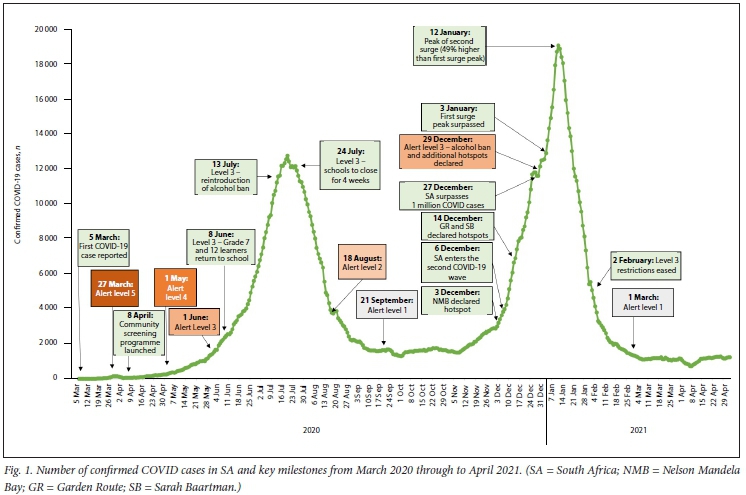
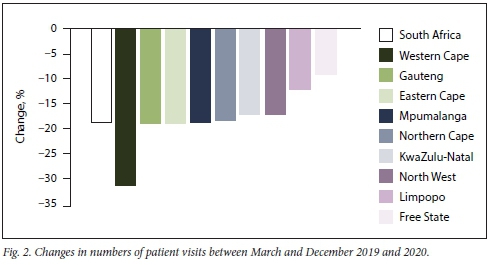
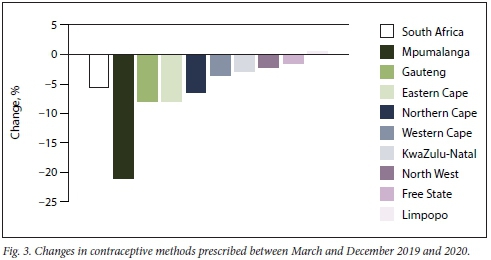
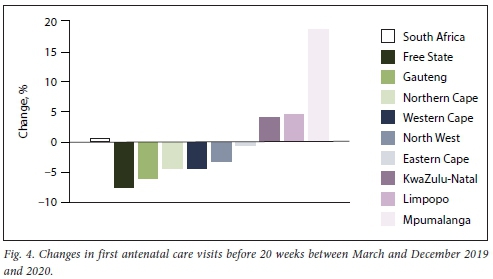
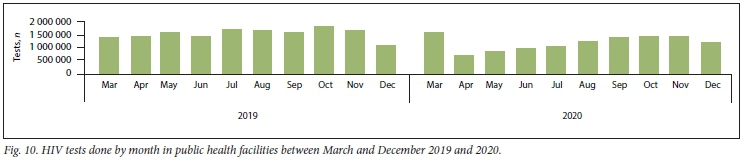
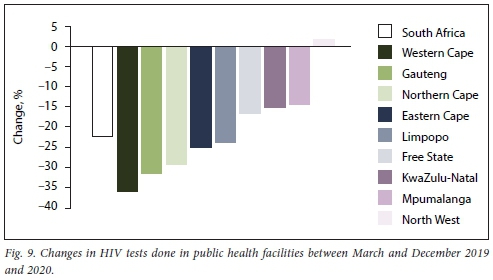
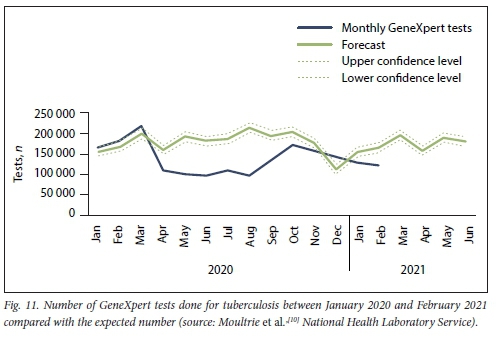
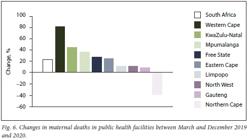
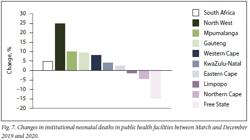
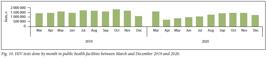
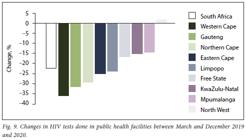
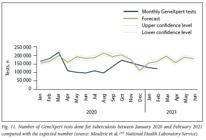
BACKGROUND: The COVID-19 pandemic and responses by governments, including lockdowns, have had various consequences for lives and livelihoods. South Africa (SA) was one of the countries that implemented severely restrictive lockdowns to reduce transmission and limit the number of patients requiring hospitalisation. These interventions have had mixed consequences for routine health servicesOBJECTIVES: To assess the impact of COVID-19 and restrictions imposed to limit viral transmission on routine health services in SAMETHODS: Data routinely collected via the District Health Information System in 2019 and 2020 were analysed to assess the impact of the COVID-19 pandemicRESULTS: Access to public health services between March 2020 and December 2020 was limited in all provinces. However, this was not linear, i.e. not all services in all provinces were similarly affected. Services most severely affected were antenatal visits before 20 weeks, access to contraceptives, and HIV and TB testing. The impact on outcomes was also noticeable, with a measurable effect on maternal and neonatal mortalityCONCLUSIONS: The responses to the COVID-19 pandemic, including different levels of lockdowns, the limitation of health services, lack of staff as a result of COVID-19 infection, and fear and stigma, resulted in a reduction in access to routine health services. However, the picture varies by type of service, province and district, with some faring worse than others. It is important to ensure that routine services are not significantly affected during future COVID-19 waves. This will require careful planning on the part of service providers and optimal communication with patients and communities
SAMJ: South African Medical Journal
 Thumbnail
 Thumbnail
 Thumbnail
 Thumbnail
 Thumbnail
 Thumbnail
 Thumbnail
 Thumbnail
 Thumbnail
 Thumbnail
 Thumbnail