An approach to the developmental and cognitive profile of the child with spina bifida
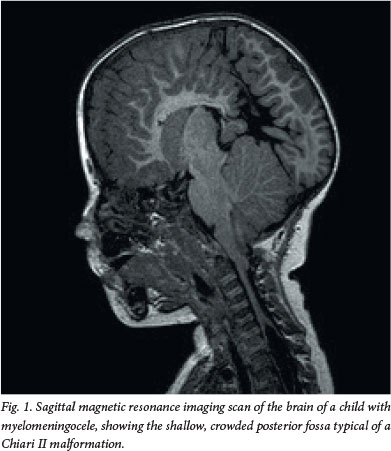
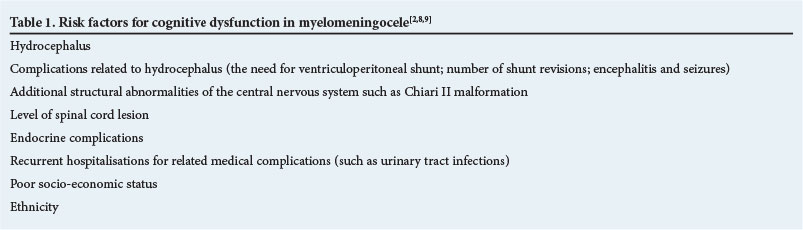
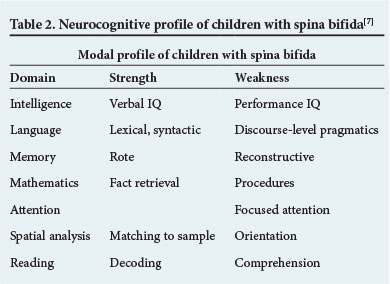
Myelomeningocele, or open spina bifida (SBM), is the most common congenital defect of the central nervous system. The brain anomalies described in SBM are varied and contribute to the complex phenotypic outcomes in neurocognition and behaviour. Several factors have an impact on the severity and type of cognitive outcome. The strongest association with cognitive dysfunction is the presence of hydrocephalus and its complications. Hydrocephalus occurs in 80 - 95% of cases and typically results in attenuation of cerebral white matter, particularly in the posterior aspects of the brain, which is important in the development of spatial skills.
SAMJ: South African Medical Journal
 Thumbnail