
 Abstracts from the 52nd Meeting of the Surgical Research Society of South Africa
Background:
Helicobacter pylori is a group 1 carcinogen and the most common chronic infection worldwide. Eradication has become a cornerstone for the treatment and prevention of recurrence of peptic ulcer disease. Limited data exists on the prevalence of infection and antibiotic resistance burden in South Africa.Method: We conducted a retrospective database review of all gastric and duodenal biopsy specimens submitted for genotypic testing at a private national laboratory in South Africa between 1 January 2019 and 31 December 2023 to determine the H pylori prevalence, clarithromycin, and fluoroquinolone antimicrobial resistance.
Results: We identified Helicobacter pylori in 2305 (81.2%) of 2 840 specimens. We detected fluoroquinolone, clarithromycin and dual resistance in 54.3%, 45.0%, and 29.2% of this sample, respectively. Increasing age and female sex were associated with higher prevalence of resistance.
Conclusion: This is the largest study of Helicobacter pylori prevalence and resistance in South Africa to date. The high infection prevalence alongside exceedingly high levels of resistance to clarithromycin and fluoroquinolones, should serve as an urgent call for further research in this area and guideline revision to determine a new approach to identification and eradication of this group 1 carcinogen in our at risk population.
Outcomes of band ligation for prevention of variceal upper gastrointestinal bleeding
LM Ramatladi, K Mathonsi, NM Latakgomo
Department of General Surgery, Pietersburg Hospital University of Limpopo, South Africa
Background: Upper gastrointestinal bleeding (UGIB) is defined as bleeding from the mouth until proximal to the ligament of Treitz, it is a common and challenging emergency with an annual incidence of 50 to 150 per 100,000 of the population (Primignani, 2001). Chalasani et al defined portal hypertension as a hepatic venous pressure gradient (HVPG) of more than 5 mmHg with varices forming and starting to bleed at a portal pressure of more than 12 mmHg. The common complications of portal hypertension are gastroesophageal varices and variceal haemorrhage. Prevention of first variceal haemorrhage will depend on the size and characteristics of the varices, medium or large varices can be treated with B-blockers or oesophageal band ligation (Meara, 2015). Endoscopy is done as soon as possible within 12-24 hours after presentation after adequate resuscitation. The Baveno VII guidelines recommend endoscopic band ligation to prevent first variceal bleeding in compensated patients with high-risk varices who have contraindications or intolerance to non-selective beta-blocker (Clarke, 2010).
Objective: To determine the number of banding sessions required to eradicate varices, to assess the rebleeding rate, the mortality and morbidity rate associated with variceal UGIB bleeding.
Methods: A retrospective quantitative cohort study design comparing the outcomes of patients presenting with variceal UGIB presenting to Pietersburg Tertiary Hospital from January 2018 to December 2022. This included all patients above 18 years who present with variceal UGIB, all elective and emergency case presentations. Patients who are bleeding from isolated gastric or ectopic varices where excluded.
Results: The median follow up period was 24 months with a total of 144 patients having recurrent bleeding, 63% of the episodes where related to portal hypertension. We also had a few encounters whereby some patients deferred banding sessions due to lack of resources at that time. A total of 96 patients had recurrent bleeding and some of the reasons are attribute to lack of resources. Major complications were noted in 43 patients who ended up requiring admission and blood transfusion. 12 deaths were related to variceal bleeding.
Conclusion: The results confirm that in our population, endoscopic band ligation is a safe and effective technical approach. The study also shows that using EBL as an emergency therapy together with vasoactive drugs is associated with a less mortality and morbidity rate. Variceal band ligation is effective and safe when beta-blockers are contra-indicated or not tolerated for preventing first variceal bleeds.
The perturbations of duodenal Paneth and Goblet cells in benign and malignant obstructive jaundice in black South African adult population
HY Sani,1 JA Johnson,1 EF Mbajiorgu,1 T Marumo,2 TE Luvhengo2
1 Department of Anatomical Sciences, School of Biomedical Science, University of the Witwatersrand, South Africa
2 Department of Surgery, School of Clinical Medicine, Faculty of Health Sciences, University of the Witwatersrand, South Africa
Background: Obstructive jaundice (OJ) is biliary tract disease characterised by mechanical obstruction that disrupts the normal flow of bile in the intrahepatic or extrahepatic ducts. Additionally, OJ is characterised by the absence of bile in the gastrointestinal tract, leading to failure to control and regulate the gut microbiome, a process which is mitigated by the release of antimicrobial peptides and reconstruction epithelial and glandular by Paneth cells. Therefore, this study investigated the histomorphology changes in Paneth cells in benign and malignant OJ.
Patients and Methods: Biopsies from were collected from the duodenum distal to ampulla of Vater during upper GIT endoscopy or endoscopic retrograde cholangiopancreatography (ERCP) of male and female patients aged twenty years and above with or without benign and malignant jaundice. Biopsies were processed with routine haematoxylin and eosin (H & E) and semi-quantitative analyses of Paneth cells granules were done. The study received prior approval ethical clearance (MED23-10-333).
Results: A total of 60 biopsies were taken. A decrease in Paneth cell granules was shown in benign (25%) and malignant (40%) OJ compared to the control. Overall, results also showed less Paneth cell granules (25%) with increased goblets cells (45%) in males than in females.
Discussion: These results point to the potential of obstructive jaundice to alter the duodenal antimicrobial homeostasis / milieu and protective mucous barrier properties, especially amongst males, and calls for differential care in their clinical management.
Upper GIT Endoscopy Training
I Musa, G Chinnery, M Scriba
Upper Gastrointestinal (UGI) Surgery Unit, Groote Schuur Hospital, University of Cape Town, South Africa
Background: Upper gastrointestinal endoscopy (UGE) is a vital skill for general surgeons, yet the adequacy of training in low-resource settings like South Africa remains unclear. This study assesses endoscopy training for general surgery registrars at Groote Schuur Hospital, with a focus on the impact of the COVID-19 pandemic.
Methods: A retrospective analysis of the Upper Gastrointestinal Surgery Registry was conducted from 1 April 2018 to 30 September 2024. Data on diagnostic and interventional UGEs were reviewed across three periods: pre-COVID-19, during COVID-19, and post-COVID-19. Registrar exposure was evaluated based on the number of procedures performed during a standard three-month rotation. Descriptive and comparative statistical methods were applied (p < 0.05).
Results: Of 12,455 UGEs, 6,901 (55.3%) were performed by registrars. Diagnostic procedures accounted for 66.9% of all UGEs, with registrars performing 64.1%, while interventional procedures made up 33.1%, with 37.8% performed by registrars. Training during the COVID-19 period was significantly reduced, with only two registrars completing full rotations, compared to the usual 12-18. Although procedural volume increased post-COVID-21.8% for diagnostic and 60.2% for interventional UGEs-median registrar exposure per rotation dropped from 131 pre-COVID to 112 post-COVID. This indicates that despite increased service delivery, registrar training opportunities did not return to pre-pandemic levels.
Conclusion: General surgery registrars at Groote Schuur Hospital receive substantial endoscopy exposure; however, the COVID-19 pandemic disrupted training significantly. Enhancing simulation-based learning and optimising rotations are crucial to ensure adequate competency in UGE.
Aspartate Aminotransferase-to-Platelet Ratio Index (APRi) as Biomarker for Liver Damage in Biliary Atresia (BA): A Meta-analysis
E Brits,1 S Brown,2 L Botes,3 JB Sempa,4 M Pienaar5
University of the Free State, Bloemfontein, South Africa
1 Division of Paediatric Surgery, Department of Surgery, School of Clinical Medicine, Faculty of Health Sciences, University of the Free State, South Africa
2 Division of Paediatric Cardiology, Department of Paediatrics and Child Health, School of Clinical Medicine, Faculty of Health Sciences, University of the Free State, South Africa
3 Department of Health Sciences, Faculty of Health and Environmental Sciences, Central University of Technology, South Africa
4 Department of Biostatistics, Faculty of Health Science, University of the Free State, South Africa
5 Division of Critical Care, Department of Paediatrics and Child Health, School of Clinical Medicine, Faculty of Health Sciences, University of the Free State, South Africa
Background: Biliary atresia (BA) is a rare paediatric liver disease requiring early diagnosis and surgical intervention. The aspartate aminotransferase-to-platelet ratio index (APRi) has emerged as a potential non-invasive biomarker of liver fibrosis, yet lacks a standardised threshold for clinical use.
Aim: To assess the diagnostic accuracy of APRi for liver fibrosis and cirrhosis in BA and determine appropriate cut-off values.
Methods: A systematic review and meta-analysis were conducted using PRISMA guidelines. Studies were identified via EBSCOhost and other databases (2003-2024). Inclusion: original studies in children with BA reporting histological liver fibrosis and APRi at diagnosis or Kasai portoenterostomy (KPE). Exclusion: post-KPE follow-up studies, non-human data, and insufficient APRi metrics. Data were analysed using R (v4.3.2) with heterogeneity assessed by I2 and Cochrane Q. Ethics approval was obtained from the University of the Free State.
Results: Fourteen studies (10 retrospective, 3 prospective, 1 cross-sectional) were included. APRi cut-off values for advanced fibrosis (F3) ranged from 0.7 to 2.26. Meta-analysis of four studies (n = 209) yielded pooled APRi means: 1.16 (95% CI: 0.57-1.75) for favourable histology (< F2) and 2.10 (95% CI: 1.67-2.52) for unfavourable histology (> F3). Significant heterogeneity was noted in the former group.
Conclusion: APRi shows potential as a non-invasive biomarker for liver fibrosis in BA. However, due to variability in thresholds and overlapping confidence intervals, it cannot yet replace liver biopsy in clinical decision-making. Further studies are needed to validate context-specific cut-offs.
The role of cow's milk protein allergy in refractory gastroesophageal reflux disease in infants: a scoping review
E Brits
Division of Paediatric Surgery, Department of Surgery, School of Clinical Medicine, Faculty of Health Sciences, University of the Free State, South Africa
Background: Cow's milk protein allergy (CMPA) is a common food allergy in infants and may underlie up to 50% of cases of refractory gastroesophageal reflux disease (GERD). Symptom overlap between GERD and CMPA complicates diagnosis, particularly in non-IgE-mediated cases.
Aim: To evaluate and map the current evidence on the role of CMPA in refractory GERD in infants, and identify diagnostic and therapeutic challenges.
Methods: A scoping review was conducted using Joanna Briggs Institute methodology and reported according to PRISMA-ScR. The review included studies from 2014 to 2024 reporting on CMPA in infants with GERD. Eligible studies included human paediatric patients (< 18 years), with GERD and/or CMPA, evaluating the impact of CMPA on GERD management. Studies with congenital, neurological, or surgical causes of GERD were excluded. Searches were conducted across EBSCOhost, Scopus, and Google Scholar. Data were managed using REDCap and analysed narratively. Ethics approval was granted by the University of the Free State (UFS-HSD2024/2131).
Results: Twenty studies were included. CMPA contributed to up to 50% of refractory GERD cases. Symptom resolution was frequently observed with CMP elimination or hypoallergenic formulas. Diagnostic challenges were prominent, especially in non-IgE cases. Key knowledge gaps included the lack of standardised diagnostic tools, long-term safety data, and nutritional outcomes of elimination diets.
Conclusion: CMPA is a significant contributor to refractory GERD in infants. Early elimination trials and use of hypoallergenic formulas are effective first-line strategies. Standardised diagnostic protocols and further research are essential to improve outcomes.
Proteomic mapping of macrophage polarisation toward an anti-tumour phenotype: enhancing treatment strategies
TN Augustine,1 T Mackade,2 N Altriche,2 KR Xulu,2 S Buthelezi3
1 Department of Anatomical Pathology, School of Pathology, Faculty of Health Sciences, University of the Witwatersrand, South Africa
2 Department of Anatomical Sciences, School of Biomedical Sciences, Faculty of Health Sciences, University of the Witwatersrand, South Africa
3 Next Generation Health, Council for Scientific and Industrial Research, South Africa
Macrophages are key players of innate immunity and wound healing, with subversion of their role fundamental in shaping the tumour microenvironment (TME). Macrophages (M0) are able to polarise into either anti-tumorigenic (M1) or pro-tumorigenic (M2) phenotypes, depending on TME cues. We propose that shifting the polarisation status of macrophages may be a useful strategy to limit tumour progression. This in vitro study firstly investigated the impact of known polarising agents and time, on the proteome of M1 and M2 macrophages. This was followed by assessing the effects of Tamoxifen, the gold standard for management of hormone-dependent breast cancers, and Cannabidiol (CBD), an ethnomedicine used in symptomatic relief of selected side-effects, on the direct polarisation of macrophages.
SWATH-mass spectrometry demonstrated M0, M1 and M2 macrophages have distinct proteomic signatures, that may be temporally defined. However, their plasticity points to the importance of maintaining polarisation cues for anti-tumour function. Furthermore, Tamoxifen and CBD, particularly in combination, induce macrophage polarisation to the M1 phenotype. This is characterised by enrichment of pathways, including those involved in cytokine production, regulation of MAP-kinase and IFN-γ signalling, cellular metabolic processes and phagocytosis. The latter was also demonstrated by functional assays showing increased nitric oxide production and enhanced clearance of the MCF7 breast cancer cell line. Our findings suggest that CBD and Tamoxifen may synergistically modulate the TME, promoting M1 macrophage polarisation and inhibiting tumour cell growth, holding promise as an approach to enhance treatment strategies and positively impact the course of breast disease.
Outcomes of breast cancer in patients with positive family history
M Muvhango, D Montwedi
University of Pretoria, South Africa
Background: Breast cancer is common amongst women is south Africa. A positive family history of breast cancer is an important risk factor. Patients with familial breast cancer are known to present at an earlier age, high grade tumours and poorer survival. Studies investigated outcomes of breast cancer in patients with a positive family history and found conflicting results. Aim of this study was to determine presentation and outcome of breast cancer in patients with positive family history.
Methods: 361 patients were enrolled in the study. Patients presenting with a first degree relative with breast cancer (n = 102) compared with patients without a family history (n = 259). Data was collected prospectively from January 2017 to January 2020 and a follow up of three years. The two cohorts were compared in terms of age, stage at presentation, tumour biology and survival.
Results: Patients with first degree relative presented at significantly younger age compared to those without family history. Patients with a family history of breast cancer presented commonly with histological grade 3 breast cancer (46.0% vs 30.1%). The overall survival was worse in patients with locally advanced cancer and a positive first degree relative at 3 years (p = 0.02) The overall survival (83%) and disease-free survival (88.8%) for early and metastatic breast cancer was the same at 3 years amongst the two groups
Conclusions: The survival outcomes in patients with positive history were worse for locally advanced cancer.
Stemness-mediated changes to ER, PR and Ki67 in breast cancer cell lines exposed to hormone therapy
KR Xulu,1 S Gallant,1 TN Augustine2
1 Department of Anatomical Sciences, School of Biomedical Sciences, University of the Witwatersrand, South Africa
2 Department of Anatomical Pathology, School of Pathology, Faculty of Health Sciences, University of the Witwatersrand, South Africa
Introduction: Breast cancer heterogeneity is mediated by the intrinsic stemness displayed in subpopulations. Stemness markers, including CD44 and CD133, mediate multipotency, cell communication, metastasis, and drug resistance.
Aim: To characterise the plasticity of common diagnostic markers such as oestrogen receptor variants (Era & Erß), proliferation marker Ki-67 and progesterone receptor (PR) in tumour subpopulations of luminal A breast cancer cell lines (MCF7 & T47D) following exposure to hormone therapy.
Methods: Breast cancer cells were cultured using a standard procedure. Magnetic cell sorting was undertaken to isolate subpopulations displaying stemness as follows: CD44+CD133+; CD44-CD133+; CD44+CD133- and CD44-CD133-. The subpopulations were propagated in a specialised medium to maintain their stemness features. Subsequently, flow cytometry was conducted to verify the stemness phenotype. Cells were treated with 2 liM Tamoxifen and 16 ng/ml Anastrozole for 24 hours. Then, immunocytochemistry was conducted to localise the protein expression of Era, Erß, Ki-67 and PR. The images were taken using an Olympus iX35 fluorescent microscope and an Olympus BX63 fluorescent microscope. Fluorescence was qualitatively analysed using Cell Profiler, and statistical analysis was performed.
Results: The findings indicate differential changes in the expression of Era, Erß, Ki-67 and PR in subpopulations following treatment with tamoxifen and anastrozole. CD133-mediated stemness in MCF7 cells and associated with better drug outcome. In contrast, CD44-mediated stemness in T47D cells and associated with drug resistance.
Conclusion: Luminal A breast cancer cell lines display stemness plasticity which may affect hormone therapy outcome.
Targeting breast cancer stemness: Enhancing macrophage anti-tumour immunity with tamoxifen and CBD co-treatment
N Altriche,1 KR Xulu,1 TN Augustine2
1 Department of Anatomical Sciences, School of Biomedical Sciences, Faculty of Health Sciences, University of the Witwatersrand, South Africa
2 Department of Anatomical Pathology, School of Pathology, Faculty of Health Sciences, University of the Witwatersrand, South Africa
Introduction: Macrophages, which polarise into anti-tumour (M1) or pro-tumour (M2) phenotypes, can mediate the stemness profile of breast tumour cells. This may influence tumour response to standard therapies, such as Tamoxifen, and ethnomedicines, such as Cannabidiol (CBD). While both drugs independently induce non-stem-like tumour cell death, it remains unclear how the interactions of stem-like tumour cells and macrophages influence tumour response to co-treatment.
Aim: To investigate how macrophages impact the stemness-mediated response of breast tumour cells to Tamoxifen and CBD co-treatment.
Methods: MCF7 breast cancer cell viability following co-treatment was assessed using the neutral red and MTT assays. Stem-like and non-stem-like cells were magnetically isolated from an MCF7 parent population, and CD44/CD133 expression was phenotypically assessed. Cells were treated in monoculture or co-culture with RAW 264.7 macrophages. Macrophage phagocytic capacity and nitrite production, and changes in MCF7 epithelial-to-mesenchymal transition (EMT)-related gene expression, were analysed. HREC: W-CP-230316-01.
Results: Co-treatment reduced parent MCF7 cell viability; however, surviving cells were morphologically mesenchymal, typical of stem-like phenotypes. Stem-like cells expressed higher CD44 and CD133 and were less susceptible to direct Tamoxifen and CBD treatment. This was abrogated upon co-culture with macrophages, which effectively targeted stem-like cells through enhanced phagocytosis and nitrite synthesis. Macrophages influenced treatment-induced changes in MCF7 ß-actin, vimentin and beclin-1 expression, which was reduced in stem-like cells thus reflecting altered cytoskeletal and autophagic dynamics.
Conclusion: The efficacy of Tamoxifen and CBD co-treatment in promoting stem-like tumour cell death is enhanced by treatment-induced macrophage anti-tumour function, thus affirming a potential role for the co-treatment in anti-tumour immunity.
The outcome of hookwire-guided breast conserving surgery at Charlotte Maxeke Johannesburg Academic Hospital breast unit
D Ferrar, B Phakathi, N Mabe, J Edge, D Kruger
Charlotte Maxeke Johannesburg Academic Hospital, University of the Witwatersrand, South Africa
Background: Improved breast cancer awareness, screening and radiological technology have led to an increasing detection of impalpable breast cancers. The gold standard for treating impalpable cancers is breast-conserving surgery (BCS), which requires pre-operative localisation. At our institution, hookwire-guided localisation, a method of wire guided localisation (WGL), is the only method available. This study aims to assess if our practice of WGL aligns with international standards and to identify factors influencing recurrence.
Methods: We retrospectively reviewed records of patients who underwent hookwire guided BCS of breast carcinoma from 1 January 2016 to 31 May 2024 using the Charlotte Maxeke Johannesburg Academic Hospital (CMJAH) breast cancer database.
Results: A total of 119 patients were eligible, with 55 having had malignancies excised via hookwire guidance. 76.7% presented with a self-palpated mass, and 14.5% were detected via screening. Most patients (50.9%) received neoadjuvant chemotherapy (NAC) to shrink the tumour. The median size of masses was 19 mm. Of those undergoing hookwire guided BCS, 58.18% received radiation, with a median of 216 days from surgery to radiation (IQR 175-357). Margin positivity and re-excision rates were 10.9% and 12.7%, respectively. The recurrence rate was 25.5%, higher than international standards. TNBC (triple negative breast cancer) and NAC significantly increased the likelihood of recurrence.
Conclusion: Hookwire guided BCS at CMJAH has acceptable margin adequacy and re-excision rates compared to international standards. The higher recurrence rate likely results from delayed adjuvant radiation access. TNBC molecular subtype was a significant tumour-specific risk factor increasing recurrence risk.
Assessing the shift in breast cancer stage from anatomical staging classification to the clinical prognostic staging system in a low middle-income country
R Thomas, T Augustine, N Mabe, J Edge
Faculty of Health Sciences, University of the Witwatersrand, South Africa
Introduction: There is a trend to incorporating tumour biology into the traditional TNM staging system for breast cancer. The study investigates the change in breast cancer stage when using the anatomical staging system compared to the clinical prognostic staging system.
Objectives: We assessed whether the stage at diagnosis changed significantly when the biology of the tumour was included in the staging system.
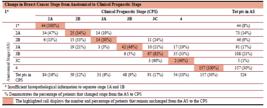
Method: This is a single-centre pilot study using South African Breast Cancer and HIV Outcomes (SABCHO) database from the CMJAH Breast Unit. This study evaluated all newly diagnosed breast cancers from 01.01.2022 to 31.05.2024. HREC WITS M250463
Results: Five hundred and twenty-four cancers in 521 patients met inclusion criteria for this study. The mean age was 54 (20-94). Sixteen percent of our population is RVD reactive with median age of diagnosis of 48 yrs, at least 6 years earlier than their RVD non-reactive counterparts. The most common histological subtype was Invasive carcinoma of no special type (91.98%). In our population our most common molecular subtype was Luminal B (35.36%), Luminal A (31.43%), TNBC (21.22%) and HER2 Enriched (11.98%). Using the anatomical TNM classification, 44 patients (8%) were stage 1, 73 patients (14%) stage 2A, 46 patients (9%) stage 2B, 91 patients (17%) stage 3A, 108 patients' stage 3B (21%), 5 patients (1%) stage 3C and 157 patients (30%) stage 4. When clinical prognostic staging was used, our study demonstrated significant changes in breast cancer stage, with stage 2 demonstrating about 65% change (either up/down-staged) and stage 3 demonstrating about 50% change from the anatomical stage to the clinical prognostic stage.
Conclusion: Our data resembles that of international literature1. There is a potential impact on management, especially due to the significant change in the Stage 2B and 3A which were down-staged by 46% and 24% respectively.
Profile of tobacco usage amongst breast cancer patients at a tertiary academic hospital in South Africa
PC Mapunda, T Naidoo, MZ Koto
Department of General Surgery, Sefako Makgatho Health Sciences University, South Africa
Introduction: Breast cancer is now the most common malignancy among South African women, with a rising incidence that has surpassed cervical cancer in mortality. Despite strong evidence linking tobacco exposure to breast cancer, limited local data exists on the prevalence and patterns of tobacco use in this population.
Aim: To determine the prevalence of tobacco use in this patient population and explore the potential correlation between smoking and breast cancer.
Materials and methods: A retrospective cross-sectional study was conducted at the Breast Clinic of Dr George Mukhari Academic Hospital (DGMAH), including all female patients aged > 18 years with histologically confirmed breast cancer from 1 January 2020 to 31 December 2023.
Results: There are significantly more non-smokers than smokers among the African population (99.4% vs 0.6%; p = 0.002). Within the white population, there are more smokers than non-smokers (93.9% vs 4.1%; p = 0.026). The mean age was 54.9 years for the participants who identified as smokers and 53.7 years for those who reported being non-smokers. Most patients reported using smokeless-sniffing-tobacco (68.7%) rather than smoking cigarettes (30.3%). There were statistically significant differences observed in the luminal subtypes between smokers and non-smokers. Statistically significant differences were observed in the prevalence of the triple-negative subtype between smokers and non-smokers (18.4% vs 9.9% respectively).
Conclusions: This study found that tobacco use is prevalent among breast cancer patients at DGMAH in South Africa. The predominant form of tobacco consumption is smokeless tobacco. Additionally, this study provides evidence of an association between triple-negative breast cancer and smoking.
HER-2/NEU overexpression and clinicopathological features of breast cancer in treatment naïve breast cancer patients at a tertiary hospital in Gauteng
LC Makhuvha, DH Mokone, NC Kalenga
Department of General Surgery, Sefako Makgatho Health Sciences University, South Africa
Aim: Breast cancer is a significant global health concern. HER2 overexpression, found in 15-20% of invasive cases, is associated with poorer prognosis, higher tumour grade, larger size, and increased metastasis. To determine the relationship between the HER-2 receptors and the clinicopathological features of breast cancer in patients at a tertiary hospital.
Methods: A retrospective cross-sectional review was done of patients' records at the breast oncology clinic over five years. The study population comprised all newly diagnosed breast cancer patients seen at Breast Oncology Clinic from 01 June 2018 to 30 June 2023.
Results: The study included 206 patients with HER2-positive breast cancer. Findings revealed that 24.15% were HER2-positive, with most having T4 tumours (69.42%). T2 and T3 tumours were less common (both 13.11%), while T1 and T0 tumours were rare (3.88% and 0.49%, respectively). The majority (67.29%) had regional lymph node involvement, with 37.86% classified as N1 and 26.21% as N2. Distant metastasis was observed in 18.45% of patients. Most graded patients were grade 2 (52.78%), followed by grade 3 (38.89%). In terms of Ki67 index, 51.26% had < 20%, 36.68% between 20-50%, and 12.06% > 50%.
Conclusion: The incidence of HER2-positive breast cancer was determined to be 24.15% and is associated with aggressive traits, including larger tumour sizes, lymph node involvement, distant metastases, and high tumour grading. HER2-enriched cancers are more aggressive than HER2 luminal B subtypes. A thorough study in diverse and underrepresented populations could reveal regional differences in incidence and outcomes.
Microductectomy under local anaesthetic for pathological nipple discharge. Is it time to change practice?
A Khamajeet
Department of General surgery, Groote Schuur Hospital, University of Cape Town, South Africa
Background: Pathological nipple discharge (PND) is a common clinical concern that requires careful evaluation to rule out malignancy. Microductectomy is the gold-standard surgical intervention for both diagnosis and symptom relief. In most centres, it is usually performed under general anaesthesia. This study aims to assess the feasibility, efficacy, and safety of performing microductectomy under local anaesthesia without sedation, a technique adapted during the COVID-19 pandemic to address resource constraints.
Methods: A retrospective review was conducted on all patients who underwent microductectomy under local anaesthesia at Groote Schuur Hospital between January 2021 and December 2022. Data were collected on demographics, imaging used, imaging findings, biopsy results, and histological diagnoses.
Results: A total of 23 patients were included, with a median age of 55 years (IQR 45-60). All patients presented with spontaneous nipple discharge (ND), with 75% reporting bloody ND. Dual imaging (mammography and ultrasound) was performed in 78.2% of cases, while 39.1% of patients underwent preoperative biopsy. Histology revealed intraductal papilloma in 65.2% of cases, ductal hyperplasia in 39.1%, and ductal ectasia in 21.7%. One patient (4.3%) was diagnosed with papillary ductal carcinoma in situ (DCIS). No invasive malignancy was detected, and no complications were reported postoperatively.
Conclusion: Microductectomy conducted under local anaesthesia without sedation appears to be a safe, effective, and minimally invasive method for managing PND. It benefits resource-limited settings by decreasing reliance on general anaesthesia while preserving diagnostic and therapeutic efficacy. Further prospective studies with larger sample sizes incorporating patient satisfaction, procedure duration, diagnostic yield, recurrence rates, and completeness of excision are advised to evaluate long-term outcomes and patient experiences.
Acute pain management in trauma patients at a tertiary academic hospital in the Gauteng Province: a prospective cross-sectional observational study
S van der Spuy, P Daya, S Leathwhite, Z Mangena, T Motaung, M Naidoo, A Pretorius, TE Luvhengo
Unit of Undergraduate Medical Education, Department of Surgery, University of the Witwatersrand, South Africa
Background: Poorly managed pain increases the risk of complications in patients admitted following trauma or a surgical procedure. This study investigated how effectively pain is managed in patients admitted to our trauma unit.
Patients and Methods: This was a prospective observational study and participants were patients admitted following trauma. Data collected included demography, nature of injury, co-morbidities and pain, depression and anxiety screening scores. Adequacy of pain control was assessed using the Numeric Rating Scale (NRS). Statistical analysis included tests of associations between pain management adequacy and comorbidities. A p-value < 0.05 was deemed statistically significant. The study received ethical clearance (M231036 MED23-10-26).
Results: The study included 143 participants with 81.1% (116) males, and 33.9% (48) admitted following penetrating injury. Most, 78.6% (112) of the participants with severe pain were treated with paracetamol and/or Tramadol. Majority, 62.9% (90) of the participants reported moderate to severe pain despite treatment. Co-morbidities had no statistically significant influence on pain perception and adequacy of pain control (p > 0.05). Similarly, anxiety, depression and history of prior substance use had no statistically significant influence on adequacy of pain control (p > 0.05).
Conclusion: Paracetamol and tramadol are the most frequently prescribed analgesic drugs in the trauma unit regardless of the severity of acute pain, and 63% of the patients experience moderate to severe pain despite treatment. The mechanism of injury, co-morbid conditions, depression and anxiety levels, and history of drug abuse do not influence the intensity of pain perception before or after administration of analgesics.
Investigating stemness and cell cycle progression: A combined flow cytometry approach in TNBC cell lines
MS Mothupi,1 L Khambule,2 TN Augustine,3 KR Xulu1
1 Department of Anatomical Sciences, School of Biomedical Sciences, University of the Witwatersrand, South Africa
2 Department of Chemical Pathology, School of Pathology, University of the Witwatersrand, South Africa
3 Department of Anatomical Pathology, School of Pathology, University of the Witwatersrand, South Africa
Background: Triple-negative breast cancer (TNBC) is an aggressive breast cancer subtype lacking hormone receptors. It is classified into six molecular subtypes, with basal-like types being the most common. Basal-like 1 (BL 1) is marked by high expression of cell cycle and DNA repair genes, while basal-like 2 (BL 2) is enriched in growth factor signalling. TNBC's aggressiveness is driven by uncontrolled proliferation, partly due to the evasion of quiescence and the presence of cancer stem cells, which typically express CD24, CD44, and CD133 surface markers.
Aim: To investigate the relationship between stemness-associated surface marker expression and cell cycle progression in TNBC cell lines
Methods: MDA-MB-468 (BL 1) and MDA-MB-231 (BL 2) cells will be cultured in DMEM with 10% FBS and 0.1% penicillin-streptomycin at 37°C and 5% COi. To perform the combined analysis of surface marker expression and cell cycle progression, cells will be labelled with CD24-AF647, CD44-FITC, and CD133-BV421. Following staining, cells will be fixed and incubated overnight. The next day, they will be stained with FxCycle™ PI/RNase Solution at room temperature for 30 minutes in the dark. Data will be acquired using the LSR Fortessa flow cytometer and analysed statistically.
Ethics: W-PR-20240801-01(HREC, Wits)
Results: The analysis is expected to reveal an increased expression of the markers (CD44 and CD133) in the G2/M phase, indicating their involvement in cell proliferation. Additionally, differences in stemness are expected between the BL 1 and BL 2 phenotypes of TNBC.
Conclusion: This study will highlight the interplay between stemness and cell cycle progression in TNBC.
Nonoperative management of penetrating liver trauma
K Kapnias (medical student),1 PH Navsaria,1 S Saar,2 M Kivilo2
1 Trauma Centre, Groote Schuur Hospital, University of Cape Town, South Africa
2 University of Tartu, Estonia
Background: Nonoperative management (NOM) of penetrating liver injuries is infrequently practised. The aim of this study was to assess the safety of selective NOM of penetrating liver injuries.
Patients and Methods: A prospective, protocol-driven, HREC approved study, was conducted over a 52-month period (April 2015-July 2019). Patients with right-side thoracoabdominal, and right upper quadrant (RUQ) penetrating wounds with or without localized RUQ tenderness underwent contrasted abdominal CT scan evaluation to detect the presence of a liver injury. Patients who required immediate laparotomy were excluded from the study. Outcome parameters included need for delayed laparotomy, complications, length of hospital stay and survival.
Results: Seventy-seven patients (53 gunshot and 24 stabbed) with liver injuries were selected for nonoperative management. The mean injury severity and PATI scores were 18.9 (range 1-75) and 9.2 (range 1-25), respectively. Simple liver injuries (Grades I and II) occurred in 33 (42.9%) patients and complex liver injuries occurred in 44 (57.1%) patients.
Associated injuries included 25 (32.5%) kidney, 45 (58.4%) diaphragm, 53 (68.8%) lung contusion, 38 (49.4%) rib fractures, and 58 (75.3%) hemo/pneumothorax. Liver-related complications included: bile leak (7), biliary fistula (4), liver abscess (3), hepatic artery false aneurysm (3), biloma (2), hepatic AV fistula (1), and hepatic subcapsular haematoma (1). Five (5) patients required delayed laparotomy. The overall median hospital stay was 6 [IQR: 4-9] days. The successful nonoperative management rate was 93.5%.
Conclusion: The nonoperative management of appropriately selected patients with penetrating liver injuries is safe and associated with minimal morbidity.
Multi-omic analyses of the tumour microenvironment of South African pancreatic ductal adenocarcinoma patients
S Dubazana,1 P Naicker,2 S Ngwenya,3 N Elebo,1 J Omoshoro-Jones,1 S Buthelezi,4 EE Nweke1,5
1 Department of Surgery, Faculty of Health Sciences, University of the Witwatersrand, South Africa
2 Department of Proteomics, ReSyn Biosciences, South Africa
3 Division of Anatomical Pathology, School of Pathology, Faculty of Health Sciences, University of the Witwatersrand, South Africa
4 Department of Future Production: Chemicals, Council for Scientific and Industrial Research, South Africa
5 Department of Life and Consumer Sciences, College of Agriculture and Environmental Sciences, University of South Africa, South Africa
Background: Pancreatic ductal adenocarcinoma (PDAC) ranks among the most aggressive malignancies globally, with a 5-year survival rate of only 13%. This study conducted multi-omic analyses of archived FFPE tissues to identify potential biomarkers and elucidate molecular mechanisms of disease progression in our patient population.
Methods: For the proteomics aspect, a comparison of sample preparation methods (Barocycler, Pixul+DTT, Pixul+Sonication and Pixul-only) was conducted for optimal protein extraction. Using the selected optimised method, 78 FFPE PDAC (22 paired tumour and normal, 34 unpaired tumour) tissues were processed to determine differentially expressed proteins. Limma was used for the differential expression analyses. DNA and Total RNA were subsequently extracted from 28 tissues (14 paired tumours and normal tissues) and Whole exome and RNA sequencing were performed, respectively.
Results: The Pixul+Sonication method yielded the highest number of identified proteins (20,804.5 peptides and 3,349.5 protein groups) followed by the Pixul-only method with 20,769,5 peptides and 3,300.5 protein groups). The difference between methods was insignificant; we chose the Pixul-only workflow for its high-throughput efficiency and minimal steps, reducing error probability. From the FFPE PDAC tissues, a total of 39 dysregulated proteins (17 downregulated and 22 upregulated) were identified. Key pathways such as extracellular matrix organisation, platelet activation and fibrosis-related pathways were identified.
Conclusion: Utilising this optimised method, key proteins and pathways associated with PDAC progression were demonstrated. These findings underscore the potential of archived tissue-based proteomic analysis for biomarker discovery, providing critical insights into PDAC pathophysiology and novel therapeutic targets. The analyses of the sequencing data are ongoing.
Outcomes and complications of traumatic bladder injuries: a retrospective review of a level 1 trauma centre
S Makhadi, T Ubisi, MS Moeng
University of the Witwatersrand, South Africa
Background: Management of bladder injuries in LMICs varies, with mortality rates of 2.3% in Nigeria and 5% in South Africa. Bladder injury repair complications are higher in LMICs (2.25%) compared to HICs (3.9%). Few studies have evaluated outcomes in LMICs; this study aims to assess traumatic bladder injury outcomes at Charlotte Maxeke Johannesburg Academic Hospital, contributing to the limited literature.
Methods: A retrospective review over 6 years (2015-2019) included adult trauma patients with diagnosed bladder injuries, excluding iatrogenic cases. Data on demographics, injury mechanism, injury type, diagnostics, management, and associated injuries were analysed using STATA version 18, with statistical significance set at p < 0.05.
Results: Blunt trauma caused 46.05% of injuries, primarily from motor vehicle accidents. Penetrating trauma accounted for 51.32%, mainly gunshot wounds. Most injuries were extraperitoneal (39.47%) or intraperitoneal (38.16%). Management involved conservative treatment in blunt cases and surgical repair, often two layers, mainly using absorbable sutures. Outcomes highlight the variability in injury mechanisms and management approaches in this LMIC setting.
Conclusion: This study underscores the diverse injury mechanisms and management strategies for bladder injuries in LMICs, with outcomes influenced by mechanism, injury severity, and resource availability. The relatively high complication rates emphasise the need for standardised protocols and improved trauma care systems. Enhancing diagnostic facilities and surgical training could improve patient outcomes. Overall, these findings contribute critical data to the limited literature on bladder injury management in LMICs, advocating for resource-appropriate strategies to reduce morbidity and mortality associated with traumatic bladder injuries in such settings.
The efficacy of glycerol processing method in the preparation and Preservation of human amniotic membrane
C Ndhlovu
University of the Witwatersrand, South Africa
Background: Human amniotic membrane (hAM) is a widely used biological dressing for burn care due to its antimicrobial, moisture-retentive, and biocompatible properties. In low-resource settings with limited cadaveric skin availability, optimised preservation methods are essential.
Aim: This study aimed to evaluate the efficacy of a glycerol-based processing method in preserving the structural and functional integrity of hAM.
Methods: This in vitro experimental study was conducted at MagiTech Science Laboratories and Charlotte Maxeke Johannesburg Academic Hospital. hAM samples from 142 donors were processed using > 99.5% molecular biology-grade glycerol with slow agitation (100 rpm) at 37 °C for 3 hours, repeated three times with saline rinses. Paired unprocessed and processed samples from 71 placentas were tested for tensile strength and strain (Instron 5966), transparency (PerkinElmer Lambda 750s), thickness (digital calliper), and antimicrobial activity (disk diffusion against five burn-related bacteria). Statistical analyses included paired t-tests, repeated measures ANOVA, and Cohen's d.
Results: Processed hAM showed a non-significant 3.66% reduction in tensile strain (p = 0.262) and a modest 6.6% decrease in strength. Transparency significantly improved (90.82% to 97.07%, p < 0.0000000000589; d = 0.92).
Although thickness reduction was significant (p = 0.001), the actual change (0.001 mm) was clinically negligible (d = 0.50). Antimicrobial activity varied by species, with strongest inhibition against S. aureus and K. pneumoniae (p < 0.001).
Conclusion: Glycerol processing effectively preserves and enhances the functional characteristics of hAM, particularly transparency and antimicrobial efficacy, without clinically significant compromise to mechanical strength or thickness. These findings support the utility of processed hAM as a viable and scalable biological dressing for burn wound management in resource-limited settings.
Audit and application of Clavien-Dindo classification to complications in a Major Trauma unit in Johannesburg: Our early experience
HD Makhubele, MS Moeng, TE Luvhengo
Department of Surgery, School of Clinical Medicine, Faculty of Health Sciences, University of the Witwatersrand, South Africa
Background: The Clavien-Dindo classification is derived from five traditional grades. These are therapies used to adjust or correct a specific complication and rank a complication in an objective and reproducible manner. The primary aim and outcome of this study was to audit, evaluate and apply the CD classification to complications of patients who presented and were admitted to Charlotte Maxeke Johannesburg Academic Hospital (CMJAH).
Methods: Data was collected retrospectively from 1 January 2018 to 31 December 2019. We excluded all patients under the age of 18 years and patients whose clinical records were incomplete or missing. This data was from hospital databases and CMJAH surgery Redcap. The association between each continuous variable and complication was evaluated using the Pearson's chi-square or Fisher's exact test. A P-value < 0.05 was considered statistically significant. STATA version 16 was used for analysis. Ethics clearance was granted by HREC of the University of the Witwatersrand (M221189).
Results: 196 records met inclusion criteria, from which 87.2% were male. Their median age was 32 years. Complications were reported in 2.2% of the patients and the most frequent complication was wound infection 21%. Complications were related to a surgical procedure in 64.8% across all CD grades of complications, which was statistically significant (p-value 0.002). 34.18% of the patients had CD Grade 1 complications. The overall mortality was 9.2%. Table 1 outlines the breakdown of demographics and related complications
Conclusions: We found the application of the Clavien-Dindo classification to our complication rates allowed for better quantification of the morbidities seen in trauma, and enhanced our quality control measures.
Intensive care patient outcomes at a tertiary academic institution in the western Cape in South Africa using a cloud-based international electronic registry
HA Tariq,1 J Piercy,2 A Beane,3 I Joubert,2 D Thomson1,2
1 Department of Surgery, Groote Schuur Hospital, University of Cape Town, South Africa
2 Division of Critical Care, Groote Schuur Hospital, University of Cape Town, South Africa
3 Centre for Inflammation Research, University of Edinburgh, Scotland, United Kingdom
Background: Intensive care unit (ICU) registries are databases collecting standardised data from participating ICUs for outcomes monitoring, quality improvement (QI), and inter-ICU comparisons. South Africa lacks a coordinated ICU registry. APACHE II and Electronic Tropical Intensive Care Score (eTropICS) are clinical scoring systems that quantify illness severity and predict mortality in critically ill patients.
Aim: This study describes the case mix, ICU admission, and outcomes over six months using an international cloud-based electronic registry.
Methods: A retrospective study of prospectively collected data from ICU admissions at Groote Schuur Hospital (GSH). Dedicated data capturers collected data for the Critical Care Africa Asia (CCAA) ICU registry. Automated reports provided demographics, quality indicators, and outcomes. APACHE II scores and eTropICS were calculated and standardised mortality ratios (SMR) was produced for each score. The University of Cape Town (UCT) human research ethics committee approved the research protocol (HREC:536/2023).
Results: Data were captured for 758 patients in 5 ICUs. 61.70% were male, with a median age of 40 years. The median length of stay was 4 days (IQR 3-8). 74.08% required respiratory support, and 10.82% needed inotropic support. ICU mortality was 10.42%, and overall in-hospital mortality was 11.35%. eTropICS predicted higher ICU mortality (SMR < 1), while APACHE II predicted lower mortality (SMR > 1).
Conclusion: This study, using an electronic registry with data capturers, described critically ill patients in South Africa and reported outcomes, providing a basis for future research. We showed a difference in SMR assessments between the two scoring systems.
Investigating the association of procalcitonin levels and mortality in severely injured trauma patients
TB Kgalema, F Paruk, T Mulaudzi
University of Pretoria, South Africa
Background: In severely injured trauma patients, the risk of developing complications and mortality risk is very high. This is driven by the substantial systemic inflammatory response (SIRS) to the injury. Prompt recognition and aggressive treatment of the underlying injury or insult dampens the magnitude of the SIRS response. Procalcitonin (PCT), a pro-inflammatory biomarker, is usually elevated early in the inflammatory phase post traumatic injury.
Objectives: To investigate the association between PCT levels and mortality in severely injured trauma patients within the first seventy-two (72) hours; as well as to determine the level of PCT that offers the best predictor cut-off value for mortality. Additionally, to determine the association between injury severity score (ISS) on the first day, in predicting mortality and whether the change in PCT levels (difference between day 3 and day 1 procalcitonin), has an impact on mortality.
Methods: This study is a retrospective cohort study, to be conducted at Steve Biko Academic Hospital. A random consecutive sample of trauma patients admitted to the Steve Biko Academic Hospital surgical high dependency units (intensive and high care units) from 01 January 2019 to 31 December 2023. The sample size for the study is 266 patients.
Results: 501 trauma patients were admitted to the surgical high dependency units (SHDU) during the study period. 266 patients met the inclusion criteria for the study, of which 86% of the patients were males, with a mean age of 36.33±11.50 years. The average ISS was 27.92±10.17 with a mean length of SHDU stay of 12.69±9.88 days. Motor vehicle accidents accounted for 38%; pedestrian vehicle accidents accounted for 26%; penetrating trauma 23%; blunt trauma and other mechanism of injury accounted for 7% each of the overall cases. The mean PCT was significantly higher in the demised group (non-survivors) as compared to the survivors (p < 0.001: 89.91 vs 29.56). The mean marginal effect for mortality of 60.35, is significant (p < 0.001), demonstrating an association between PCT and mortality. PCT levels were also significantly higher at 24, 48 and 72 hours post traumatic injury, in the demised group. The level of PCT that yielded the best predictor cut-off at 24 hours was PCT > 7.133; at 48 hours it was PCT > 6.256; and at 72 hours is PCT > 5.073. The change in PCT levels (the difference between PCT levels at 72 and 24 hours) was -0.900 vs 0.120 (p < 0.004) for survivors and non-survivors respectively. The ISS was lower in survivors, being 26.14 vs 31.84 (p < 0.001) in non-survivors respectively.
Conclusion: This study confirms that in the first seventy-two hours following traumatic injury, there is an association between PCT and mortality. There is also a significant association between the change in PCT within the first seventy-two hours and mortality. Among the patients that survived, PCT levels stabilised while in the demised group PCT levels continued to rise. A high ISS is also associated with a higher mortality risk.
Prevalence, microbiological cultures and impact of intra-abdominal sepsis in ICU trauma patients at Charlotte Maxeke Johannesburg Academic Hospital
J Huang, D Kruger, MS Moeng
University of the Witwatersrand, South Africa
Background: Intra-abdominal infections following trauma-related relook laparotomies are associated with significant morbidity and mortality, especially in low- and middle-income countries (LMICs) where interpersonal violence drives high rates of penetrating injuries. Managing these infections effectively requires understanding pathogen profiles and antibiotic resistance patterns.
Aim: This study aimed to identify the microorganisms present in trauma-related relook laparotomies, evaluate their antibiotic sensitivity, and assess the impact of intra-abdominal infections and sepsis on 28-day mortality and hospital length of stay.
Methods: This retrospective study analysed adult trauma patients requiring relook laparotomies admitted to the ICU at Charlotte Maxeke Johannesburg Academic Hospital between January 2018 and December 2019. Data on demographics, injury type, pathogens, antimicrobial use, and outcomes were collected. Statistical analysis was conducted using STATA V14.5. A p-value of 0.05 was considered significant.
Results: Of 137 patients (90.5% male, 83.2% with penetrating trauma), 62.8% developed intra-abdominal infections, with Gram-negative bacilli as the predominant pathogens. Antibiotic sensitivity declined with repeated laparotomies, indicating increased resistance. Patients receiving empiric antibiotics had higher rates of mortality, septicaemia and infections. Intra-abdominal sepsis significantly extended hospital stays and increased 28-day mortality, while septicaemia showed no clear correlation with mortality.
Conclusion: Intra-abdominal infections remain a critical challenge in trauma care, especially in LMICs. The progressive rise in antimicrobial resistance with successive procedures emphasises the need for targeted therapies and robust antibiotic stewardship. Optimised surgical management and infection control strategies are essential for improving outcomes. Further research is needed to explore the link between intra-abdominal infections and systemic sepsis in resource-limited settings.
Relook laparotomy and laparoscopy - A review of practices in a resource-limited setting
NC English, L Pohl, DB Nel, A Boutall, JC Kloppers
Department of Surgery, University of Cape Town, South Africa
Introduction: Non-trauma relook laparotomy/laparoscopy are commonly performed. It increases complications and costs.
Aim: To review current practices of relooks at a multi-centre, resource-constrained academic institution.
Methodology: Retrospective review of prospectively collected data from 01/2021-01/2022. Primary outcomes included the incidence of relooks, hospital length-of-stay (LOS), and 30-day morbidity and mortality rates. Multivariate logistic regression models were constructed to determine predictors of relooks and factors associated with mortality. The study protocol was approved by the UCT HREC (HREC/REF: 429/2022).
Results: Of 931 patients included, 107 (11.5%) underwent relooks. Relook patients were older (44.7 vs. 39.3 years; p < 0.05) and more likely male (70.1% vs. 53.5%; p < 0.05) compared with non-relooks. Relook patients had a significantly longer index operation (116.0 vs. 94.4 minutes; p < 0.05) which was more likely via laparotomy (53.3% vs. 43.2%; p < 0.05). Compared with non-relooks, relook patients experienced more deep surgical site infections (12.1% vs. 1.9%; p < 0.05), had significantly longer LOS (19.1 vs. 6.8 days, p < 0.05), and a > 3-fold higher mortality rate (23.4% vs. 7.5%; p < 0.05). In addition to older age and male sex, intra-abdominal contamination conferred increased odds of undergoing a relook (AOR 3.04, 1.901-4.856; p = 0.001). Those who demised following relooks were more likely ASA III (48.0% vs. 8.5%; p < 0.05) and inotropic-dependent during their index operation (28.0% vs. 3.7%; p < 0.05) compared with their counterparts. Finally, undergoing > 2 relooks (AOR 4.416, 1.200-16.792; p = 0.038) and planned relooks (AOR 5.839, 1.075-32.556; p = 0.025) were associated with mortality.
Conclusion: Older age, male sex, prolonged index operation, and intra-abdominal contamination were associated with relooks. Undergoing multiple and planned relooks were predictors of mortality.
Assessing patient knowledge and practices in diabetic foot ulcer prevention
T Mukheli,1 TP Mokoena,2 A Fourie,3 SB Kagodora,4 TE Luvhengo5
1 Oral Health and Therapeutic Services, Gauteng Department of Health, South Africa
2 Department of Podiatry, Charlotte Maxeke Johannesburg Academic Hospital, South Africa
3 Department of Physiotherapy, Charlotte Maxeke Johannesburg Academic Hospital, South Africa
4 University of the Witwatersrand, South Africa
5 Department of Surgery, School of Clinical Medicine, Faculty of Health Sciences, Charlotte Maxeke Johannesburg Academic Hospital, University of the Witwatersrand, South Africa
Background: Diabetic foot disease is a major complication of diabetes mellitus, characterised by neuropathy, ischemia, and infection leading to foot ulceration and potential amputations. Despite the availability of evidence-based guidelines for diabetic foot care, gaps in patient knowledge and practices contribute to the high prevalence of foot ulcers and amputations.
Objective: This study aims to assess the knowledge of diabetic mellitus patients regarding diabetic foot care.
Methods: A descriptive cross-sectional observational study was conducted at public healthcare facilities within the Charlotte Maxeke Johannesburg Academic Hospital Cluster (CMJAH) in Gauteng Province, South Africa. Surveys were administered to diabetic mellitus patients attending these facilities, and data were analysed using descriptive and inferential statistics. The study received prior ethics approval (M190563).
Results: Most participants were female (70%) and had primary education (61%). Type II diabetes patients demonstrated significantly higher good knowledge about foot care (85%) compared to Type I patients (15%), with the difference being statistically significant (p = 0.007). The duration of diabetes significantly affected knowledge levels; those diagnosed for less than ten years had a higher proportion of bad knowledge compared to only 5% in patients diagnosed for over thirty years (p = 0.047). Treatment methods also influenced awareness; patients using insulin alone compared to those on oral medications or a combination had varied awareness of foot care, with statistically significant differences (p = 0.002). Age also played a role in awareness, with older participants being statistically less knowledgeable regarding appropriate foot care than the younger ones (p = 0.0033).
Conclusion: Significant gaps in patient knowledge regarding diabetic foot care were identified, and education from healthcare providers emerged as a critical factor influencing knowledge levels.
Investigating the role of HIV status on outcomes of emergency abdominal surgery
J Gqada, A Boutall
Division of General Surgery, University of Cape Town, South Africa
Introduction: Despite advances in diagnostic modalities and surgical techniques, the morbidity for emergency laparotomy is high, and mortality is in the order of 15%. Approximately 71% of the world's HIV positive population reside in sub-Saharan Africa, where HIV/AIDS remains a common cause of death despite increasing access to anti-retroviral therapy. In patients requiring acute surgical intervention, there is no opportunity to optimise their nutritional state, further compounding their immunocompromised state. We therefore hypothesised that HIV positive patients who undergo emergency abdominal surgery may have an increased morbidity and mortality.
Methods: Outcome data of consecutive patients who underwent emergency abdominal surgery in the hospitals of the Cape Metro West Subdistrict over a 1-year period were prospectively collected. A retrospective analysis was performed of outcome differences between the HIV positive (+) and HIV negative (-) cohort. Approval for the study was granted by the UCT Faculty of Heath Sciences Human Research Ethics Committee (UCT HREC 076/2023).
Results: 1477 patients underwent emergency abdominal surgery during the study period in question. 160 patients were confirmed HIV+ and 486 were confirmed HIV-. There was no significant difference between the HIV+ and HIV- cohort with regards to 30-day mortality (5.6% vs 8.5% respectively), length of hospital stay (6 vs 5 days respectively), postoperative ICU admission (10% vs 10.9%), or blood transfusion. The HIV+ group had a higher morbidity rate (36.3% vs 27.7%).
Conclusions: HIV status alone cannot be used as an independent risk factor for differential outcomes after emergency abdominal surgery. Widespread access to antiretroviral therapy may contribute to this. More research is required to assess the role of viral load.
Major amputation and mortality in diabetic foot sepsis: a retrospective cohort study
S Hartmannsgruber,1,2 BD Katusica,3 K Chiman,3 DM Fleishman,1,4 B Hart,1,2 MC Molewa,1,2 TE Luvhengo2
1 Edenvale Regional Hospital, South Africa
2 University of the Witwatersrand, South Africa
3 University of Pretoria, South Africa
4 University of Cape Town, South Africa
Background: Diabetic foot sepsis (DFS) is the leading cause of lower extremity amputation (LEA), significantly contributing to morbidity and mortality. The global variation in 3-year survival rate ranges from 20% to approximately 70%, which underscores the urgent need for enhanced data surveillance and targeted management strategies. This study investigated the association between level of amputation and various other factors with the 3-year-mortality rate in patients who received surgical treatment for DFS.
Methods: Retrospective study of cohort of patients managed over a 4-year period with DFS. Further data was collected through telephonic interviews. Mortality data was collected through telephonic interviews with family members of the deceased patients. Data collected included demographic information, baseline clinical parameters and levels of amputation(s). The study received ethics approval (M190563).
Results: Records of 101 patients were found and 59% were male. The mean age of patients was 58 years. The 3-year-mortality rate was 24.7%. Association of major amputation and mortality was not statistically significant, unlike age, HbA1C and serum albumin level. Adjusted survival curves demonstrated no significant difference in mortality by level of amputation or gender. Two thirds (17/25) of mortalities occurred within the first 6 months post LEA and diabetic associated causes of mortality accounted for 84% (21/25) of deaths.
Conclusions and Relevance: Major level of amputation did not influence 3-year mortality. Most deaths occurred within the first 6 months post-operatively. Improved access to diabetic health services and focused allied healthcare at a primary and secondary level would likely limit disease progression, improve patient compliance and mortality rates.
Mortality and morbidity of appendectomy in a low to middle income urban district
C Keen, S Rayamajhi, C Kloppers
University of Cape Town, South Africa
Background: Appendicitis is the most common abdominal emergency globally. The aim is to evaluate mortality of appendectomies in a low to middle income urban center (LMIC) and identify predictors of poor outcomes.
Methodology: A retrospective analysis of a multi-center, prospectively maintained, ethics approved registry over a one-year period (January 2021-January 2022) in four hospitals in the Western Cape metropole serving a population of around five million. Ethics reference number 206/2023. Logistic regression analysis was used for a multivariate analysis.
Results: A total of 438 patients had an appendectomy of which 63.7% were complicated appendicitis. The mean CODMAN risk-score pre-operatively was 4.04. The surgery was performed laparoscopically in 374 with 44 converted. The median time to surgery from admission in the uncomplicated appendicitis cohort was 1.6 days and 1.2 days for the complicated. No significant difference in timing to surgery and morbidity (p = 0.88) and mortality (p = 0.27). The mean length of hospitalisation was 5.21 days. Fifty cases were relooked and the majority were on demand. At relook surgery, the main findings were collections, both pus and serous (72%). Seventy-six (17.4%) cases of surgical complications, classified by Clavien Dindo (grade 1-5), were noted. The overall mortality at 30 days was 3.0%. Thirty day morbidity included percutaneous drains (2.7%); intra-abdominal collections (4.1%), surgical site infections (6.7%) and enterocutaneous fistulas (0.2%).
Conclusion: In LMIC settings complicated appendicitis appears to be prevalent with a high mortality and morbidity rate. Higher age, BMI, ASA score more than two and presence of perforation significantly predicted worse outcomes.
Outcomes of complicated acute appendicitis at a central academic hospital in Johannesburg South Africa
I Bogiages, T Luvhengo, D Kruger
University of the Witwatersrand, South Africa
Background: Laparotomy remains the most practiced approach for complicated appendicitis in some countries, including South Africa. This study compared the outcomes of patients who had a laparotomy or laparoscopic surgery for complicated acute appendicitis.
Methods: A retrospective review of patient records that had either a laparotomy and appendectomy or a laparoscopic appendectomy was undertaken. Data collected included demographic information, duration of symptoms, length of hospital stay, time to surgery, type of surgery, need for ICU admission, number of relooks, microbiology and outcomes.
Results: Records of 200 patients of whom 62 patients (31.0%) had a laparoscopic appendectomy and 138 patients (69.0%) had an open appendectomy were included. Eighty-two patients (59.4%) who had an open appendectomy had a midline laparotomy. Postoperative complications developed in 46.4% of laparotomy vs 17.7% of laparoscopy patients (p < 0.001). The mortality rate was 9.5% overall, with significantly higher mortality in the laparotomy group at 13.0% vs 1.6% in the laparoscopic group (p = 0.009). Patients who died had significantly higher rates of complications and need for relook surgery (p < 0.001). Histology showed a normal appendix in 13/138 patients (9.4%), granulomatous lesions and parasitic infection each in 5 patients (3.6%).
Conclusion: The majority of patients with complicated acute appendicitis had a appendectomy via laparotomy and this group of patients developed significantly more postoperative complications. The mortality rate was also significantly higher in patients who underwent a laparotomy.
Thirteen consecutive years of adolescent hepatocellular carcinoma at Groote Schuur Hospital, Cape Town, South Africa
I Kim, S Sobnach, U Kotze, M Bernon, E Jonas
Division of General Surgery, Department of Surgery, Faculty of Health Sciences, University of Cape Town, South Africa
Aim: Hepatocellular carcinoma (HCC) is a fatal disease, often affecting young adults in South Africa. Adolescent HCC is rare, with limited data in the current literature. The aim of this study is to present our experience with adolescent HCC at a major academic centre in sub-Saharan Africa.
Methodology: Adolescent (age:10-19 yr.) patients treated at Groote Schuur Hospital from 2012 to 2024 were studied. Data were extracted from a prospectively maintained database and included the following: demographics, clinical presentation, investigations, treatment and survival.
Results: Of the 726 HCC patients treated at Groote Schuur Hospital, five (0.5%) were adolescents. Three were females and the median age at presentation was 18 (IQR:17-19) years. The aetiology of HCC was chronic hepatitis B virus (HBV) infection in all five. Pain was the predominant symptom (60%), and an abdominal mass was the main clinical finding (40%). All patients had advanced disease, with four (80%) having Barcelona Clinic Liver Cancer (BCLC) stage C disease and one (20%) had BCLC stage D disease. Two (40%) patients had extrahepatic metastases and three (60%) had portal vein tumour thrombosis. Treatment modalities included liver resection (1), sorafenib (1), Lenvatinib (1) and best supportive care (2). At the time of this study, only one adolescent was alive and the median survival of the cohort was 137 (IQR:58-249) days.
Conclusion: Adolescent HCC was HBV-related in all five patients. The disease presents late, and extrahepatic metastases and macrovascular invasion limit curative-intended therapies. The overall survival is very poor.
Sub-Saharan African and Scandinavian experience in treating hepatocellular carcinoma: retrospective bi-centre study
S Sobnach,1 H Bayadsi,2 U Kotze,1 O Hemmingsson,2 E Jonas1
1 Division of General Surgery, Department of Surgery, Faculty of Health Sciences, University of Cape Town, South Africa
2 Department of Surgical and Perioperative Sciences, Umeã University, Sweden
Background and Aim: To compare the demographics, clinical presentation, treatment modalities and outcomes of patients with hepatocellular carcinoma (HCC) managed at a tertiary referral centre for liver surgery in South Africa (Groote Schuur Hospital [GSH]) and a specialised liver unit in Sweden (Umeâ University Hospital [UHH]).
Methodology: Retrospective cohort study of all adult patients diagnosed with HCC between July 1 2012 and December 31, 2023, at both centres.
Results: The study cohort comprised 959 (GSH = 455, UHH = 504) patients. Patients at GSH were younger than their UHH counterparts (51 ± 15 vs. 70 ± 10 yr., p = 0.0001) and predominantly hepatitis B virus (HBV) positive (60% vs. 4%, p = 0.0001), whereas UHH had more frequent hepatitis C virus infection (17% vs. 6%, p = 0.0001). Most GSH patients (88%) had advanced disease (Barcelona clinic liver cancer [BCLC] C & D disease, and received best supportive care only (69%). The UHH patients were more frequently treated with curative-intended therapies (ablation (14% vs. 3%, p = 0.0001), resection (27% vs. 5%, p = 0.0001), liver transplantation (6% vs. 0.2%, p = 0.0001)). The five (4% vs. 26%, p < 0.001) and 10-year (2% vs. 17%, p < 0.001) survival rates were lower in the GSH cohort. Mean survival following liver resection were similar in GSH and UHH patients (1271 ± 1291 vs. 1580 ± 1209 days, p = 0.252).
Conclusion: This is the first head-to-head comparison showing significant healthcare disparities between sub-Saharan and European HCC cohorts. Patients in sub-Saharan Africa have a distinct aggressive disease phenotype driven by HBV. This study highlights the need for urgent region-specific surveillance and treatment algorithms to address healthcare disparities and improve outcomes.
Secretory and non-secretory AFP, CEA and CA 19-9 in hepatocellular carcinoma: Impacts on diagnosis, clinical presentation, metastatic patterns and survival
M Emmamally, K Venter, R Khan, S Sobnach, E Jonas
Division of General Surgery, Department of Surgery, Faculty of Health Sciences, University of Cape Town, South Africa
Background: Hepatocellular carcinoma (HCC) is a significant global health challenge, with disproportionately high mortality rates in low-income countries (LICs). In these regions, the diagnostic use of tumour markers such as alpha-fetoprotein (AFP), carcinoembryonic antigen (CEA), and carbohydrate antigen 19-9 (CA 19-9) remains high due to a limited access to advanced imaging technologies.
Aim: To explore the role and impact of AFP, CA19-9 and CEA in a cohort of HCC patients in South Africa.
Methodology: This retrospective study at Groote Schuur Hospital in Cape Town, South Africa spanned the period from 2010 to 2024, assessing the roles of AFP, CEA, and CA 19-9 in diagnosing and predicting the prognosis of HCC.
Results: The study included 501 patients, with elevated AFP and CA 19-9 levels significantly linked to aggressive disease features. Elevated AFP correlated with chronic hepatitis B virus (HBV) infection, hepatomegaly, and pulmonary metastases, while elevated CA 19-9 was associated with more advanced liver disease. Survival analysis confirmed shorter survival for patients with elevated AFP and CA 19-9 levels compared to normal levels (p < 0.001 for both), demonstrating their prognostic value. Elevated CEA levels had no significant impact on survival. Patients with "triple-negative" markers had the longest survival, compared to those with multiple elevated markers (p < 0.001).
Conclusion: AFP and CA 19-9 play key roles in diagnosing and prognosticating HCC in resource-limited settings, aiding in prioritising patients for scarce healthcare resources. The findings highlight the importance of multimodal diagnostic approaches integrating imaging and histopathology with biomarker testing.
Outcomes of flush endovenous laser ablation of the superficial venous system at a tertiary academic hospital in Pretoria, South Africa
MY Docrat, SS Ngema, TT Kgopane, L Shelile
Department of General Surgery, Sefako Makgatho Health Sciences University, South Africa
Introduction: Endovenous laser ablation (EVLA) is a common treatment for superficial venous reflux due to its low morbidity. Flush EVLA might prevent recurrence at the cost of a higher risk of endovenous heat-induced thrombosis (EHIT). Data on flush EVLA outcomes are limited internationally and absent in South Africa.
Research aim: To evaluate the safety of flush EVLA by assessing complication rates and EHIT incidence at two weeks post-procedure.
Materials and methods: This retrospective, single-centre cross-sectional study included 64 patients (age > 18, CEAP C2-C6) who underwent flush EVLA of the great saphenous vein at Dr George Mukhari Academic Hospital, Pretoria (October 2021-October 2023). Patients with incomplete procedures were excluded. Data included demographics, CEAP classification, and post-operative outcomes (especially EHIT). Analysis was descriptive, and ethical approval was obtained (SMUREC/M/453/2023:PG).
Results: The mean age was 56 years, and 72% of patients were female. CEAP classes ranged from C2 to C6, with C2 (35%) and C6 (31%) most common. Technical success was 100%. 25 patients were noted to have minor bruising, and 2 patients were noted to have haematoma formation, with no major complications. Follow-up duplex ultrasound at two weeks showed no EHIT or residual reflux.
Conclusions: Flush EVLA was performed safely and effectively in this series, with 100% technical success and no EHIT at two-week follow-up. Flush EVLA performed in a tertiary institution in South Africa shows a comparable safety and feasibility profile. A more robust study is needed to show long term outcomes.
Outcomes of laparoscopic inguinal hernia repairs: an eleven-year experience in a private surgical practice
KA Naidu,1 SB Ismail,1 S Ebrahim1,2
1 Department of Surgery, Nelson R Mandela School of Medicine, College of Health Sciences, University of KwaZulu-Natal, South Africa
2 Health Systems Research Unit, South African Medical Research Council, South Africa
Background: Inguinal hernia repairs are among the most common surgeries worldwide.
Aim: This study evaluated the outcomes of laparoscopic inguinal hernia repairs performed by a single surgeon.
Methods: A retrospective clinical audit was conducted on 188 consecutive adult patients who underwent laparoscopic groin hernia repair between January 2010 and December 2020 at a private surgical practice. Data on patient, procedural characteristics and outcomes were collected from hospital records and following telephonic contact. All data was entered and managed using the Microsoft Excel programme. Data analysis was conducted using the R Core Team's R Statistical Computing software (2020), and results were presented in the form of descriptive and inferential statistics. The study was approved by the Biomedical Research Ethics Committee of the University of KwaZulu-Natal (BREC/00005605/2023).
Results: The study included 188 patients (91.5% male, median age 49 years). All repairs were performed using the Total Extra Peritoneal (TEP) approach for unilateral and bilateral hernias. Conversion to open surgery occurred in 13.8% of cases. The median procedure time was 94.9 minutes, the postoperative hospital stay was two days, and the return to work was two days. At the end of the follow-up period 2024, 20.2% (38/188) were lost to follow-up. Of the remaining 150 contactable patients, 88.7% had no further complications, 4.7% had hernia recurrence, 4.0% reported inguinodynia, and 2.7% had demised.
Conclusion: Laparoscopic inguinal hernia repair, even for primary cases, is feasible with shorter operative times and low complication and hernia recurrence rates when performed by an experienced surgeon.
Knowledge, attitudes and current practices regarding LI-RADS®: A survey from 14 countries in sub-Saharan Africa
R Segobin,1 S Sobnach,2 D Creamer,2 E Jonas,1 S Moosa2
1 Division of Radiology, Department of Radiation Medicine, University of Cape Town, South Africa
2 Division of General Surgery, Department of Surgery, Faculty of Health Sciences, University of Cape Town, South Africa
Background: The Liver Imaging Reporting and Data System (LI-RADS®) plays a critical role in the diagnosis, treatment and surveillance of hepatocellular carcinoma (HCC) globally. The adoption and routine use of LI-RADS® in sub-Saharan Africa (SSA) remains unclear and has not been explored before.
Aim: To assess the knowledge, attitudes and practices related to LI-RADS® among medical professionals in SSA, with a view to identifying barriers and informing futur educational strategies.
Methodology: A 21-item anonymous electronic questionnaire was distributed via SurveyMonkey to medical professionals across SSA. Responses were analysed using descriptive statistics.
Results: A total of 134 participants from 14 SSA countries responded. Radiologists demonstrated higher knowledge of LI-RADS®, particularly regarding its purpose (65.6% vs. 38.2%, p = 0.0007), arterial phase hyperenhancement definition (90.3% vs. 59.8%, p = 0.004) and size criteria (77.4% vs. 45.1%, p = 0.003). A substantial portion of both groups failed to recognise LI-RADS® limitations. Only 34.3% reporting using LIRADS® as a standard, and fewer than 25% of reports adhered to it in most practices. Despite this, 78.3% of participants preferred standardised LI-RADS® reporting for liver lesions at risk of being hepatocellular carcinoma (HCC). The most common barriers to adoption were lack of consistency (44.8%) and unfamiliarity (27.6%).
Conclusion: Despite its perceived value, LI-RADS® is underutilised in SSA due to knowledge gaps and its inconsistent application. Targeted education and training are essential to improve its use and standardise HCC reporting in SSA.
Intestinal stomas: Timing to closure and outcomes post closure of stomas
K Naidoo, D Montwedi
University of Pretoria, South Africa
Background: The creation of a stoma is often deemed as a "simple" procedure during general surgery residency training. The psychological impact on the patient is exceptional. Multiple studies have shown that the frequency of stomas created, out numbers the frequency of closure of stomas. This reality is true for patients in a resource limited country. Aim of the study was to determine timing to closure of stomas and complications of surgery.
Methods: This was a retrospective study for patients who underwent stoma closure between 2017-2019. Timing to stoma closure and outcomes post stoma closure were analysed from hospital records.
Results: A total of 338 stomas were created in the study period. Only 79 stoma reversals were done during this period of which 67 met the inclusion criteria. Majority of the patients were male (78%). The common indication for stoma creation was trauma-related pathology (37%), Malignancy (22%). The average time to stoma closure was approximately 11.10 ± 9.74 months. Post closure complication rate was 30%, this included wound sepsis (18%), stoma necrosis (3%) and stoma prolapse (3%), Others (6%). Older age was associated with increased complications post stoma reversal. No mortalities were noted post stoma closure.
Conclusion: This study confirmed that the number of stomas created far out-numbers the number of stoma reversal performed. Timing to closure is long. Older age was associated with complications.
