Mechanisms by which circadian rhythm disruption may lead to cancer
Abstract
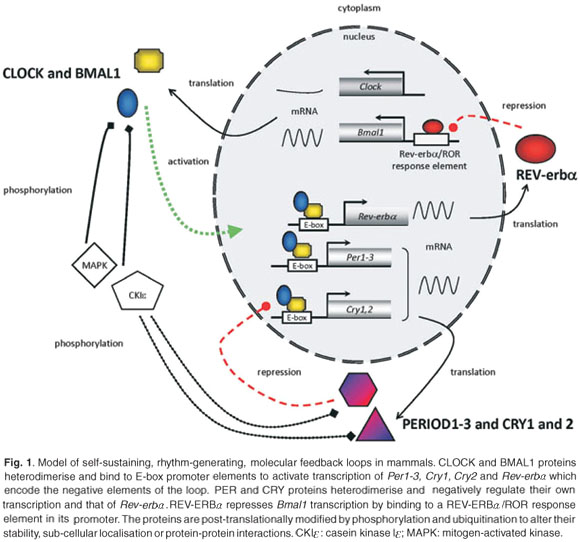
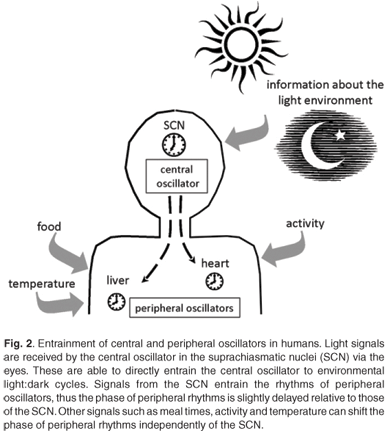
Humans have evolved in a rhythmic environment and display daily (circadian) rhythms in physiology, metabolism and behaviour that are in synchrony with the solar day. Modern lifestyles have compromised the exposure to bright light during the day and dark nights, resulting in the desynchronisation of endogenously generated circadian rhythms from the external environment and loss of coordination between rhythms within the body. This has detrimental effects on physical and mental health, due to the misregulation and uncoupling of important cellular and physiological processes. Long-term shift workers who are exposed to bright light at night experience the greatest disruption of their circadian rhythms. Studies have shown an association between exposure to light at night, circadian rhythm disruption and an increased risk of cancer. Previous reviews have explored the relevance of light and melatonin in cancer, but here we explore the correlation of circadian rhythm disruption and cancer in terms of molecular mechanisms affecting circadian gene expression and melatonin secretion.
circadian rhythm; carcinogenesis; shift work
 Thumbnail
 Thumbnail