Progress towards marine ecosystem observing systems in South Africa
Abstract
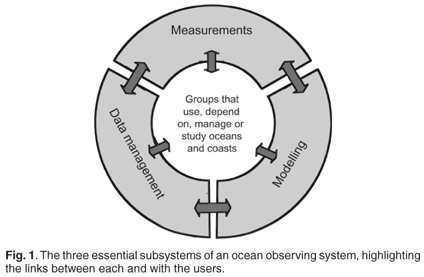
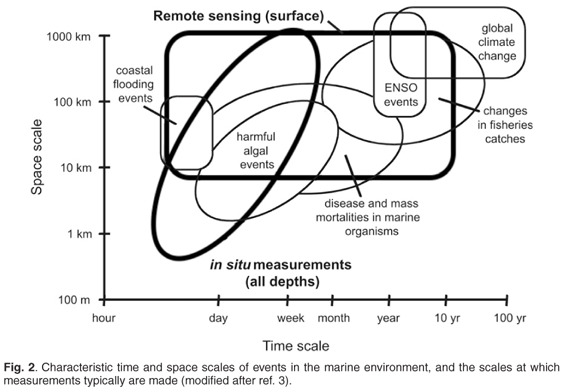
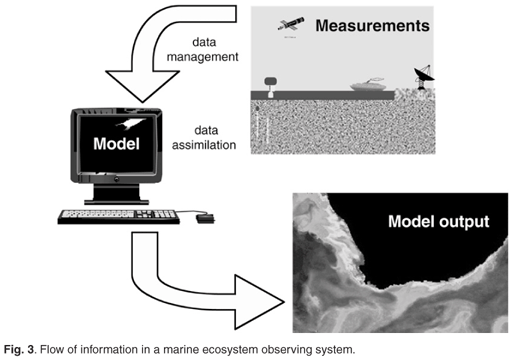
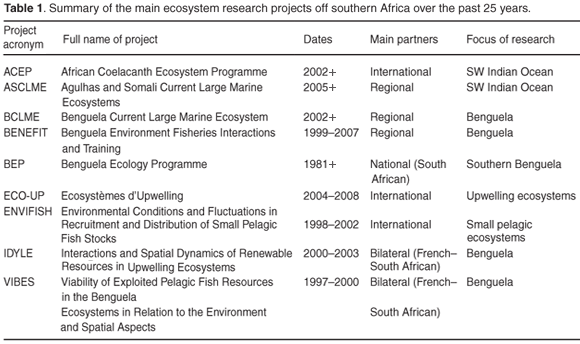
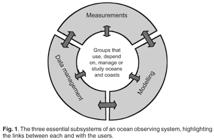
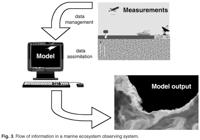
Marine ecosystem observing systems combine measurements, observations and models through a data management and interpretation process to provide information on the status of marine ecosystems. Both biotic and abiotic aspects of the marine environment need to be considered. Single variables typically can be used to represent aspects of the physical and chemical environment, but ecosystem indicators are required for the living components. There are no true marine ecosystem observing systems globally, because most observing systems focus on the physical environment. In South Africa, some fledgling systems are being developed, using the knowledge base provided by focused marine ecosystem research over the past 30 years. Further development should be based on international guidelines, which highlight three interrelated elements: (i) Measurements, obtained directly from ships, drifters or buoys, or remotely from satellites. In South Africa, sustained, long-term measurements are hampered by limited available ship's time, lack of suitable instruments, and insufficient qualified personnel. (ii) Models and other analytical tools to augment observations. South Africa is making progress in marine modelling, but not in marine data assimilation; qualified persons need to be attracted, trained and retained. (iii) Archived and disseminated data generated from measurements and models. The infrastructure and human and institutional capacity for data management and communication in South Africa needs to be enhanced. Existing programmes contribute towards the development of an effective marine ecosystem observing system, but its sustainability requires support at an institutional level.
 Thumbnail
 Thumbnail
 Thumbnail